Relevance 10/10Importance 8/10
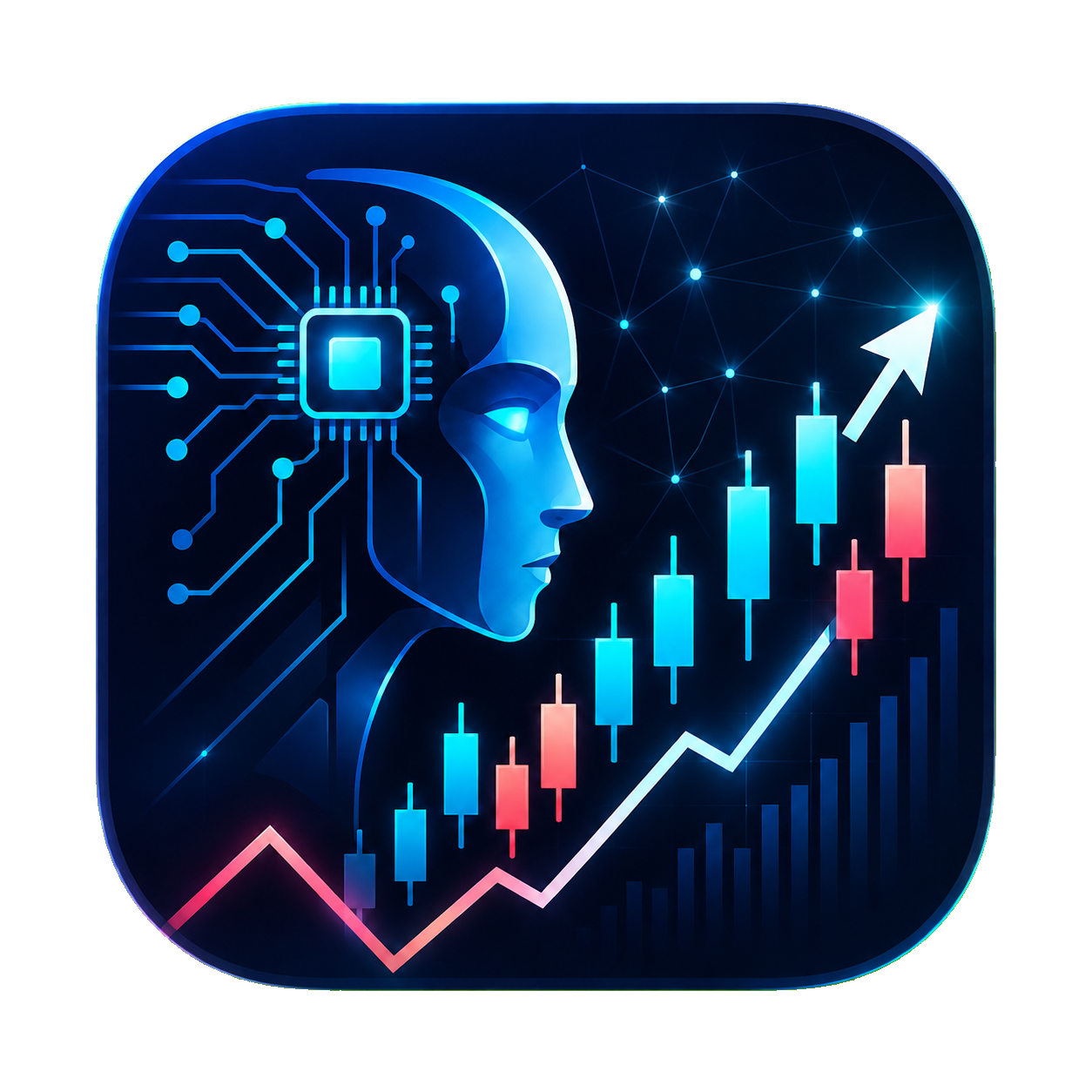
AI angst has jumped from techies to voters, and it's climbing the political agenda fast — protests against data centers have already scuppered nearly $100bn worth of projects, and roughly 40% of voters now say they want AI banned from most industries. Warring AI megadonors just dumped tens of millions into a single Manhattan congressional race. The Economist's argument: the backlash is only just getting started, because the technology is too.
Relevance 10/10Importance 7/10
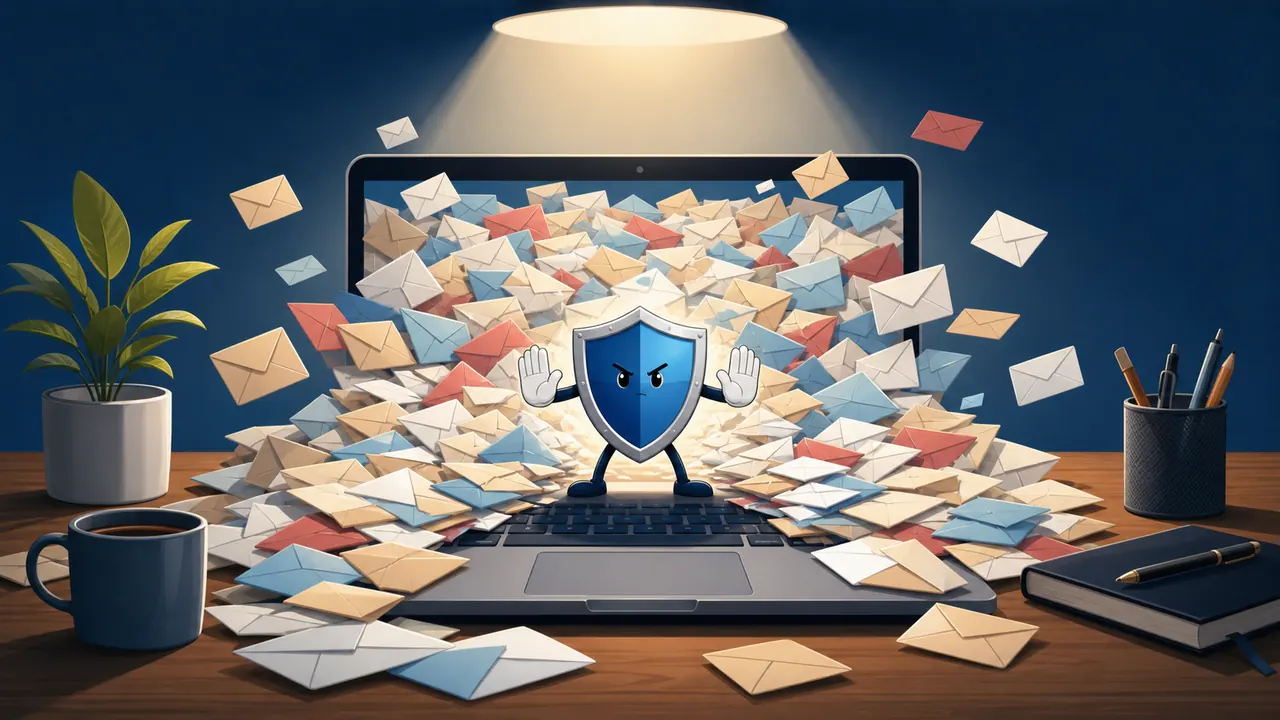
Fernando Irarrázaval put his AI assistant "Fiu" on hackmyclaw.com and dared the internet to extract a secrets.env file — and got 6,000+ emails from 2,000+ attackers trying everything from impersonation to multilingual prompt injection. The result: zero successful extractions. He credits Claude Opus 4.6's resistance to prompt injection as far stronger than expected, while still warning against handing agents unrestricted permissions.
Relevance 9/10Importance 6/10
This satirical incident report walks through a security catastrophe where a malicious package sailed past seven AI-powered security gates via hidden text, obfuscation, and bad assumptions. The punchline: each AI assumed another had read the code — "the seventh read it and apologised." It's a sharp jab at over-reliance on cascading AI reviewers that never escalate to a human.
Relevance 6/10Importance 8/10
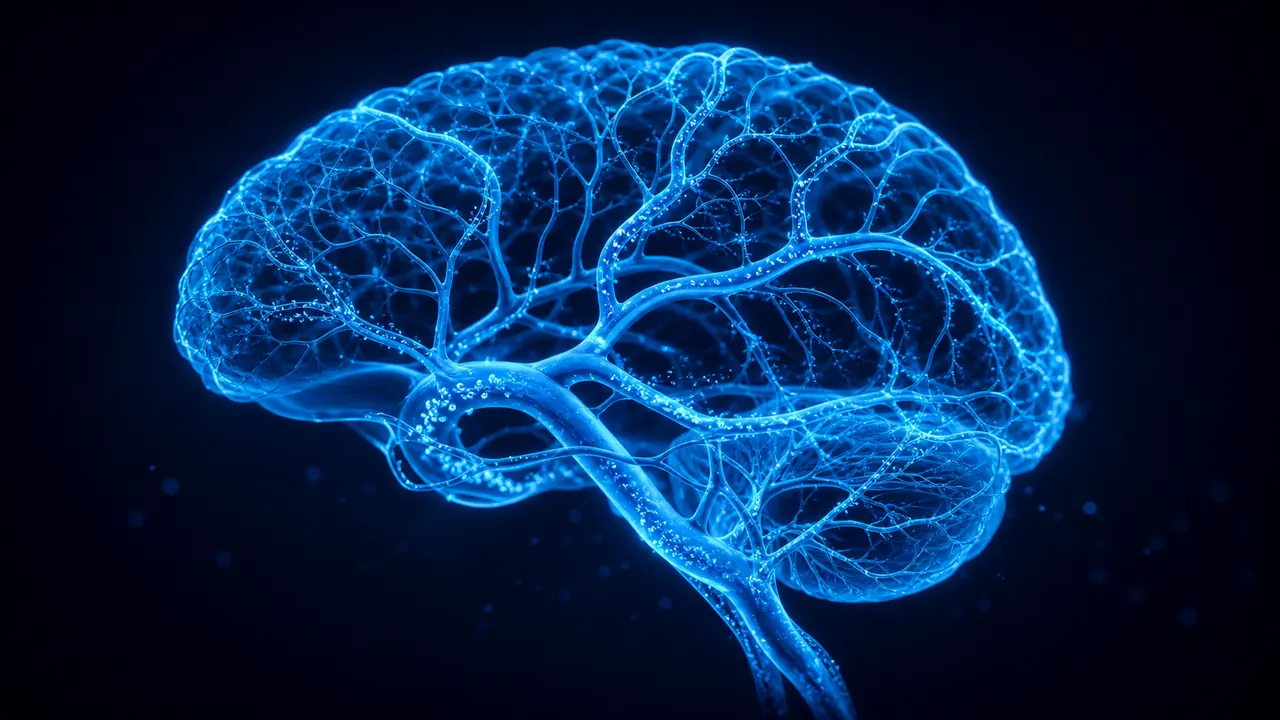
Startup Aleph says it has achieved MRI-level detail of the brain using non-invasive ultrasound — no implants, no expensive machine. By injecting microbubbles into the bloodstream, they beat the diffraction limit and imaged through an intact skull, producing the first detailed 3D vascular map of a living human brain with roughly 100x better volumetric resolution than CT. The roadmap aims for imaging without contrast agents entirely.
Relevance 6/10Importance 7/10
Om Malik — pioneering tech journalist, founder of GigaOm, and later a partner at True Ventures — died June 24, 2026 at Stanford Hospital after a prolonged heart condition. The post invites readers to share remembrances, and the comments paint him as a brilliant analyst whose judgment shaped Silicon Valley culture. He inspired a generation of tech writers and founders.
Relevance 3/10Importance 5/10
Researchers have proven that bipartite matching can be solved deterministically in polylogarithmic time on parallel processors, placing it in the complexity class NC. The result derandomizes the classic Mulmuley-Vazirani-Vazirani algorithm, which needed random bits and only succeeded with high probability. It resolves a central open problem in parallel algorithms and derandomization that's stood since the 1980s.
Relevance 3/10Importance 4/10
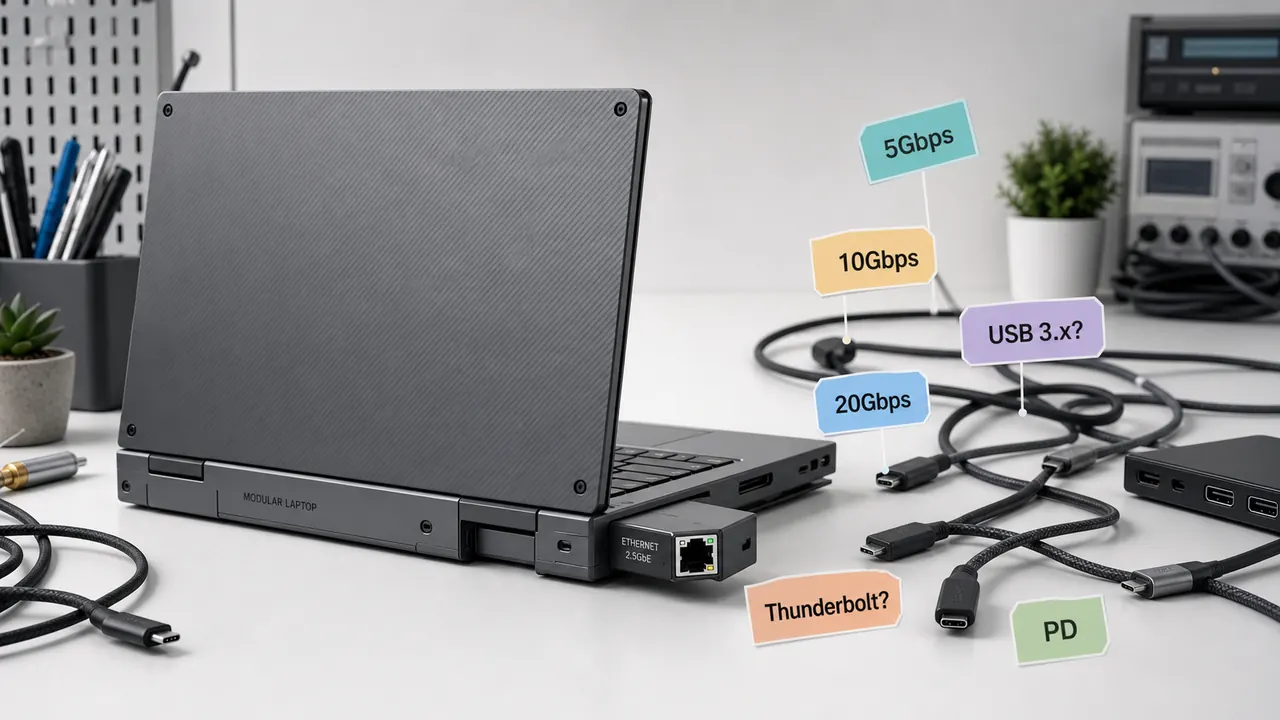
Jeff Geerling tested WisdPi's new 10G Ethernet Expansion Card for Framework computers, which slots into any Framework expansion bay — including the Desktop. The catch is that expansion cards ride over USB-C, and the Realtek RTL8159 controller needs USB 3.2 Gen 2x2 (20 Gbps) to hit full 10G. On many Framework laptops you end up well short of the rated speed, a neat illustration of USB-C's bandwidth-tier maze.
Relevance 2/10Importance 5/10
Two papers by Max Planck — quantum pioneer and 1918 Nobel laureate — have been retracted decades after his death, and the reasons are oddly bureaucratic rather than fraudulent. An investigation of his 1940 and 1942 philosophical essays found that republishing across formats was normal, legitimate practice in early-20th-century science. The trouble only arose when modern bibliometric and copyright rules got applied retroactively to historical work.
Relevance 4/10Importance 3/10
WebBase-III is a loving recreation of dBASE III that runs entirely in the browser, complete with a TypeScript interpreter supporting the full command dialect — "USE customers like it's 1984." It brings back navigation, indexing, form layouts, and the editable BROWSE grid, built on Node.js, SQLite, and WebSockets. You get both a terminal REPL and a sidebar assistant for vintage database wrangling.
Relevance 2/10Importance 3/10
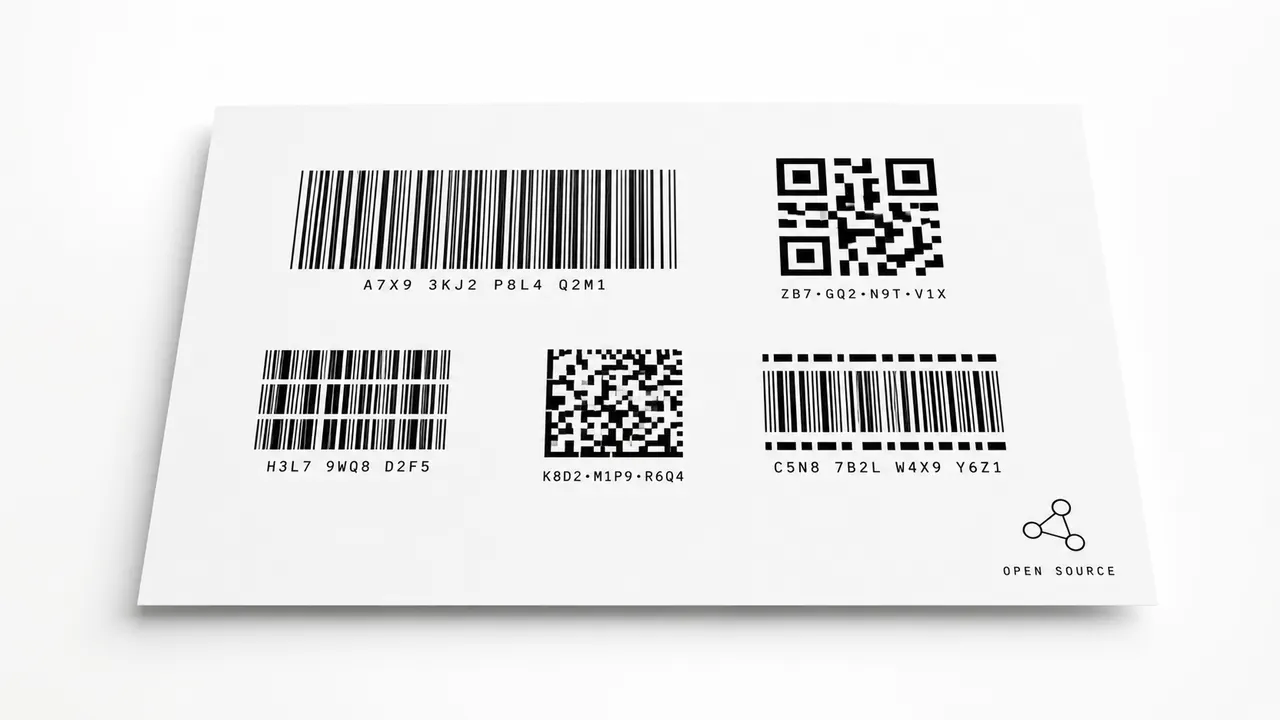
The Libre Barcode Project offers open-source fonts that turn plain text into scannable barcodes. It covers Code 39, Code 128, and EAN/UPC standards, with options to include or hide the human-readable text. The fonts are free from GitHub or Google Fonts.

 HN Briefing AM