Relevance 10/10Importance 9/10
A head-to-head pits Z.ai's open-weights GLM-5.2 ($1.40 in / $4.40 out per million tokens) against Anthropic's Claude Opus 4.8 ($5 / $25). Opus leads on coding (SWE-bench Pro 69.2 vs 62.1) while GLM edges reasoning (AIME 2026 99.2 vs 95.7); in a build-a-3D-WebGL-platformer test, Opus shipped polished in 33.5 minutes while GLM took 70 minutes with missing textures and a broken win condition it couldn't catch because it's text-only. The takeaway: a genuinely strong open model at a fraction of the price, but Opus still wins on speed, correctness, and visual judgment.
Relevance 9/10Importance 8/10
An OpenAI Codex bug leaves SQLite feedback logging at a global TRACE default, persisting inotify events, OpenTelemetry mirrors, and full websocket payloads. One reporter logged 37 TB written in 21 days of uptime — extrapolating to roughly 640 TB a year, enough to exhaust a 600-TBW consumer SSD in under a year. The issue is open with no maintainer fix yet; the author proposes dropping global TRACE, suppressing dependency noise, and adding database write caps.
Relevance 8/10Importance 7/10
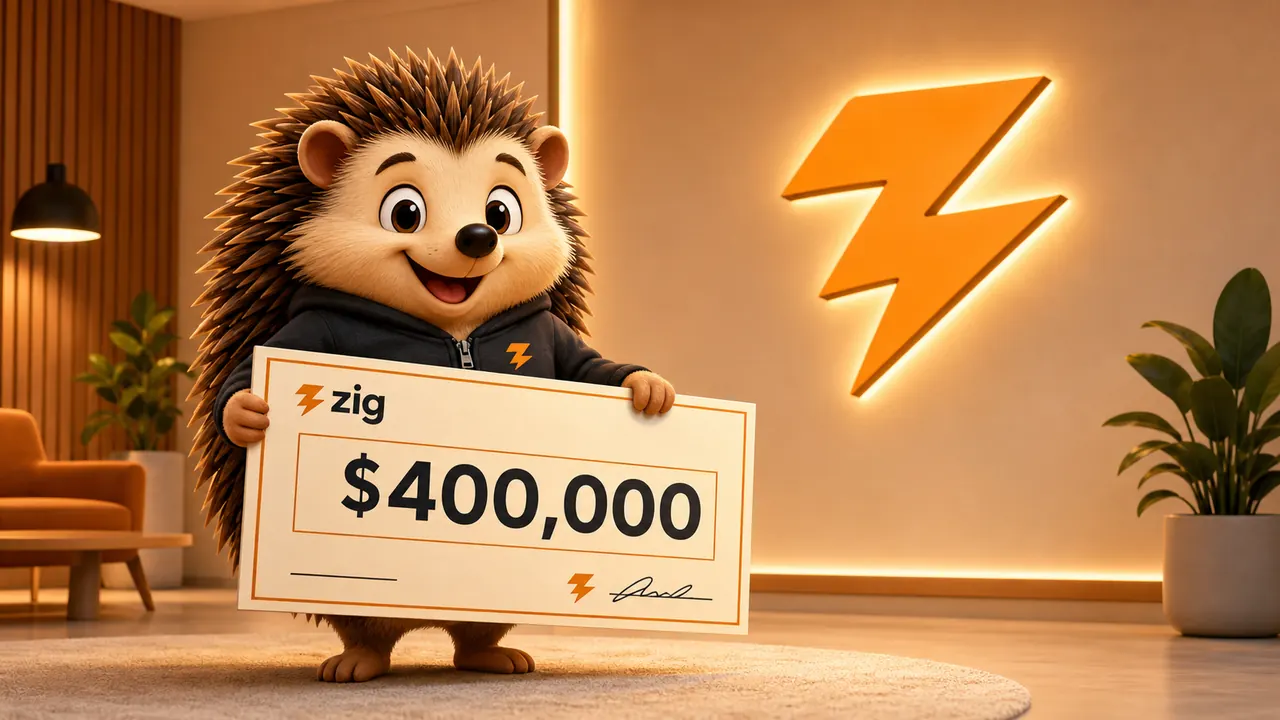
Mitchell Hashimoto and his family are donating another $400,000 to the Zig Software Foundation, bringing their total pledged support to $700,000. He credits Zig with enabling him to build Ghostty and praises its quality standards and culture — including, notably, its strict no-LLM contribution policy. Hashimoto uses AI heavily himself but stresses respecting a project's right to set its own boundaries.
Relevance 9/10Importance 6/10
Jürgen Schmidhuber argues that between March and August 1991, his TU Munich lab published the foundations of modern LLMs: an unnormalized linear Transformer with linearized self-attention, unsupervised pre-training, neural network distillation, and deep residual learning. He notes residual connections underpin what he calls the most-cited scientific article of the 21st century, and that GANs followed that August. His framing: the building blocks of today's AI trace straight back to Munich, even as commercial AI later shifted to the Pacific Rim.
Relevance 8/10Importance 7/10
Nvidia Halos is a full-stack safety system for autonomous vehicles, unifying chips, models, software, and tooling with design-time, deployment-time, and validation-time guardrails. It's anchored by Halos OS on ISO 26262 ASIL D certified DriveOS, plus DGX for training, Omniverse/Cosmos for simulation, and DRIVE AGX in-vehicle, with 22,000-plus safety monitors and two million daily integration tests. Nvidia claims it's the first system accredited by ANAB for AI functional safety inspection, targeting Level 4 robotaxis at scale.
Relevance 6/10Importance 8/10
This manifesto argues that online "age assurance" is really forced identity verification — real names, birthdates, and biometric data — and that checking one minor means scanning everyone. Its core warning: unlike a password, a facial scan or government ID can't be changed, so a breached biometric database is permanent exposure, and today's "trustworthy" registry becomes tomorrow's surveillance tool. The call to action is simple refusal: don't upload your face, and walk away from platforms that demand it.
Relevance 5/10Importance 7/10
The UK's new bond consolidated tape, run by ETS Connect UK, launched June 22, 2026, giving investors a single real-time source for bond prices and trades. Real-time reporting of corporate bond trades jumped from under 5% to over 75%, and government bonds from about 30% to 80%, covering 98% of relevant trading. The FCA calls it a first outside North America, with executive director Simon Walls saying "good markets run on good information."
Relevance 7/10Importance 5/10
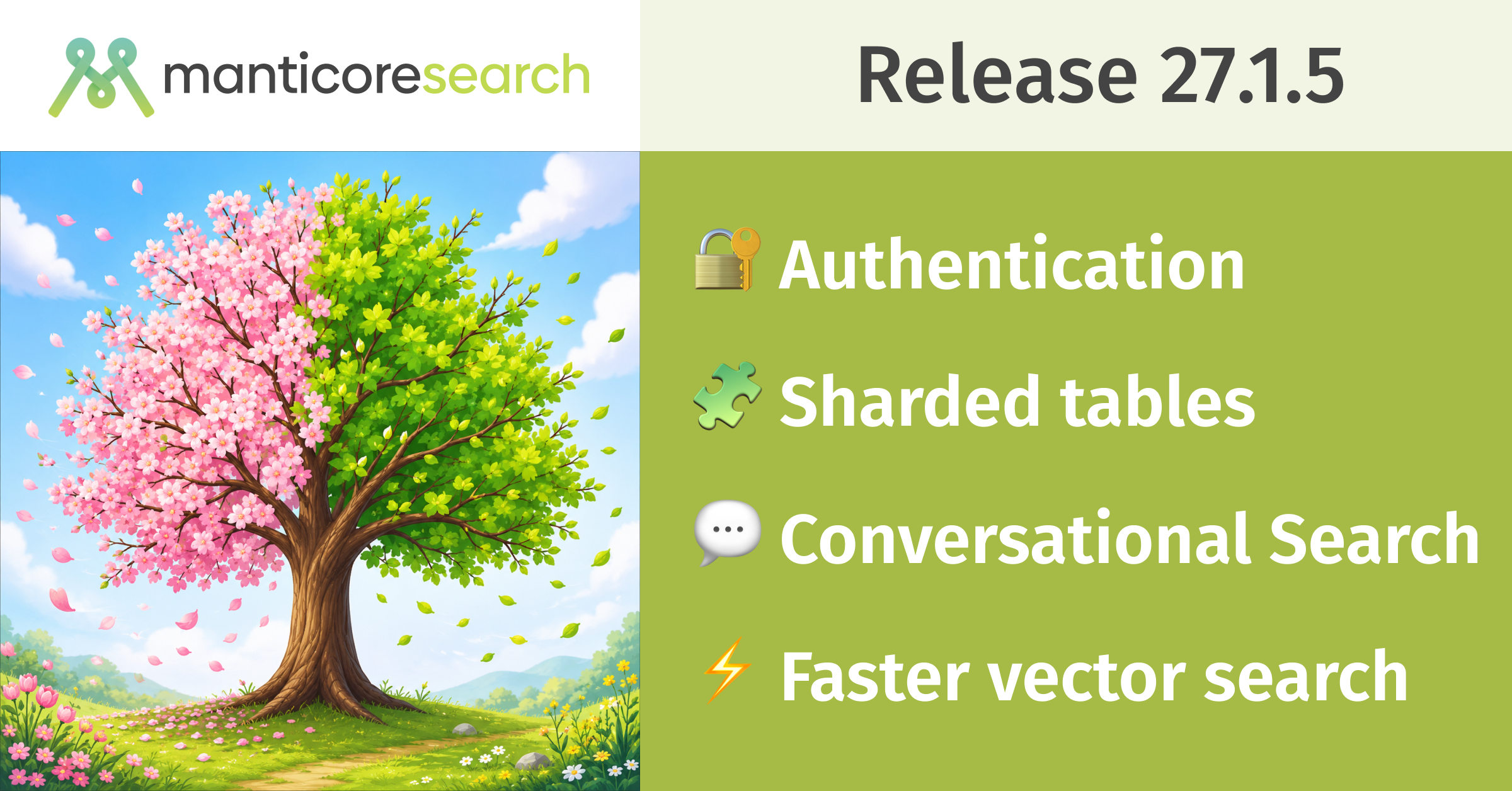
Manticore Search 27.1.5 adds built-in authentication with users, passwords, bearer tokens, and fine-grained permissions, plus sharded tables for write-heavy deployments. It introduces conversational search over vectorized tables, multithreaded HNSW index builds, local ONNX embedding support, and better faceting for e-commerce. The release also resolves 65-plus documented bugs across KNN queries, replication, and protocol compatibility.
Relevance 5/10Importance 3/10
Puzzle Lair is a free, ad-free daily logic-puzzle site with ten puzzle types, monetized through optional accounts rather than ads. The lineup includes Sudoku variants, Kakuro, Nonograms, Star Battle, and Crossmath, each at three difficulty levels. Accounts add progress tracking, leaderboards, achievements, and solve stats.
Relevance 4/10Importance 5/10
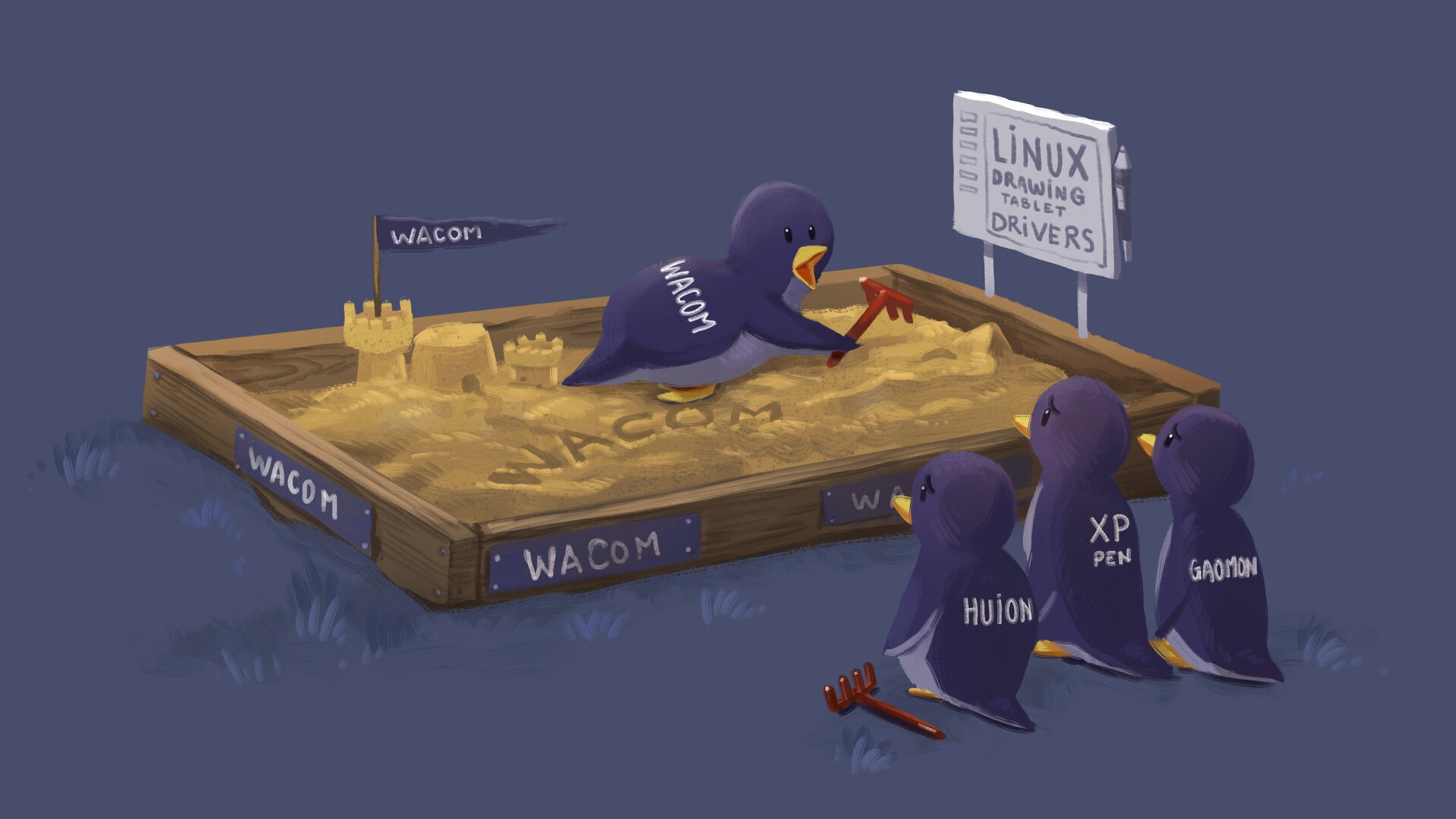
David Revoy found that XpPen, Gaomon, Huion, and Ugee share proprietary driver structures but won't cooperate on open-source Linux drivers — largely because the shared infrastructure like Libwacom carries Wacom's name. Gaomon's team objected that a "Wacom-led project" offered limited upside and balked at sharing specs with competitor-branded tooling. The barrier isn't technical, it's branding and competitive perception, and Revoy warns he may drop hardware reviews if FLOSS drivers stop arriving in time.

 HN Briefing AM