Relevance 7/10Importance 8/10
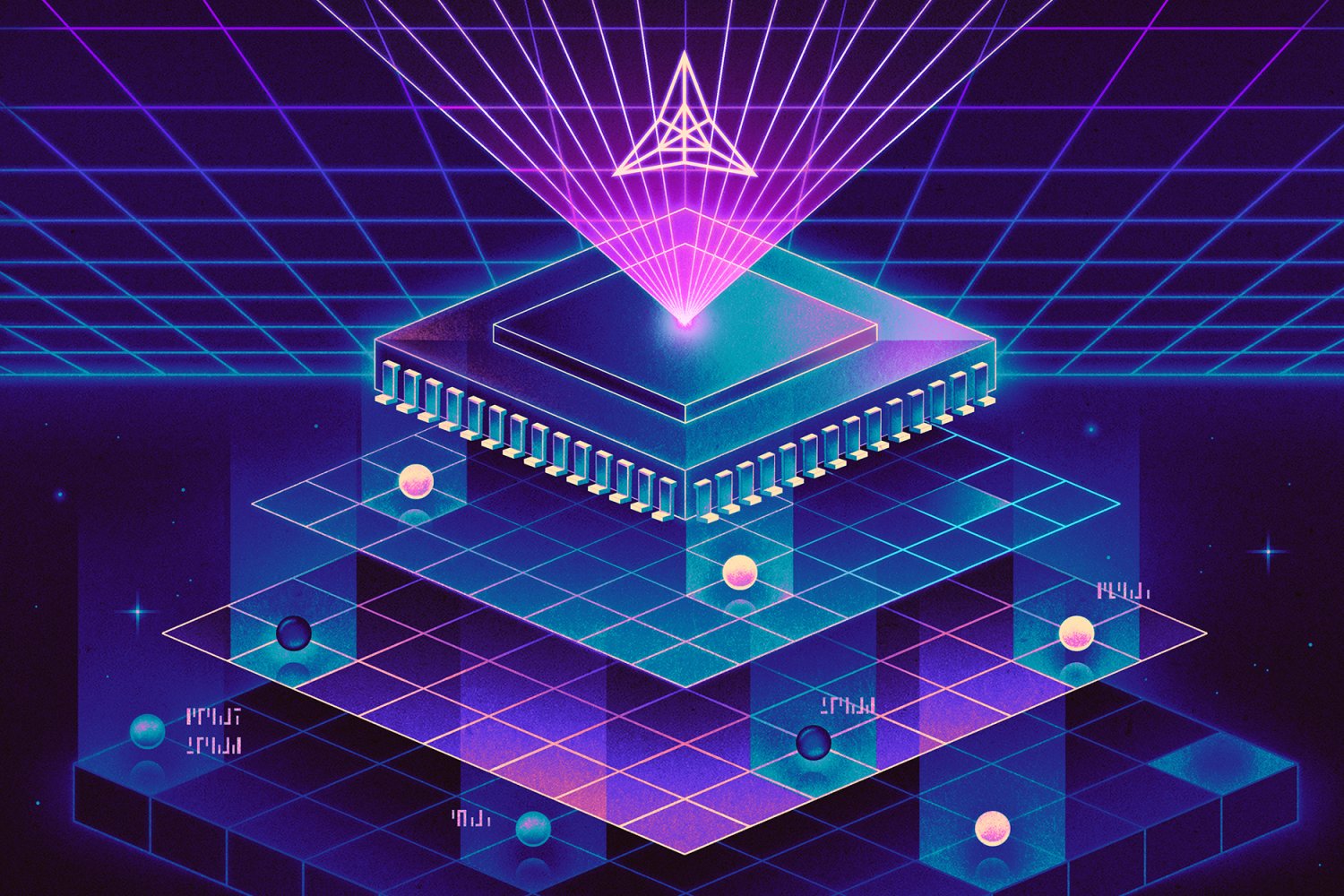
MIT researchers built Fractal, a custom OS kernel purpose-made for microarchitecture research, stripping away the background noise of general-purpose systems to study how processors really behave. Its key trick is "multi-privilege concurrency," letting experiments flip between user and kernel modes under identical conditions. Using it, the team uncovered new speculative-execution vulnerabilities in Apple Silicon, including the first evidence of "Phantom" speculation on the M1.
Relevance 7/10Importance 7/10
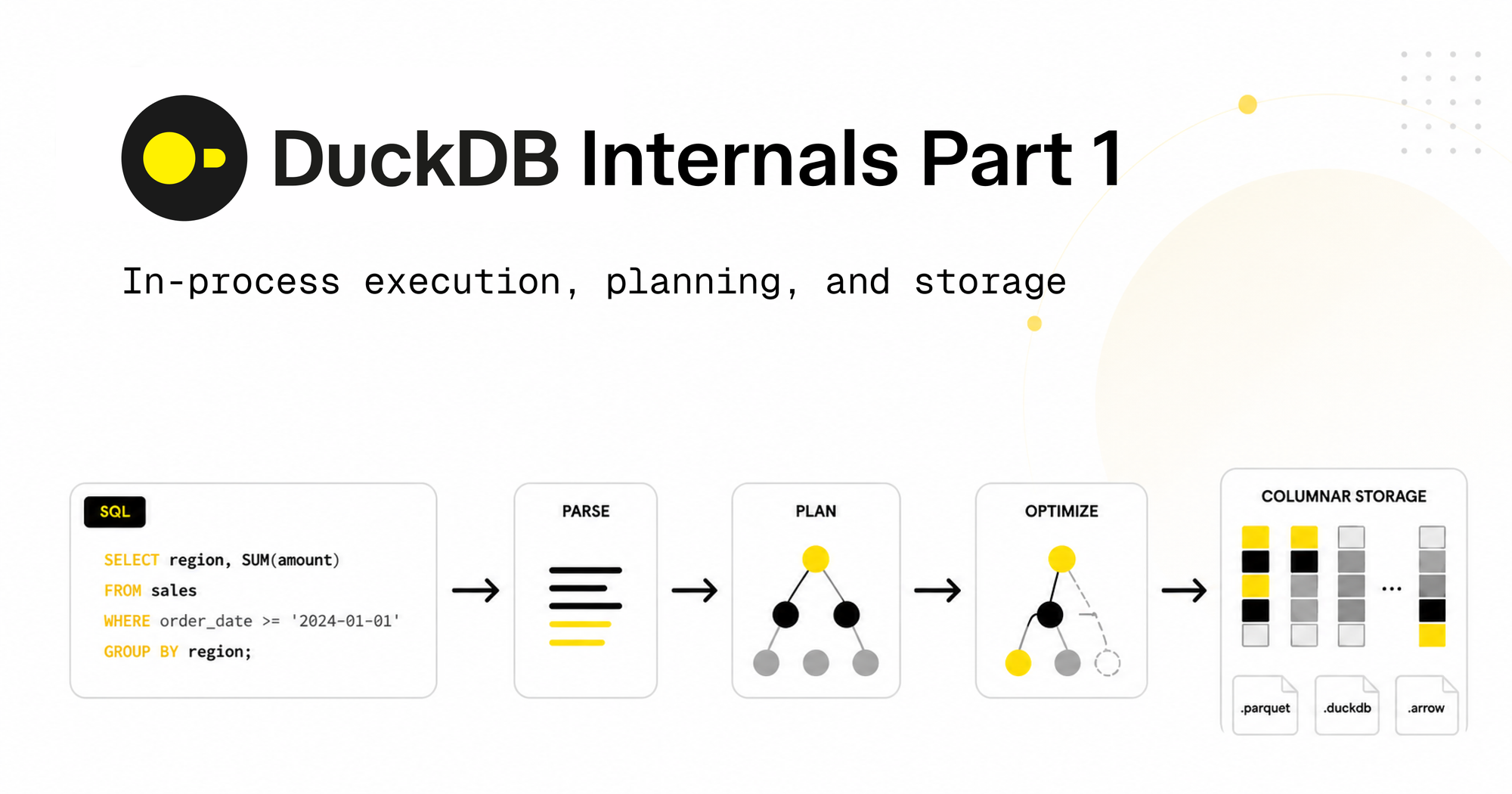
This deep dive explains DuckDB's speed through three mechanisms: it runs in-process, killing network and serialization overhead; it uses columnar, compressed storage with zonemaps for selective reads and row-group pruning; and it leans on vectorized execution in 2,048-row batches across CPU cores. It's become a staple of the modern analytics and data-startup stack.
Relevance 6/10Importance 7/10
ClickHouse marks a decade since its June 2016 open-source release, growing into the most popular open-source analytical database with over 2,000 contributors. It was built entirely from scratch — not forked from anything — tracing back to Alexey Milovidov's 2009 web-analytics work. The post highlights its radically transparent development model with public roadmaps, testing, and contribution guidelines.
Relevance 8/10Importance 5/10
This essay argues that great AI research depends on temperament far more than raw talent. The advice: pair reading with hands-on building, study fundamentals like cross-entropy and SVD instead of chasing trends, design experiments that test genuinely new capabilities, and treat failed runs as equally valuable. It also pushes obsessive attention to implementation details and bugs, even when leaning on AI coding tools.
Relevance 4/10Importance 8/10
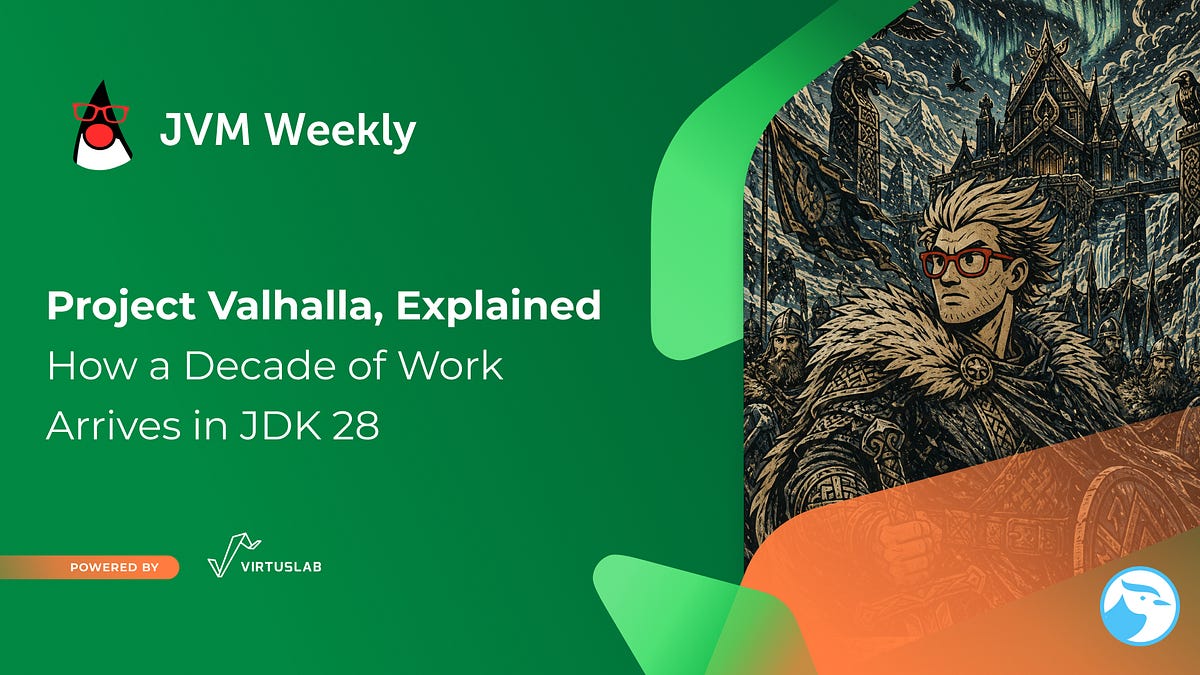
After roughly a decade, Project Valhalla lands in JDK 28 as a preview, introducing "value classes" that let objects behave like primitives with dense memory layouts while keeping class-like structure. The JVM can flatten these objects directly into memory without pointer indirection, boosting cache locality and cutting allocation overhead. This is only phase one; non-nullable types and specialized generics come later.
Relevance 4/10Importance 6/10
This piece argues that ubiquitous earbuds act as social barriers, cutting down casual face-to-face interaction and feeding loneliness. It cites research showing podcast listening creates false intimacy, making speakers feel warmer and more persuasive than they are. The author also warns that constant audio crowds out the quiet downtime we need for reflection.
Relevance 4/10Importance 5/10
Mark Nottingham lays out when well-known URIs actually make sense: when a client already knows a site but needs to discover something site-wide, like an access policy. He warns against misusing them as URL shorteners or legitimacy signals, and says if your protocol can use a real URL, skip the well-known location entirely. He stresses planning for messy real-world deployments like multitenancy.
Relevance 3/10Importance 5/10
Using a Stockholm gaming club that survives only on government grants, this essay argues that market economics can't value or fund socially essential spaces. The author contends "labor pressure" forces people to pick paid work over meaningful unpaid activity because wages are the only path to necessities. The proposed fix is a basic income floor that makes community contribution economically viable.
Relevance 3/10Importance 3/10
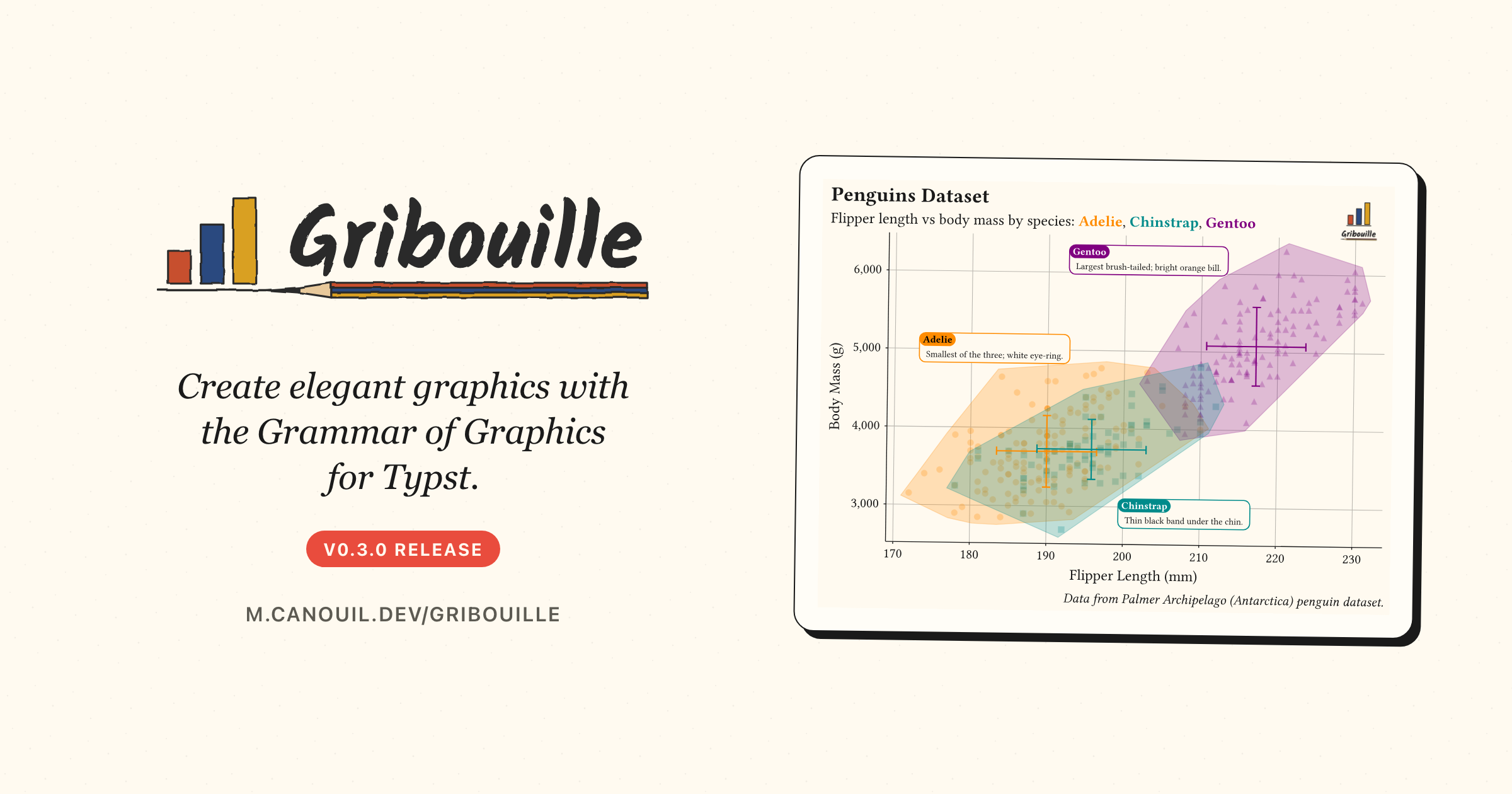
Gribouille 0.3.0 is a grammar-of-graphics plotting library for the Typst typesetting system. The headline feature is a single argument to hide axis ticks and legends without touching the theme, plus a theme parameter for compose() and automatic stacking for area charts. The release also fixes a batch of legend layout, alignment, and overlap issues.
Relevance 2/10Importance 3/10
Jake Worth makes the case for small acts of online engagement: comment on helpful blog posts, confirm when a forum fix worked, give creators real feedback. He argues these "traces" build a more humane internet by encouraging makers and boosting useful signal. They also leave a record of your own learning journey.

 HN Briefing AM