Relevance 10/10Importance 6/10
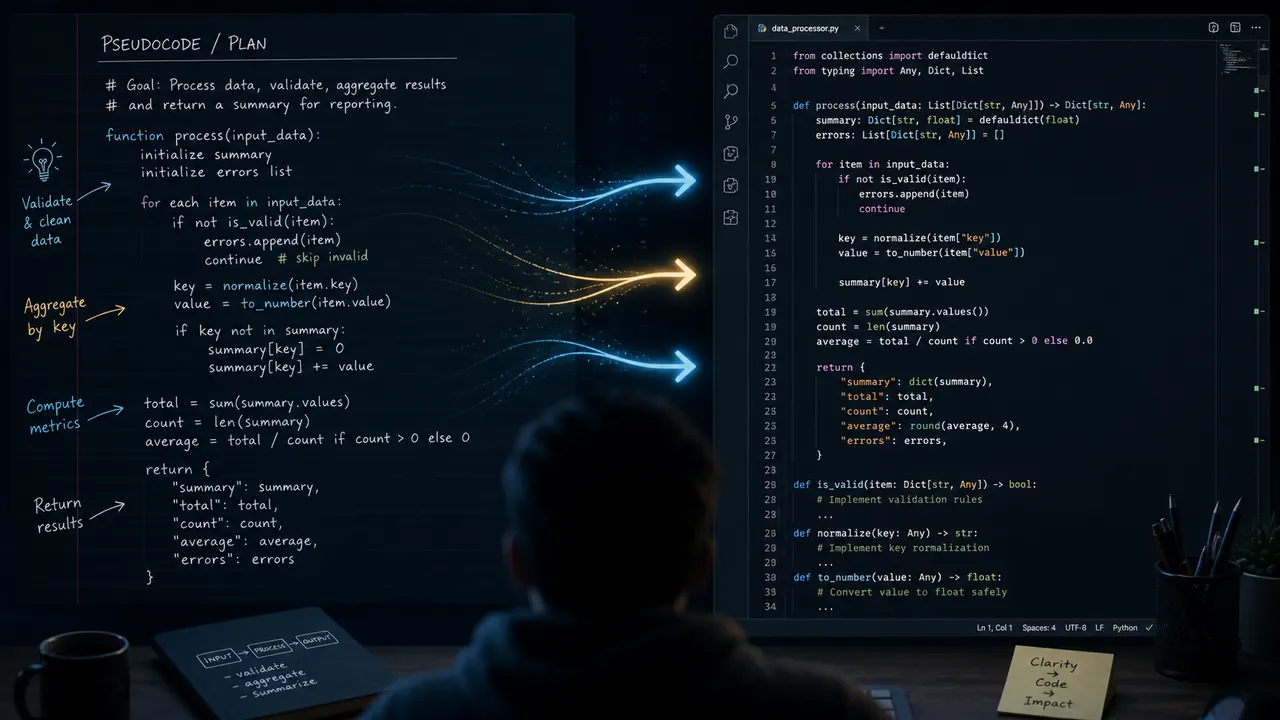
Daniel Vaughn built an experimental editor that swaps throwaway natural-language prompts for persistent pseudocode files that compile down into real source. Edits get captured as diffs so the tool can regenerate only the affected sections, keeping intent on disk instead of buried in a chat log. It's a direct swing at agent fatigue — terse input, fewer wasted tokens, and the pseudocode doubles as living documentation.
Relevance 8/10Importance 9/10
Version 0.3.10 of arrayref quietly pulled in a typosquatted dependency named proc-macro1, whose build script downloads and executes a remote binary while your project compiles. The attacker yanked older releases to funnel developers onto the poisoned version. With roughly 245 million all-time downloads and deep transitive presence in popular GUI frameworks, the blast radius across the Rust ecosystem is enormous.
Relevance 8/10Importance 8/10
The piece sets Swartz's 70 gigabytes of JSTOR downloads — and the federal charges that followed — against Meta's acquisition of 81.7 terabytes of pirated books to train its models. Swartz wanted to open knowledge up; Meta turned the same material into proprietary, profit-generating weights. The argument lands squarely on the double standard between individuals and well-capitalized corporations.
Relevance 7/10Importance 9/10
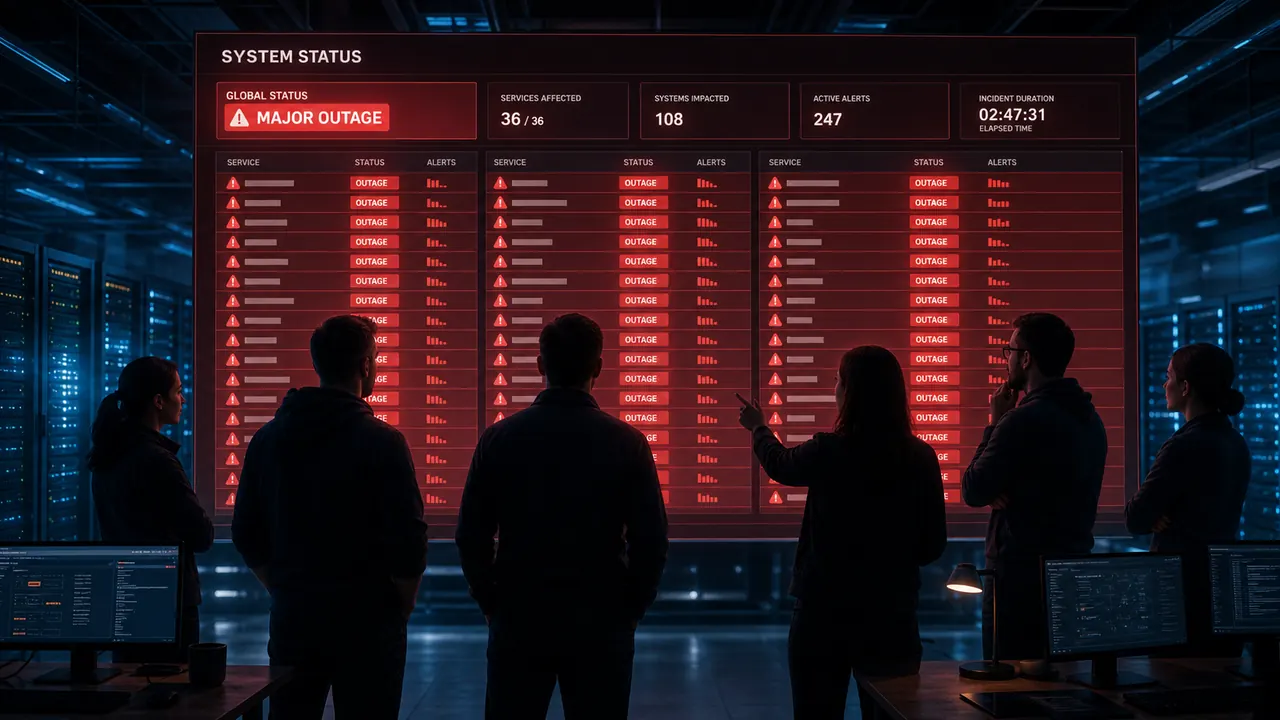
GitHub's postmortem pins the failure on a critical infrastructure component in its Central US data center that couldn't scale with a new traffic peak, cascading into widespread authentication failures. The incident ran seven hours and forty-seven minutes, taking down github.com, Actions, the APIs, pull requests, issues, and Copilot worldwide. Remediation includes added capacity, removing architectural bottlenecks, consistent retry limits, and isolating critical systems.
Relevance 6/10Importance 8/10
By instrumenting the AudioContext constructor, the author found two live audio contexts on the AliExpress homepage with no media elements anywhere on the page. They trace back to Alibaba's obfuscated collina.js and fireyejs.js, which generate and analyze a waveform as part of a much larger browser fingerprint. The side effect is real hardware damage: Bluetooth multipoint headphones stop switching between devices, and tab muting doesn't stop it.
Relevance 6/10Importance 6/10
Adam Mastroianni argues that great writing has "thickness" — it rewards rereading and keeps yielding new layers, unlike thin content that collapses the moment you look closely. Thickness comes from real effort and deliberate choices, not formula. His pointed conclusion: that's precisely why AI tools can't manufacture it, and why they produce slop instead.
Relevance 5/10Importance 7/10
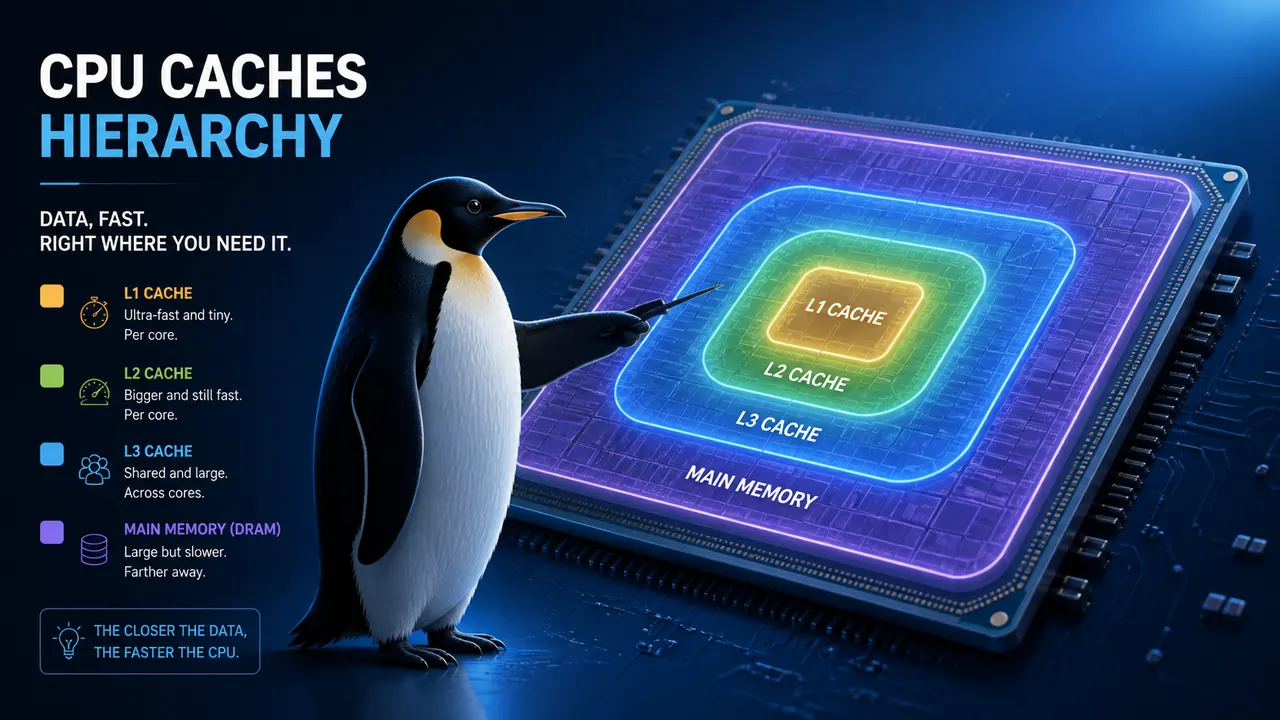
Igalia's release rundown highlights continued advances in cache-aware CPU scheduling, a meaningful win for throughput on modern multi-core hardware. Raspberry Pi GPUs get runtime power management so they can actually power down when idle. The DRM scheduler's fair policy, which improves GPU sharing across clients, ships as opt-in while regressions get sorted.
Relevance 4/10Importance 6/10
A volunteer-run wiki billing itself as the internet's largest dedicated repository of information on anti-consumer practices. It currently holds 1,417 articles maintained by 169 active contributors, with open registration for new editors. Coverage spans right-to-repair restrictions, planned obsolescence, subscription traps, digital rights violations, and dark patterns, indexed by organization, product, service, and individual.
Relevance 4/10Importance 5/10
James Somers argues biology education hands students conclusions stripped of the wonder and the questions that produced them. Textbooks reduce a field full of genuine mysteries to lifeless memorization. His fix: teach it the way programming gets taught well — project-based, hands-on, driven by problems like how an embryo differentiates or how heredity actually works.
Relevance 3/10Importance 5/10
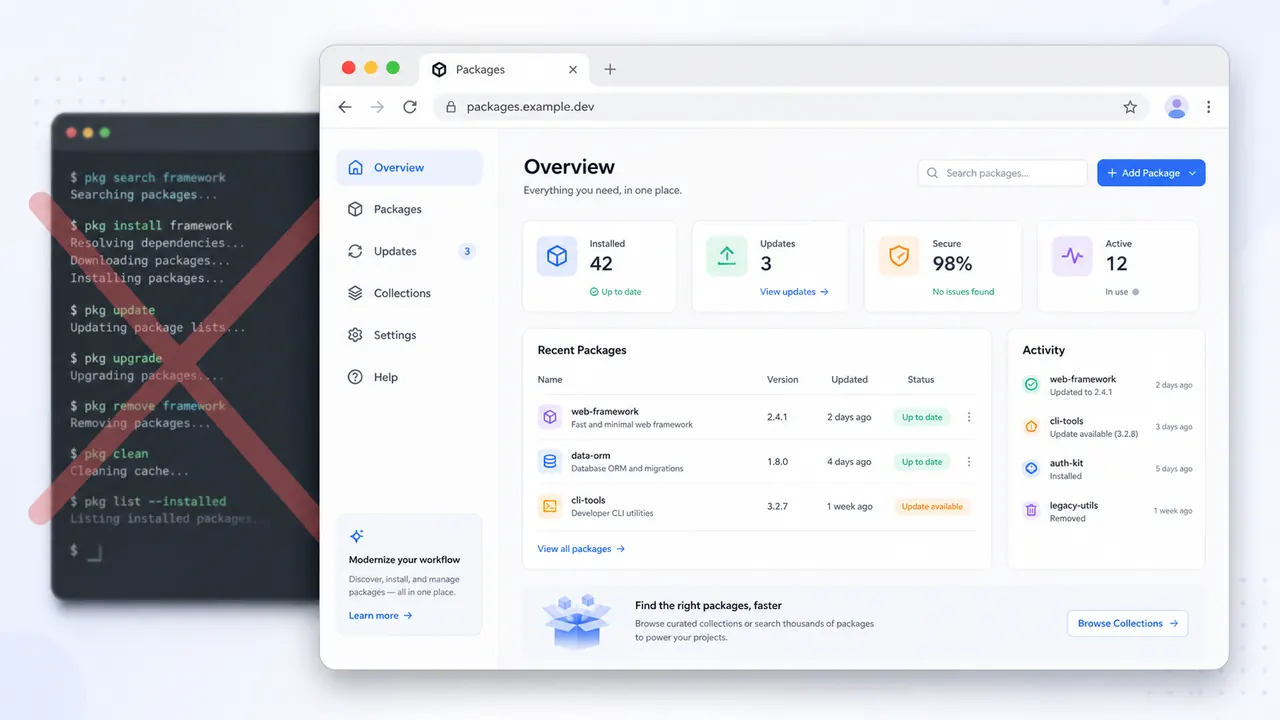
Chris Burnell's roundup of native HTML capabilities that developers routinely reach for JavaScript libraries to replicate. The through-line is that the platform has quietly absorbed a lot of functionality that used to require dependencies. It's a reminder to check the spec before installing another package.

 HN Briefing PM