Relevance 10/10Importance 9/10
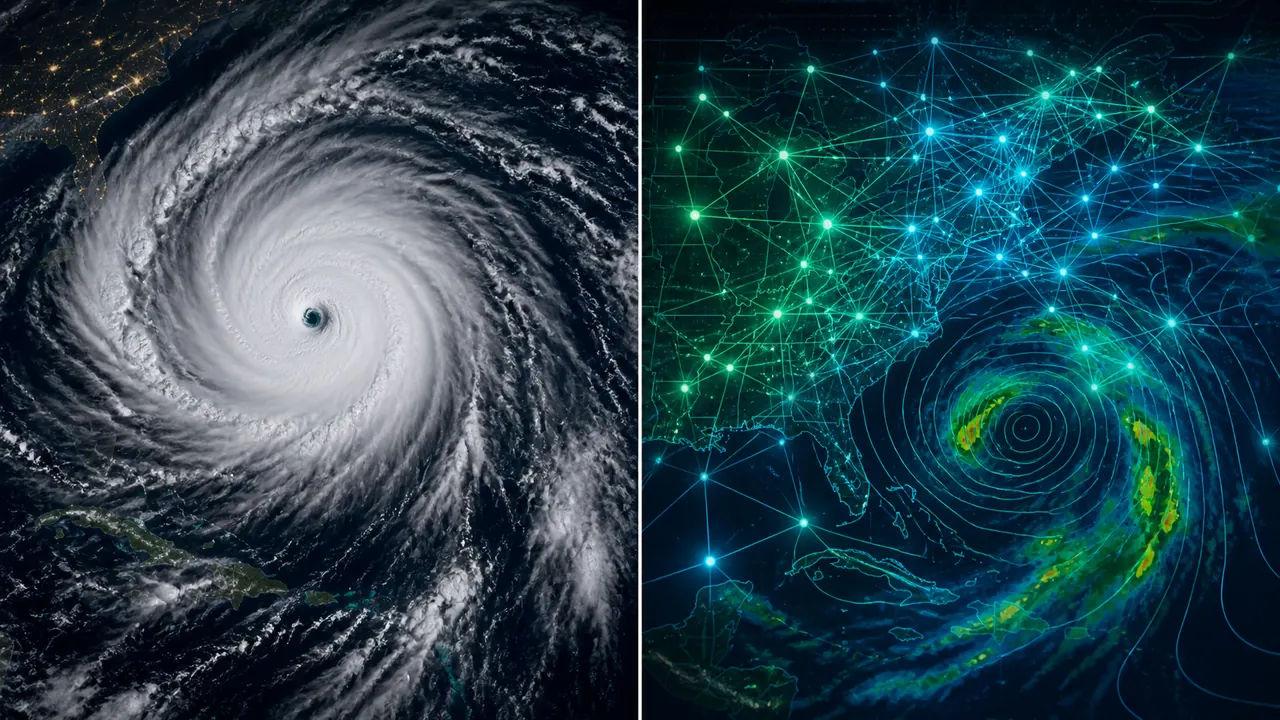
Google DeepMind's WeatherNext AI model delivers what meteorologists are calling a decade of forecasting progress in a single system — three-day cyclone predictions are now as accurate as what previous models could only achieve at two days. WeatherNext correctly predicted Hurricane Melissa's rapid intensification in 2025, enabling critical advance warnings. DeepMind has open-sourced the models and code, handing the capability to the global research community.
Relevance 8/10Importance 7/10
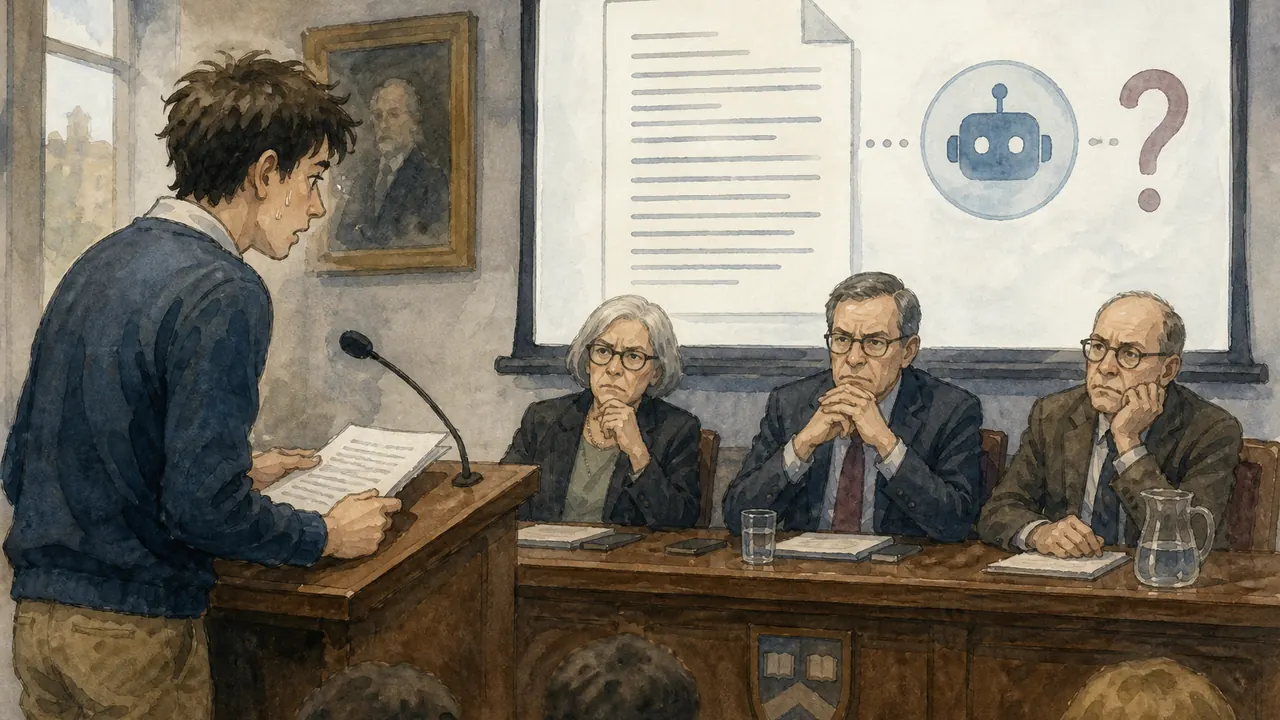
Denmark is now requiring students to verbally defend their written assignments, turning oral examination into an AI-proof verification layer. The policy sidesteps the detection problem entirely — rather than trying to identify AI-generated text, it simply asks students to demonstrate live comprehension. The approach drew 164 comments on HN, signaling broad interest in institutional responses to AI in education.
Relevance 7/10Importance 6/10
Developer Senko Rašić fires back at the popular claim — frequently deployed to hype AI coding tools — that coding has always been the trivial part of software work. He argues both writing quality code and understanding customer needs are genuinely difficult, and that dismissing one to elevate AI undersells the entire profession. His prescription: stay curious, keep learning, and don't let the hype strip the craft of its earned respect.
Relevance 6/10Importance 7/10
Hackaday tested Dell's XPS 13 with Intel's new Core 5 320 chip and found it posting 6.21 Gflops/Watt — actually outpacing Apple's M5 MacBook at 5.38 on the HPL Linpack benchmark. The piece argues ARM's long-held efficiency advantage may have been about specific chip implementations, not the instruction set architecture itself. If that holds at scale, it puts a dent in the narrative driving massive ARM investment across cloud and AI infrastructure.
Relevance 3/10Importance 5/10
A new DNS spec proposes a _for-sale TXT record that lets domain owners signal availability for purchase without affecting the live site — published at _for-sale.example.com with optional contact info, pricing, and notes. It requires a v=FORSALE1 version tag, recommends DNSSEC signing to prevent spoofing, and explicitly carries no legal obligation to sell. Simple infrastructure that could cut through the opacity of domain brokerage.
Relevance 2/10Importance 5/10
Fastmail now lets users choose to store their email on servers in Amsterdam, with EU residents pre-assigned to the European region by default. The infrastructure meets the same standards as Fastmail's US setup — encryption at rest, redundant backups — at no extra cost. A meaningful move for privacy-conscious users and businesses navigating GDPR requirements.
Relevance 3/10Importance 3/10
A tight blog post explores the quietly strange corners of Python string literal syntax — raw strings can't end in a backslash, f-strings allow full multiline Python expressions and comments inside curly braces, and lambda expressions must be parenthesized inside f-strings. These quirks are artifacts of how the lexer actually processes these constructs, not intentional design. The kind of thing that doesn't bite you until it does, and then it's extremely not-obvious why.
Relevance 2/10Importance 4/10
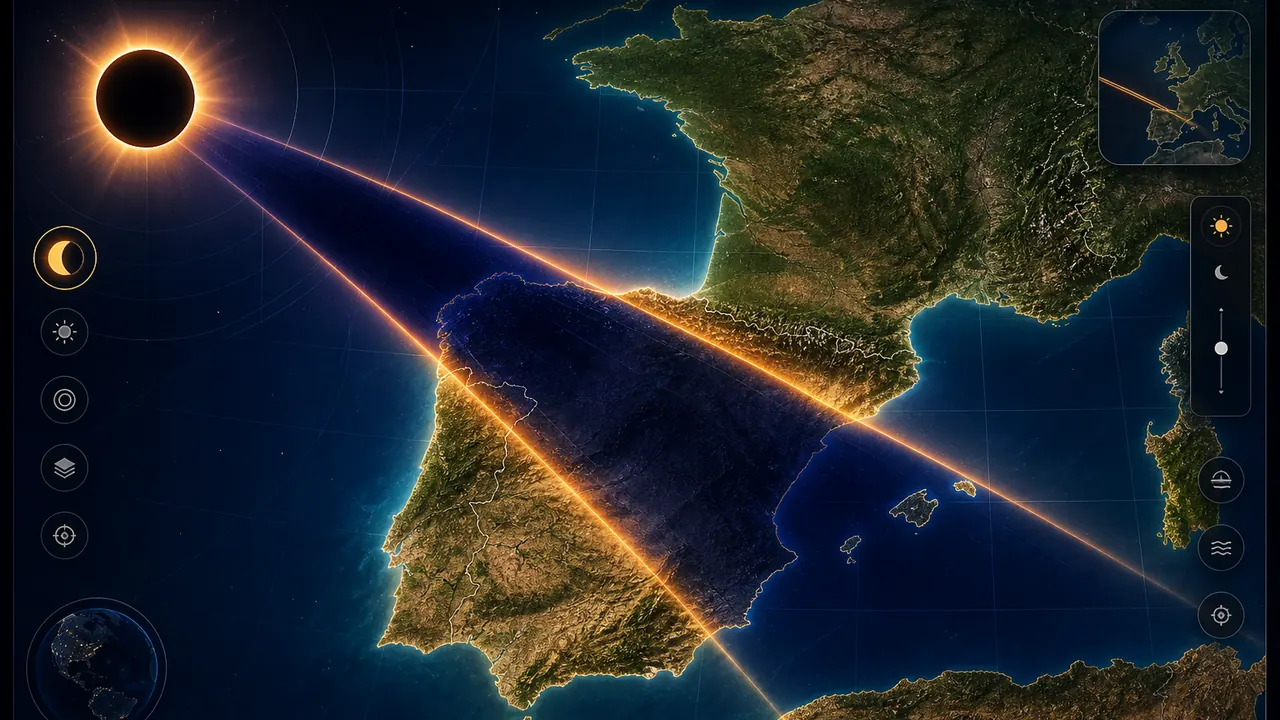
EclipseFan is a community-built open-source interactive map for the total solar eclipse landing on August 12, 2026 — just four days out. Click anywhere and get precise first-through-fourth contact times, sunset predictions, and local eclipse circumstances, with optional cloud forecast and live 3D umbra shadow layers. A solid tool for anyone planning to catch totality this week.
Relevance 2/10Importance 3/10
Andrew Pollack built a minimal Chrome extension that kills LinkedIn's home feed while leaving everything else functional — profiles, messaging, job listings, and search all untouched. It runs two mechanisms: CSS to hide the feed interface, and network rules to block feed pagination calls. No settings, no subscription, no dashboard — just algorithmic silence where the scroll used to be.
Relevance 1/10Importance 2/10
The Maryland Department of Natural Resources expanded closures at Cunningham Falls State Park after a second beaver attack in two weeks — a 19-year-old fisherman bitten on the ankle, the beaver captured, euthanized, and confirmed rabid. Officials are now investigating a potential rabies outbreak among the park's beaver population. Completely off-beat for HN, and yet here it is at number ten.

 HN Briefing PM