Relevance 10/10Importance 9/10
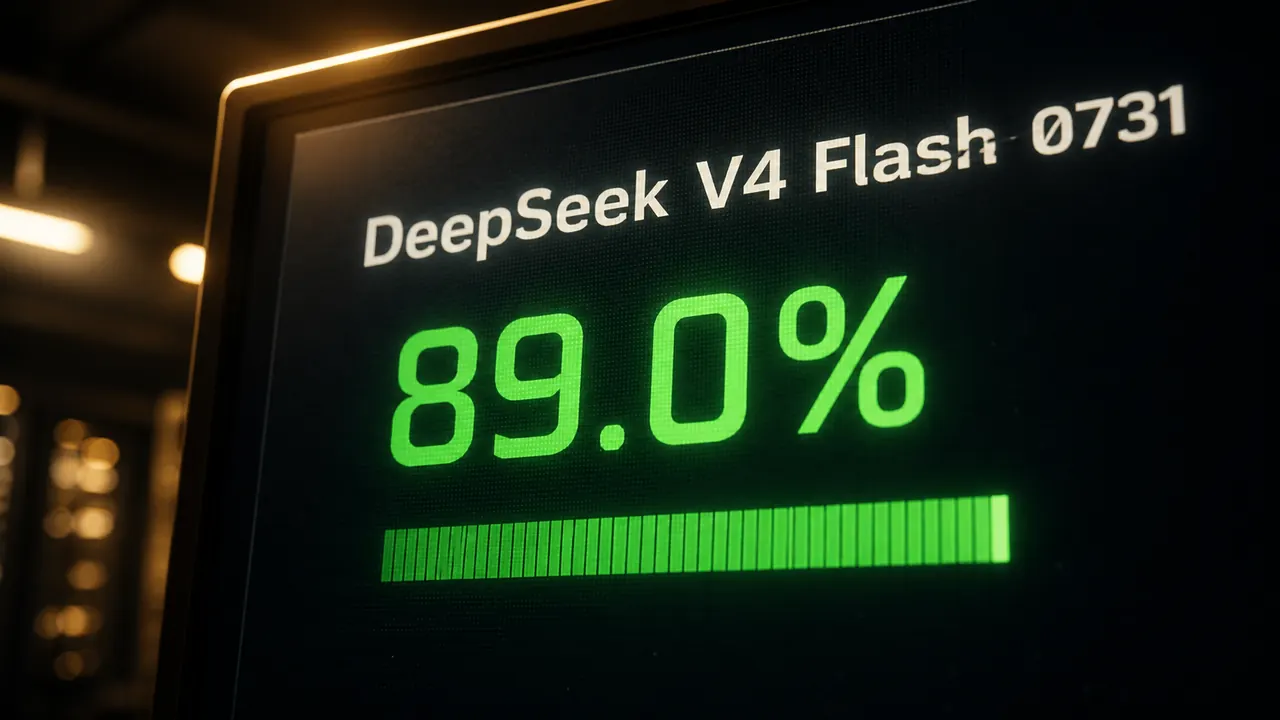
DeepSeek's latest Flash model, released July 31, hit 89.0% on ARC-AGI-1 and 61.4% on ARC-AGI-2 at max reasoning effort, costing just $0.02 and $0.04 per task respectively. These are competitive frontier-tier numbers from a model in the Flash class — smaller, cheaper, and faster than their full releases. The ARC Prize results page shows three effort variants, all posting strong scores across both benchmarks.
Relevance 9/10Importance 9/10
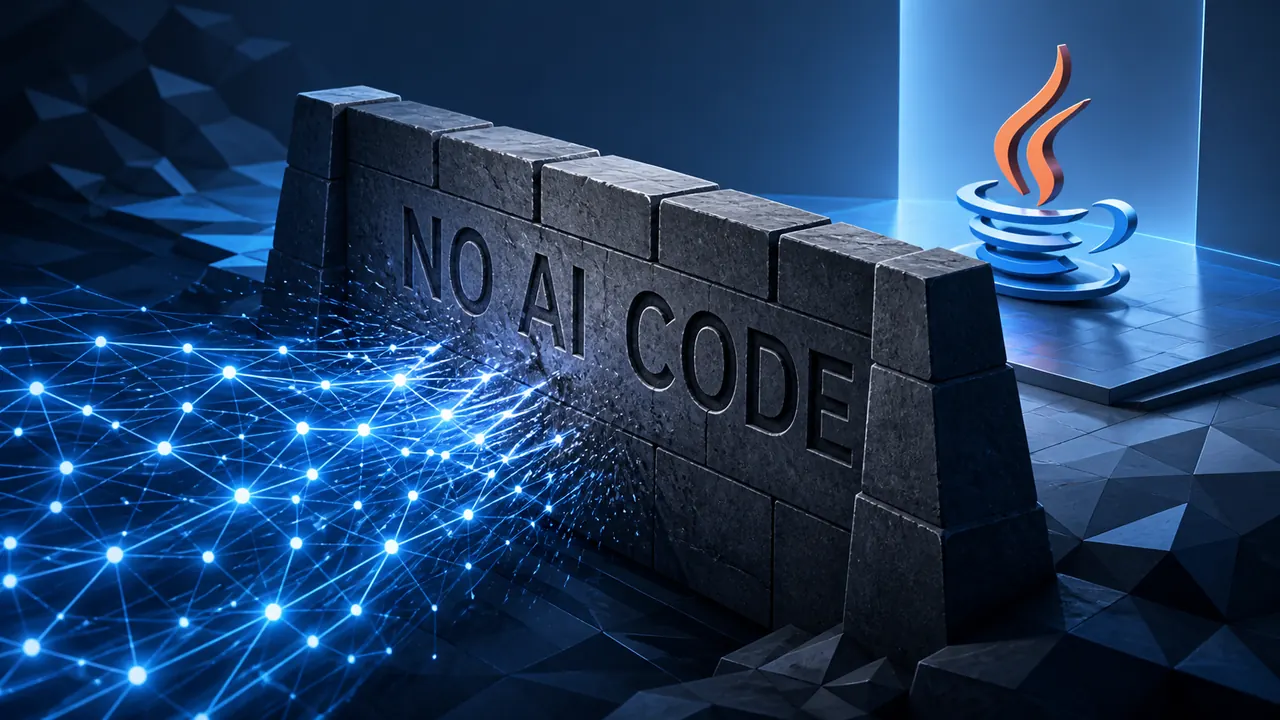
Oracle has issued a policy prohibiting AI-generated code contributions to OpenJDK — the open-source foundation of Java — citing concerns about provenance, licensing, and code quality. The timing is awkward: Larry Ellison recently claimed Oracle itself relies heavily on AI for its own software development. HN commenters are pointing out that Oracle appears to be banning from open source the exact practice it is reportedly using internally.
Relevance 9/10Importance 8/10
OpenAI published a framework document outlining how it plans to detect, contain, and disclose when a model crosses into territory capable of enabling novel offensive cyber operations. The post establishes explicit thresholds and response policies for AI systems reaching critical cybersecurity capability levels. It's part of OpenAI's broader safety infrastructure work, and the timing alongside rapid model capability gains makes the policy especially pointed.
Relevance 7/10Importance 8/10
A Noema Magazine essay explores why highly paid tech and knowledge workers are experiencing deep existential dread, with many fantasizing about leaving careers entirely for farming or pottery. The piece connects Derek Thompson's concept of "workism" — finding identity through skilled craft — to AI's erosion of that craft, and argues that when the work gets abstracted away, so does the psychological payoff. It's a cultural essay but lands squarely in the AI disruption conversation.
Relevance 7/10Importance 3/10
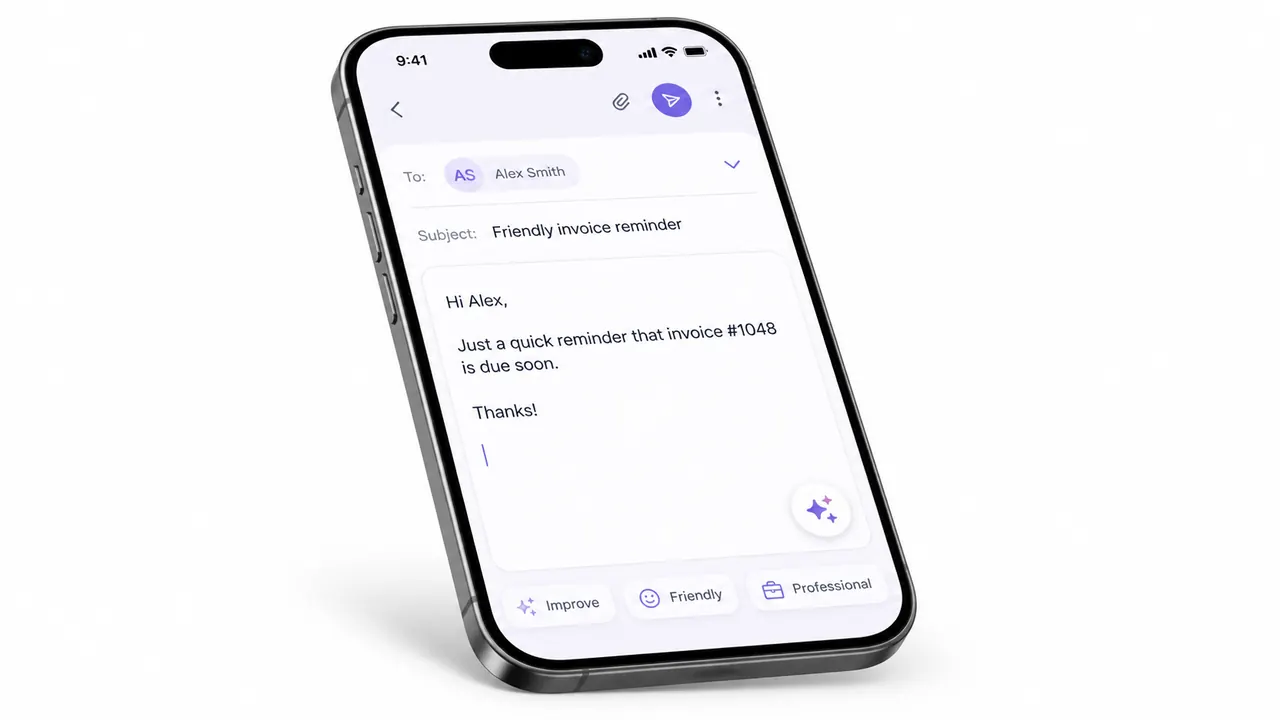
Show HN entry: Chasa drafts payment reminder emails for freelancers calibrated by how overdue the invoice is — friendly under a week, professional around a month, and direct beyond that. It integrates with QuickBooks, Xero, FreshBooks, and Wave, and never contacts clients itself — it just generates the copy for you to send. Free tier offers five AI drafts per month; paid plans run $7 to $17 monthly flat.
Relevance 3/10Importance 7/10
John Gruber at Daring Fireball covers the rejection of Dark Hours, an astronomy app, because Apple reviewers claimed it included a live tarot reading feature — a feature that does not exist anywhere in the app. After escalation, Apple's Review Board upheld the rejection and fabricated additional justification rather than acknowledging the error. Gruber frames this as systemic dysfunction at the App Store review level, not a one-off mistake.
Relevance 2/10Importance 6/10
SDSS Data Release 20, the Black Hole Mapper, delivers 3.3 million optical spectra paired with eROSITA X-ray data in the largest uniform spectroscopic X-ray survey follow-up ever assembled. A key finding: rapidly growing giant black holes were far more common in the early universe than models predicted, with 70–90% of supermassive black hole growth occurring hidden behind dust and gas. All data is freely and immediately public.
Relevance 2/10Importance 4/10
A GitHub repo benchmarking x86 instructions for the worst single-instruction performance possible. The current champion is FXRSTOR64 on an AMD Ryzen 7 5800H, hitting approximately 198 billion cycles — roughly 62 seconds for a single instruction — when other cores simultaneously hammer high-latency MMIO registers. The leaderboard also includes RDRAND, WRMSR, CPUID, and PCIe-delay operations, each with reproducible test conditions.
Relevance 2/10Importance 3/10
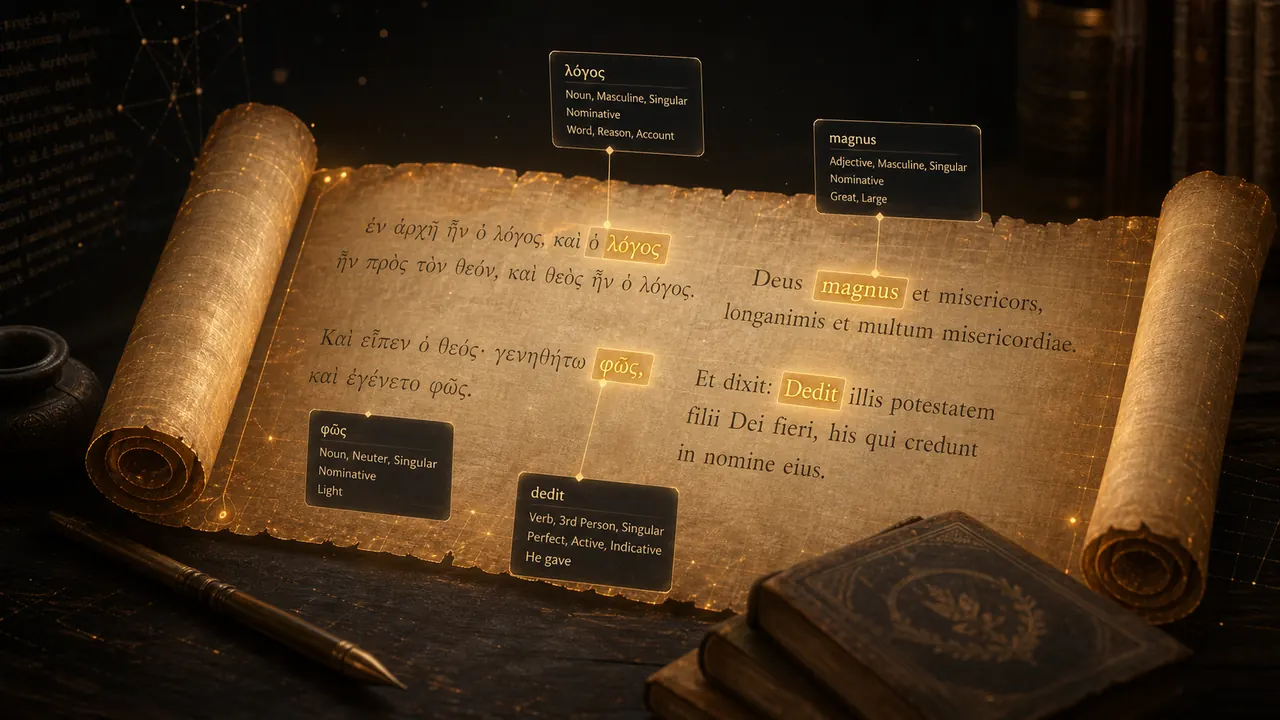
Ancient Library hosts 293 Latin and 767 Greek works across 140 authors — Homer, Plato, Cicero, Euclid, Hippocrates — with click-to-parse functionality on every single word, returning the full lemma, morphological analysis, and dictionary entry from Lewis and Short or LSJ. It's the kind of lovingly assembled classical resource that surfaces on HN every few years and gets immediately bookmarked by everyone who ever took a semester of ancient Greek and then let it quietly lapse.
Relevance 1/10Importance 2/10
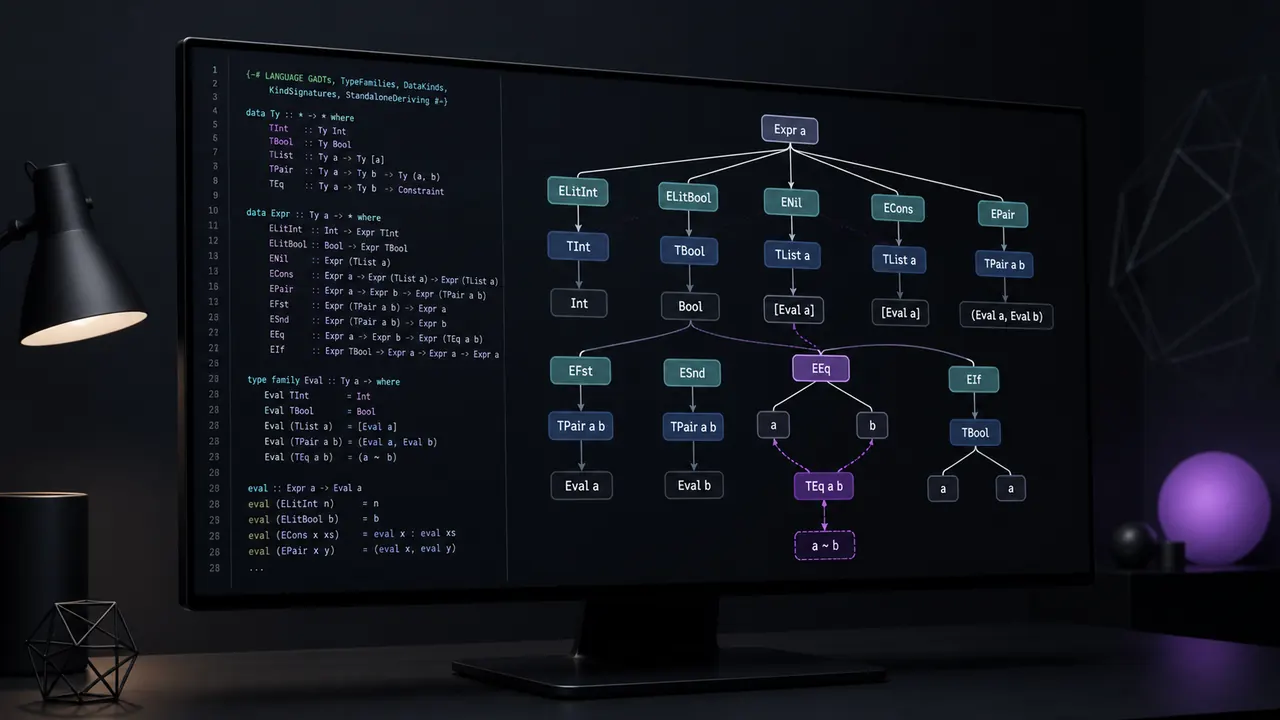
A technical deep-dive into implementing method-level type constraints in OCaml using GADT type equality witnesses, allowing methods like flatten or sum to be callable only when the type parameter satisfies a specific constraint — without forcing that constraint onto the whole class. Three implementation approaches are compared and evaluated side by side. Niche, but genuinely elegant if you care about type systems.

 HN Briefing PM