Relevance 10/10Importance 9/10
Google announced Gemini 3.7 Flash today, calling it their "most intelligent workhorse model yet" for coding and AI agent workflows. The model targets developers building autonomous systems, extending the Flash lineage's emphasis on speed with substantive capability gains. It signals Google doubling down on developer-facing AI infrastructure as the agentic era scales up.
Relevance 10/10Importance 9/10
Cerebras and OpenAI are launching "Ultrafast Mode" for GPT-5.6 Sol, powered by Cerebras's wafer-scale chip architecture that keeps all model weights in on-chip SRAM — eliminating the memory-shuttling bottleneck that makes GPU inference slow. The result is 750 output tokens per second with no quality trade-off, completing a 2,500-question PhD-level benchmark suite in 11 hours versus 78-plus hours for competing frontier systems. The partnership directly challenges the long-held assumption that speed and frontier-model intelligence are fundamentally in tension.
Relevance 9/10Importance 7/10
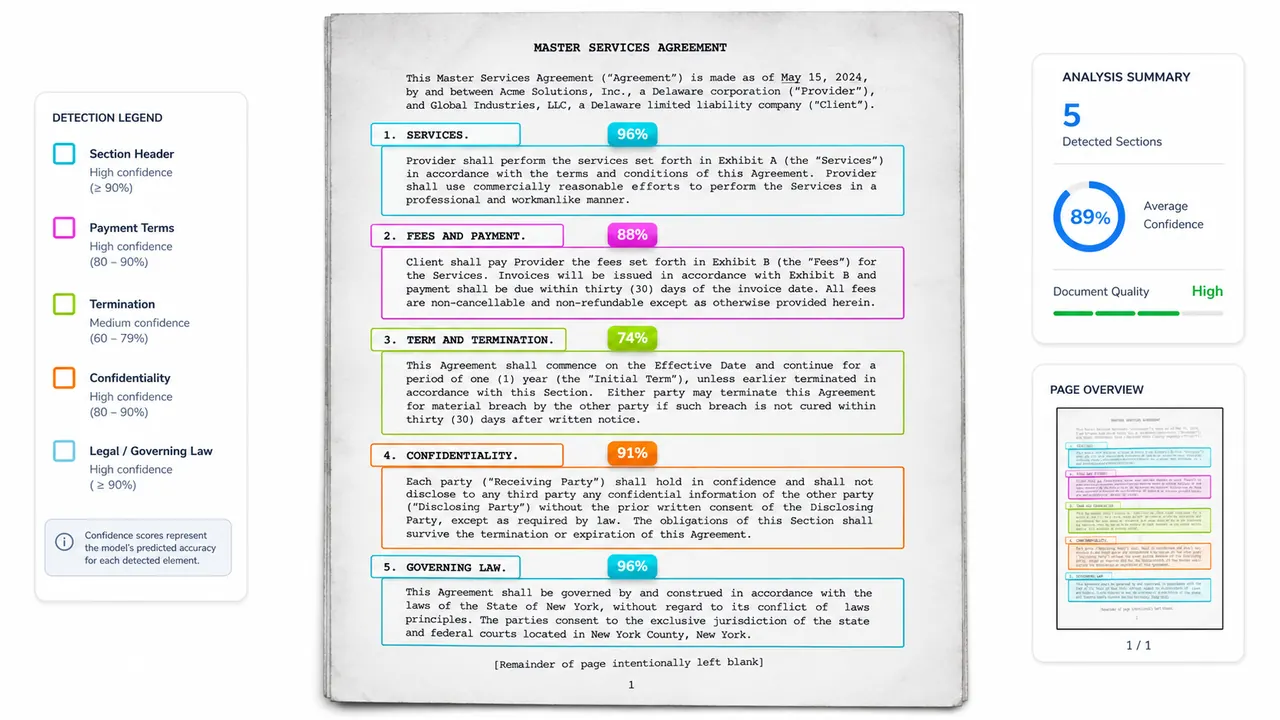
Mistral launched OCR 4.1 into public preview, adding paragraph-level bounding box extraction, structural block labels, and per-block confidence scores to their document AI stack. Priced at 3.50 euros per 1,000 pages, it targets pipelines that need spatial metadata alongside raw text, not just basic character recognition. For European teams with data-sovereignty requirements, this is a competitive production-grade option.
Relevance 9/10Importance 7/10
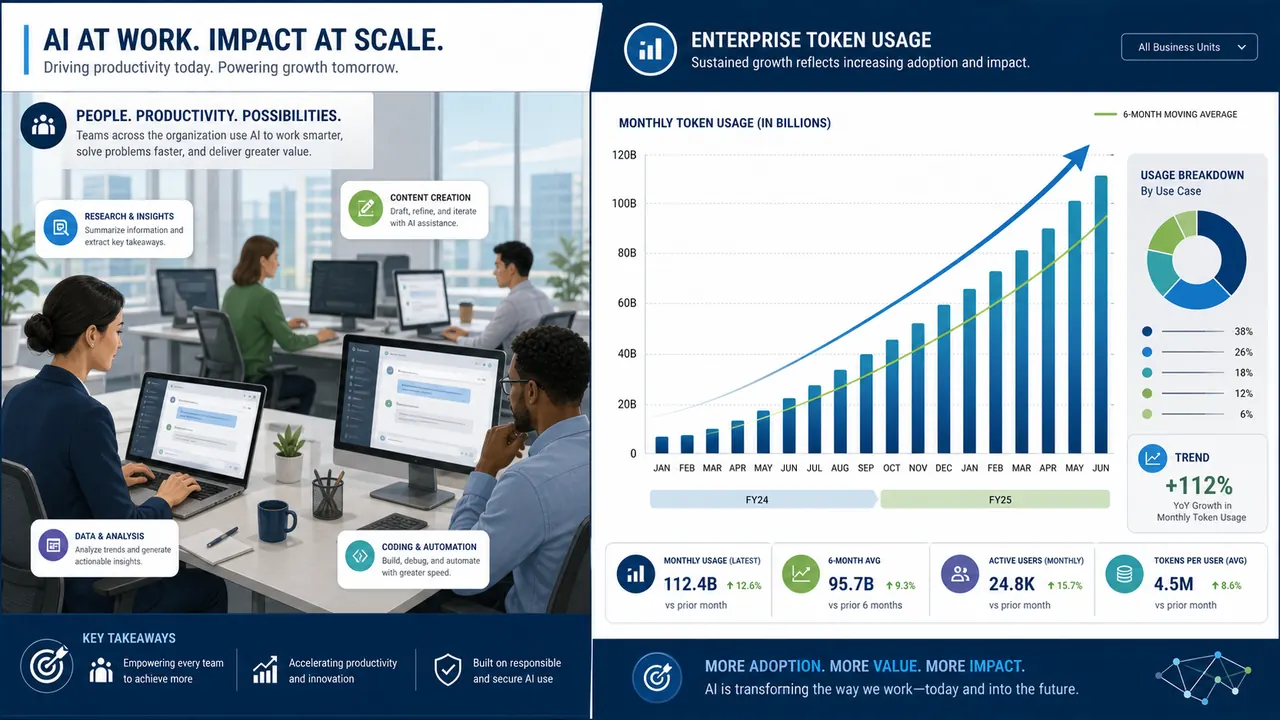
OpenAI published a research paper documenting how enterprises actually deploy ChatGPT, with output tokens produced by ChatGPT Enterprise customers growing roughly sevenfold between June 2025 and March 2026. AI search has emerged as the dominant use case, with coding, analysis, and document workflows close behind. It is one of the most substantive public datasets on the pace and shape of enterprise AI adoption to date.
Relevance 8/10Importance 6/10
Geoffrey Litt argues that as AI agents take over code generation, human comprehension — not writing speed — has quietly become the critical constraint on software projects. He proposes three techniques for keeping developers genuinely in the loop: code explainer docs with interactive visualizations, debugging micro-world environments, and collaborative shared spaces for building team mental models. The piece reframes the next wave of developer tooling as optimizing for understanding, not output volume.
Relevance 3/10Importance 8/10
Security researcher xoreaxeaxeax published a proof-of-concept attack against AMD Family 16h processors that bypasses all memory protection by flipping a single bit in the DRAM controller's address translation layer. The attack exploits a fundamental mismatch: memory guards like page tables and SMRAM locks operate on physical addresses, not DRAM coordinates, so scrambling the address-to-DRAM mapping at the controller level walks right around every fence above it. Demonstrated exploits include reading PSP firmware, cryptographic routines, and CPU microcode patches.
Relevance 5/10Importance 5/10
Dan McKinley's 2015 essay on strategic restraint in technology choices is front-paging on HN again, resonating hard in the current era of AI tool proliferation. The core argument: companies have a finite budget of "innovation tokens," and burning them on infrastructure novelty instead of product is a losing trade. With every startup now picking from a crowded menu of LLM providers, vector databases, and agent orchestration frameworks, the 11-year-old piece reads as current as ever.
Relevance 3/10Importance 3/10
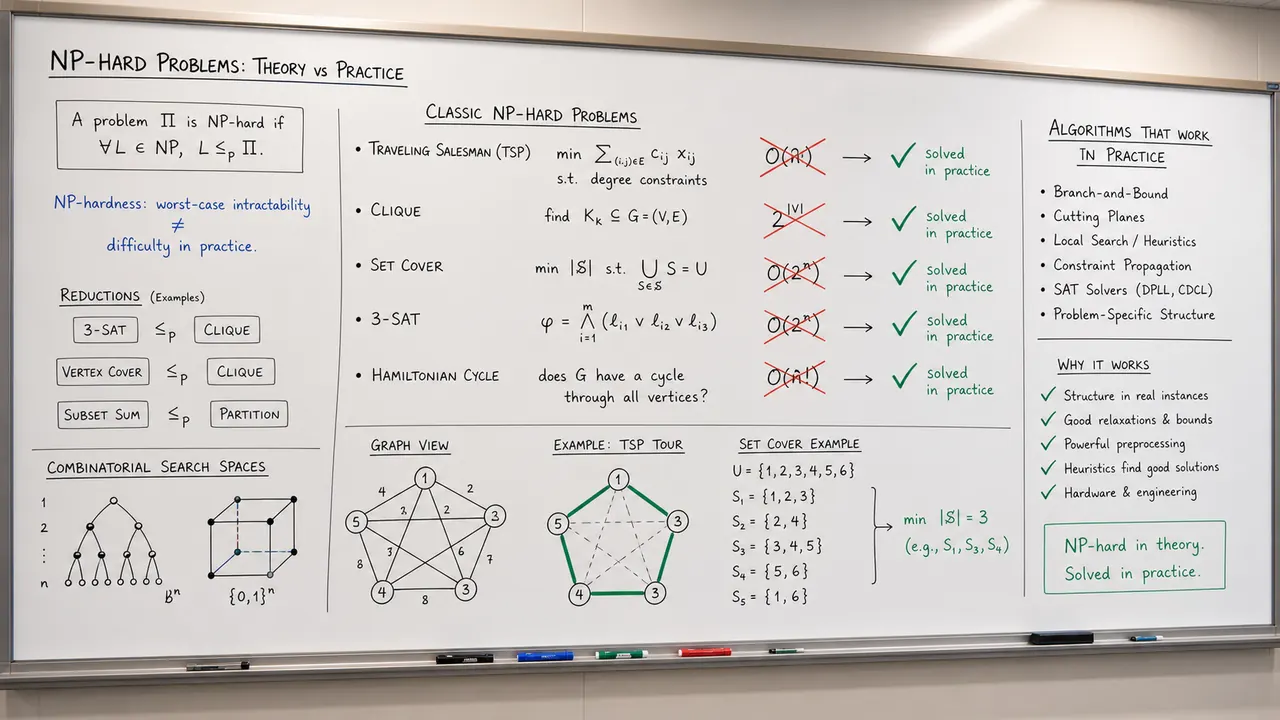
A post published today argues that NP-hardness is widely overstated as a practical obstacle — real-world inputs rarely hit worst-case complexity, and modern solvers handle scheduling, dependency resolution, and SAT queries at massive scale. Amazon reportedly processes a billion SMT queries per day, and algorithmic efficiency improved 450 billion-fold between 1991 and 2015. The case is simple: NP-hardness should not be a conversation-stopper for working engineers.
Relevance 2/10Importance 3/10
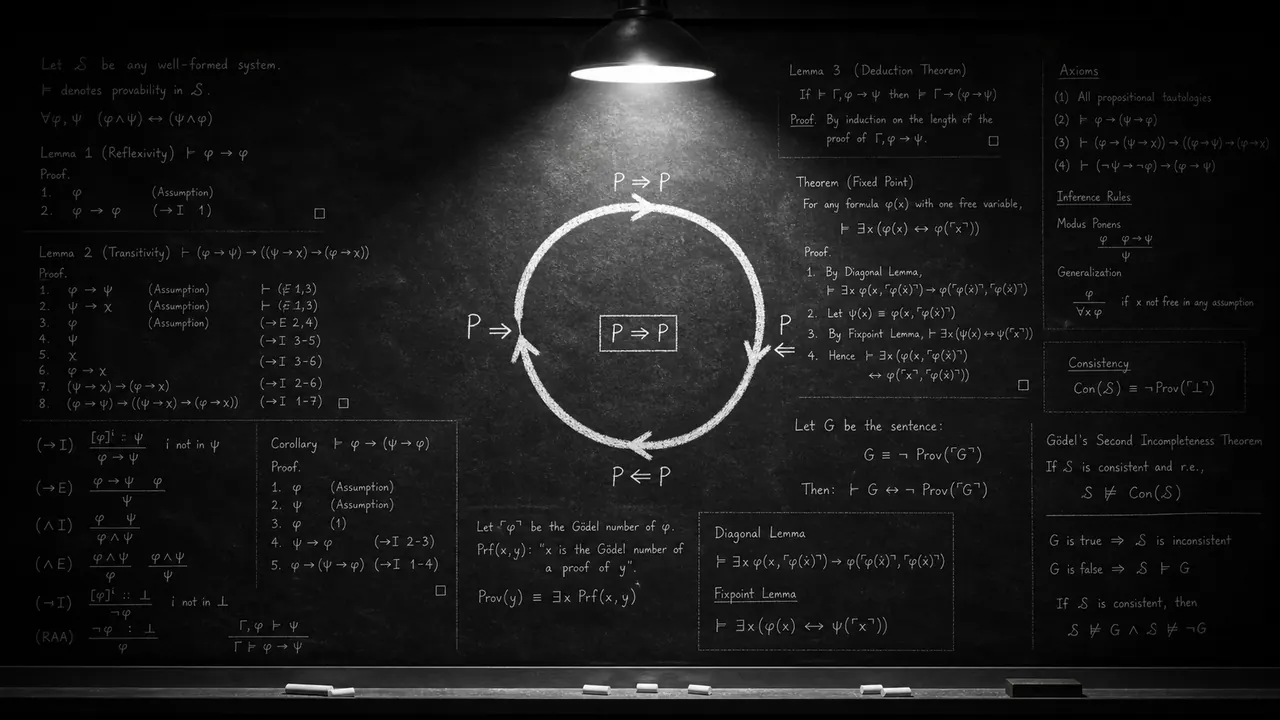
Quanta Magazine's 2020 explainer on Gödel's incompleteness theorems has resurfaced on HN, walking through Gödel numbering, the arithmetization of metamathematics, and the self-referential construction that produces a statement that is true but provably unprovable within any consistent formal system. It is one of the clearest lay explanations of a result with profound implications for the foundations of mathematics and formal logic. The periodic re-emergence of this piece on HN suggests the community has a standing fascination with the hard limits of formal systems.
Relevance 1/10Importance 2/10
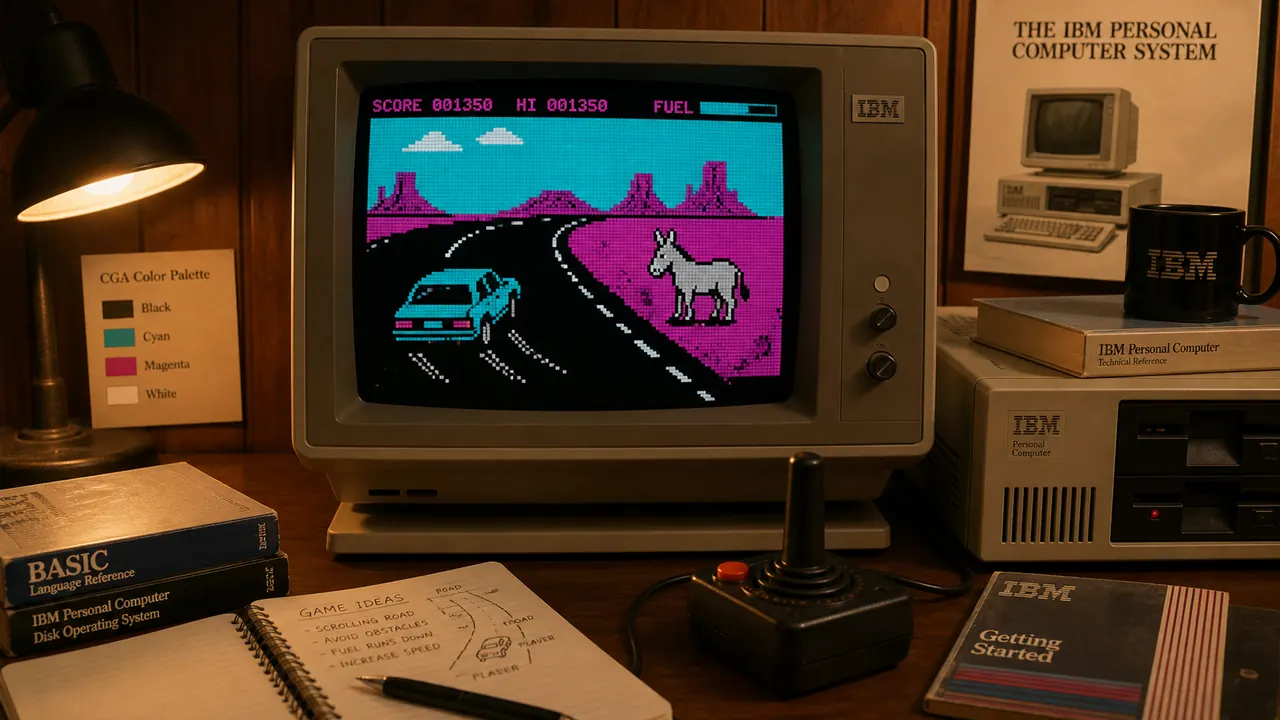
Donkey.BAS, the 131-line BASIC program Bill Gates and Neil Konzen wrote in 1981 to ship with early IBM PC DOS as a color graphics demo, turns 45 today, and someone built a faithful JavaScript recreation in the browser. CRT filter, sound toggle, and fullscreen mode all included — the same lane-switching donkey-avoidance gameplay preserved intact. A pure nostalgia trip and a reminder that the entire personal computing revolution started with a car, a donkey, and 131 lines of code.

 HN Briefing PM