Relevance 10/10Importance 10/10
OpenAI revealed "Jalapeño," its first custom inference processor developed with Broadcom, designed to cut its dependence on Nvidia GPUs and lower the cost of running models at scale. The company claims significantly better performance-per-watt than current state-of-the-art alternatives. Owning the silicon-to-deployment stack could reshape the economics of large-scale AI services.
Relevance 10/10Importance 9/10
Qualcomm is acquiring Modular, the AI infrastructure startup behind the Mojo language and the MAX inference platform founded by ex-Google and Swift creator Chris Lattner. The deal pulls a high-profile AI compiler-and-runtime team into Qualcomm's push to compete in AI hardware and software. It's another sign that the chip giants want to own the full AI software stack, not just the silicon.
Relevance 9/10Importance 8/10
PostHog replaced its ANTLR-generated C++ SQL parser with a hand-rolled Rust implementation that ran hundreds of times faster on production queries, validated through property-based testing and coverage-guided fuzzing. The striking part: Claude Opus wrote essentially all 16,000 lines of parser code while the engineer steered test generation and prompting. It's a concrete look at what AI-driven engineering on a real production component actually looks like.
Relevance 9/10Importance 7/10
The Economist reports that leading AI labs are recruiting philosophers to wrestle with questions that engineering alone can't answer — model alignment, the nature of agency, moral reasoning, and how to define and measure values in systems. As models grow more capable, the fuzzy questions about what they should do are becoming business-critical. It's a sign the frontier labs see ethics and epistemology as core R&D, not PR.
Relevance 8/10Importance 8/10
Greptile argues that AI has driven the cost of opening a pull request toward zero, flooding open-source projects with low-quality submissions the way cheap sending once flooded inboxes. The proposed fix mirrors email's history: identity and reputation systems — like Mitchell Hashimoto's Vouch — that stratify contributions by who you are and your track record. Expect a future where your contribution history determines whether a maintainer even looks at your PR.
Relevance 7/10Importance 7/10
GitHub rolled out limits capping how many open PRs a user without write access can have in a repo, after PR volume surged 3.6x since 2023 and buried maintainers. The cap applies to everyone, including AI agents, and nudges contributors to prioritize before submitting. It's a direct platform-level response to the same AI-generated-noise problem the Greptile piece diagnoses.
Relevance 6/10Importance 6/10
This essay reframes "stealing" as the deliberate practice of fully recreating work you admire to truly understand it, then making small intentional changes that reflect your own values — the author's "3% approach." Originality, it argues, comes from knowing what's worth adapting, why, and how much to borrow. It's a builder's-mindset piece that resonates with how a lot of startup and side-project work actually happens.
Relevance 5/10Importance 6/10
The post lays out a Docker Compose plus HAProxy setup that achieves zero-downtime rolling deploys without reaching for Kubernetes. HAProxy's redispatch and layered health checks automatically retry failed requests against healthy backends, so no traffic drops while containers cycle. It's a pragmatic reminder that plenty of teams don't need the full K8s tax to ship reliably.
Relevance 5/10Importance 4/10
LookAway is a native Mac app that fights eye strain by nudging you to take breaks, but with the smarts to wait for the right moment and warn you first. It automatically holds off during screen recordings, video calls, fullscreen gaming, and Focus modes. A small, polished indie utility that nails the unglamorous detail most break apps get wrong.
Relevance 3/10Importance 5/10
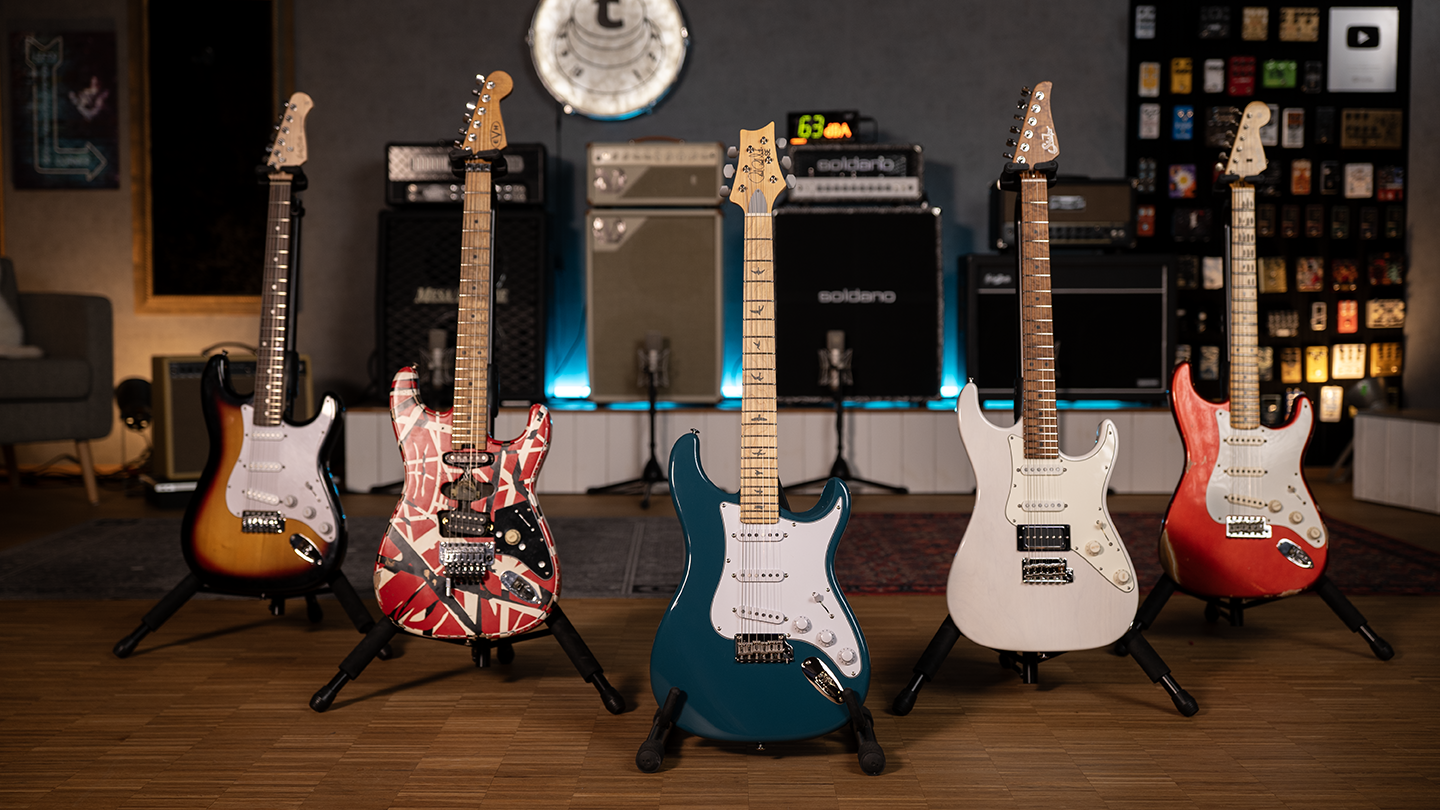
European retailer Thomann is challenging Fender's copyright claims over the Stratocaster body shape, after Fender won a default judgment against a Chinese maker and started sending cease-and-desist orders to EU dealers. Thomann argues the iconic form should stay in the public domain so others can keep building S-style guitars. It's an IP-and-design fight with real implications for who gets to own a foundational shape.

 HN Briefing PM