Relevance 10/10Importance 7/10
Ornith-1.0 is a new open-source model family for agentic coding, spanning 9B to 397B parameters and built on Gemma and Qwen foundations. It claims state-of-the-art results on SWE-Bench and Terminal-Bench 2.1 by using reinforcement learning to jointly optimize both the search scaffold and the solution rollouts. The pitch: the model learns to discover better search trajectories and generate higher-quality fixes, not just better answers.
Relevance 9/10Importance 7/10
The author argues Qwen 3.6 27B is the first local model that genuinely works as a general-purpose assistant on consumer hardware, rivaling frontier models. While the 35B variant runs faster, they prefer the 27B for higher-quality output despite the slower speed. The post walks through real use cases from creative writing to web dev, plus a llama.cpp setup guide.
Relevance 7/10Importance 9/10
Rocket Lab is buying satellite operator Iridium for roughly $8 billion, $54 per share in a half-cash, half-stock deal, a 24% premium, with closing expected in mid-2027. The deal hands Rocket Lab Iridium's 66-satellite low-Earth-orbit network, globally licensed L-band spectrum, and more than 2.55 million government, defense, aviation, and maritime subscribers. The clear strategic aim is to become a vertically integrated space company that can take on SpaceX and Starlink.
Relevance 9/10Importance 6/10
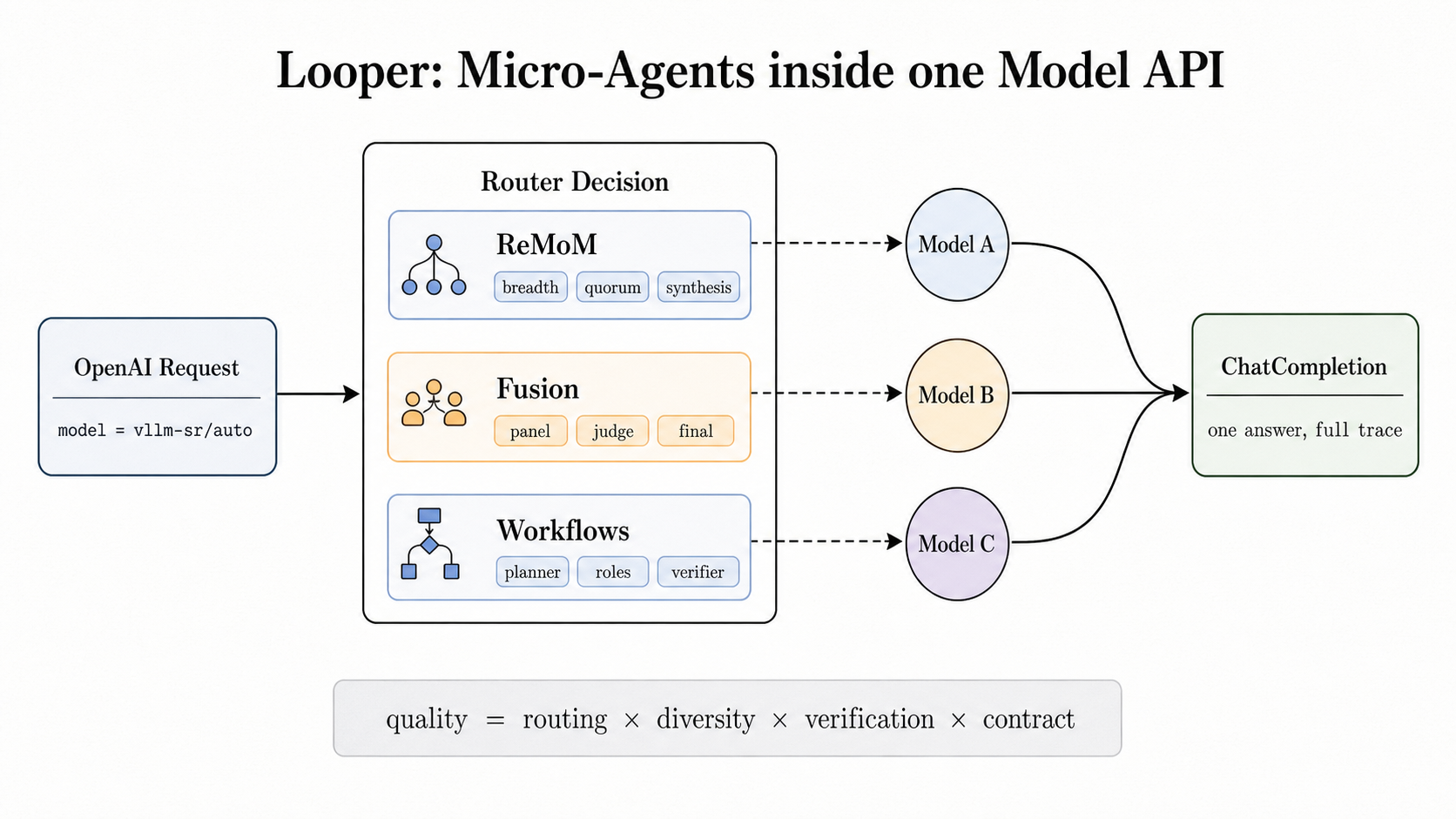
vLLM's Micro-Agent moves multi-model collaboration into the serving layer, so apps get stronger results without building their own agent orchestration. A "looper" runtime runs patterns like confidence escalation, parallel ratings, synthesis, and disagreement analysis, all behind a single API surface. Their scorecard shows 92.6 on LiveCodeBench and 96.0 on GPQA-Diamond, matching or beating individual frontier calls.
Relevance 5/10Importance 9/10
In a 6-3 ruling in Chatrie v. United States, the Supreme Court held that geofence warrants, which ask companies like Google to identify every user in an area at a given time, count as a "search" under the Fourth Amendment. Justice Kagan wrote for the majority; the case was remanded to determine whether this particular search was "reasonable." Justice Alito's dissent warned the decision could "unleash" upheaval in Fourth Amendment law, with major implications for how tech platforms handle law-enforcement data requests.
Relevance 5/10Importance 5/10
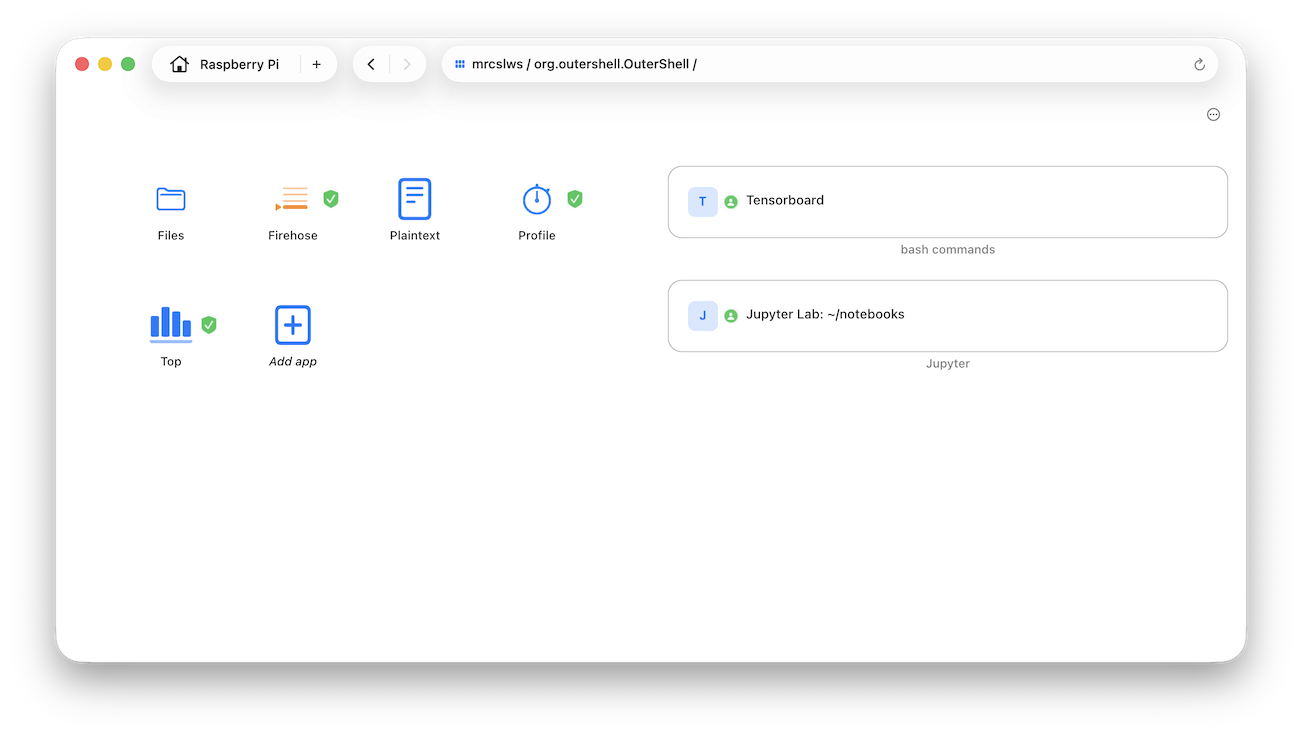
Marcus Lewis proposes a graphical "shell" for remote machines where apps run as tiny HTTP servers over Unix domain sockets, with SSH handling all the encryption. Because each app skips encryption, it can be dependency-free, and apps can discover and talk to each other through a shared API, like a text editor opening files from another app. It's a vision of browsing your servers through native graphical apps instead of a terminal.
Relevance 4/10Importance 5/10
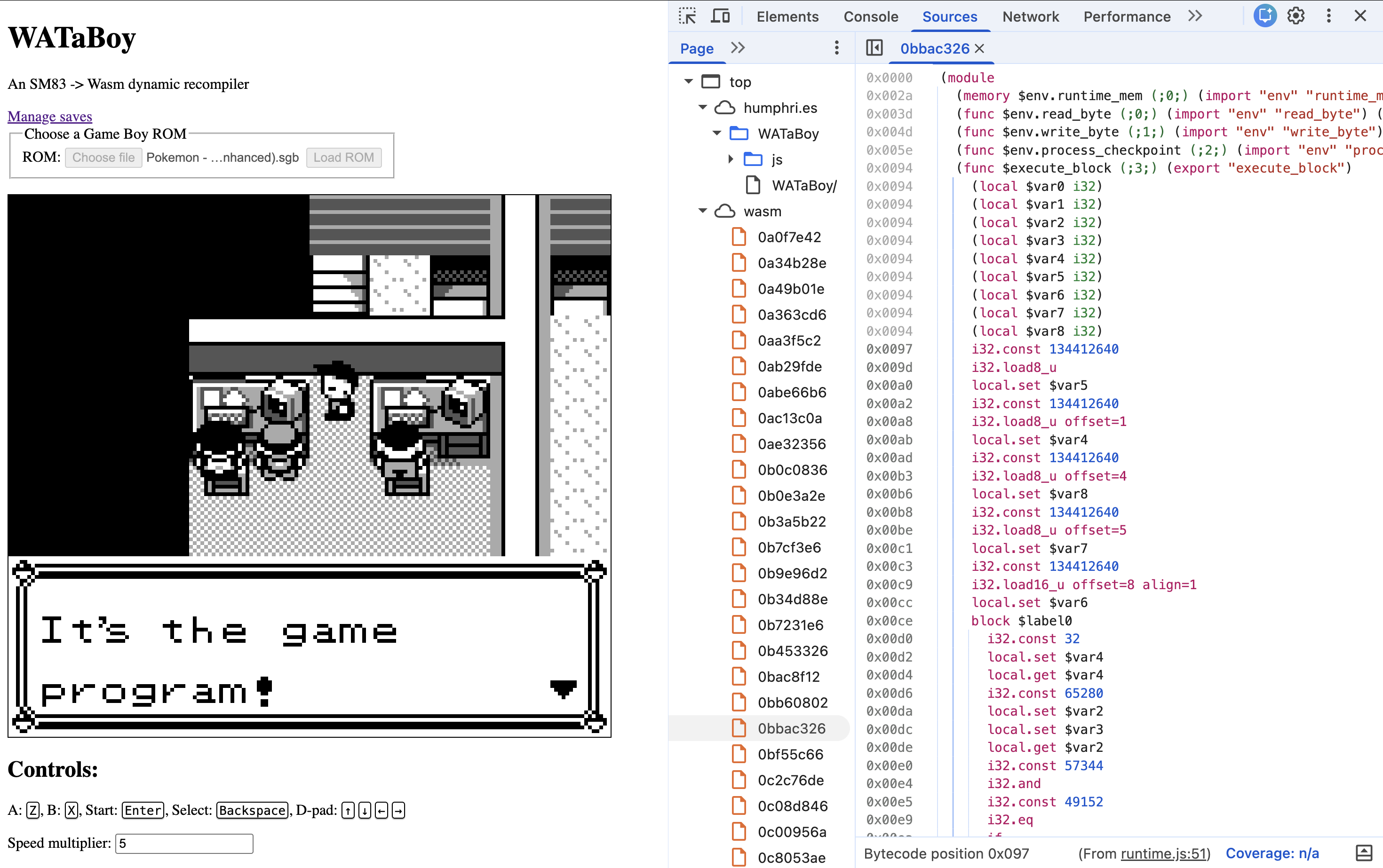
WATaBoy is a Game Boy emulator that JIT-compiles instructions into WebAssembly bytecode at runtime, letting the browser engine optimize it to native code. On Pokémon Blue it ran about 1.2x faster than the interpreter running natively, despite the extra layer of indirection. It's a clever workaround for locked-down platforms like iOS where direct JIT compilation is banned.
Relevance 4/10Importance 5/10
JumpServer is an open-source PAM platform that gives DevOps and IT teams secure, on-demand browser access to SSH, RDP, Kubernetes, database, and RemoteApp endpoints. It acts as a centralized bastion host with full auditing across infrastructure. Its components include a web UI, terminal interface, and a set of protocol connectors for different system types.
Relevance 4/10Importance 4/10
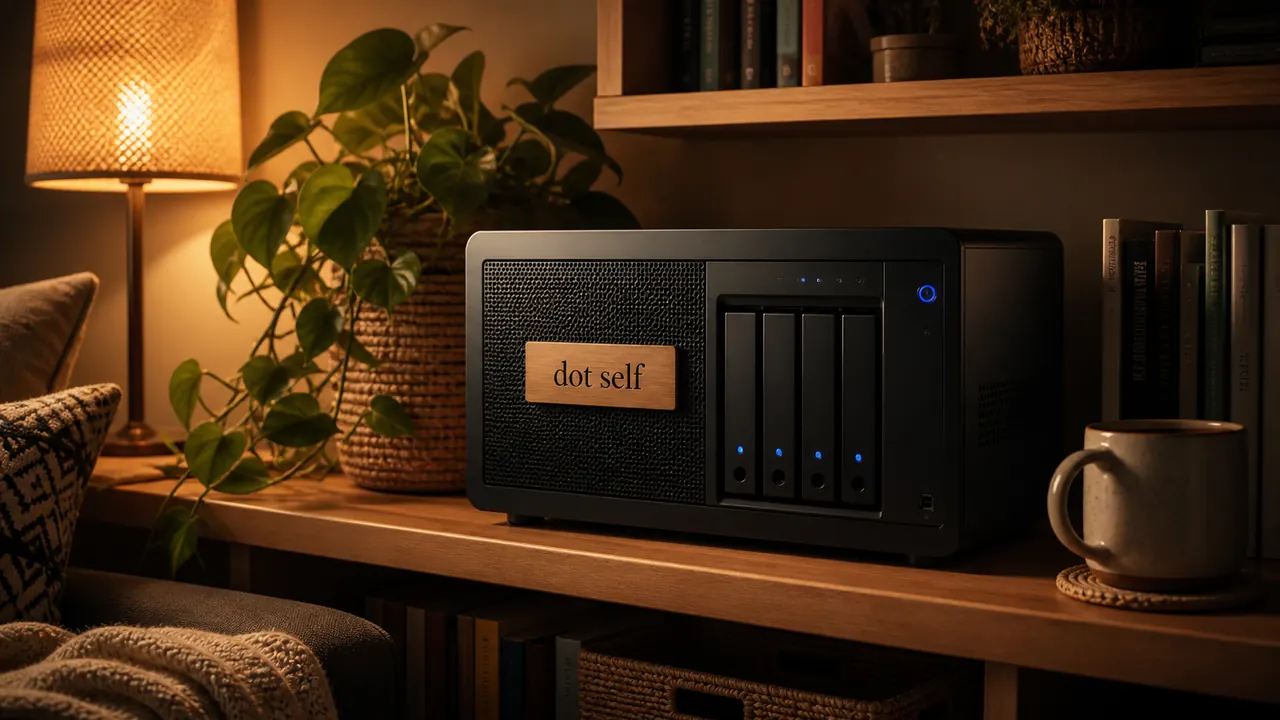
A group called HCCF is pitching a new ".self" top-level domain aimed squarely at people who want to self-host and own their digital identity. The framing is "reclaiming our digital selves" with a human-centered, self-hosting-friendly namespace. It's early and aspirational, landing amid this year's broader ICANN new-gTLD application round.
Relevance 2/10Importance 3/10
Lucas Sifoni custom-built "Wallace," a 153mm f/2.8 ultra-wide-field telescope, for deep-sky observing, then hauled it up to a clifftop site and documented the whole adventure. The write-up digs into the mirror figuring, the optical corrector, and a 3D-printed build inspired by the classic Coulter CT-100. Best of all, the design files are freely available for anyone who wants to build their own.

 HN Briefing PM