Relevance 9/10Importance 9/10
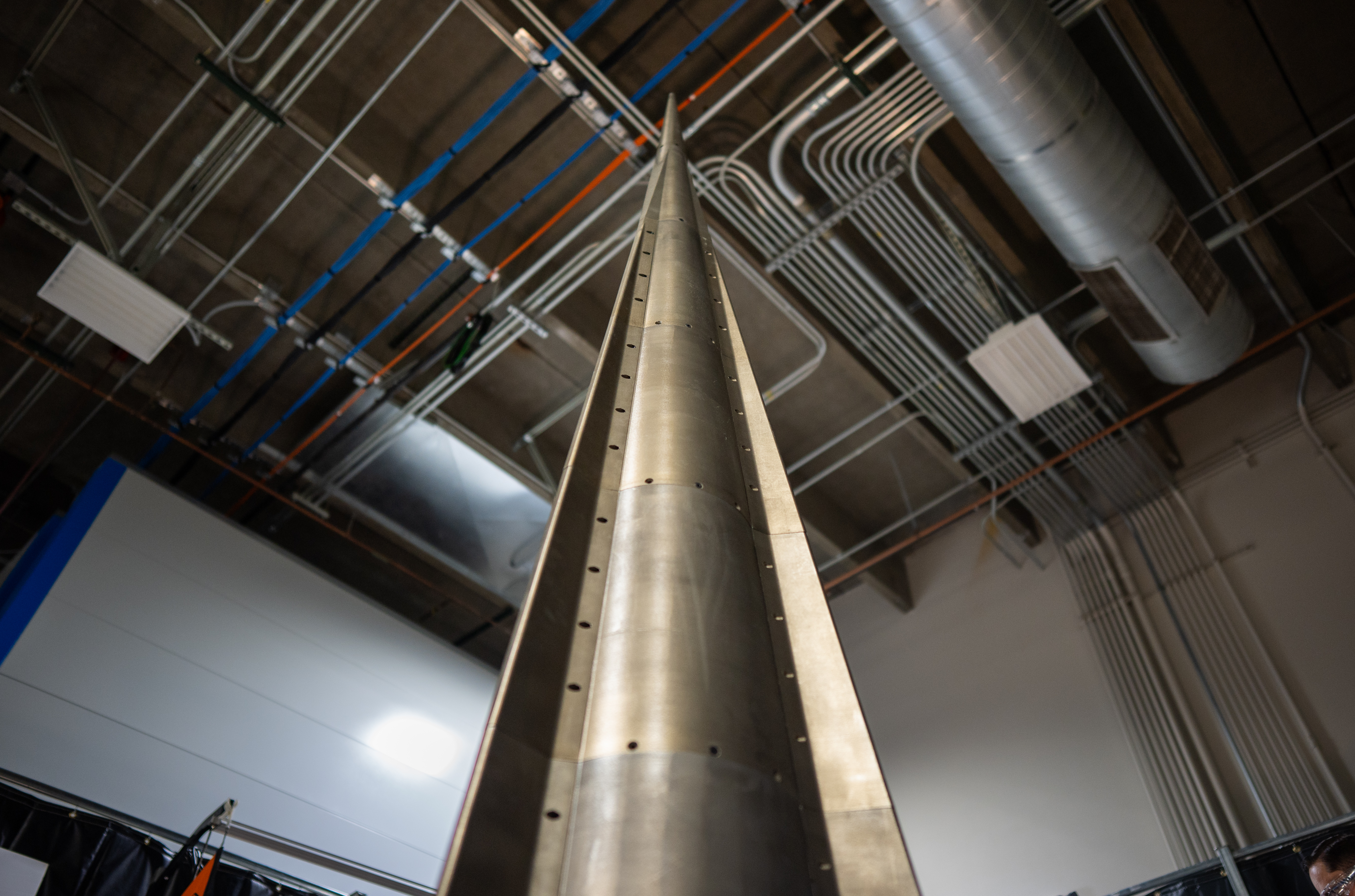
The National Nuclear Security Administration today announced Aires Tide, a proof-of-concept flight test vehicle designed using AI, high-performance computing, and additive manufacturing — the first tangible demonstration of the Genesis Mission. Researchers used AI tools and NNSA's Venado and El Capitan supercomputers to design the vehicle's shape, structure, and thermal handling, compressing a roughly two-year process into five months, with two successful flight tests already conducted in May at Dugway Proving Ground. It's a marquee example of frontier compute moving from chatbots into hard national-security engineering.
Relevance 9/10Importance 9/10
AlphaFold creator and 2024 Nobel chemistry laureate John Jumper is leaving Google DeepMind after nearly nine years to join Anthropic, a fresh blow landing days after transformer co-author Noam Shazeer's defection to OpenAI. Alphabet suffered its worst trading day in over a year on the news, shares sliding roughly 5-7% and erasing around $264 billion in market value. This is a distinct development from the earlier Shazeer story — two elite researchers gone in a single week, and Wall Street is reading it as an intensifying talent war.
Relevance 9/10Importance 8/10
OpenAI published a case study today on how GPT-5 Pro helped immunologist Derya Unutmaz resolve a puzzle that had stumped his lab since 2022 about how glucose affects T cell development. The model suggested deoxyglucose was interfering with the construction of the protein IL-2, and when asked to simulate a prior lymphoma experiment it correctly predicted a boost in CD8+ cells' ability to kill cancer cells. It's the latest data point in AI shifting from summarizer to genuine hypothesis-generator in the lab.
Relevance 8/10Importance 9/10
Qualcomm is in talks to acquire AI chip startup Tenstorrent — founded by legendary architect Jim Keller — for between $8 billion and $10 billion, a RISC-V bet aimed squarely at Nvidia's blind spot. The timing matters: Qualcomm's Investor Day is today, June 24, where analysts expect data-center revenue targets and the company could fill in its inference roadmap around the AI200 and AI250 chips. QCOM shares jumped about 4% this week as investors positioned for both the event and a potential deal confirmation.
Relevance 8/10Importance 8/10
Meta and EssilorLuxottica launched Meta Glasses on June 23, a $299 line that's the company's cheapest AI eyewear yet and the first to ship with Meta AI powered by the Muse Spark model from day one. The line comes in 26 style combinations across three frames, supports prescription lenses and 14 new live-translation languages, and went on sale in the US, Canada, UK, and several European markets. By undercutting the second-gen Ray-Ban Meta line by about $80, Meta is pushing AI glasses toward the mainstream.
Relevance 9/10Importance 7/10
xAI launched /goal inside Grok Build, a long-running autonomous mode that takes a high-level objective, breaks it into a checklist, and runs multiple subagents for planning, implementation, and verification until the task is completed and tested. It adds status, pause, resume, and clear controls for steering the agent, and is available now to SuperGrok and X Premium Plus subscribers. It's xAI planting a flag in the agentic-coding fight alongside Claude Code and OpenAI's Codex.
Relevance 8/10Importance 8/10
A fresh Gartner forecast pegs purpose-built AI agent software at $206.5 billion in 2026, up roughly 139% from $86.4 billion in 2025, then climbing to $376.3 billion in 2027. That's nearly triple the growth rate of the overall AI market, making agents the fastest-growing slice of enterprise software spend. The catch: only about 17% of organizations have actually deployed agents so far, though over 60% say they expect to within two years.
Relevance 8/10Importance 7/10
xAI released a free Microsoft 365 add-in that puts Grok inside PowerPoint, generating full multi-slide decks from prompts, pulling live research from web and X searches, applying themes, and producing charts and images. PowerPoint is the first Office app to go live, with Word and Excel integrations expected to follow, though users need a SuperGrok, Grok Business, or Enterprise plan to actually use it. It's Musk's latest move to turn Grok into an Office-productivity competitor, not just a chatbot.
Relevance 7/10Importance 7/10
Brazilian newspaper Folha de S.Paulo and sister portal UOL signed a commercial agreement with OpenAI, ending the copyright suit Folha filed back in August 2025 and marking the first clear conversion of an AI lawsuit into a license in the country. Their Portuguese-language real-time news will now surface in ChatGPT as summaries with links back to the source, and the publishers gain Codex, ChatGPT Enterprise, and API access. With Brazil one of ChatGPT's largest markets at 50 million-plus monthly users, it's a template for the sue-then-settle path many publishers are taking.
Relevance 7/10Importance 7/10
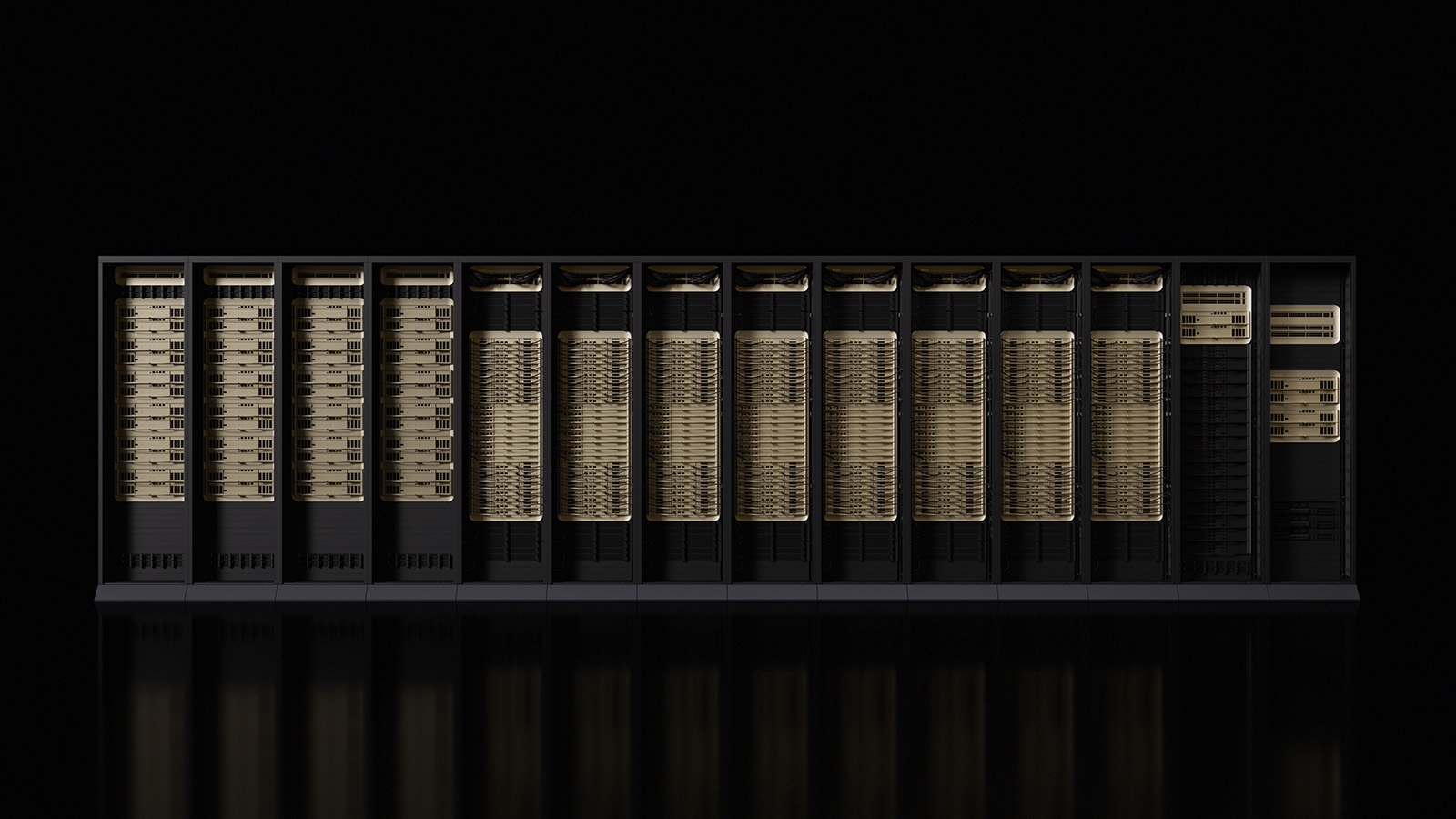
New figures circulating today peg Nvidia's next-gen Vera Rubin-based VR200 NVL72 rack at roughly $7.8 million per unit for hyperscalers — nearly double the about $4 million price of the prior GB300 generation. AWS, Google Cloud, Microsoft, and OCI are slated among the first to deploy Vera Rubin instances in 2026, with Microsoft folding the racks into future Fairwater superfactory sites. The sticker shock underscores just how steep the capital ramp is getting for the companies bankrolling the AI buildout.