Relevance 9/10Importance 9/10
At Nvidia's annual shareholder meeting Wednesday, CEO Jensen Huang declared the debate over AI returns settled, pointing to GitHub merged pull requests roughly tripling in early 2026 as proof the "useful AI era" has arrived. He pitched the company's first in-house Vera CPU as a new major growth driver alongside Blackwell, and unveiled a policy to return more than half of future free cash flow to shareholders. He also reiterated that if commercial opportunities conflict with US national security, security wins — keeping high-end Blackwell GPUs off-limits to China.
Relevance 8/10Importance 9/10
Despite the bullish annual meeting, Nvidia shares fell about 3.05% Thursday as investors rotated out of high-valuation tech on inflation and Fed jitters. The deeper worry: B200 GPU hourly lease prices have cratered from $6.11 on May 30 to $4.22 by June 21, a sign that surging compute supply and rising competition are pressuring Nvidia's premium margins. Customer self-reliance — OpenAI's own Jalapeño chip among them — is adding to the disintermediation fears.
Relevance 8/10Importance 8/10
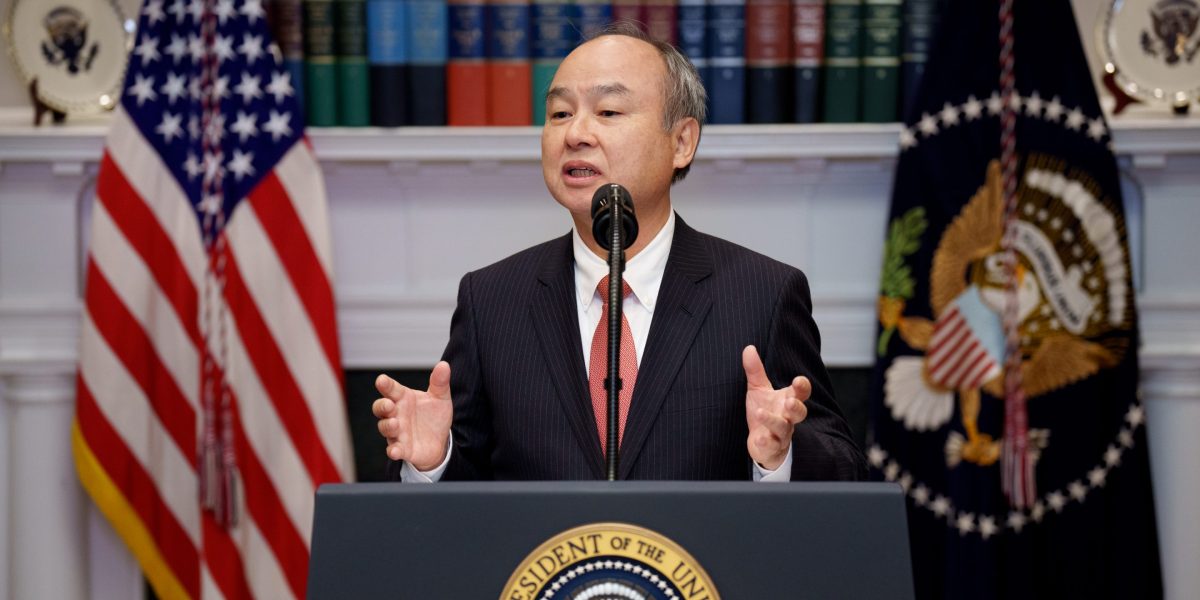
At SoftBank's annual general meeting Thursday, Masayoshi Son flatly rejected AI bubble fears, calling them "an insult" to a revolution that's "just the beginning." He outlined an AI-driven growth plan built on terrestrial data centers, semiconductors, and robotics — and pointedly dismissed Elon Musk's orbital data center concept as too slow and too expensive. Son also scrapped plans to retire in his sixties, saying he intends to lead another 10 to 15 years.
Relevance 8/10Importance 8/10
SpaceX has now signed more than $80 billion in committed compute revenue through 2029 from its Memphis Colossus complex, vaulting a company with no prior cloud business into the ranks of AWS, Azure, and Google Cloud. The tally stacks Anthropic's $1.25B-a-month deal, Google's $920M-a-month arrangement, and Reflection AI's new $6.3B agreement starting July 1. It's a staggering concentration of frontier compute under one roof.
Relevance 8/10Importance 7/10
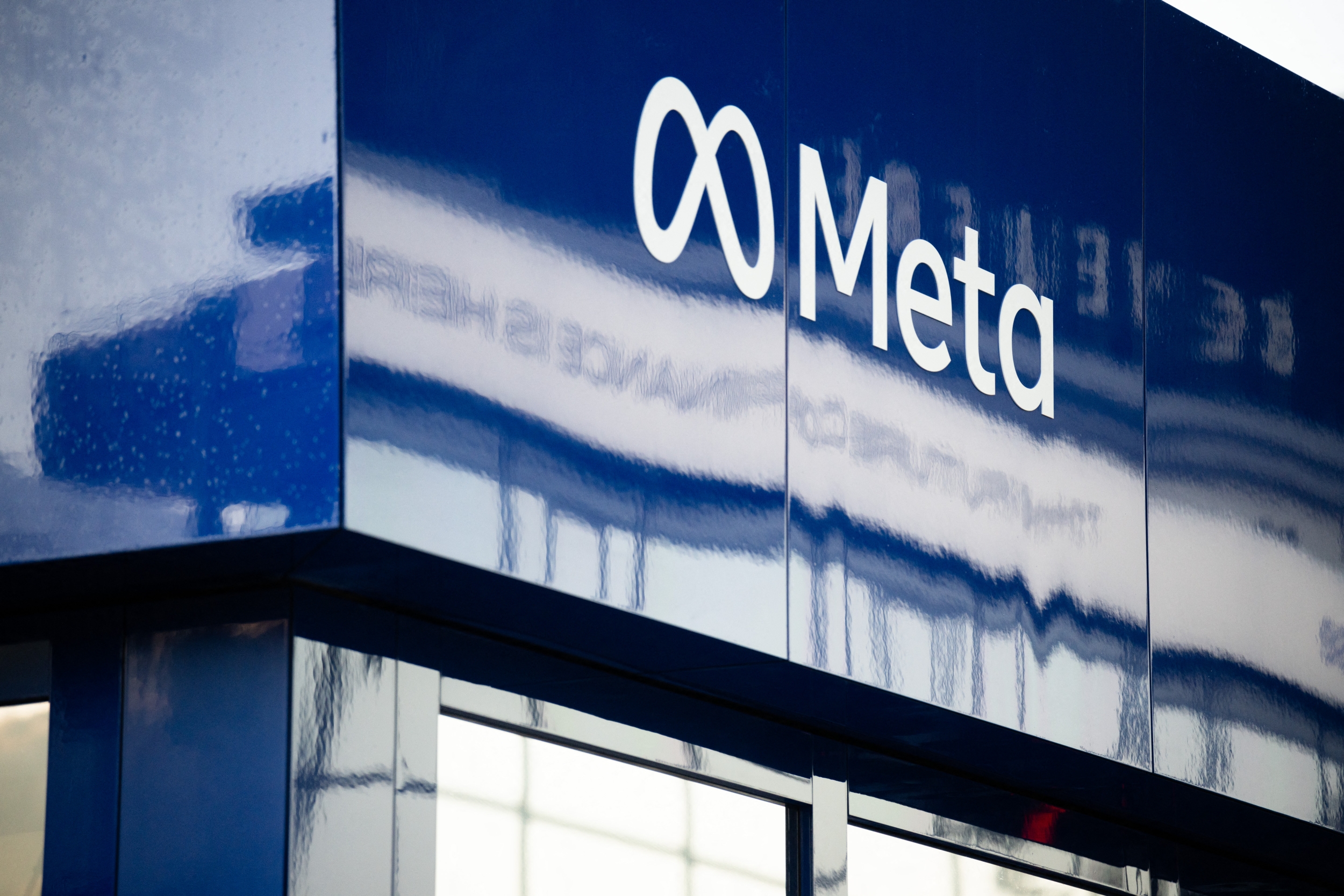
New reporting details that Meta's prediction-market app, codenamed "Antwerp" and "FBForecast," would use Llama not just to generate questions but to resolve markets in near real-time — effectively giving the AI final say over whether an event happened. A fresh Forrester survey published Thursday lands the gut check: 56% of respondents say they don't trust Meta with a prediction-market product. No launch date is set, and insiders say it could still be shelved.
Relevance 7/10Importance 7/10
New York City's Department of Education is finalizing its AI playbook, requiring every AI tool to clear a bias and equity review before entering classrooms serving 1.1 million students. The vetting evaluates training data and tests for disparate outcomes across student demographics, expanding beyond the existing data-privacy screen. It's one of the largest school systems in the country drawing a hard line for edtech vendors.
Relevance 7/10Importance 7/10
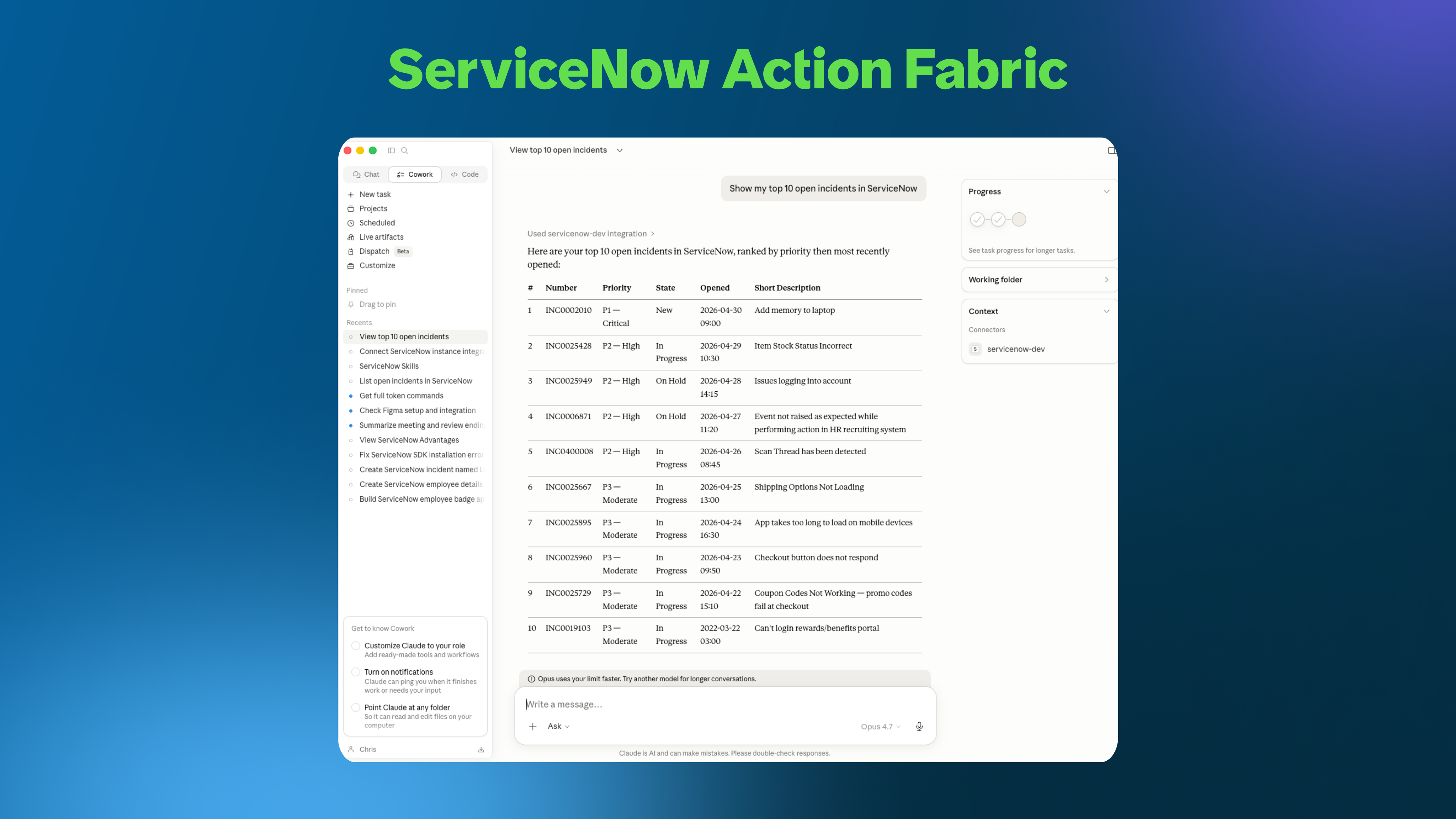
ServiceNow is throwing its platform open to outside agents — whether built on Claude, Copilot, or a customer's homegrown stack — via its new Action Fabric and an MCP server that lets any AI tap secure, governed enterprise actions. Its Autonomous Workforce is expanding through partnerships with AWS, Google Cloud, Microsoft, and Nvidia, with IT specialists arriving this month and security-and-risk agents in preview now. It's a bet on interoperability over lock-in.
Relevance 7/10Importance 6/10
Nvidia rolled out its first physical-AI platform purpose-built for healthcare robotics, with surgical-robot makers including CMR Surgical, Johnson & Johnson MedTech, Moon Surgical, and Rob Surgical signing on as early adopters. It pairs simulation, perception, and on-device intelligence for the operating room — extending the company's "physical AI" push from factory floors into the most safety-critical setting there is.
Relevance 6/10Importance 7/10
Fresh reporting puts Qualcomm in talks to acquire Jim Keller's Tenstorrent for $8–10 billion, a move that would hand it a RISC-V-based AI accelerator portfolio just as it pushes into the data center. The deal would dovetail with Qualcomm's investor-day projection of more than $15 billion in data-center chip sales by 2029, sharpening its challenge to Nvidia from a fresh angle.
Relevance 6/10Importance 6/10
The enterprise-agent land grab is showing real traction: Salesforce says it's now closed 29,000 Agentforce deals worth $800 million in ARR, while Microsoft reports 160,000 organizations running more than 400,000 custom agents in Copilot Studio. The figures suggest agentic AI has moved past pilots into paid, at-scale deployment — even as governance and trust questions keep multiplying.



.png)