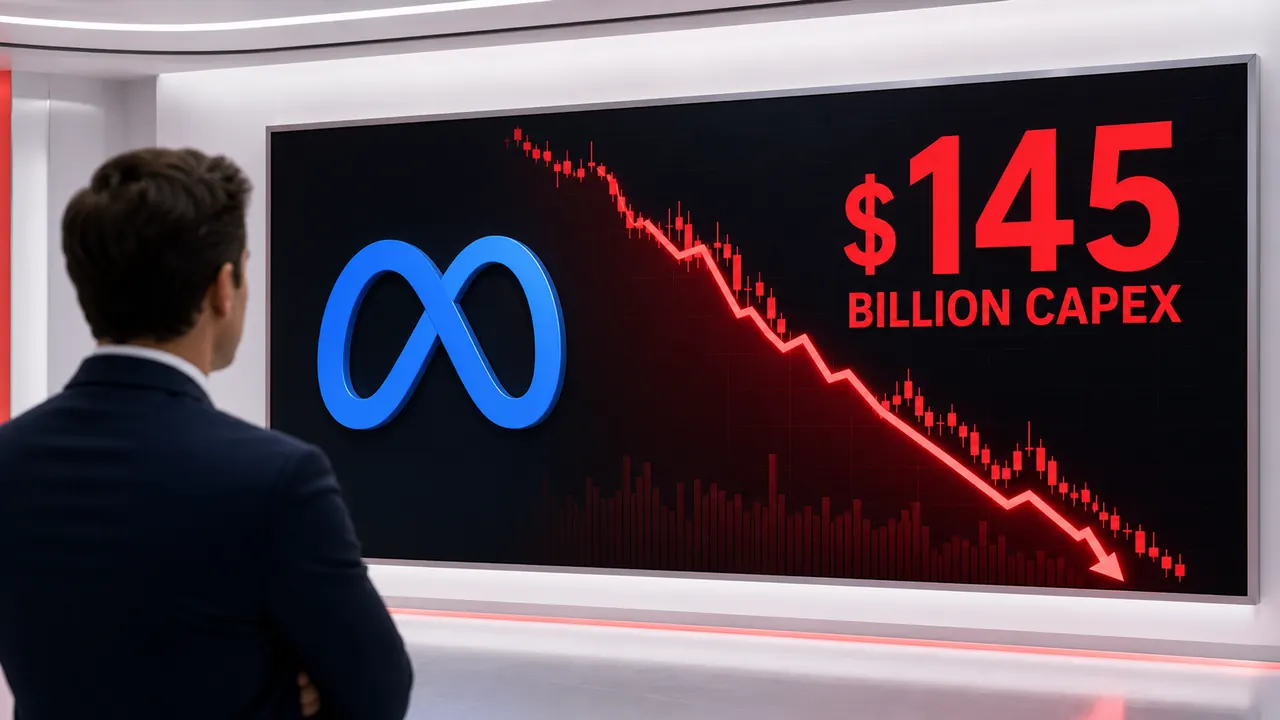
Meta posted Q2 revenue of $60.80 billion (+28% YoY), topping the $60.17 billion estimate, but EPS of $6.18 badly missed the $7.22 consensus. Total costs surged 55% to $42.03 billion — driven by $2.40 billion in legal charges, $1.18 billion in severance, and capital expenditures that more than doubled to $31.1 billion in the quarter alone. Full-year 2026 capex guidance was raised to $130–$145 billion, sending shares down 9.64% after hours to $529.
Microsoft delivered a clean sweep on Q4 FY2026: EPS of $4.74 vs. $4.24 expected, revenue of $90.01 billion vs. $87.63 billion estimated, up 18% YoY. Net income rose to $35.77 billion from $27.23 billion a year ago, boosted by a $3.2 billion unrealized gain on its Anthropic investment — whose IPO roadshow is underway at a $965 billion valuation. Shares jumped 8% in extended trading, making Microsoft the clearest winner of earnings season so far.
A sweeping rout in semiconductor stocks wiped more than $1 trillion in market value worldwide on July 29. Samsung fell 13.4% — its worst single session in roughly 20 years — SK Hynix dropped 14.7%, and South Korea's Kospi closed down 10.8%. Japanese chipmaker Kioxia slid 18.3% and MediaTek fell ~10%, as investors questioned whether near-term AI revenues justify the record capex commitments being telegraphed by hyperscalers.
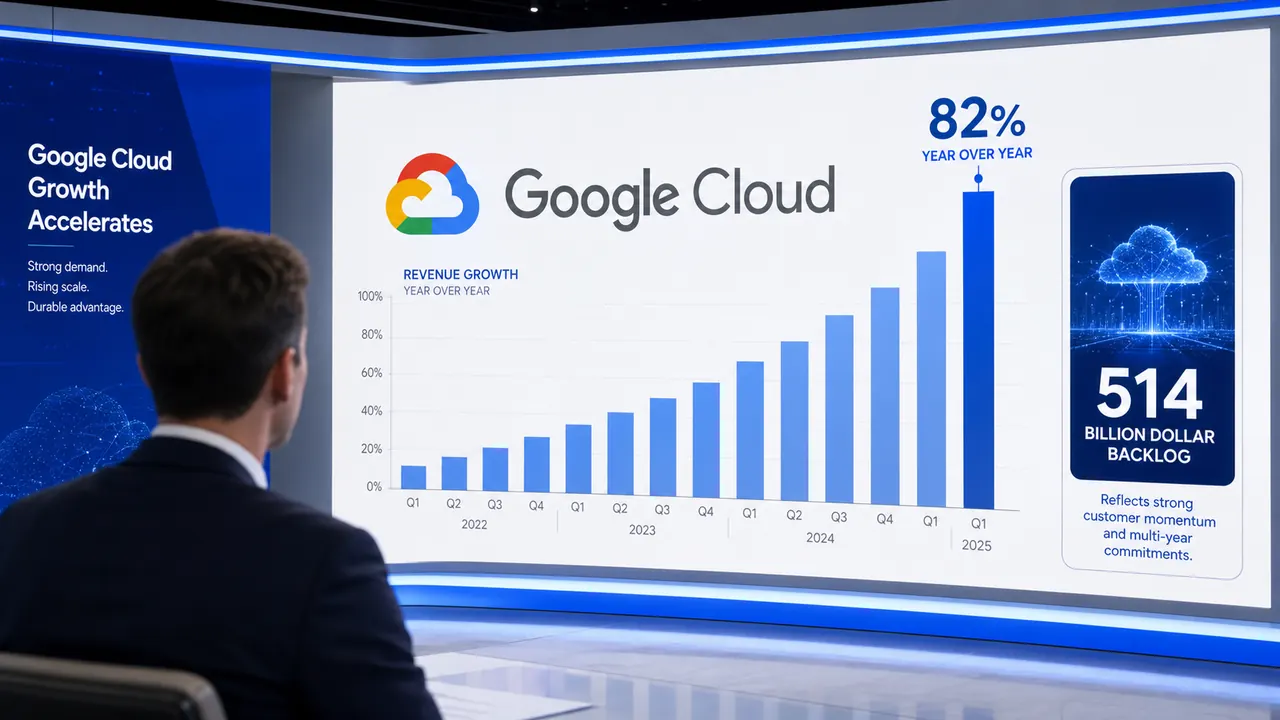
Alphabet crushed Q2 estimates with revenue of $119.8 billion (+24% YoY) and EPS of $9.11 vs. $2.87 expected. Google Cloud was the standout, surging 82% to $24.8 billion with operating income jumping to $8.8 billion from $2.8 billion a year ago and a $514 billion backlog. The stock initially dipped as Alphabet raised full-year 2026 capex guidance to as high as $205 billion, adding to investor anxiety about the industry-wide AI infrastructure spending race.
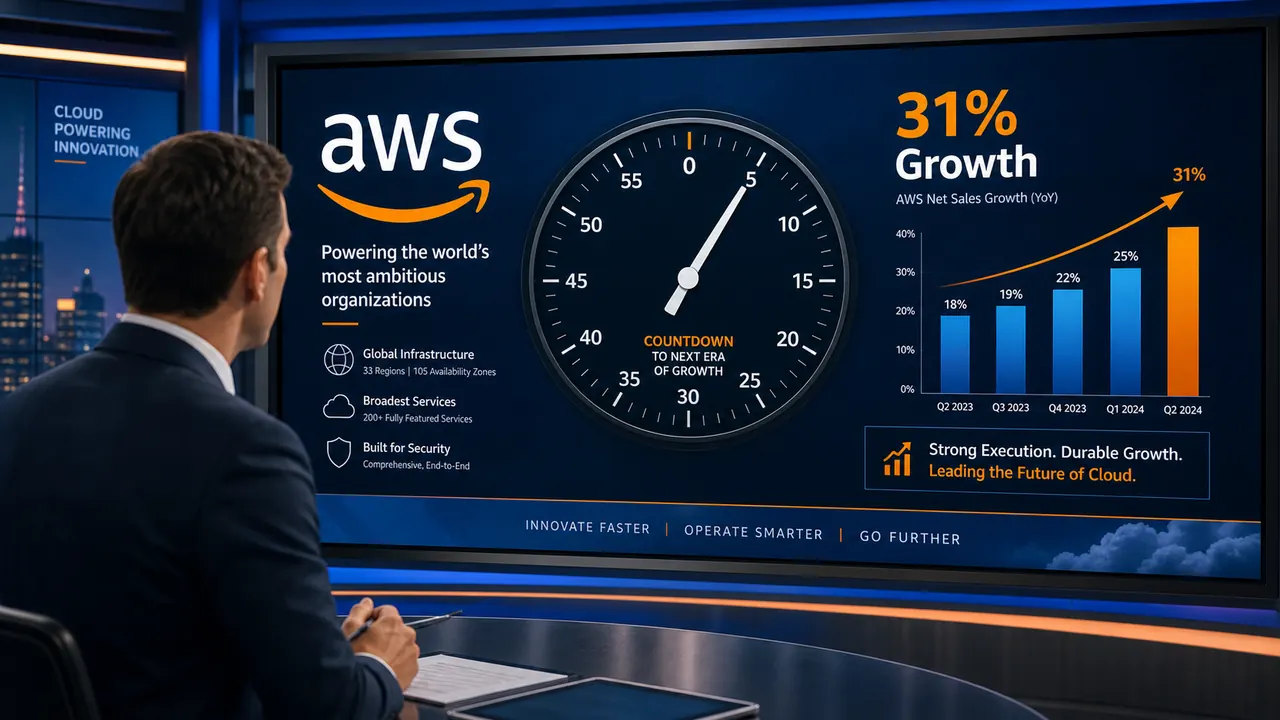
Amazon reports Q2 2026 results today after the close, with consensus at $1.82 EPS and $196.9 billion in revenue. AWS is projected at roughly $40.5 billion (+31% YoY) — the fastest sustained growth pace in 15 quarters — and Bank of America estimates Anthropic workloads alone could add $1.5 billion or more in sequential AWS revenue. The central tension: ~$200 billion in full-year capex against trailing free cash flow that has collapsed to roughly $1.2 billion.
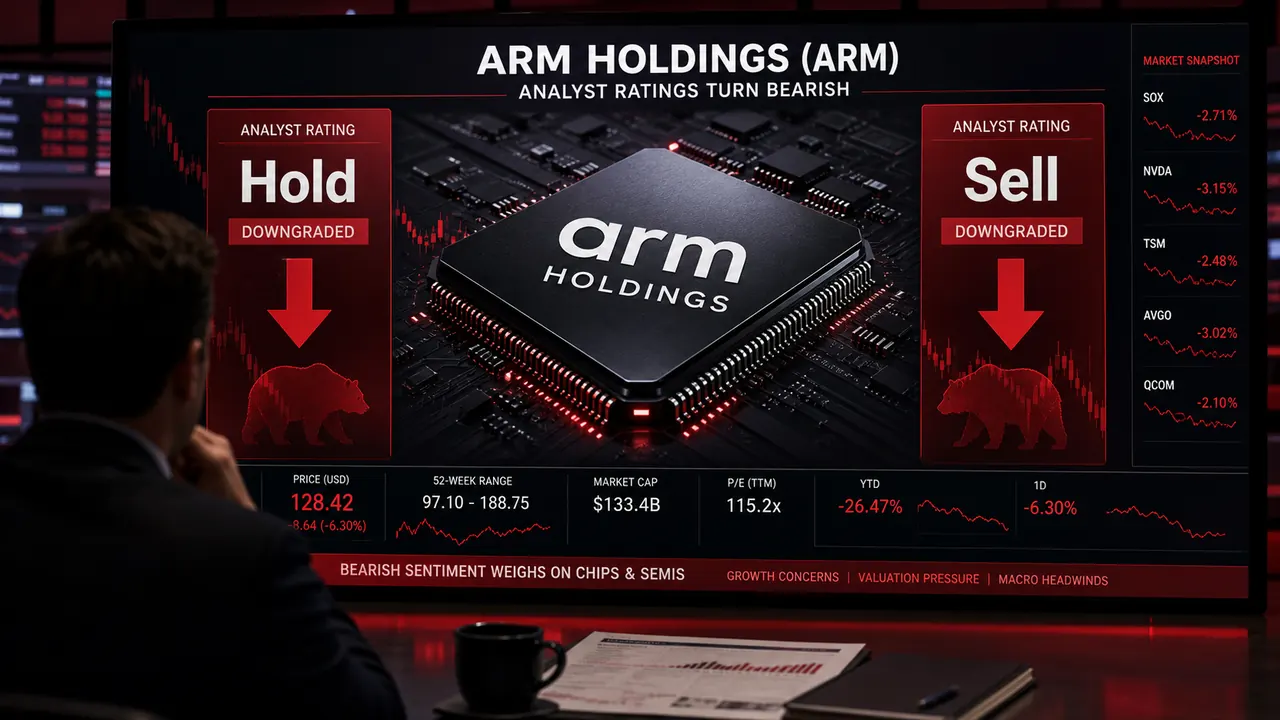
Arm Holdings fell 6.55% on July 29 and slid further premarket Wednesday after two major banks moved against it simultaneously. HSBC's Frank Lee downgraded from Buy to Hold, citing foundry capacity bottlenecks and a stretched valuation near 288x forward earnings; Goldman Sachs issued a Sell rating with a $120 price target. The dual downgrades landed on the same session as quarterly earnings, creating a double headwind the results couldn't overcome.
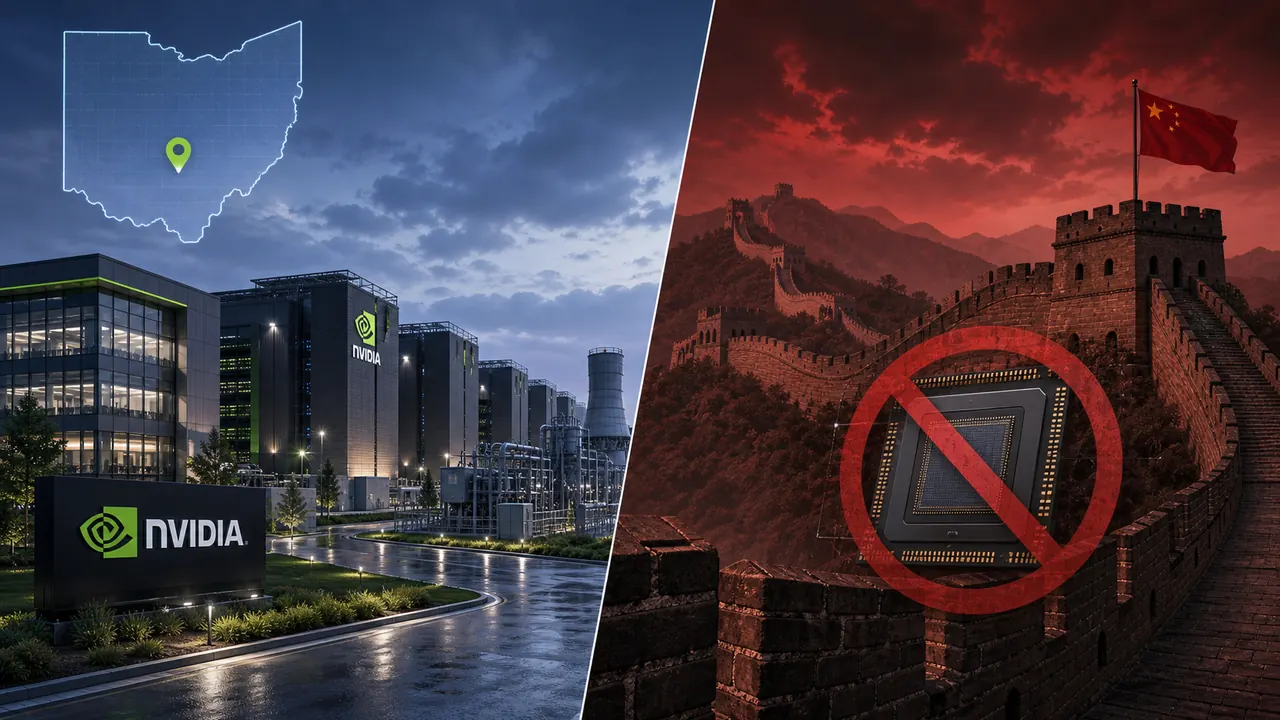
Nvidia closed down 3.42% in the broader chip rout, though premarket recovery was approximately 1.8%. Two major developments: Nvidia is reportedly in discussions to provide a $250 billion financing backstop for an OpenAI data center project in Ohio, and China will permit limited H200 chip purchases by top domestic AI firms — but capped at less than half of requested volumes. Analyst consensus remains Strong Buy with an average 12-month target near $303, roughly 59% above current levels near $193.
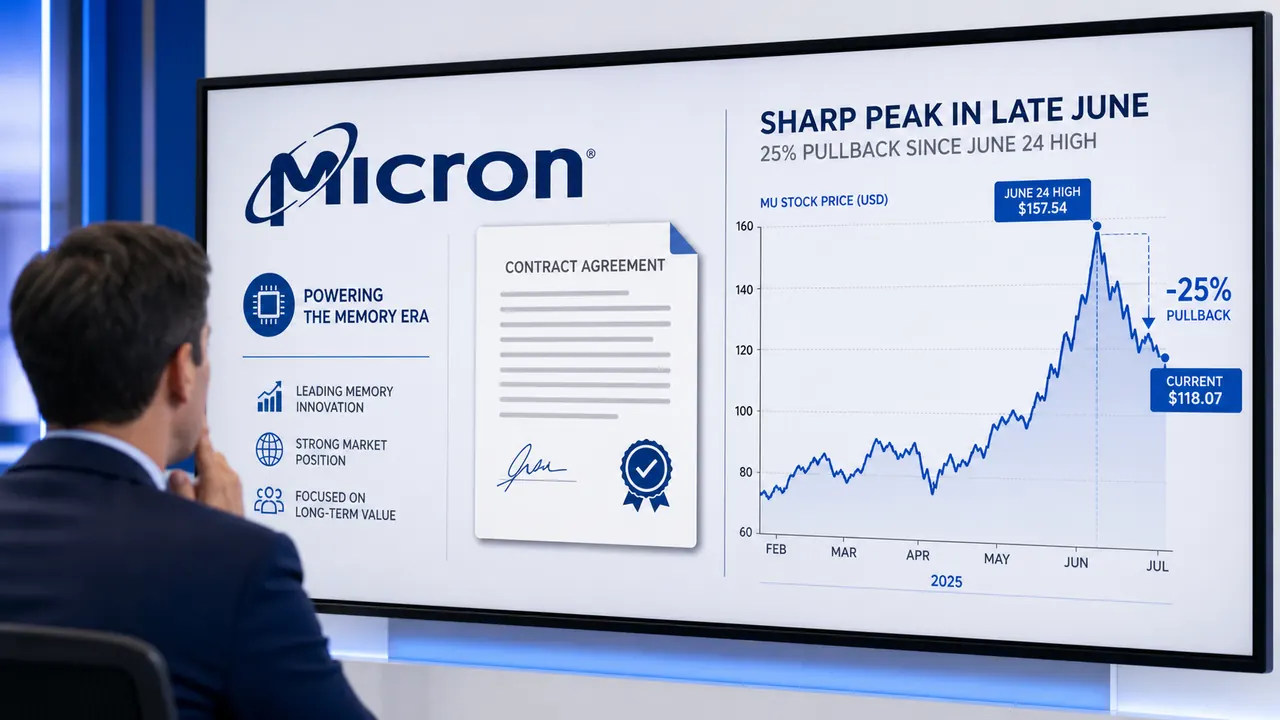
Micron is up approximately 190% year-to-date but has shed about 25% from its all-time high set in late June, caught in the broader memory chip correction. A significant demand signal emerged: Micron announced a $22 billion non-cancelable supply agreement with Anthropic for memory and storage to power Anthropic's AI systems, providing multi-year revenue visibility. CEO Sanjay Mehrotra sold 40,000 shares worth approximately $37.3 million on July 24.
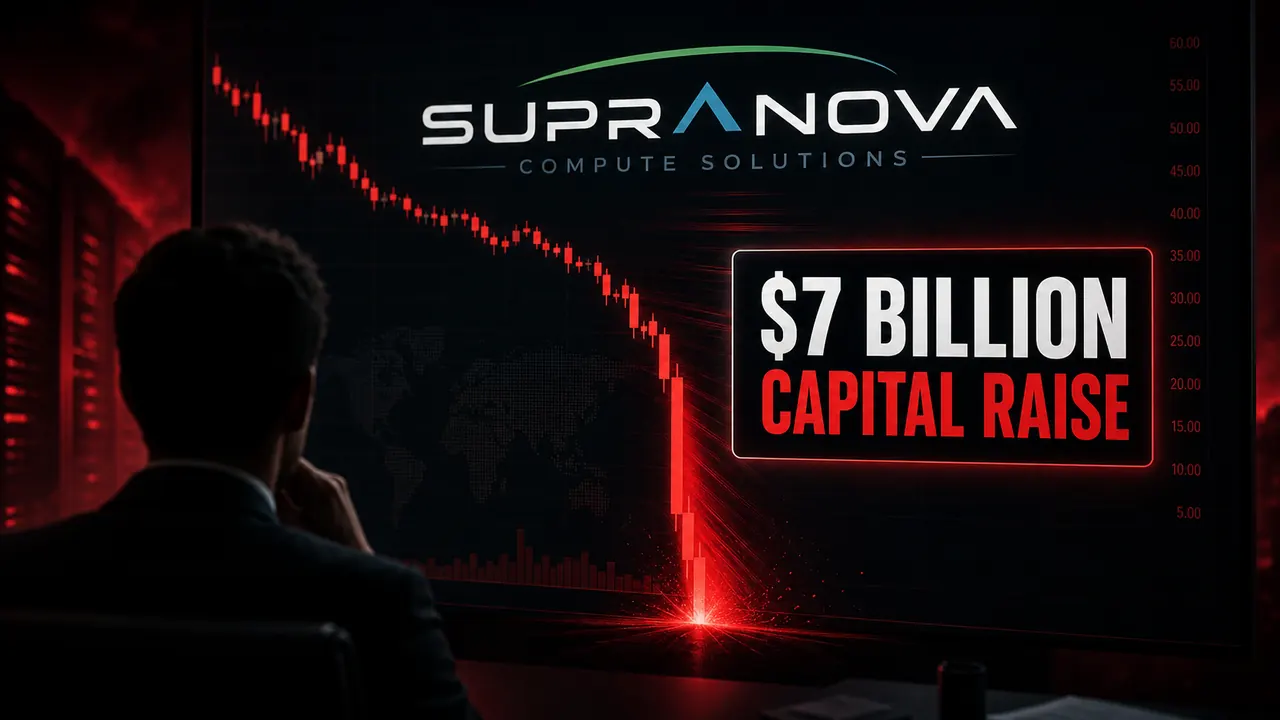
Super Micro Computer has lost roughly 35% of its value over the past month and fell another 6%-plus in Tuesday's AI hardware selloff. The main drag beyond sector sentiment is a recent $7 billion capital raise that spooked investors with dilution risk. The company's July 21 Q4 preliminary update showed revenue at the low end of the $11–$12.5 billion guidance range but gross margins improving sharply to 15–17%, up from a prior 8% forecast — a potential bright spot buried beneath the pressure.
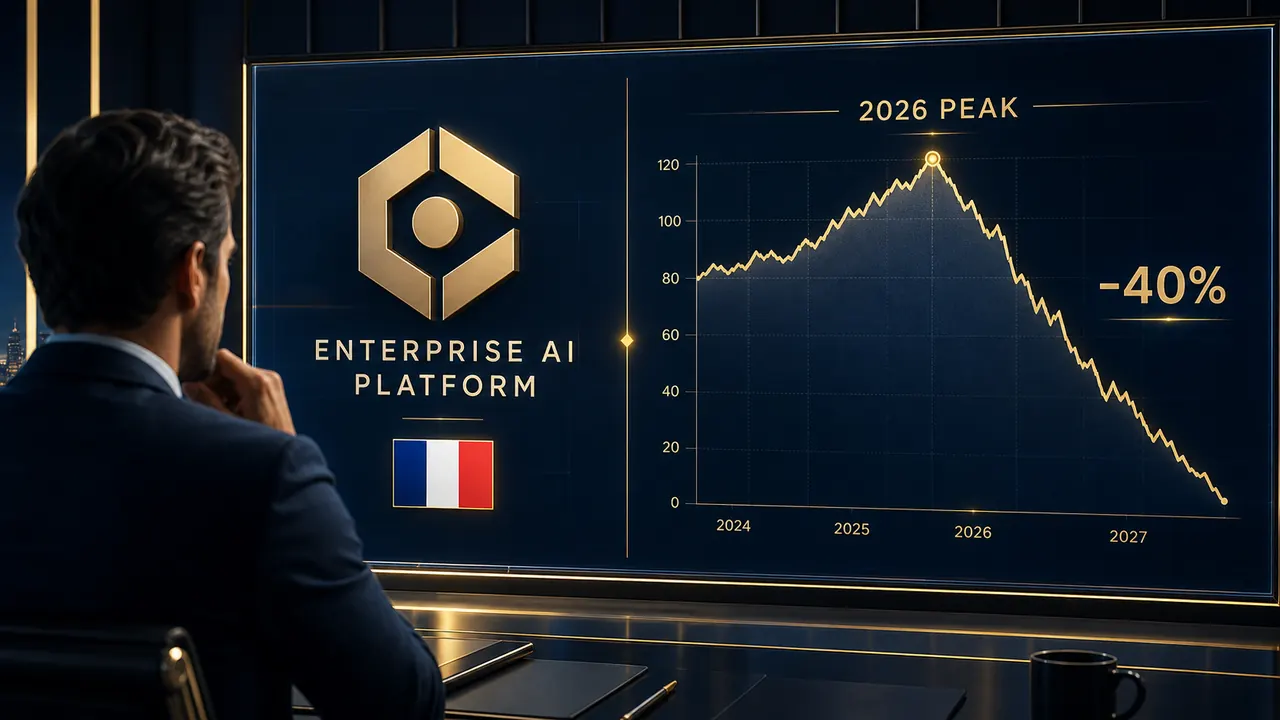
Palantir shares are down roughly 40% from their 2026 peak, trading near $121–$124, with Q2 earnings on the calendar for August 3. The company faces a geopolitical headwind: France has shifted national security AI contracts away from Palantir and toward domestic provider ChapsVision, a meaningful symbolic and revenue blow. Median analyst price target remains near $200 per share, implying roughly 61% upside, with the bull case resting on AIP platform traction across U.S. government and commercial clients.

 AI Stocks