Relevance 10/10Importance 10/10
Ramp spending data across 70,000 companies shows Anthropic's flagship Fable 5 captured only about 11% of customer spend since its June launch, while the cheaper Opus 4.8 surged past 50%. Analysts blame Fable 5's price tag plus the plain fact that most corporate workloads don't need a frontier model. It breaks the long-standing assumption that enterprises always default to the most powerful model — and it lands right as Anthropic eyes a reported two-trillion-dollar IPO.
Relevance 10/10Importance 8/10
Paul Graham says if he were seventeen today he'd skip founding a startup entirely and instead learn to build LLMs from scratch, training the most powerful ones he could on whatever hardware he could scrounge. His reasoning: far better startup ideas grow out of deep understanding than out of premature company-building. He'd also chase the question of why LLMs can write his essays but can't clean his bedroom.
Relevance 9/10Importance 9/10
The author pointed Claude at five consumer devices — a webcam, a monitor, a microphone, a capture card, and a light — and reverse engineered all of them in roughly thirteen hours. The haul: disabled activity LEDs, plaintext command shells, and firmware signature validation bypassed over the network. The author is thrilled about interoperability and openly alarmed at the prospect of an AI-equipped, automatically-reverse-engineering worm.
Relevance 7/10Importance 8/10
The EU's Packaging and Packaging Waste Regulation, effective this month, forces producers to register separately in every member state and pay per-country admin fees plus authorised representative costs. A small Greek hardware maker shipping to just four countries is looking at roughly 1,150 euros a year in pure compliance overhead. The argument: it quietly wipes out the small-batch experimental layer where European hardware innovation actually happens.
Relevance 6/10Importance 7/10
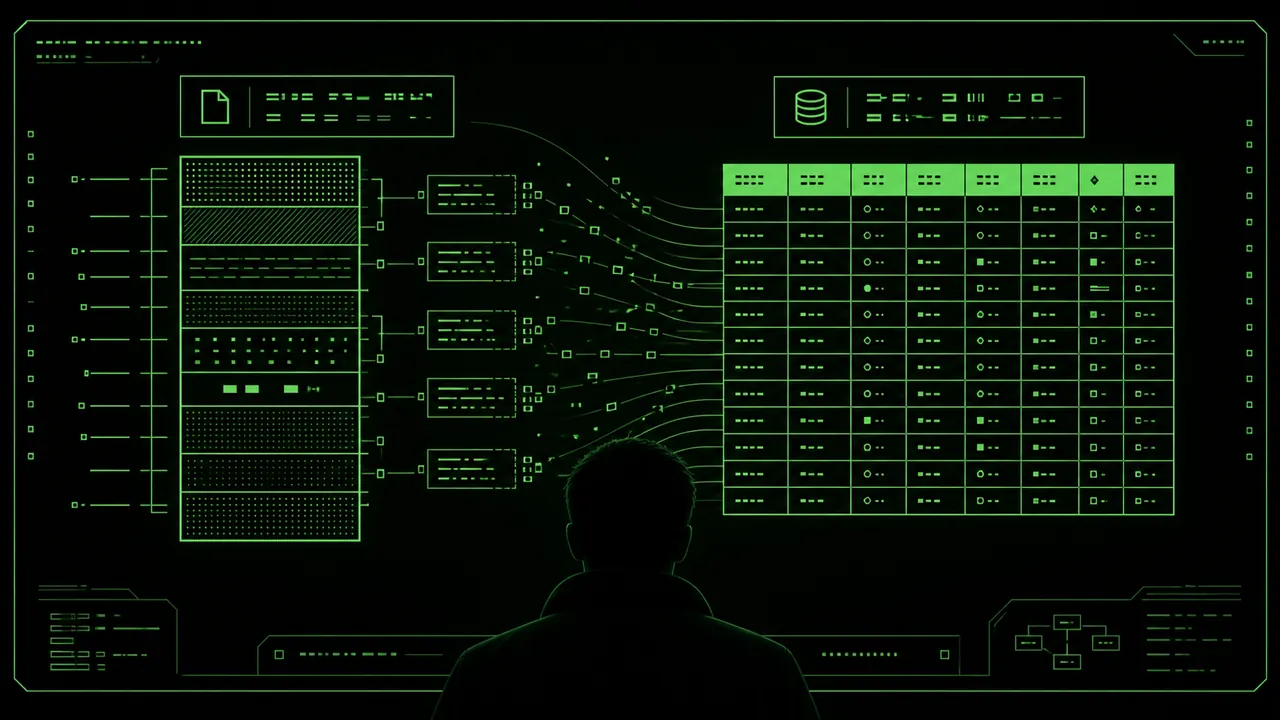
Farid Zakaria argues ELF is already a database — it reinvents indexing, string interning, and symbol lookup — so he built SELF, which stores program headers and symbol tables as actual SQLite tables. You replace ldd with a SELECT statement, and you get atomic LD_PRELOAD edits via transactions for free. He packed 723 executables and 400 libraries into a single 612-megabyte queryable file.
Relevance 6/10Importance 6/10
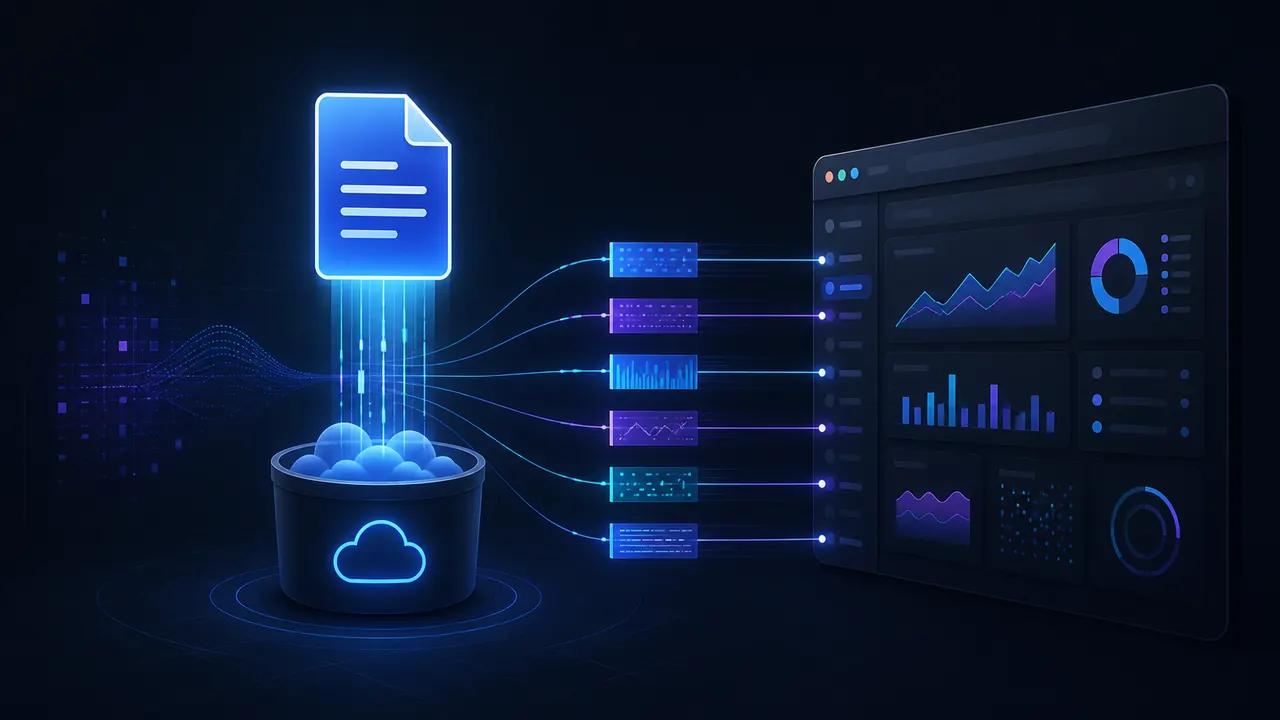
A precomputed data cube lives as one 40-megabyte Parquet file on R2 object storage, with an 18-kilobyte JavaScript reader called Hyparquet fetching only the byte ranges it needs using footer metadata and row-group min/max stats. Rows are deliberately sorted by filter column so matching data stays contiguous. Result: interactive customer dashboards with no backend, no database, and no query engine.
Relevance 5/10Importance 8/10
Proofcraft has finished the formal verification that the seL4 microkernel enforces confidentiality on 64-bit Arm, completing the full security proof stack for that architecture. The work was backed by the UK's NCSC. It means applications on Arm can now run with mathematically verified isolation guarantees rather than merely tested ones.
Relevance 5/10Importance 8/10
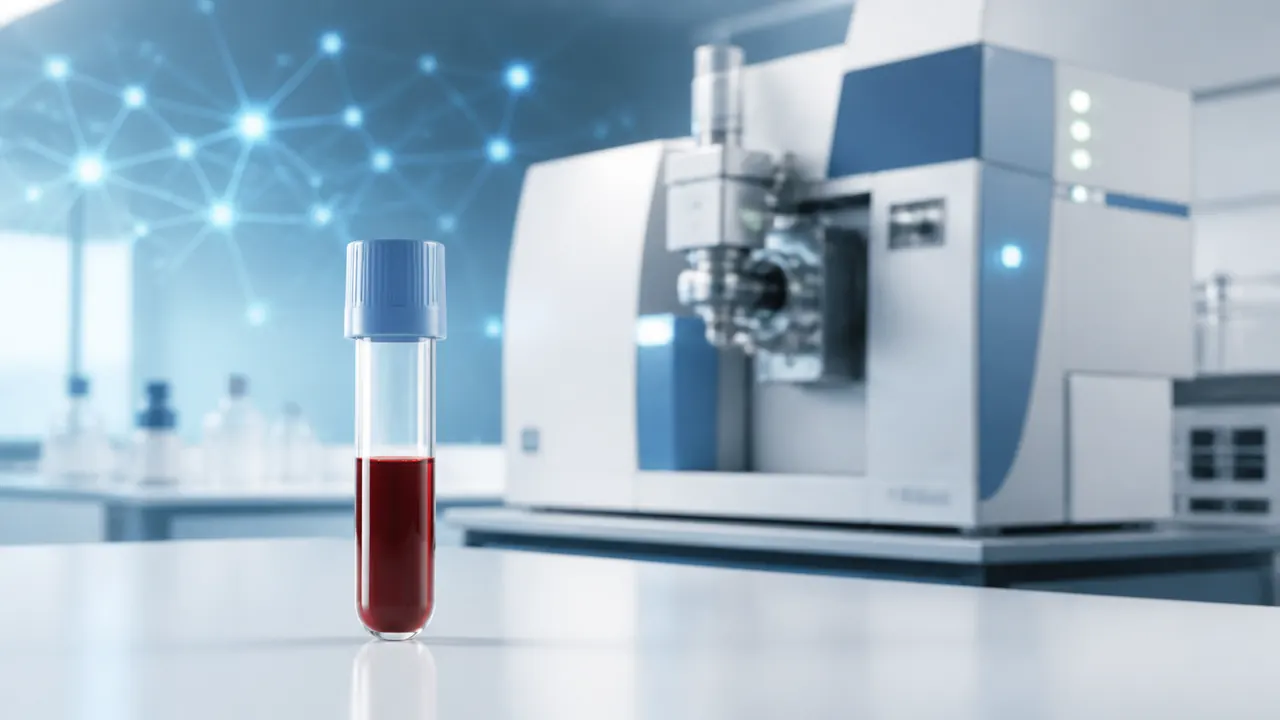
The FDA has cleared PrecivityAD2, a blood test from C2N Diagnostics, a startup spun out of Washington University by researchers Randall Bateman and David Holtzman. It uses high-resolution mass spectrometry to quantify Alzheimer's biomarkers, detecting amyloid plaques with better than 90% accuracy. That's a spinal-tap-and-PET-scan replacement for early diagnosis — a genuine university-startup-to-clearance win.
Relevance 4/10Importance 4/10
RACK-02 is a browser-based modular synthesizer that generates loop-driven techno entirely from a single HTML file — kicks, bass, drums, and effects, all patchable in real time. Deterministic seeding makes every composition reproducible, so a render can be independently verified from its seed. You can export stems, MIDI, and the patch itself.
Relevance 3/10Importance 5/10
BBC Future looks at the counterintuitive cases where aging, air-gapped, or obscure systems dodge attacks that flatten modern connected infrastructure. The catch is that this is security through obscurity, which the industry treats as an anti-pattern for good reason — unpatched legacy systems are usually the softest target, not the hardest. Worth reading as a nuance piece, not a strategy.

 HN Briefing AM