Relevance 10/10Importance 10/10
Amazon is buying DuckLabs, the Amsterdam outfit behind DuckDB, with the deal closing in early September 2026 and terms undisclosed. DuckDB, DuckLake, and Quack stay MIT-licensed under the DuckDB Foundation, and founders Hannes Mühleisen and Mark Raasveldt keep leading technical direction from Amsterdam. DuckDB now pulls more than three million downloads a day, making this one of the biggest open-source data acquisitions of the year.
Relevance 10/10Importance 9/10
Alibaba's Qwen team shipped a 125-billion-parameter multimodal MoE that activates only about 6 billion parameters per token, plus a novel 51-billion-parameter N-gram embedding layer previewing the Qwen4 architecture. The team claims it beats Qwen3.7-Plus at roughly one-ninth the training cost, with the largest gains in coding and office tasks. Open weights are already on Hugging Face and ModelScope, and it reportedly posts 62.5 on SWE-bench Pro.
Relevance 10/10Importance 9/10
Z.ai released GLM-5.3-Flash under the MIT license — a 320-billion-total, 18-billion-active mixture-of-experts model and the first natively multimodal entry in the GLM-5 line. It lands within a hair of Claude Opus 4.8 on coding evals while claiming roughly a tenth the price, and it edges past both Opus and DeepSeek-V4-Vision on OfficeQA Pro. Two frontier-class open-weight Chinese models on the same day is the story here.
Relevance 8/10Importance 9/10
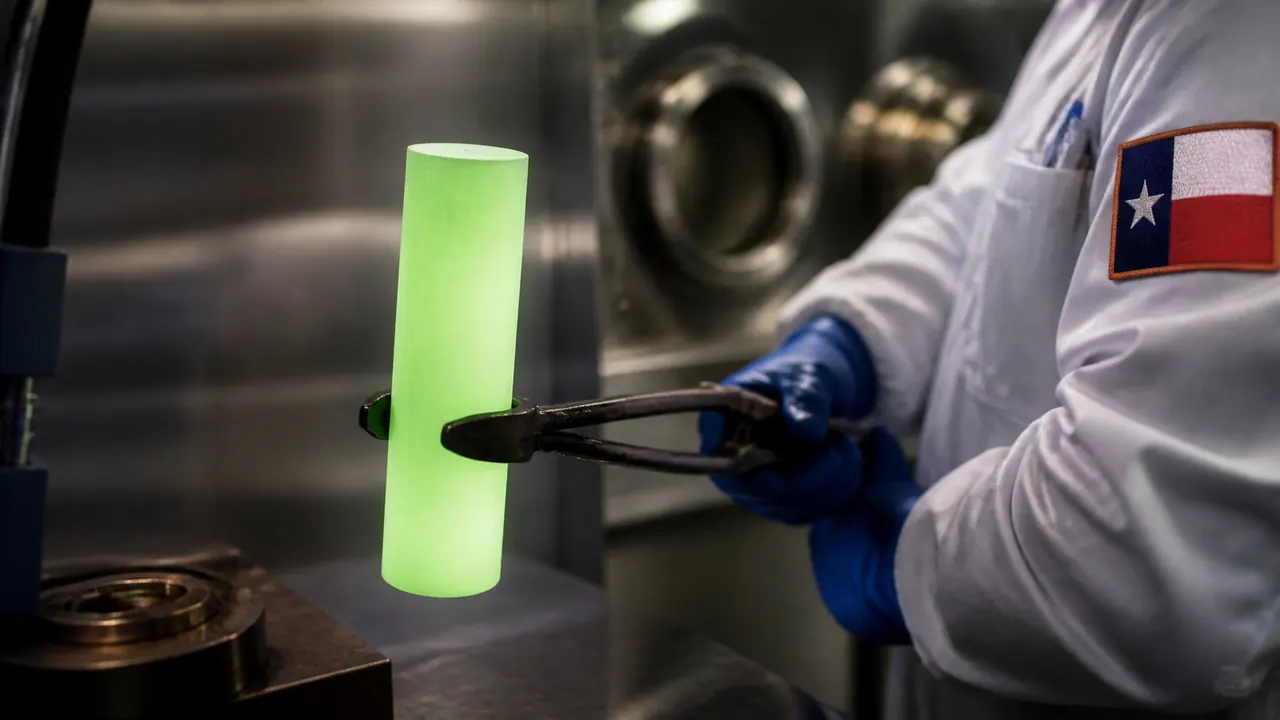
Actinide says it's the first startup ever to enrich natural uranium into HALEU, hitting 15.38 percent U-235 on a first-generation calutron while already running a commercial product line. Critically, it produces HALEU in solid form directly, skipping the uranium-hexafluoride conversion step the US has zero commercial capacity for. The company closed an oversubscribed seed in March 2026 led by Onto Ventures, with CEO Eric Olszewski putting in over a million of his own.
Relevance 6/10Importance 8/10
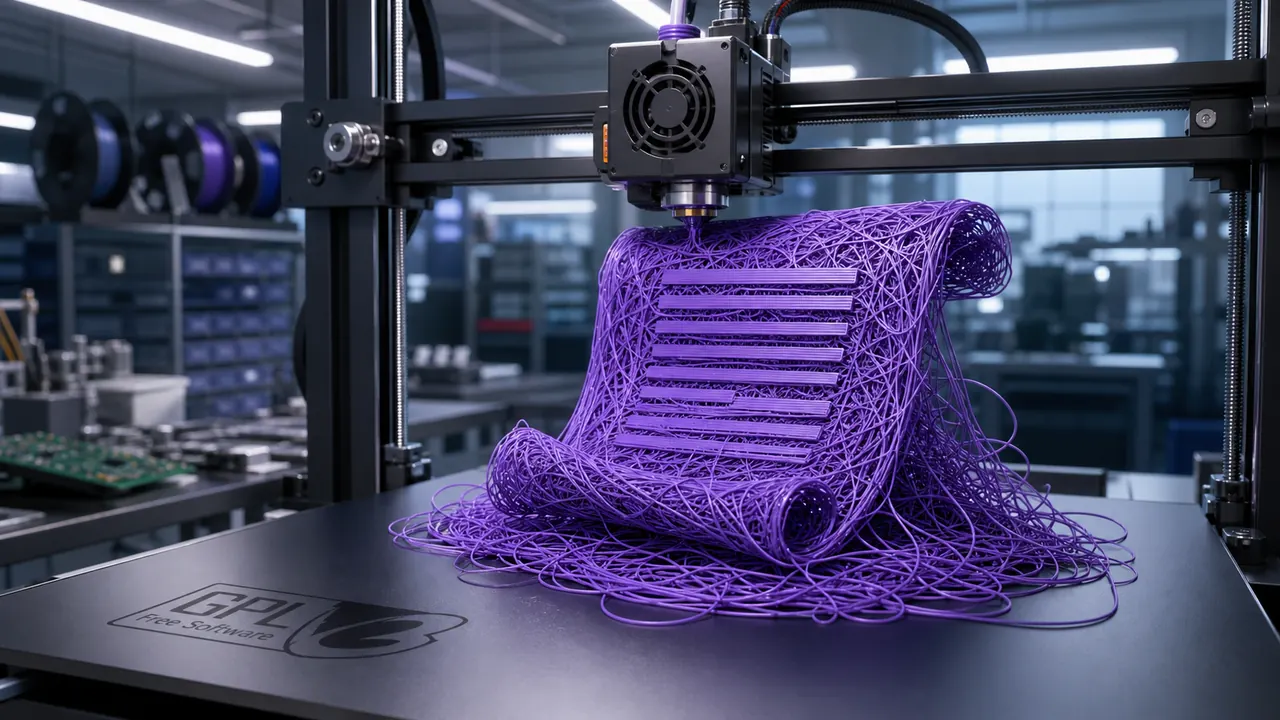
LWN details Bambu Lab's continuing AGPLv3 problems with Bambu Studio, its PrusaSlicer fork: after finally publishing source, the company moved key functionality into proprietary shared objects loaded via dlopen that phone home with a hardcoded User-Agent it claims is DMCA-protected anti-circumvention. The Software Freedom Conservancy has launched "baltobu," mirrors OrcaSlicer, and raised over 250,000 dollars — enough to hire a full-time litigation attorney. There's a separate GPLv2 issue over unreleased Buildroot firmware source.
Relevance 6/10Importance 7/10
Tailscale open-sourced Tailcat, a netcat-style tool that builds encrypted point-to-point tunnels using Tailscale's data plane without the control plane — no account, no root, no network config. The server prints a token encoding its WireGuard public key and DERP relay info; share it and you're connected, direct over UDP when NAT traversal works and relayed when it doesn't. A gVisor userspace TCP/IP stack means it forwards ports and pipes data without touching system routing or DNS.
Relevance 8/10Importance 5/10
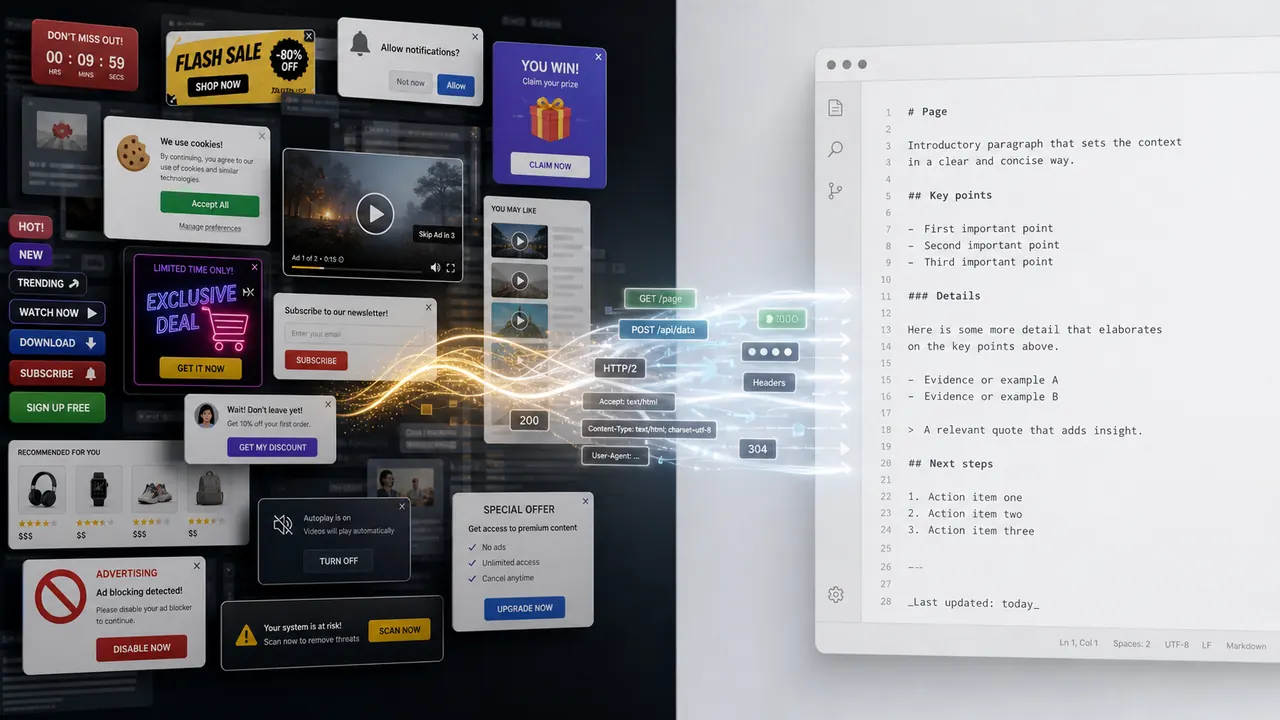
A proposal to use plain old HTTP content negotiation — Accept: text/markdown — so the same URL returns clean Markdown to agents and HTML to humans, with Vary: Accept for correct caching. The pitch is fewer tokens burned on nav, scripts, and layout wrappers, better retrieval quality without ads and modal overlays, and lower latency. The site ships quick-start recipes for Nginx, WordPress, Django, and Next.js, plus a readiness checker.
Relevance 5/10Importance 7/10
Announced at Hot Chips on August 24, IBM's first dual-architecture mainframe chip runs IBM Z and Arm compute on the same silicon — 2-nanometer process, eleven cores past 5.7 gigahertz, scaling to hundreds of cores and tens of terabytes of memory. On-chip AI inference accelerators target in-transaction fraud detection, and a dedicated DPU handles I/O. It's the first fruit of IBM's April 2026 Arm collaboration, though no customer ship date yet.
Relevance 5/10Importance 5/10
A one-page tracker that lets you filter GitHub's incident history by the specific services and severity levels you actually depend on, built because reliability arguments go nowhere when nobody defines terms. As of today the days-since-last-incident counter reads zero. Since March 2016 it's logged 1,125 incidents, running about 24 a month, with a record incident-free streak of just eight days.
Relevance 3/10Importance 6/10
CoMaps is a volunteer-built, fully offline OpenStreetMap app that runs on GPS alone once maps are downloaded. During the 2026 Venezuela earthquake response, a volunteer named Anton relied on it inside a zone with no cell coverage, finding it more detailed than the alternatives available to rescue coordinators. HOT Tasking Manager volunteers mapped thousands of Venezuelan buildings that reached responders' phones roughly 35 hours later via CoMaps' weekly updates.

 HN Briefing PM