Relevance 10/10Importance 8/10
A deep Level1Techs writeup argues that self-hosted models underperform because of your stack, not the weights — CUDA kernel variance, quantization method, KV cache precision, and tensor-parallel settings all nudge token selection. The author shows measurable divergence that cascades into failed tool calls and wrong answers. Practical takeaway: benchmark your inference config, not just the model card.
Relevance 9/10Importance 6/10
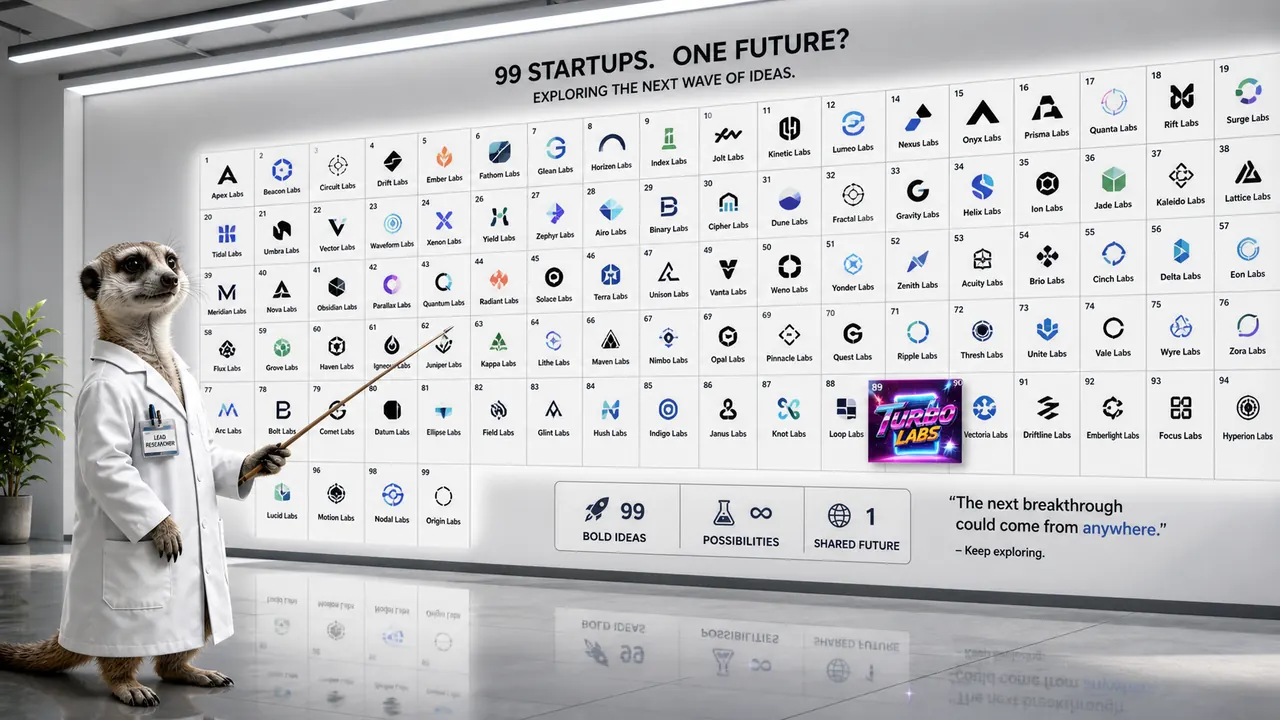
A researcher catalogued every company named "[number]Labs" from zero to ninety-nine, sparked by ElevenLabs' success, and found the naming pattern is absurdly saturated. Most of the hits are AI startups riding the same branding wave. The best find was seventyonelab.com, still rocking full early-2000s web design.
Relevance 8/10Importance 8/10
Bluesky's protocol team shipped an alpha extension that finally allows permissioned, non-public data on ATProto, which until now was public-broadcast only. That unlocks private settings, subscriptions, DM-like features, and gated community forums built on the open network. A hosted sandbox and sample apps are live for developers today.
Relevance 7/10Importance 7/10
Hister is a self-hosted search engine that indexes every page you visit plus your local files, via a browser extension and history import. Everything stays on your own server with zero telemetry and no cloud dependency. You query it from web, terminal, CLI, or hand it to an AI assistant as a personal knowledge backend.
Relevance 5/10Importance 7/10
Apple is deprecating the venerable hdiutil in macOS 27, pointing developers at diskutil image instead. The replacement is genuinely faster — 40 seconds versus 110 — and produces smaller files, but it drops -puppetstrings and -scrub, chokes on root-owned files, and has terrible error messages. Anyone shipping Mac software with a DMG build step should start testing now.
Relevance 4/10Importance 5/10
A warm, well-paced tour of Racket that traces the Lisp family from 1958 through Scheme to today. It covers homoiconicity, higher-order functions, and recursion before getting into what makes Racket special: language-oriented programming, where you build your own syntax. Ends with graphics examples and macros.
Relevance 4/10Importance 5/10
Signal's creator dug up an old journal entry from around 2006, simply titled "Scrap," about moving to Pittsburgh at the right time in his life and the wrong time of year. It's a story about a house with no working utilities and installing gas lines in January. Pure vibes — no crypto, no protocol, just good writing from someone HN pays attention to.
Relevance 3/10Importance 4/10
A minimalist browser-based typing trainer built for people on real physical keyboards. It detects mobile devices and politely tells you to go plug something in. Clean interface, no accounts, no gamification sludge.
Relevance 2/10Importance 4/10
RF Cafe is a thirty-year-old labor of love from webmaster Kirt Blattenberger, packed with radio frequency and electronics engineering references, formulas, and tools. It also hosts scanned archives of Electronics World and Popular Electronics going back decades. Thousands of pages, plus quizzes and crosswords, all still hand-maintained.
Relevance 2/10Importance 3/10
A twenty-one-year-old mailing list post from UK sysadmin Gary Rolland about migrating twenty-nine servers from Windows to NetBSD. The stability gain was so dramatic it ended his weekend pager hell and let him finally take his daughter to Alton Towers. A reminder that uptime is a human story as much as a technical one.

 HN Briefing PM