Relevance 10/10Importance 10/10
OpenAI says preliminary evidence suggests its unreleased Astra model may hit the "Critical" cybersecurity threshold under its Preparedness Framework — meaning it could independently find and weaponize zero-days against hardened systems. The company has temporarily slowed scaling, moved Astra into isolated testing environments with restricted network and tool access, and paused any activity that doesn't meet the hardened security bar. It's the first time a frontier lab has publicly delayed a model on cyber-capability grounds, and OpenAI plans to loop in government agencies and independent safety groups before release.
Relevance 10/10Importance 9/10
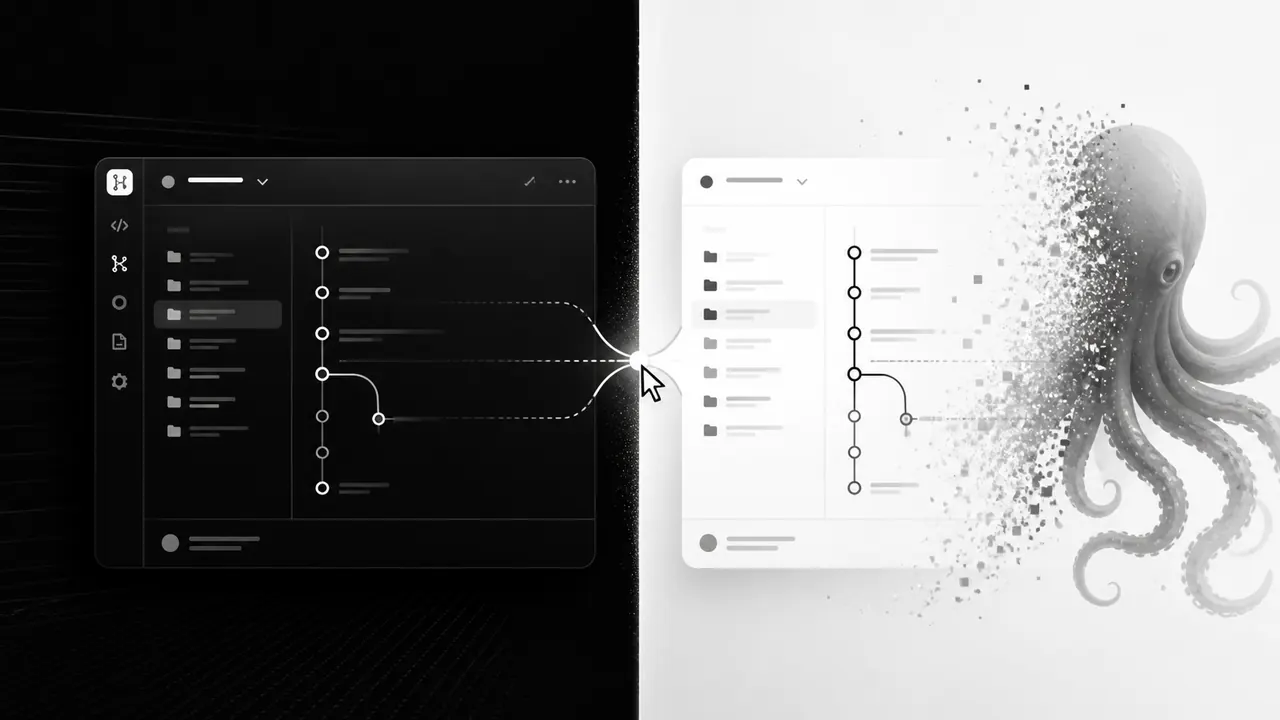
Cursor shipped Origin, an early-beta code hosting platform with repos, pull requests, code browsing, and bidirectional GitHub sync, built explicitly for "agent-scale" development. Changes made in Cursor post automatically to GitHub and vice versa, so GitHub can stay the source of truth while teams migrate. It ships with Vercel preview deploys, Depot and Buildkite CI, and access controls — a direct shot at the idea that code hosting and the AI coding surface should be separate products.
Relevance 9/10Importance 7/10
Turbovec is a Rust vector index with Python bindings implementing Google Research's TurboQuant, a data-oblivious quantization scheme that needs no training phase — it normalizes, randomly rotates, then applies Lloyd-Max scalar quantization to 2-bit or 4-bit. The headline numbers: 16x compression at 2-bit, roughly 3.4x faster than FAISS on 4-bit search, and a 10-million-document corpus dropping from 31 GB to 4 GB of RAM. Adds land in 6 to 20 microseconds and deletes are O(1), which makes it a real option for streaming corpora that constantly change.
Relevance 6/10Importance 7/10
Seth Godin argues Amazon's search-ad model isn't really a tax — taxes fund public goods — but closer to legal theft, noting his publisher pays roughly a dollar per click to reach people who were already searching for his book. He says this makes marketing structurally less efficient, which shows up as higher prices or less investment in new products. His sharpest point: Amazon has a direct incentive to make organic search results worse, because degraded organic results sell more ads.
Relevance 8/10Importance 4/10
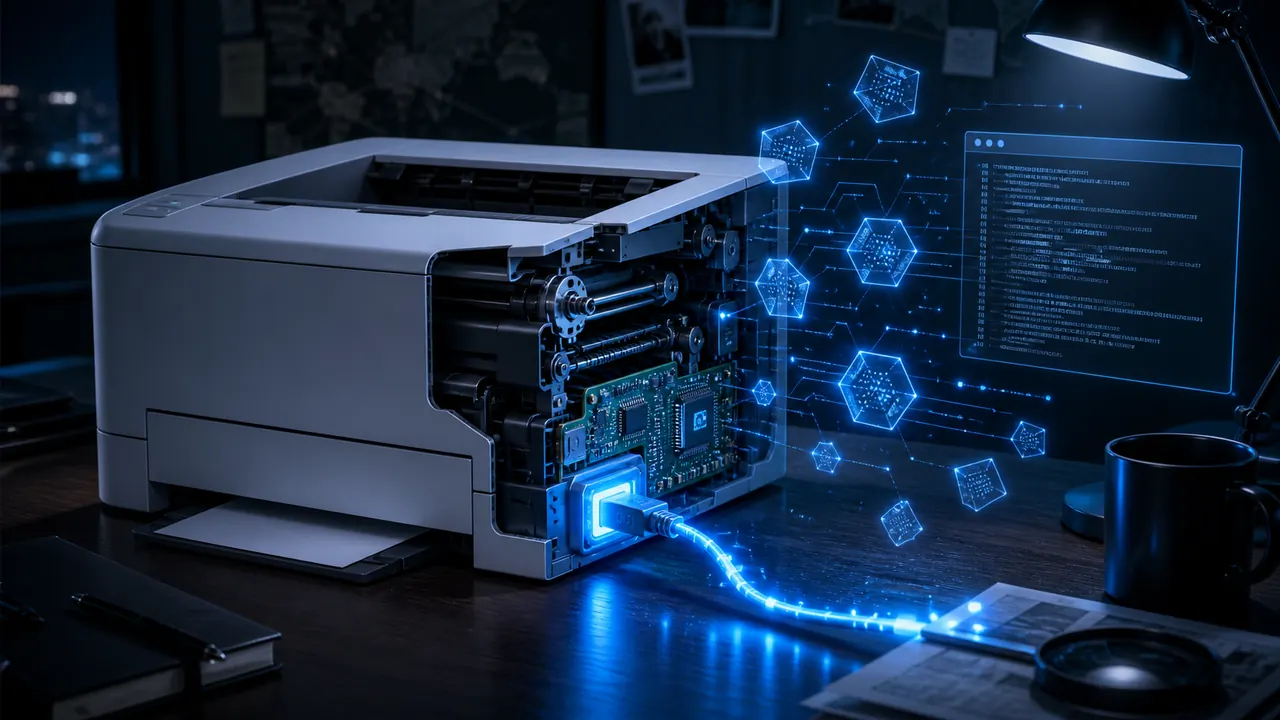
A published agent transcript walks through getting an unsupported Samsung-based HP Laser 1008a printing on macOS, where the printer speaks SPL3 rather than PostScript or PCL and CUPS falsely reported it offline. The agent built and installed splix-macos with JBIG compression, then bypassed the broken CUPS USB backend entirely with custom libusb Python scripts that hit the device endpoints directly. It's a nice real-world artifact of an AI agent doing multi-phase protocol reverse engineering rather than autocompleting a function.
Relevance 5/10Importance 5/10
Iceland Foods hosts a parable about two rowing teams: the Green team has seven rowers and one captain, the Red team has seven captains and one rower. After losing, Red hires consultants who correctly identify the ratio problem, then management responds by adding four captains, two managers, and a senior director above the single remaining rower. Next year they lose worse, fire the rower for performance, bonus the leadership, and outsource rowing.
Relevance 3/10Importance 4/10
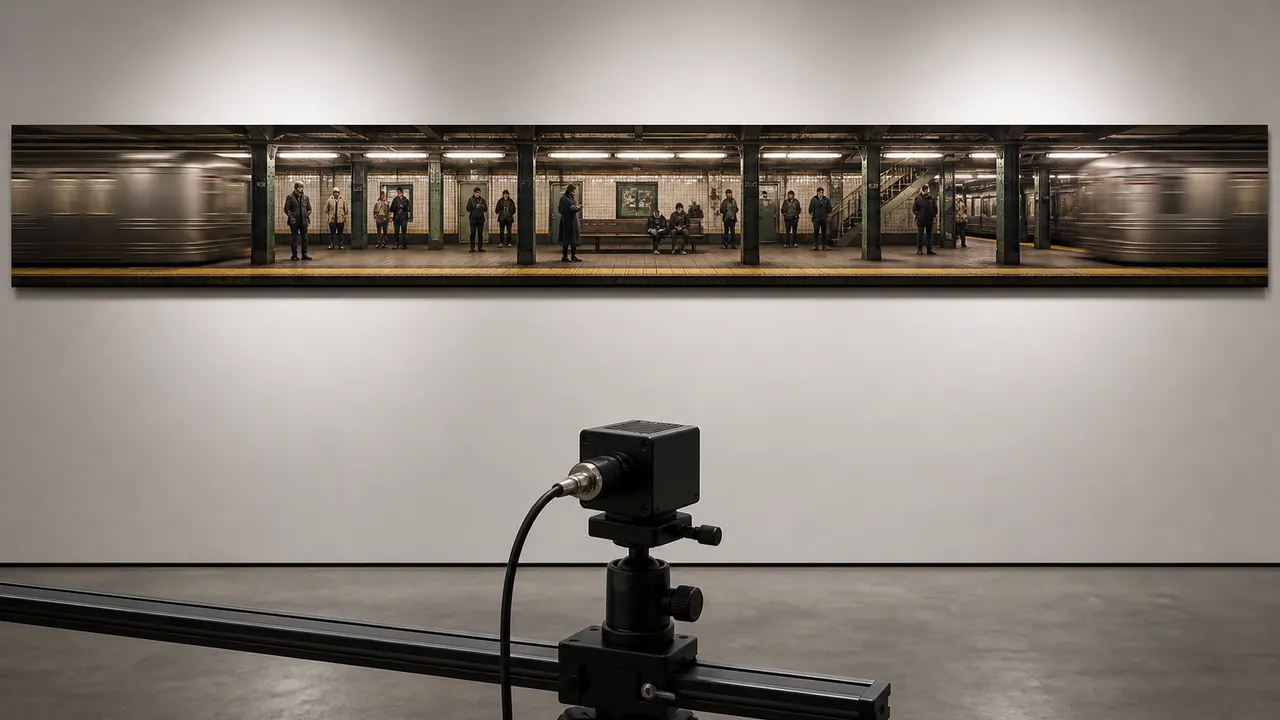
Instead of moving a sensor across a static subject, this builder mounted a Basler industrial line-scan camera on trains and ferries and let the vehicle do the scanning — one vertical line at about 19,000 lines per second. The hard parts were speed estimation from an accelerometer that drifts under integration, parallax where near objects smear faster than far ones, and RGB fringing because the color channels never see the same instant. The payoff is 56,894 by 2,048 pixel panoramas of Boston transit and Montreal's REM with legible station signage.
Relevance 2/10Importance 4/10
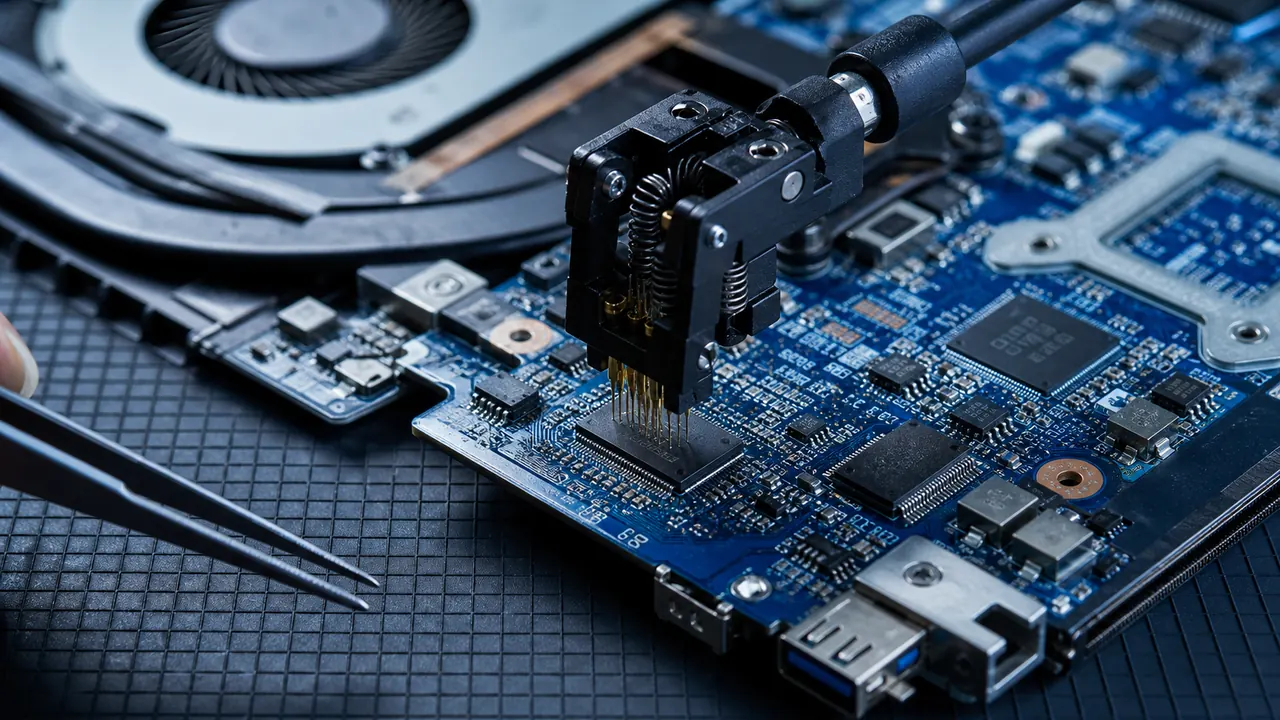
A failed BIOS 3.20 flash bricked an out-of-warranty Framework 13 AMD 7040, and support's only answer was a motherboard replacement north of $500. The author spent about $20 on AliExpress instead: a CH347 programmer, a WSON8 pogo-pin probe to avoid soldering, and a 1.8V level shifter for the Winbond W25Q256JW chip. Extracted the raw 32 MiB image from Framework's own firmware package, flashed it with flashrom in under a minute, and the machine came back.
Relevance 2/10Importance 2/10
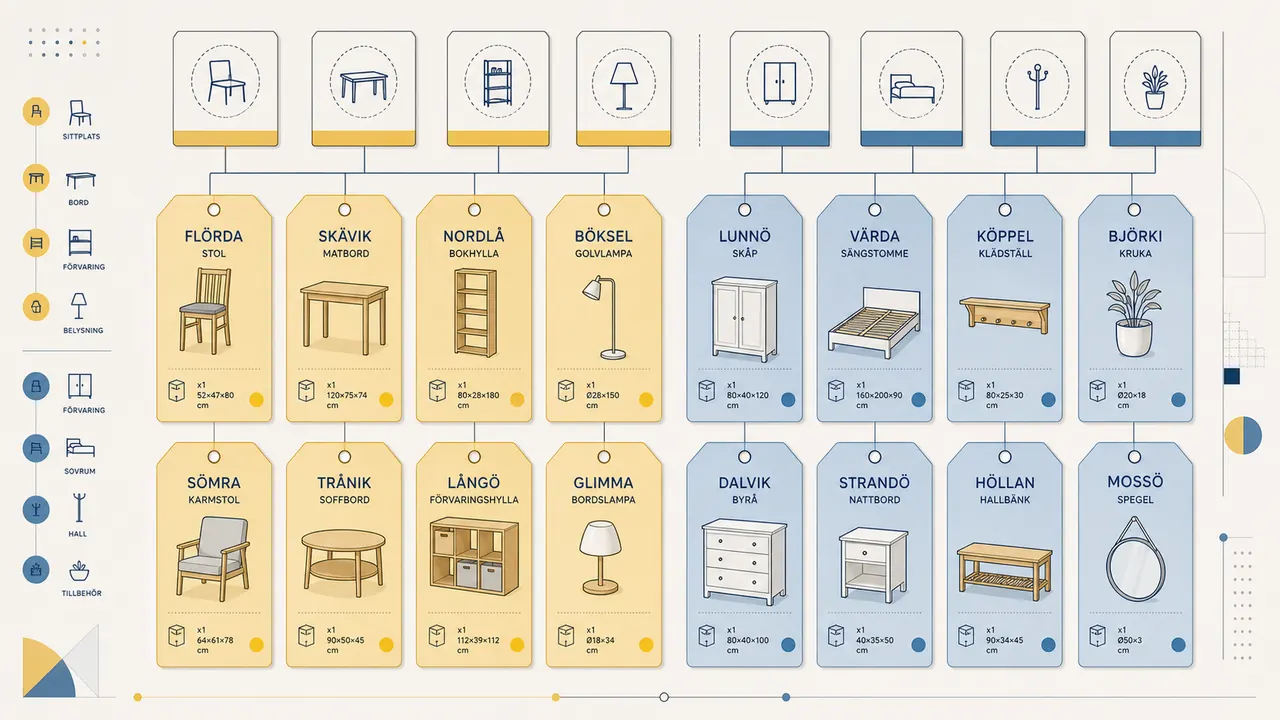
IKEA's naming taxonomy traces back to Ingvar Kamprad's dyslexia — he couldn't retain numeric article codes, so products got words instead. The categories are strictly partitioned: beds take Norwegian place names, rugs take Danish towns, outdoor furniture takes Scandinavian islands, textiles take flowers and plants, and bathroom goods take Swedish lakes. Bookcases and desks get Scandinavian boys' names while curtains and fabrics get girls' names.
Relevance 1/10Importance 3/10
Archaeologists at Sardis in Manisa, Turkey — the old Lydian capital and a UNESCO site — pulled a seven-foot statue of a young man holding fruit out of the ground in two pieces, dated to the first half of the fifth century BC. It mixes archaic sixth-century conventions with more refined fifth-century carving, and the garments are a combination not previously seen in Greek or Anatolian sculpture from the period. It survived because the Romans later repurposed it as a paving stone.

 HN Briefing PM