Relevance 10/10Importance 9/10
Alibaba has previewed Qwen 3.8, a 2.4-trillion-parameter open-weight model the team is calling "second only to Fable 5" — the first major Chinese frontier model to make that claim publicly and directly. It's multimodal across text, images, video, and documents, positions itself as a direct answer to Kimi K3, and is available in preview now at 10% of standard pricing with open weights coming soon.
Relevance 9/10Importance 7/10
Claude Code v2.1.181 quietly shipped with Bun 1.4.0 compiled in Rust — a preview build not yet available in standard Bun distributions. Simon Willison confirmed the switch by finding 563 Rust source filenames embedded in the Claude binary; Linux startup is about 10% faster, and millions of users made the transition without noticing a thing.
Relevance 9/10Importance 6/10
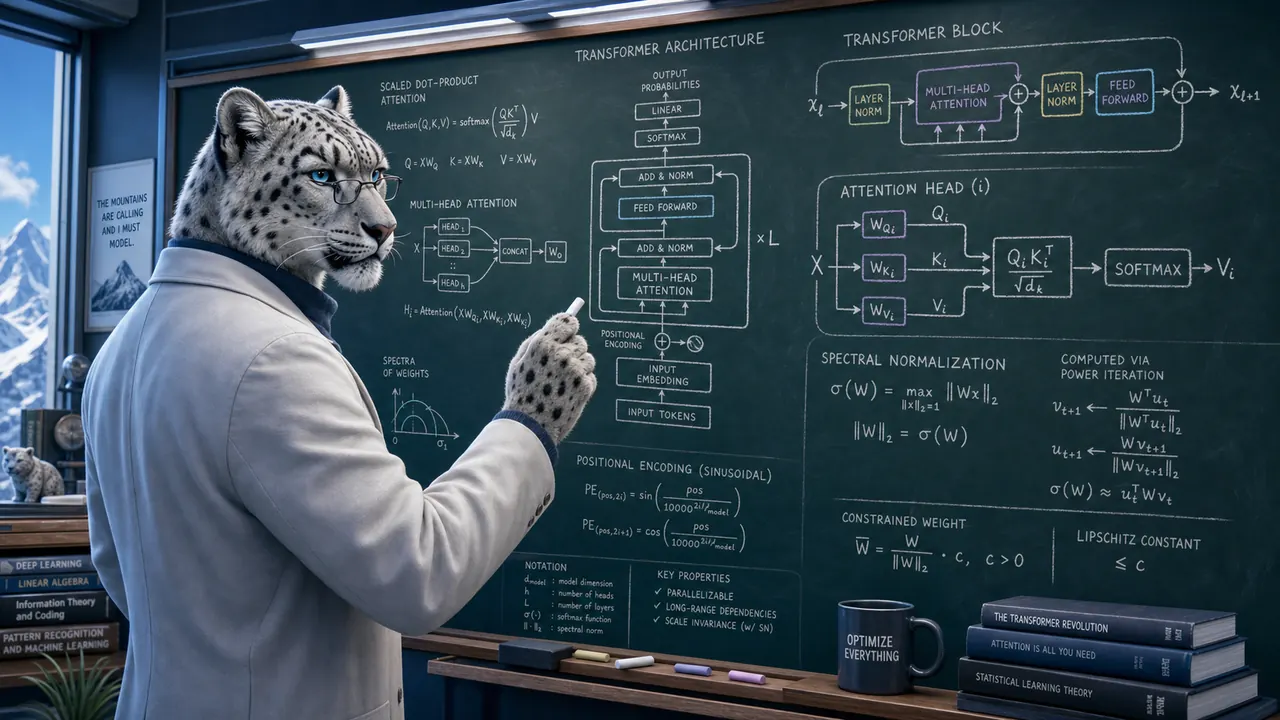
A deep technical post explaining why the Muon optimizer — gaining real traction in LLM training — becomes unstable when applied to Q and K weight matrices in attention layers. The culprit is spectral norm amplification in the bilinear QK-transpose form, and the post evaluates both principled mathematical fixes and practical workarounds including Kimi K2's already-shipped MuonClip technique.
Relevance 2/10Importance 6/10
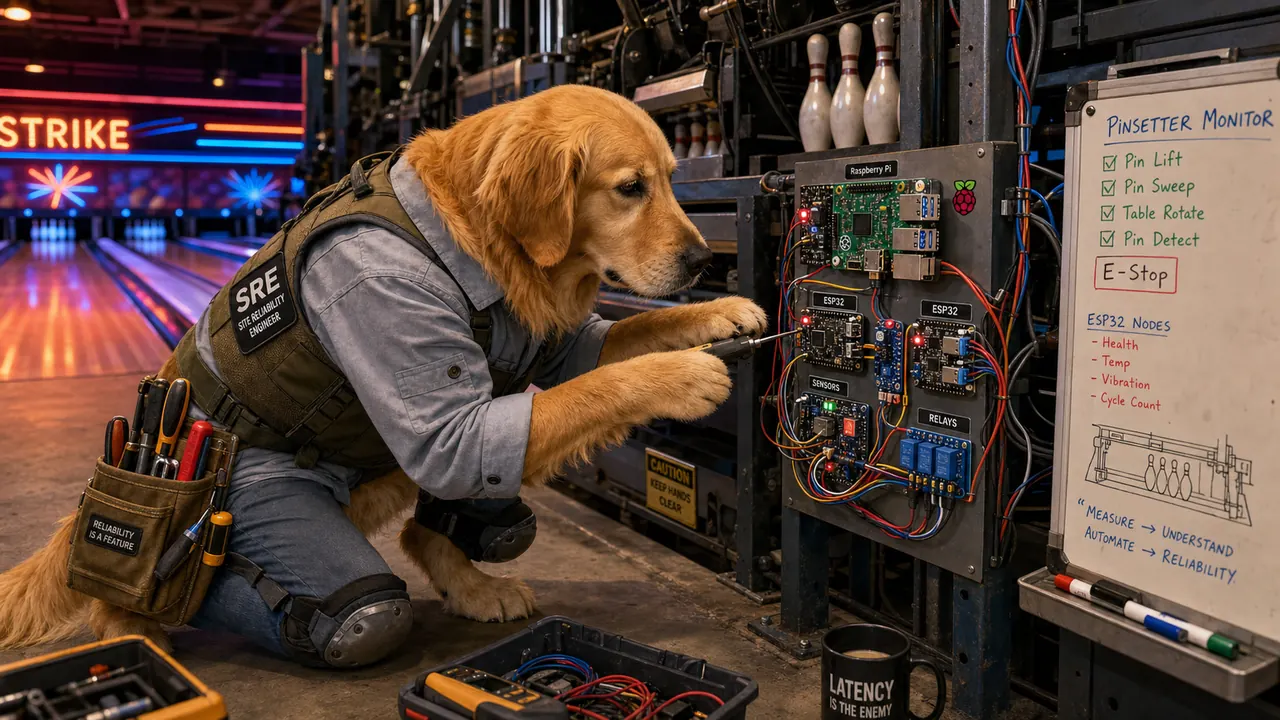
An SRE who owns a rural bowling alley built OpenLaneLink, an open-source lane scoring system using ESP32 microcontrollers networked via ESPNow and RS485 to a Raspberry Pi running Redis, replacing a proprietary system that cost over $120,000 new and $4,000 per lane pair to repair. Total cost per lane pair: $200–$400, with swaps taking under 10 minutes. Plans to open-source hardware, firmware, and software to help keep independent alleys financially viable.
Relevance 3/10Importance 3/10
This essay draws a tight analogy between parallel computing's core challenges — synchronization, communication overhead, load balancing — and Zen philosophy applied to human psychology. The central argument: our greatest limitation isn't a lack of processing power but power divided against itself, whether in CPU cores or in how humans integrate thought, emotion, and action.
Relevance 1/10Importance 4/10
Developer Yufeng Gao has built a working IA-64 Itanium emulator that successfully boots Windows Server 2003 and Windows XP 64-bit for Itanium — a first for open-source emulation of this architecture. Performance tops out around 486-era speeds on modern Ryzen hardware, but the code is coming to GitHub, which means Itanium-native software that currently has nowhere to run will finally have a home.
Relevance 2/10Importance 3/10
Cagire is an open-source step sequencer where each step holds a Forth script rather than a note value — the sequencer advances and executes the scripts, generating sound, triggering samples, or applying effects dynamically. It includes a built-in audio engine with synthesis and sampling, plus MIDI, OSC, and Ableton Link support, making it a self-contained live coding environment for musicians who think in code.
Relevance 1/10Importance 3/10
HMD has launched the Touch 4G, a device explicitly positioned between feature phone and smartphone: touchscreen interface, 4G LTE with global roaming, and a built-in video messaging app called Express Chat that connects with Android and iOS users. It's aimed at emerging markets where full smartphone complexity isn't the goal — just reliable, connected simplicity.
Relevance 1/10Importance 3/10
A step-by-step guide to replacing your ISP-provided router with a MikroTik L009UiGS-RM, covering PPPoE authentication, MAC cloning, CAPsMAN-managed access points, and FQ-CoDel queue discipline to eliminate bufferbloat. The key practical insight: shape your traffic to 90–95% of your actual measured link speed and your router takes back control of congestion before packets pile up inside ISP gear.
Relevance 2/10Importance 2/10
The latest installment in an ongoing Commodore 64 BASIC dungeon crawler series adds d20-based combat rolls with strength modifiers, goblin health tracking via parallel arrays, and configurable key bindings — all while navigating a 2KB RAM budget and BASIC's two-character variable name limit. A memory corruption bug that silently overwrote the character set mid-game steals the show as the session's best cautionary tale.

 HN Briefing PM