Relevance 8/10Importance 9/10
Valve confirmed its long-awaited Steam Machine, a living-room gaming PC built on a 6-core/12-thread AMD Zen CPU, 16GB DDR5, and an RDNA 3 GPU, starting at $1,049 (or $1,349 for the 2TB model) with preorders June 25 and launch June 30. To fight scalpers, Valve is running a randomized reservation lottery, though the price has drawn fire amid the ongoing SSD and RAM component crunch. It's Valve's biggest hardware swing at the console market in years.
Relevance 10/10Importance 7/10
Oak is an open-source, Rust-built version control system designed specifically for AI coding agents, promising "version control at the speed of agents." It leans on branch-per-session workflows, content-addressed lazy mounts, and merge tooling tuned for how agents churn through repos. With coding agents now generating massive volumes of commits, purpose-built VCS infrastructure is a very on-trend startup bet.
Relevance 9/10Importance 7/10
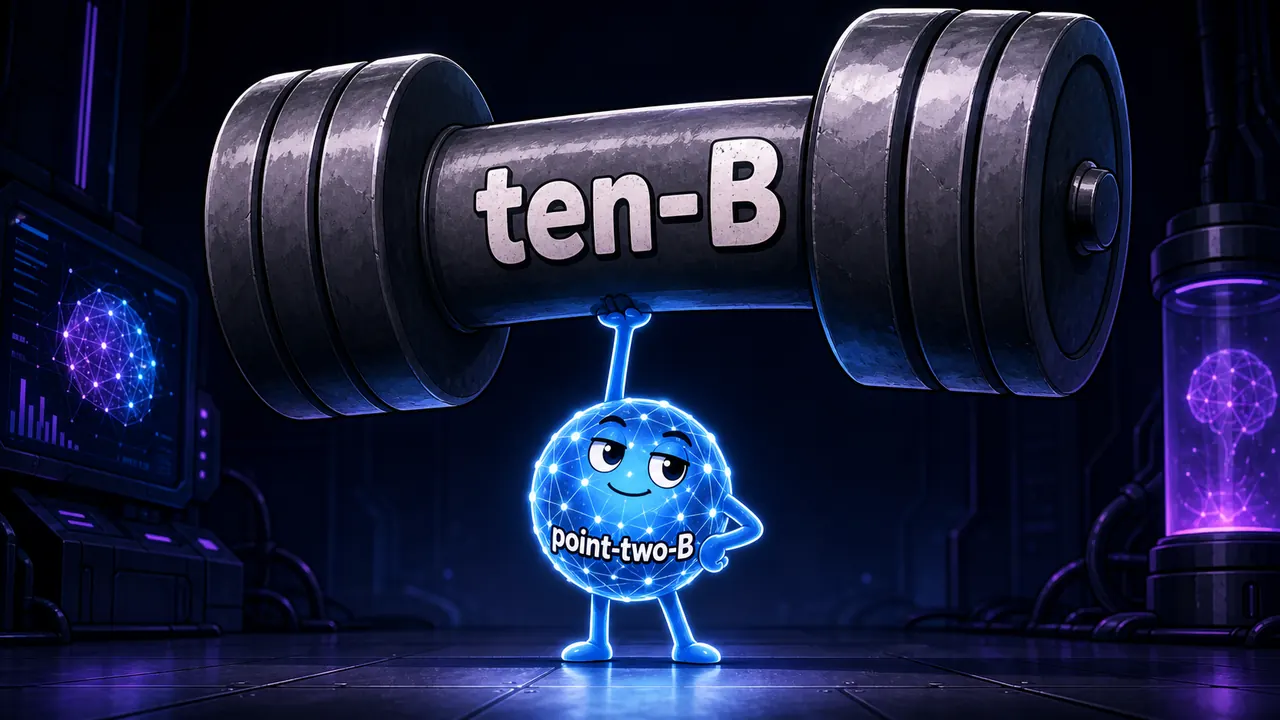
Moebius is a compact image-inpainting model with just 0.22 billion parameters that the authors claim matches 10-billion-parameter rivals. It uses a novel Local-λ Mix Interaction block plus a multi-granularity distillation strategy to absorb knowledge from bigger teacher models, yielding a claimed 15x-plus speedup in total inference time. It's another data point in the "small, efficient models punching above their weight" story.
Relevance 6/10Importance 8/10
Security firm Spur found that nearly half of smart TV apps on LG and Samsung platforms bundle residential proxy SDKs that quietly monetize users' home internet connections. Routing strangers' traffic through your network creates real security exposure to local devices, and the report notes Amazon and Roku have already banned the practice. Spur is calling for prominent disclosure and ongoing controls rather than a buried one-time consent prompt.
Relevance 5/10Importance 9/10
Canada's federal government unveiled a national strategy to build up to 10 new nuclear reactors by 2040, with Energy Minister Tim Hodgson pitching a "civilian nuclear renaissance" to double grid capacity by 2050. The plan also targets doubling uranium exports, expanding Candu reactor sales abroad, and doubling the sector's 90,000 jobs, though the $100-billion-plus buildout includes no new federal spending. Energy abundance is increasingly the backdrop for the AI data-center boom.
Relevance 6/10Importance 5/10
This opinion piece skewers the smart-glasses trend pushed by tech CEOs, calling the devices both ugly and impractical. The author argues that despite the AI marketing, they stay bulky, battery-limited, and raise serious privacy concerns for everyone around the wearer. The verdict: it's a dead-end fashion-and-tech fad ordinary people have little reason to adopt.
Relevance 5/10Importance 4/10
Optocam Zero is a DIY pocket digital camera built around a Raspberry Pi Zero using readily available components. It packs autofocus, an LCD, photo filters, GIF recording, and USB-C charging into a tiny 51×71×18mm body, with 3D-printable case files, a full bill of materials, and build instructions provided. It's a tidy maker project that nails the hardware-hacker sweet spot.
Relevance 4/10Importance 5/10
British Columbia's move to permanent Pacific Daylight Time in 2026 exposes a classic PostgreSQL trap: future appointments stored as timestamptz can silently shift by an hour when timezone rules change, since UTC reconversion uses current rules at query time. The fix is a dual-column pattern that explicitly stores both the local time and the timezone name, with a trigger computing UTC that can be recalculated when rules update. Practical engineering lore every backend dev eventually needs.
Relevance 3/10Importance 4/10
A charming visual essay on Japan's wordless symbol system across vehicles, driving, and transit, from the winged-triangle limited-express mark to driver badges signaling experience level or disability. These symbols fill the gaps where "reading the air" falls short, letting people extend consideration without explicit communication. A thoughtful look at design as silent social infrastructure.
Relevance 3/10Importance 3/10
A developer revisits an old Project Euler solution and discovers they once solved a combinatorics problem with pure mathematical insight, recognizing it as a "2n choose n" binomial pattern, rather than brute-forcing it with code. The post is a wry reflection on how reliance on computational tools can erode the instinct for elegant, paper-and-pencil reasoning. A relatable bit of programmer introspection.

 HN Briefing PM