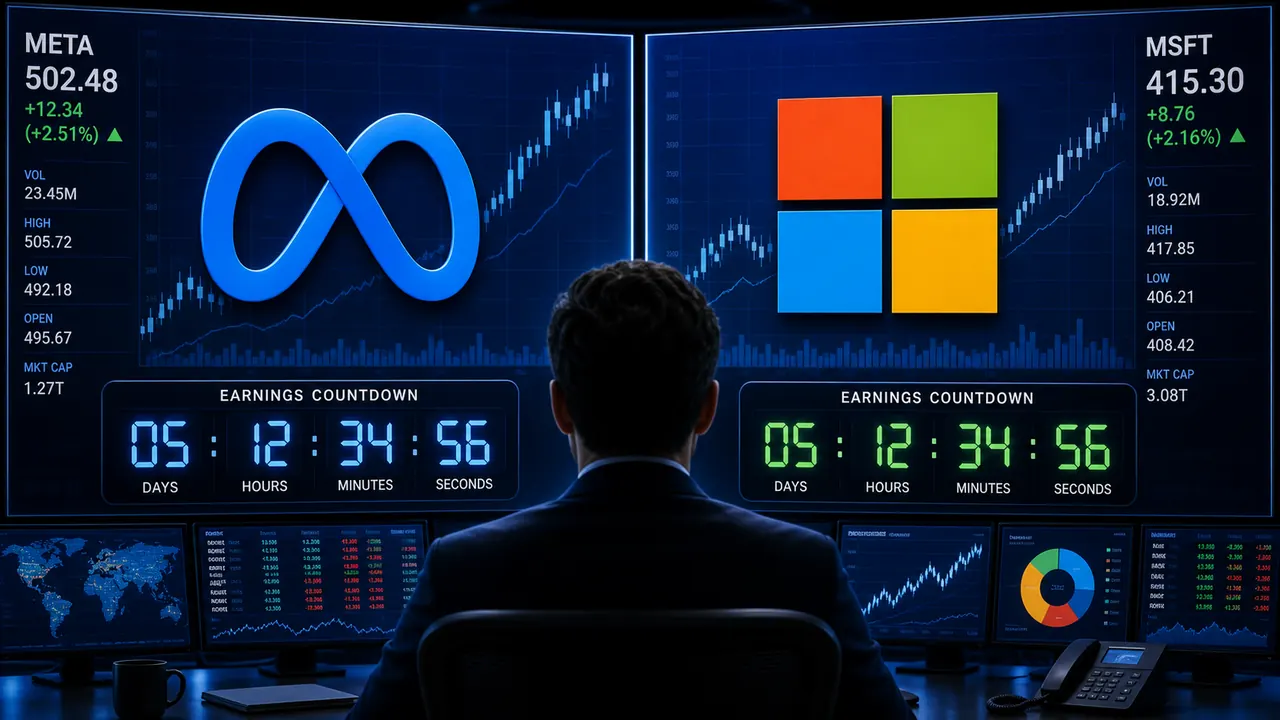
Meta and Microsoft both report after the close today — the two most-watched events of the week. Meta consensus sits at EPS $7.18 and revenue $60.22B (+26.7% YoY); Microsoft at EPS $4.24 and revenue $87.62B (+15% YoY). The pivotal number for Meta is whether capex guidance rises above the already-elevated $125B–$145B full-year range; for Microsoft it's Azure AI growth and the FY27 capex trajectory.
China's state-backed DRAM maker CXMT completed its Shanghai IPO last week and the fallout has been severe. Micron fell 8.9% on July 28 — the single largest drag on the S&P 500 that day — SanDisk dropped 16.1% across two sessions, and SK Hynix shed 8%. A separate report of a Chinese firm producing immersion DUV lithography equipment amplified the panic, though analysts note China remains years away from replicating HBM3 or HBM4 at scale.
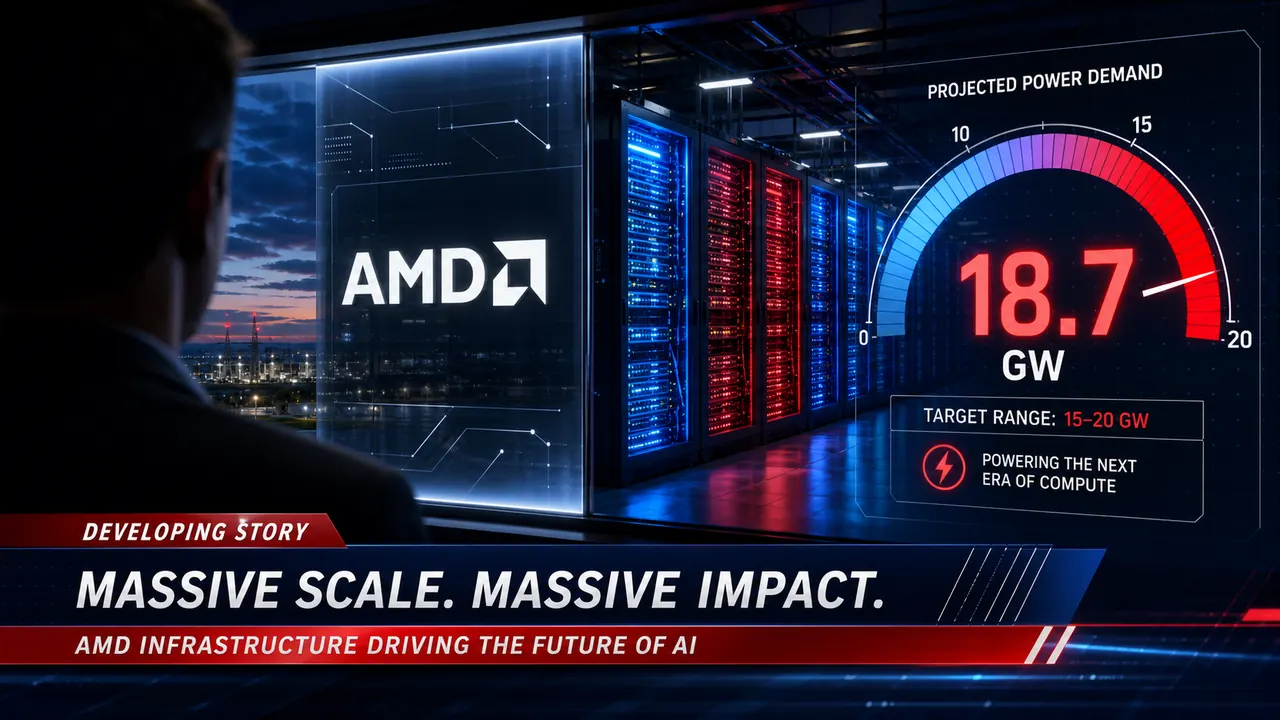
AMD and Anthropic announced a landmark strategic partnership on July 22: AMD investing up to $5 billion in Anthropic and supplying up to 2 gigawatts of Instinct MI450 Series GPUs via Helios rack-scale systems, with first deployments in H1 2027. OpenAI and Meta have separately committed to 12 gigawatts total of AMD accelerator capacity, putting AMD alongside Nvidia as a primary hardware partner for frontier AI labs.
Alphabet's Q2 headline numbers were strong — revenue $119.8B (+24% YoY), Google Cloud $24.8B (+82% YoY), Cloud operating margin tripling to 35.6%. But what rattled investors was free cash flow of negative $5.85 billion, the first negative FCF quarter since the 2004 IPO. Full-year capex guidance was raised to $195–$205B with 2027 expected to climb higher, raising questions about the long-term return on AI infrastructure spend.
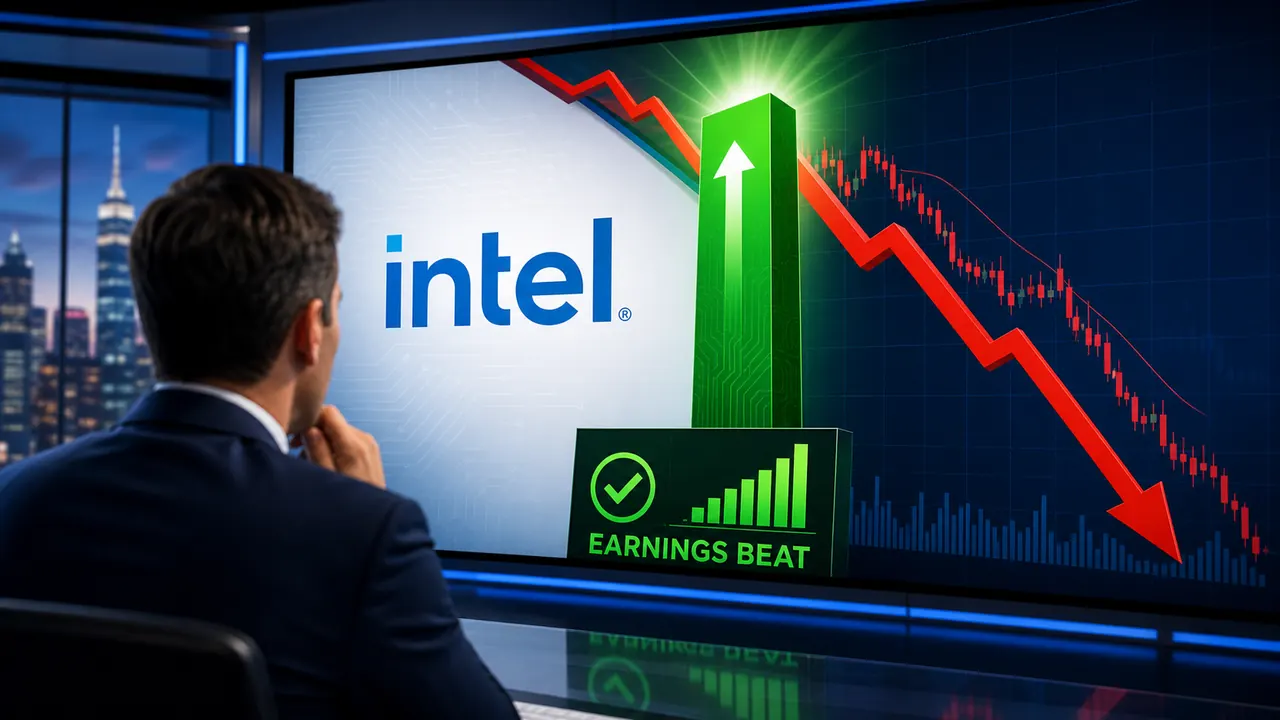
Intel reported Q2 revenue of $16.1B versus the $14.42B estimate — its fastest growth since 2011 — and adjusted EPS of $0.42 against a $0.21 consensus, a 100% beat. Data Center and AI revenue grew 59% to $6.3B. Despite the blowout, Intel dropped 5.9% the following session and was down another 1.6% in premarket Wednesday to $84.96, as markets questioned whether the demand surge is durable.
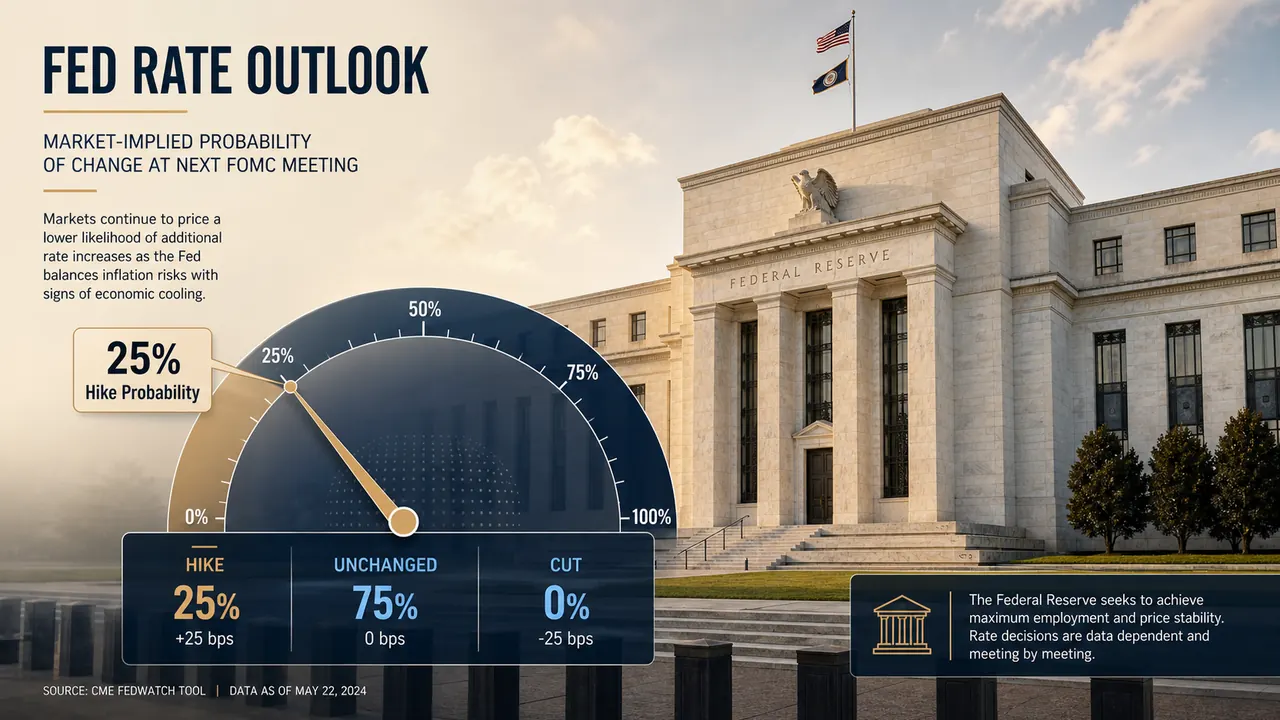
The Federal Reserve concludes its July FOMC meeting today with a live rate debate. CME FedWatch prices roughly 25% odds on a 25bp hike, with core PCE revised to 3.6% for 2026 and Fed Governor Waller recently signaling the focus has "completely flipped" toward inflation containment. Even a hold accompanied by hawkish guidance would add fresh pressure to growth and AI names already navigating a rough stretch.
Anthropic is organizing investor meetings ahead of a targeted October 2026 Nasdaq listing under ticker ANTH, having filed its S-1 confidentially on June 1 at a $965B post-money valuation. Annualized revenue is running approximately $45–$47B, and prediction markets put IPO completion odds at 76.5% by year-end. OpenAI, which filed its own S-1 around the same time, is reportedly weighing a delay to 2027 following a rocky comparable debut in public markets.
The rotation out of AI and chip names into cyclicals accelerated sharply through July 28 — the Dow gained 537 points (+1%) while the Nasdaq sat near correction territory, down roughly 9.3% from its recent record. Enterprise software and industrial names climbed as Treasury yields eased. For context: Micron, SanDisk, and SK Hynix each gained 200%+ in Q2, the best quarter for stocks since spring 2020 — and much of that is now unwinding fast.
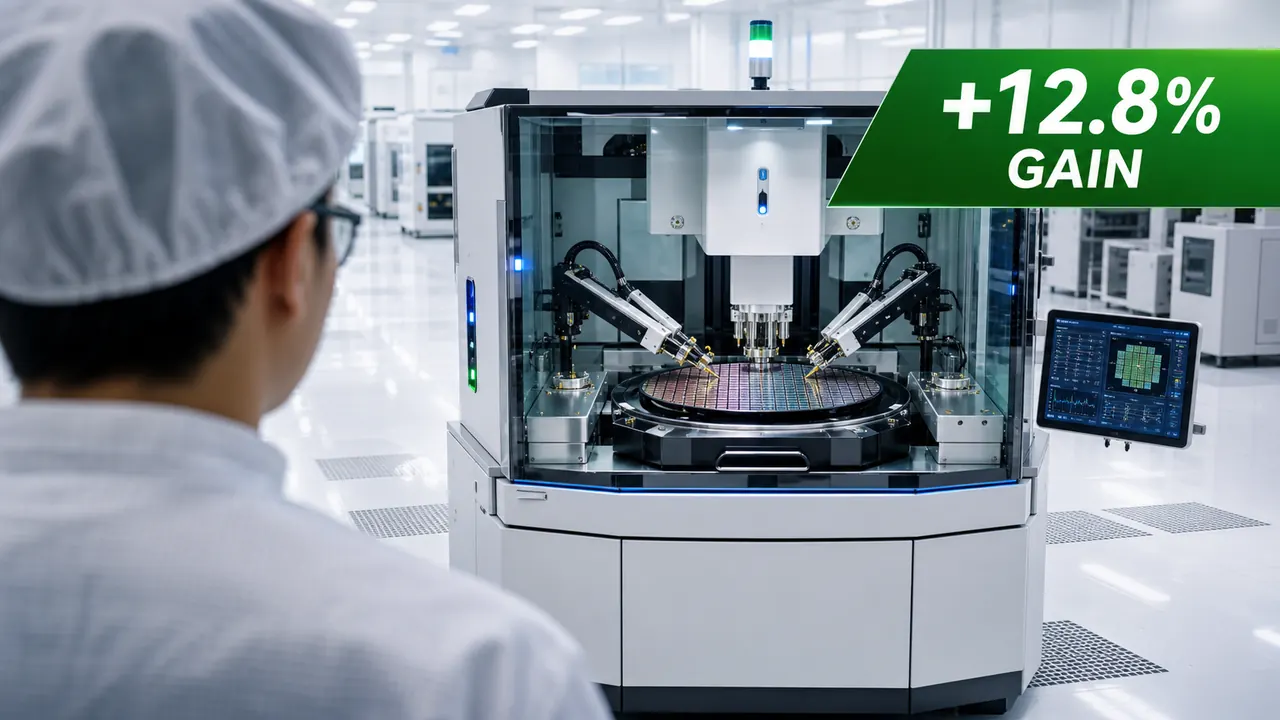
Teradyne — not a household name, but a clean proxy for AI hardware demand depth — jumped 12.8% after Q2 revenue of $1.33B beat the $1.22B estimate by 9.3% and adjusted EPS of $2.47 crushed the $2.05 consensus. Q3 guidance came in at a $1.25B revenue midpoint, roughly 20% above the Street's $1.03B estimate, driven by AI-related test demand across all three business segments.
Super Micro surged 23% on July 22 after a preliminary update showed gross margins well above forecast and $60B+ in new orders — a record backlog. The stock has since pulled back 4.56% on broader market weakness and lingering legal scrutiny. The order figure remains one of the most concrete demand signals in the AI infrastructure space, even as the broader rotation pressures the stock.

 AI Stocks