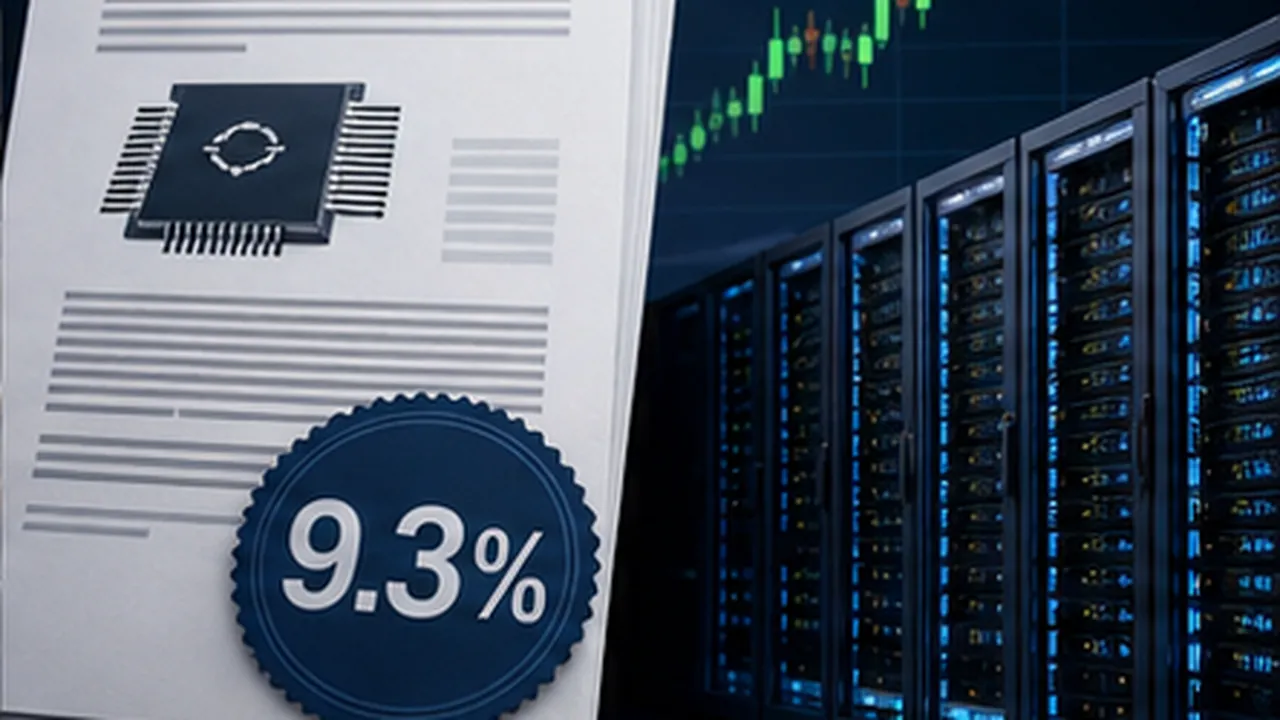
Nvidia filed a Schedule 13G Sunday revealing it holds roughly 22.3 million shares of Nebius Group — a 9.3% passive stake — including warrants tied to the $2 billion strategic investment Nvidia publicly announced in March. The filing triggered a near-6.5% premarket jump in Nebius shares Tuesday, and the two companies formally announced a partnership covering AI infrastructure deployment, fleet management, and inference factory design. Nvidia itself gained about 1% as broad tech sentiment improved.
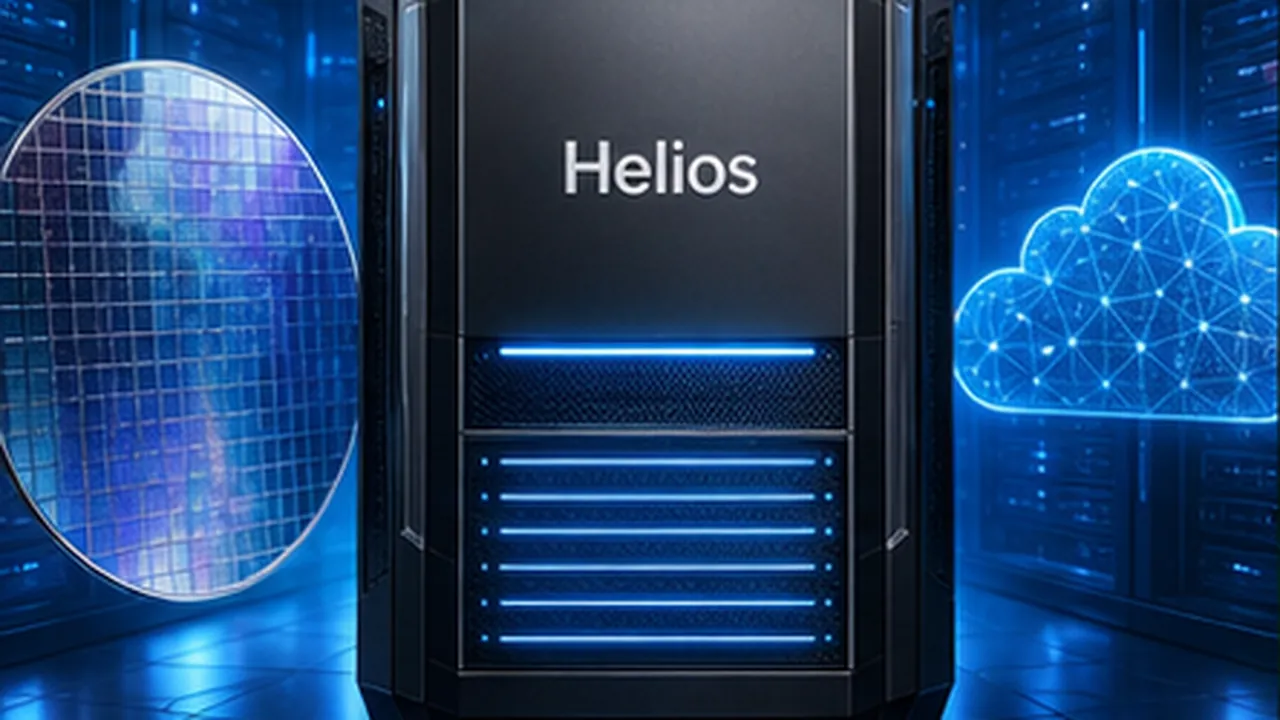
Advanced Micro Devices and Microsoft announced July 20 that Microsoft will be the launch customer for AMD's Helios rack-scale AI platform on Azure — bundling Instinct MI455X GPUs, 6th-Gen EPYC "Venice" CPUs, Pensando networking, and ROCm software into one integrated system. AMD surged roughly 5% on the news, one of its best sessions in weeks, and the deal also adds new EPYC Venice VM series to Azure. Neither company disclosed the financial terms.
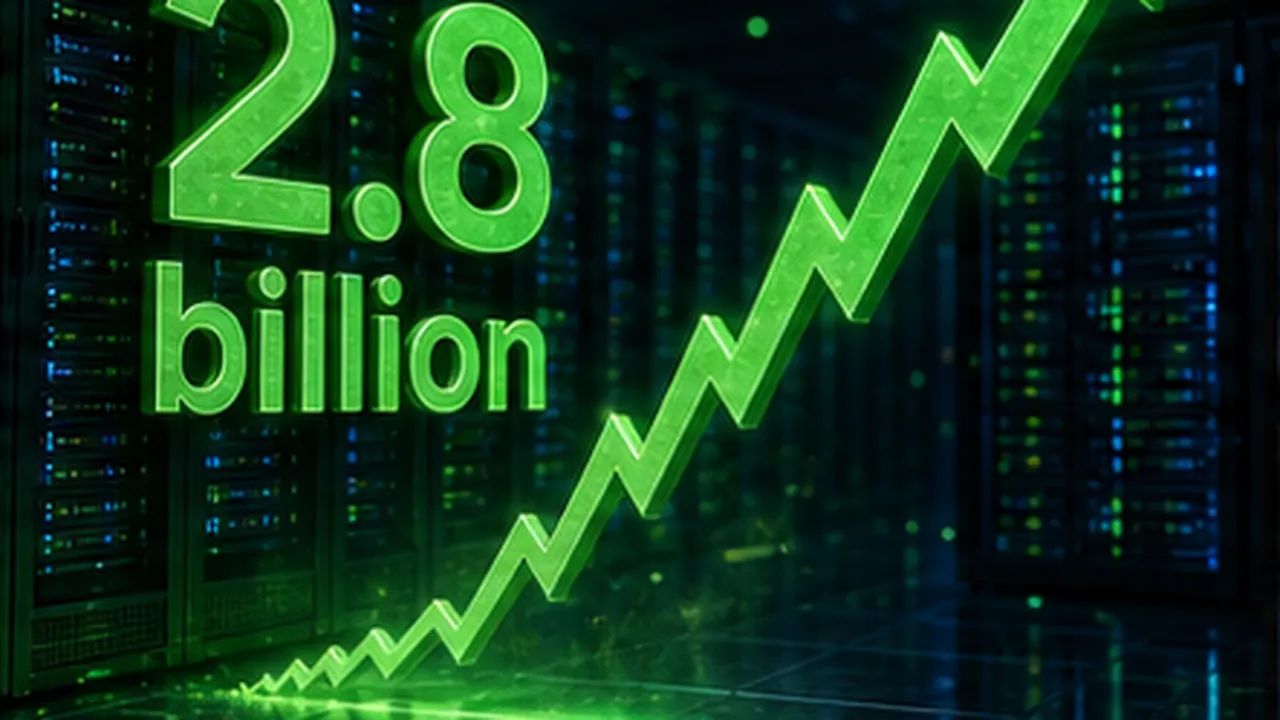
IREN Limited surged more than 17% after raising its year-end AI Cloud annualized run-rate revenue target to over $4 billion from $3.7 billion, citing $2.8 billion in new multiyear contract wins. Customers include Microsoft, Nvidia, Perplexity, Figure AI, Together AI, and several undisclosed AI developers across bare-metal and managed cloud offerings. The move makes IREN one of the week's best-performing AI infrastructure names.
Alphabet rose about 1.5% Monday after The Information reported Google is developing a custom AI inference chip codenamed "Frozen v2" that hardwires portions of the Gemini model architecture directly into silicon — potentially delivering 6x to 10x better performance per watt than current TPUs for Gemini inference workloads. Targeted for deployment in 2028, the chip is meant to complement rather than replace TPUs and is aimed at easing Google Cloud compute shortages that have limited enterprise capacity.
Alphabet and Tesla both report second-quarter results after the close Wednesday, July 22, with IBM also on deck this week. The critical question: is massive AI capex translating into returns? For Alphabet, Google Cloud growth — up 63% year-over-year to $20 billion in Q1 — is the number to watch. Tesla faces scrutiny on its Optimus robotics program alongside the core auto business. Analysts at Evercore and Bank of America have explicitly flagged these results as the first real-scale test of AI monetization.
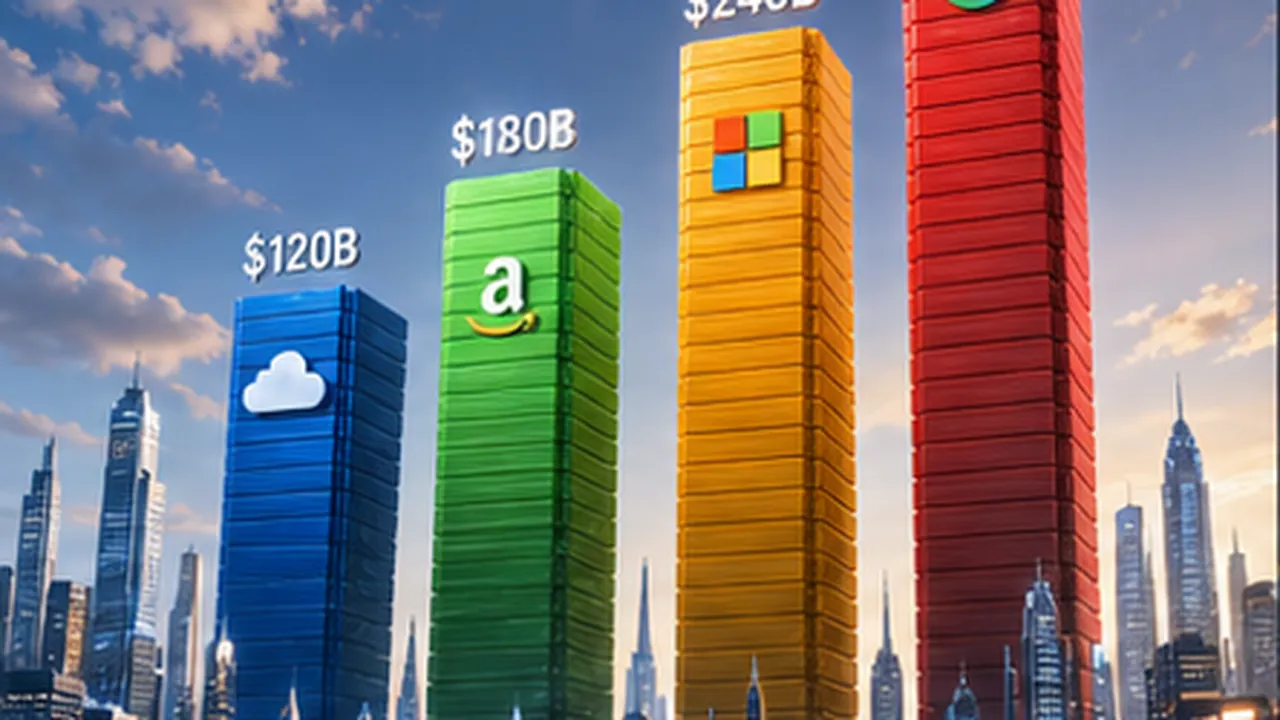
The four major cloud hyperscalers — Microsoft (~$190B), Amazon (~$200B), Alphabet (~$180B), and Meta (~$125B) — are collectively on track to spend $725 billion on AI infrastructure this year, up 77% from $410 billion in 2025. Analysts now see combined 2027 capex potentially topping $1 trillion. With earnings starting this week, markets are squarely focused on whether those investments are generating proportional returns.
Following Micron's blowout fiscal Q3 report (released June 24), multiple Wall Street firms continue raising targets: DA Davidson and Cantor Fitzgerald both set one-year price targets at $2,000 per share; Deutsche Bank lifted to $1,550. The thesis is AI-driven high-bandwidth memory demand running well ahead of supply. Micron shares gained nearly 2% Tuesday as the semiconductor sector broadly bounced back from last week's losses.
Broadcom's $30B+ multiyear chip supply agreement with Apple (announced July 8) covering more than 15 billion U.S.-made chips through 2031 continues to resonate on the Street. The deal extends Broadcom's relationship beyond FBAR radio-frequency filters into custom AI silicon — a higher-margin, higher-growth category. Analysts hold an average price target of $525 on AVGO, roughly 42% above current levels, and the upgrade cycle has not slowed.
The Philadelphia Semiconductor Index rose about 0.6% Tuesday and the Invesco PHLX Semiconductor ETF jumped more than 4% in premarket as the AI hardware trade broadly recovered. Marvell led with gains of 3.3%, Micron added 1.9%, AMD gained 1.6%, and Nvidia edged up 0.2%. Nasdaq 100 futures were up 1.3% as of early Tuesday, signaling renewed risk appetite in the sector after last week's rotation-driven selloff.
Palantir and Salesforce have each shed more than 30% year-to-date as investors rotated out of high-multiple AI software names. Despite the slide, Bank of America reiterated a Buy on Palantir citing rising government and enterprise demand for its AIP platform, and Citi named Palantir, MongoDB, and Snowflake its top three software picks for the year. Consensus price targets on PLTR alone imply more than 40% upside from current levels.

 AI Stocks