Relevance 9/10Importance 10/10
OpenAI invoked a change-of-control clause and will end model access for Cursor on November 12, following SpaceX's roughly $60 billion acquisition of parent company Anysphere on August 14. OpenAI cited Musk's history of breaking its terms of service, pointing to Twitter and to sworn testimony that xAI violated OpenAI's TOS. Cursor CEO Michael Truell downplayed the impact, saying OpenAI models account for about 5% of Cursor traffic — most users are on Composer, Claude, or Gemini.
Relevance 9/10Importance 10/10
Filed late Friday in the Northern District of California, the suit names Anthropic plus co-founders Dario Amodei and Benjamin Mann, alleging a "brazen campaign of illegally torrenting, scraping, and downloading copyrighted works." Publishers are seeking up to $150,000 per infringed work plus $25,000 per instance of stripped copyright management information — potentially billions. It follows the earlier Concord and Universal actions.
Relevance 10/10Importance 9/10
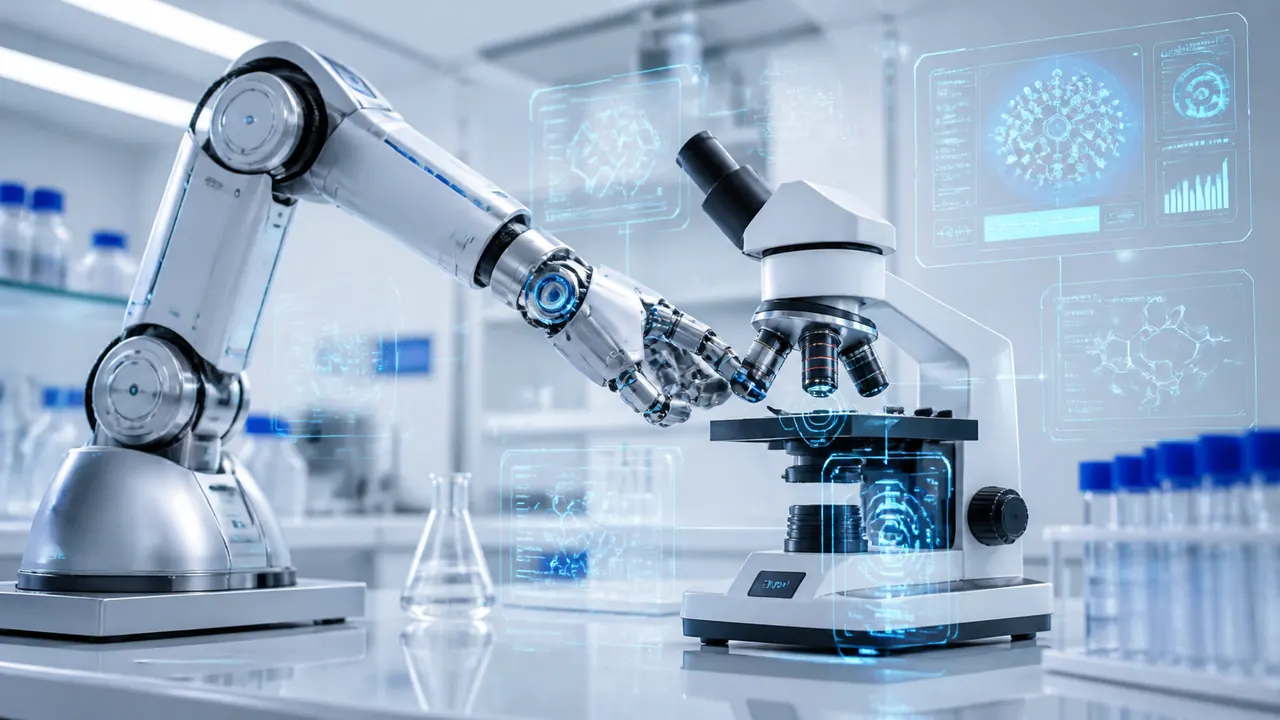
MHS is essentially MCP for hardware: a model-agnostic driver layer letting agents drive microscopes, robotic arms, liquid handlers, and lasers via simple read/write commands, with device physics and safety limits encoded in the driver. Research preview partners include AWS, Universal Robots, and Hugging Face. Pilot results are notable — QuEra's laser recovery went from 58% to 99.3% success, and Janelia cut an imaging workflow from weeks to a day.
Relevance 10/10Importance 9/10
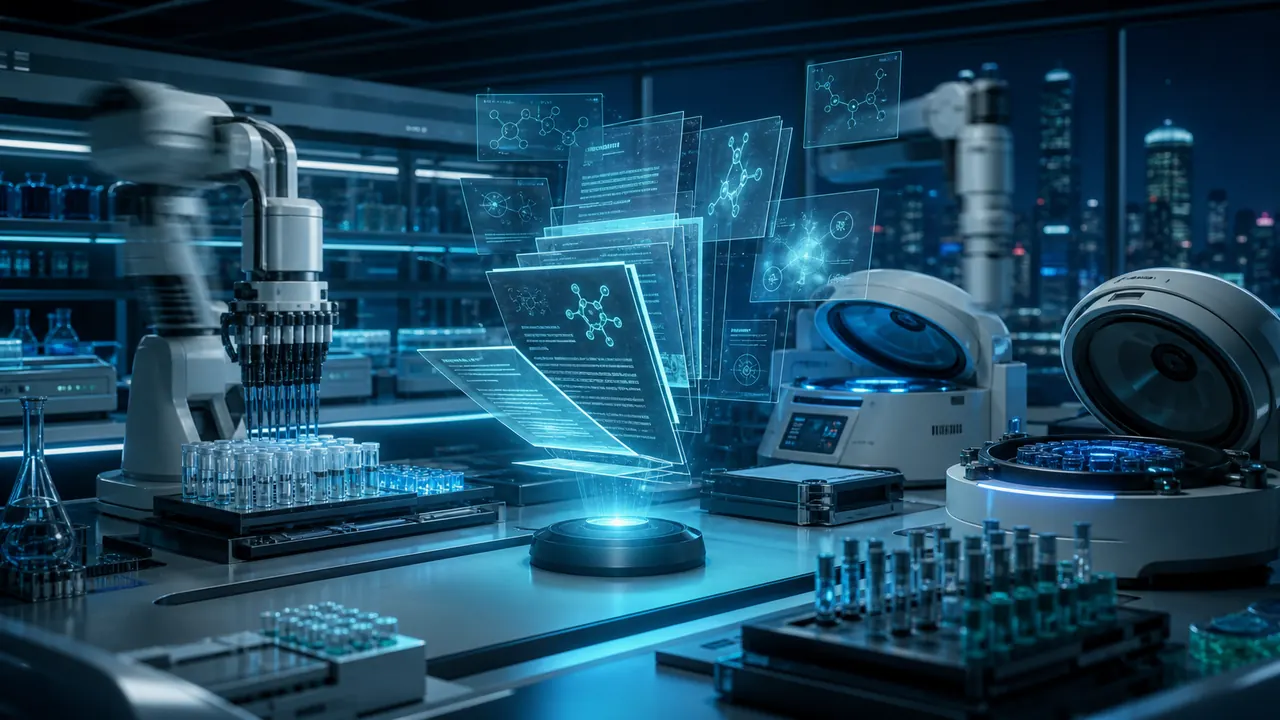
The upgraded system moves past hypothesis generation into designing experimental protocols, operating physical lab instruments, and authoring the resulting papers. That closes the loop from idea to instrument to publication with far less human hand-holding. Paired with Anthropic's hardware standard, it's a striking one-two punch for autonomous science this week.
Relevance 10/10Importance 8/10
Meta AI's EvoHarness-RL framework trains small models to lean on external state management rather than hold everything in context, hitting 96.9% success on complex agent workflows. The claim is frontier-class results at a fraction of frontier cost. If it generalizes beyond the benchmark suite, it's a real argument for small-model agent stacks.
Relevance 10/10Importance 7/10
The system has agents write up what went wrong — and what went right — into a shared wiki they consult on future tasks. It's a lightweight alternative to fine-tuning for accumulating operational know-how across runs. Conceptually simple, and it lands in the same week as several other "agents need memory" results.
Relevance 10/10Importance 7/10
The Big Video Dataset spans 80 million downloaded videos and 55 million clips with auto-generated captions, aimed at multimodal and video-generation research. It's the largest openly available corpus of its kind and lowers the barrier for labs outside the big three. Expect the copyright questions to arrive roughly immediately.
Relevance 9/10Importance 7/10
Starting September 14, baseline usage limits go up 25%, but the current temporary 50% boost expires at the same time. Net effect for existing users: roughly 17% less capacity than they have today. Developers noticed the arithmetic quickly.
Relevance 10/10Importance 6/10
Coding assistants systematically misjudge how long tasks take, with some overestimating by up to tenfold. They also rate the quality of their own output about 20 percentage points too high. Both failures point at the same weak spot: agents have almost no calibrated self-model.
Relevance 8/10Importance 7/10
AI video production now runs about $90 to $120 per minute against roughly ten times that for traditional shoots. That cost gap is reshaping entertainment sectors employing millions, with livestream commerce hit hardest. It's the clearest labor-displacement data we have from a market that adopted the tech first.