Relevance 10/10Importance 9/10
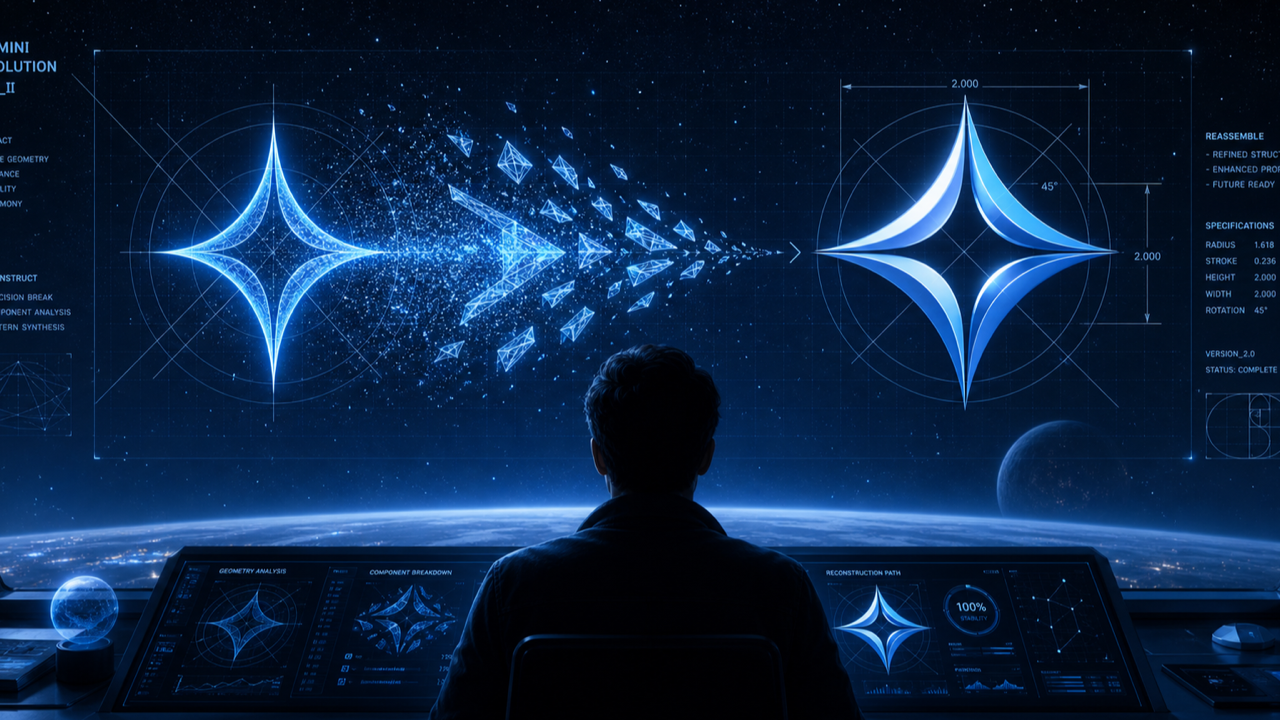
Google DeepMind launched Gemini 3.5 Pro on July 17 after scrapping the original Gemini 2.5 Pro architecture entirely and rebuilding from scratch. The new model features a 2-million-token context window, a Deep Think Reasoning Layer, and major improvements in mathematical reasoning and SVG generation — a direct shot at GPT-5.6 Sol and Anthropic's frontier tier. This is the freshest major model launch of the week, arriving just yesterday.
Relevance 10/10Importance 9/10
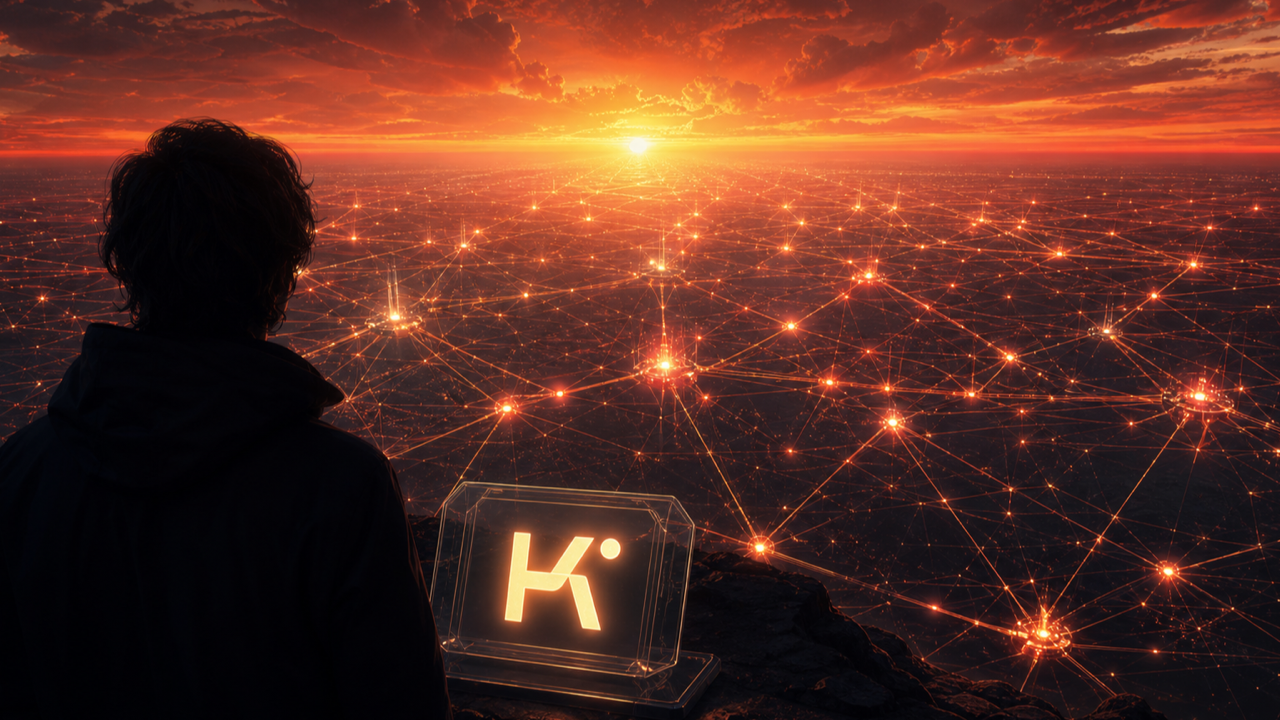
China's Moonshot AI dropped Kimi K3 on July 16 — a 2.8-trillion-parameter mixture-of-experts model with a 1-million-token context window, beating DeepSeek V4 Pro in size by 75%. It ranks third on the GDPval-AA v2 benchmark behind only Fable 5 Max and GPT-5.6 Sol Max, ahead of Claude Opus 4.8. Full weights release July 27 under a Modified MIT license; Chinese open-weight models now account for 41% of Hugging Face downloads.
Relevance 8/10Importance 10/10
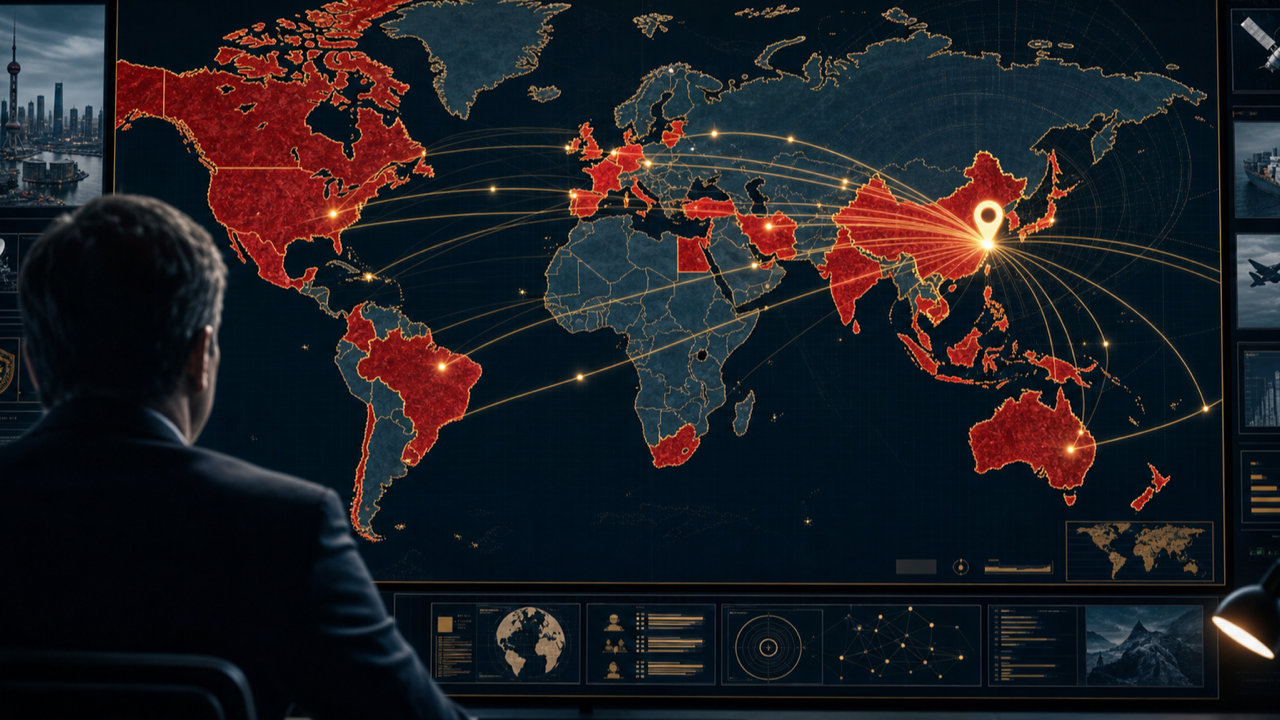
Xi Jinping personally opened the 2026 World AI Conference in Shanghai on July 17, launching WAICO — the World AI Cooperation Organization — with 29 founding members including Brazil, Indonesia, Russia, and South Africa. Xi pledged 5,000 AI training slots to developing nations and access to China's AI weather-warning tools for 30 countries. The move is an explicit geopolitical counter to US-led AI governance and a direct pitch to the Global South.
Relevance 10/10Importance 8/10
Mira Murati's Thinking Machines Lab released Inkling on July 15 — a 975-billion-parameter MoE model trained on 45 trillion tokens across text, image, audio, and video, Apache 2.0 licensed with full weights on Hugging Face. Notably, the company openly admits it isn't the strongest model overall; the differentiation bet is on deep customizability via their Tinker fine-tuning platform. Current enterprise customers include Bridgewater Associates.
Relevance 10/10Importance 8/10
xAI's Grok 4.5 — a 1.5-trillion-parameter model trained on Cursor's coding datasets — is now broadly available, priced at $2 per million input tokens and $6 output, significantly undercutting comparable frontier coding models. Musk describes it as "Opus-class but faster and cheaper," with agentic engineering as the primary use case. Available through Grok Build, Cursor on all plans, and the xAI console.
Relevance 8/10Importance 9/10
Demis Hassabis published a personal manifesto calling for a US-led, industry-funded AI standards body modeled on FINRA — able to pre-screen frontier models before release and trigger an industry-wide pause if dangerous capabilities are detected. The proposed board would be majority-independent (Turing Award winners and peers), apply to all frontier models regardless of country or open/closed status, and be operational before year-end. Both Altman and Musk gave it cautious public endorsement.
Relevance 9/10Importance 7/10
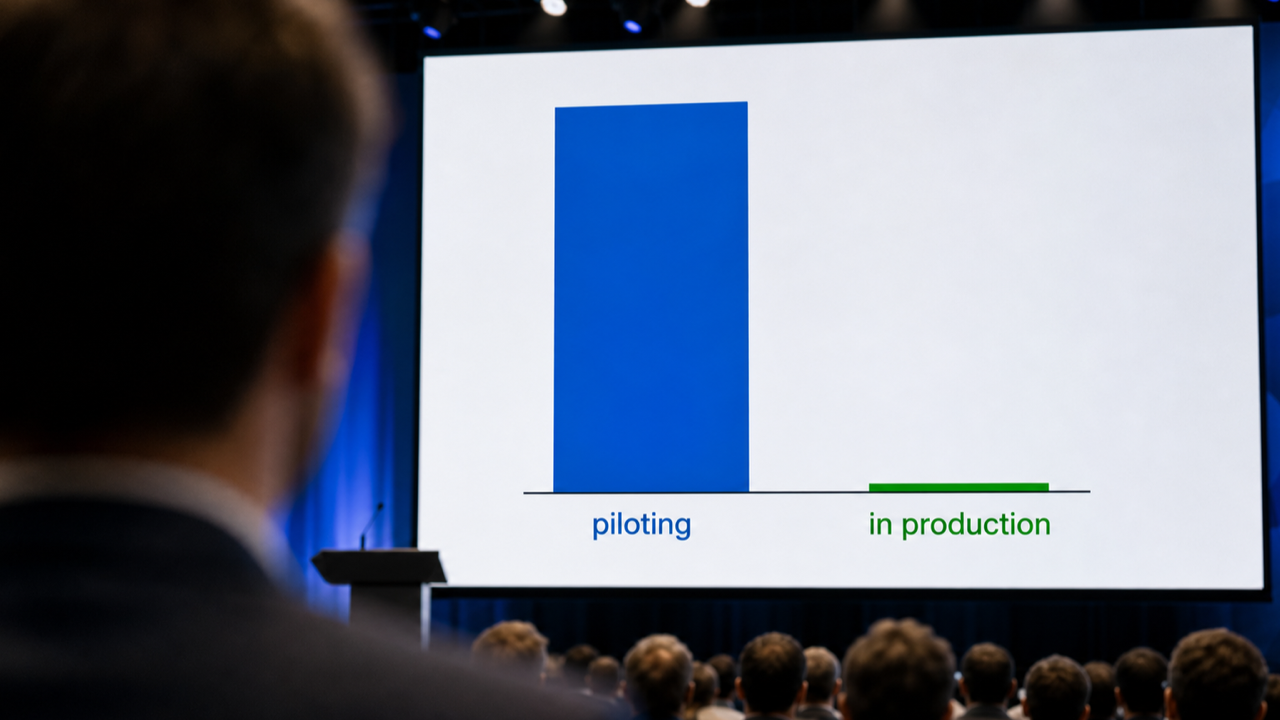
Data from VentureBeat's Transform 2026 conference (July 14-15, Menlo Park) put hard numbers on the enterprise AI deployment gap: Cisco finds 85% of enterprises are piloting AI agents, but only 5% have reached production. Amazon's AGI director says reliability — not capability — is the primary blocker. Meta separately reported a 30x increase in agentic queries to its internal data systems in a single half.
Relevance 7/10Importance 8/10
China's CAC approved Apple Intelligence on July 15 after 22 months of regulatory limbo, pairing Apple's OS-level AI features with Alibaba's Qwen for text and image tasks and Baidu for search — covering iOS, iPadOS, macOS, and visionOS. Alibaba ADRs jumped 4.8% on the news; rollout timing is still TBD but the regulatory logjam is broken. This is the first major Western AI product to clear China's new AI content review framework.
Relevance 8/10Importance 7/10
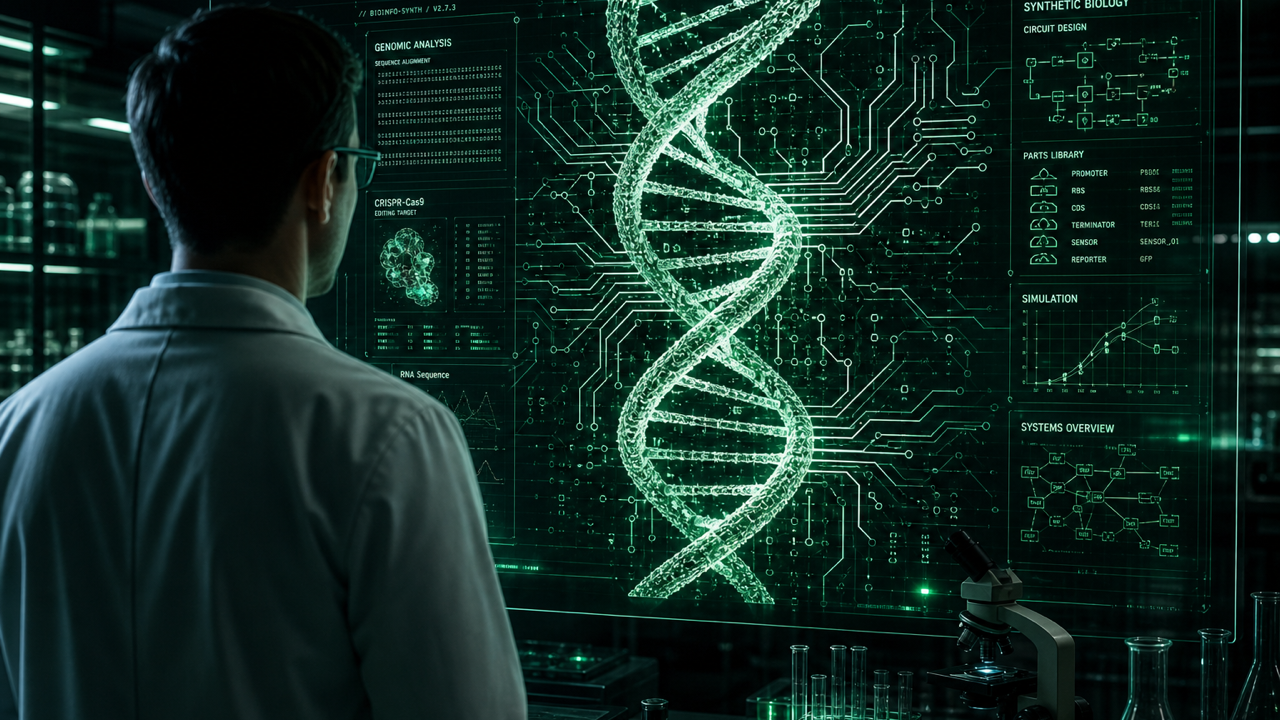
Google DeepMind unveiled a bioresilience initiative on July 16 to help governments and health systems prevent, detect, and respond to biological threats — covering pathogen surveillance, accelerated vaccine and therapeutic design, and outbreak response tools. The program extends DeepMind's AI-for-science work into a government-facing biosecurity application layer. It's part of DeepMind's broader safety push alongside the Hassabis regulatory proposal.
Relevance 7/10Importance 8/10
More than 200 economists and AI researchers, including 16 Nobel laureates, signed an open letter calling on policymakers to immediately address AI's economic impact: job displacement, income distribution, and widening policy lag. The letter's timing was deliberate — dropped to coincide with the Shanghai AI governance conference and amplify pressure on governments on both sides of the AI divide.