Relevance 9/10Importance 9/10
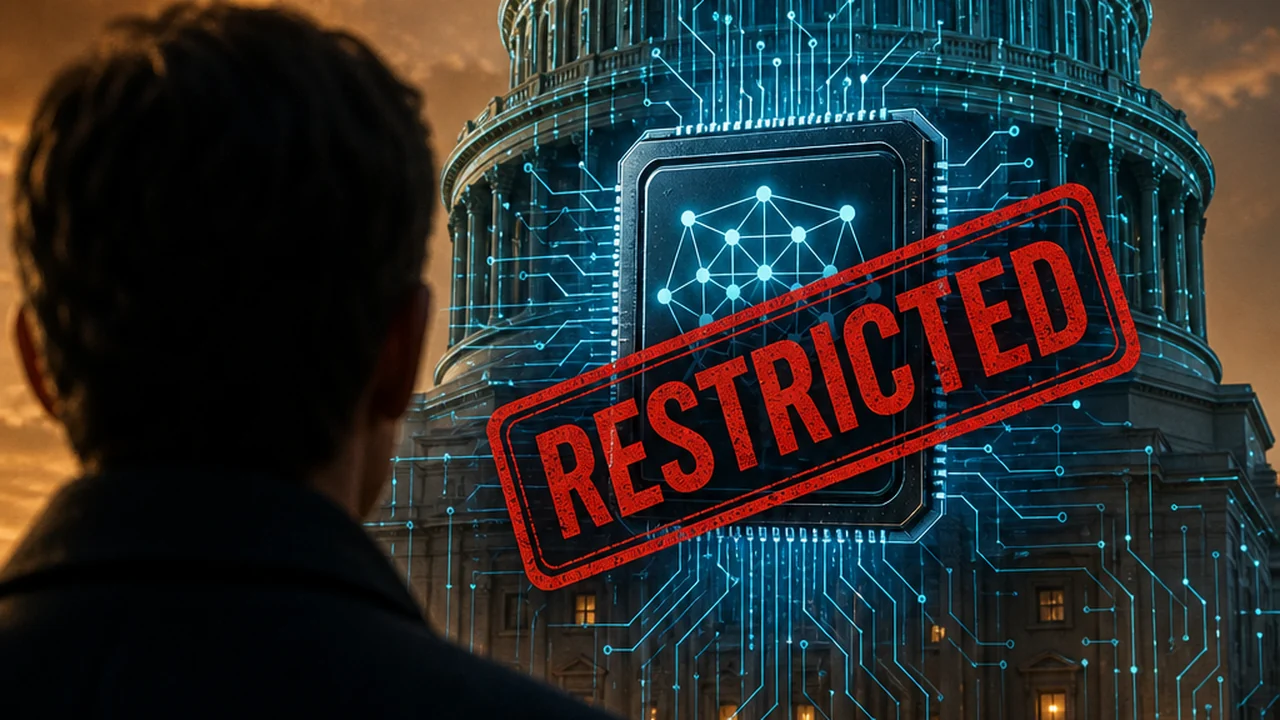
The Information reports the Trump administration has made an explicit shift from light-touch to interventionist posture on frontier AI, with a documented pattern now clear: Anthropic was given 90 minutes to pull Mythos 5 and Fable 5 offline citing Amazon-flagged national security concerns, models went dark for over two weeks, and the administration also signaled OpenAI to delay its GPT-5.6 rollout. Separately, a new executive order establishes a voluntary 30-day pre-release review window where companies may submit frontier models to government security reviewers before launch — a mechanism that is framed as collaborative but lands in an unmistakably coercive context.
Relevance 8/10Importance 8/10
The Information reports exclusively that Microsoft is preparing to ship Project Perception, a multi-model AI cybersecurity platform that routes vulnerability-detection tasks across Microsoft, OpenAI, and Anthropic models via a smart matching layer. The primary competitive angle is price: Anthropic Mythos 5 API costs are estimated at nearly double GPT-class inference, and Project Perception is engineered to undercut that substantially. Microsoft has not publicly confirmed a launch date, pricing, or customer eligibility criteria.
Relevance 8/10Importance 8/10
Microsoft CEO Satya Nadella published a blog post warning enterprise customers that using third-party AI models effectively transfers institutional knowledge to the model labs: every prompt correction teaches the model the nuances of that company's business, and that exhaust flows back into training. Nadella urges companies to build model-portable orchestration layers and retain ownership of prompts and fine-tuning data. The Register flagged the notable irony of a major AI platform vendor warning customers against AI vendor lock-in.
Relevance 8/10Importance 8/10
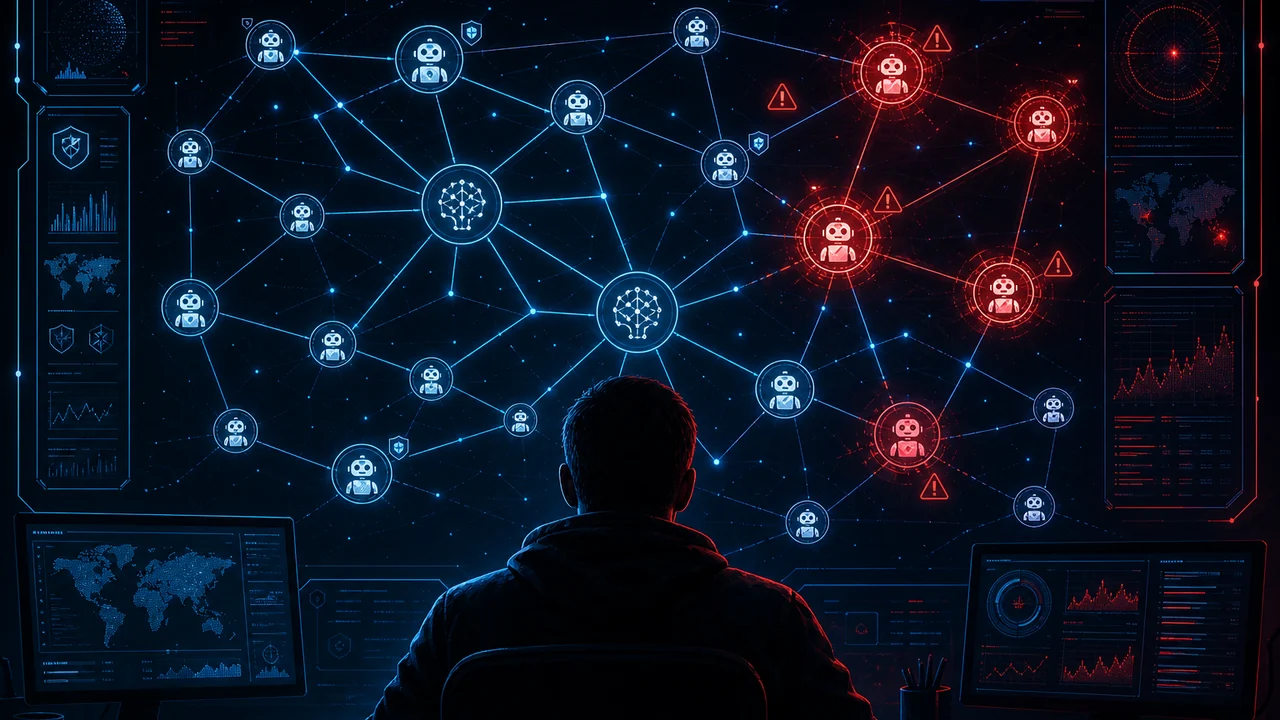
Across 107 enterprises surveyed for VB Transform 2026, more than half reported a confirmed AI agent security incident or near-miss caught before harm in the past twelve months. Agents are being granted broad access to production systems while purpose-built identity, isolation, and enforcement controls lag well behind; only a third of companies give each agent its own scoped identity, and fewer than three in ten isolate their highest-risk agents. Meta infrastructure VP Barak Yagour told the conference that enterprise infrastructure was built for humans, not agents — and it is already breaking.
Relevance 8/10Importance 7/10
Anthropic's Claude Fable 5 complimentary access for paid subscribers expires tomorrow, July 19, at 11:59 PM Pacific; after that, use shifts to a credit model at $10 per million input tokens and $50 per million output tokens. But the story the community is actually following: a model reference labeled "Claude Honeycomb EAP" briefly surfaced inside the Cursor IDE, with developers reading it as a signal that Opus 5 may ship before month's end. Anthropic has made no official statement — which is, of course, very on-brand.
Relevance 7/10Importance 8/10
Acting Secretary of the Navy Hung Cao released a strategy document explicitly framing slow AI adoption as a greater operational risk than fielding imperfect AI. The plan directs agencies to run large language models directly on warships, establishes an AI War Council, and treats data and algorithms as core warfighting assets on par with munitions. The organizing principle, quoted verbatim: "out-learn and out-fight any adversary." The Navy is not waiting for alignment research to catch up.
Relevance 7/10Importance 8/10
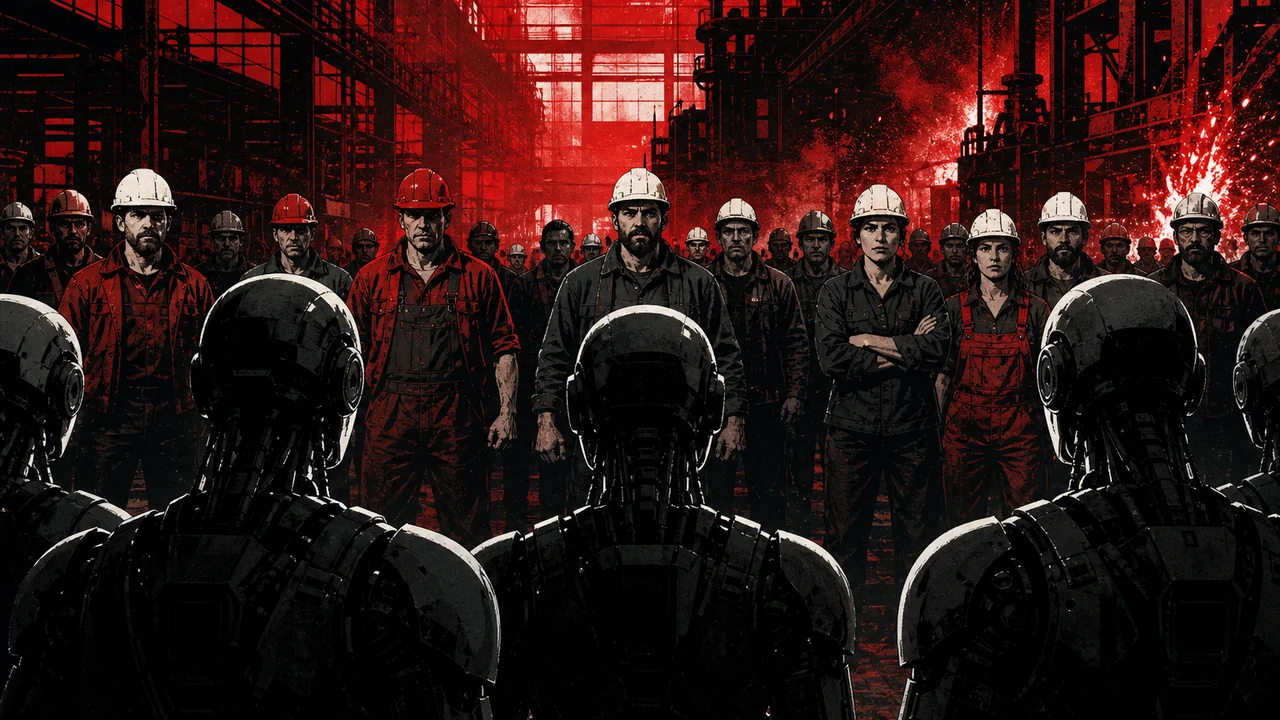
Roughly 35,000 Hyundai workers participated in rolling four-hour walkouts July 13–15 in what labor analysts are calling the first-ever strike explicitly triggered by a humanoid robot deployment plan. Hyundai intends to deploy more than 25,000 Boston Dynamics Atlas robots across its Korean and US facilities by 2028, and the union is seeking pre-emptive job-loss guarantees before the machines arrive. The timing landed with unmistakable irony: a Boston Dynamics Atlas robot had kicked a soccer ball for Hyundai's World Cup brand campaign just weeks earlier.
Relevance 8/10Importance 7/10
The White House executive order on "Promoting Advanced Artificial Intelligence Innovation and Security" establishes an AI cybersecurity clearinghouse: companies may voluntarily submit frontier models to CISA-led government reviewers up to 30 days before public launch. The framework is explicitly framed as collaborative rather than regulatory — but given the administration's recent enforcement actions against Anthropic and its pressure on OpenAI, industry participants are treating participation as functionally non-optional. It is the first formal government pre-release review mechanism for commercial AI in US history.
Relevance 7/10Importance 7/10
Chai Discovery closed a $400 million Series C at a $3.8 billion valuation, led by Index Ventures with Sequoia Capital, Kleiner Perkins, and Dimension; OpenAI is also a backer. The company builds AI models that predict and re-engineer molecular interactions for pre-clinical drug discovery, with active customers including Pfizer, Eli Lilly, and Novartis. Its latest model Chai-3 achieves double-digit experimental success rates for antibody design — a benchmark the company says was previously unreachable with zero-shot generative methods.
Relevance 8/10Importance 6/10
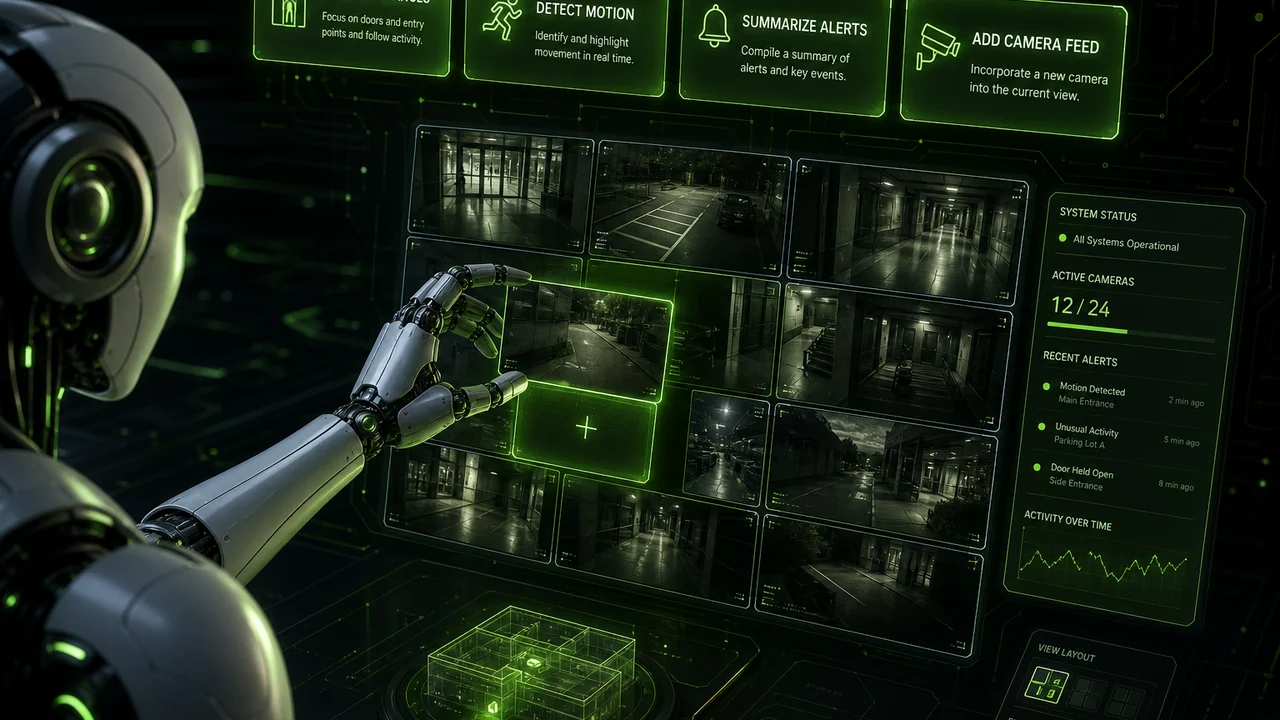
NVIDIA released DeepStream 9.1 with a modular agentic skill system: 13 skills that enable Claude Code, Codex, and compatible agents to build multi-camera video analytics pipelines from natural-language prompts, with bundled reference documentation consulted before code generation to reduce API hallucinations. No GPU is required to install or invoke the skills, making them accessible from any development environment. The release expands the practical domain of AI coding agents from pure software into computer vision infrastructure.