Relevance 9/10Importance 9/10
The EPA issued guidance clarifying that the Clean Air Act's Acid Rain Program doesn't apply to "islanded" power generation — facilities disconnected from the public grid. That's a direct green light for AI data centers to build their own dedicated generation without certain compliance requirements. The stated rationale is reducing strain on the public grid and protecting ratepayers, but it materially lowers the regulatory cost of standing up massive AI compute.
Relevance 9/10Importance 7/10
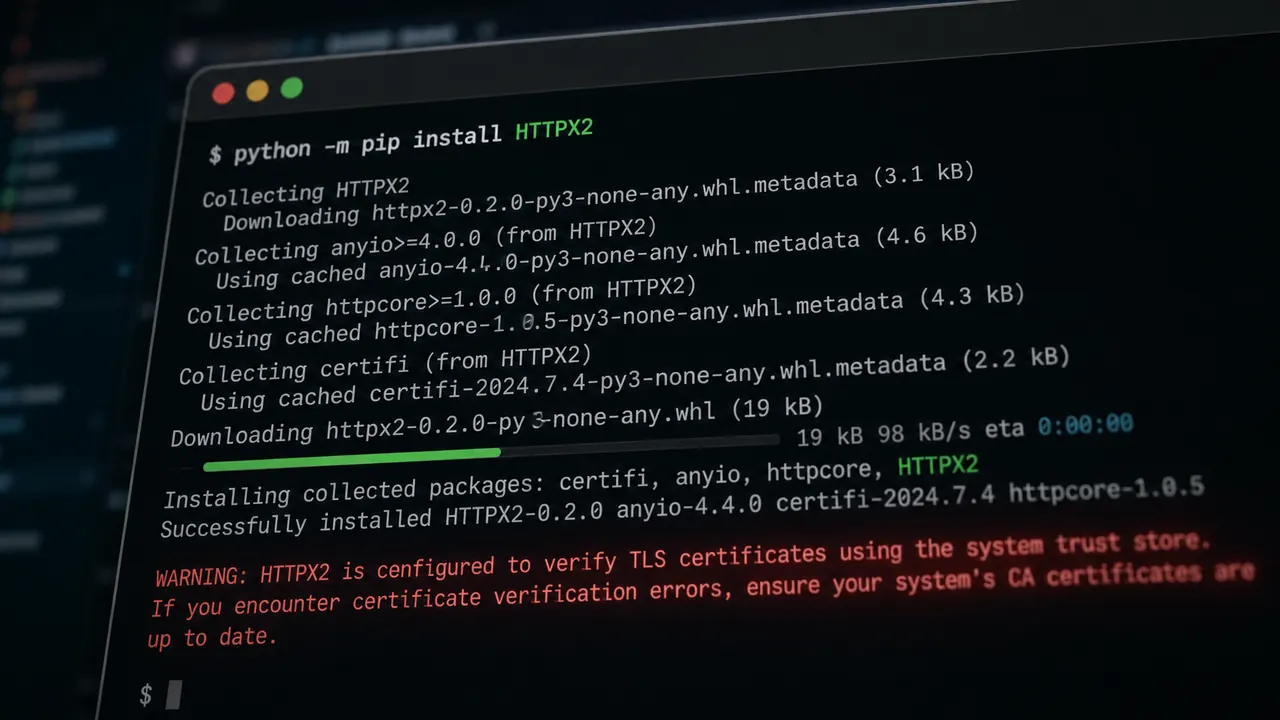
The OpenAI Python SDK has swapped its HTTP layer from HTTPX to HTTPX2, which now installs automatically. Default-client code keeps working, but HTTPX2 changes the default TLS trust store, and anyone with custom transports, auth handlers, or mocked tests in their suite will need to migrate to HTTPX2 objects. Given how many production AI apps depend on this SDK, it's a small change with a very wide blast radius.
Relevance 8/10Importance 6/10
Josh Karamuth lays out three pain points with AWS Cognito: documentation written for too many audiences at once, breaking API changes like the Amplify v6 architectural overhaul, and customization limits that push you into rebuilding your own auth UI anyway. His conclusion is that the engineering hours spent fighting Cognito would have bought a better alternative outright. The takeaway for founders: run a real proof-of-concept before you marry your auth layer.
Relevance 6/10Importance 7/10
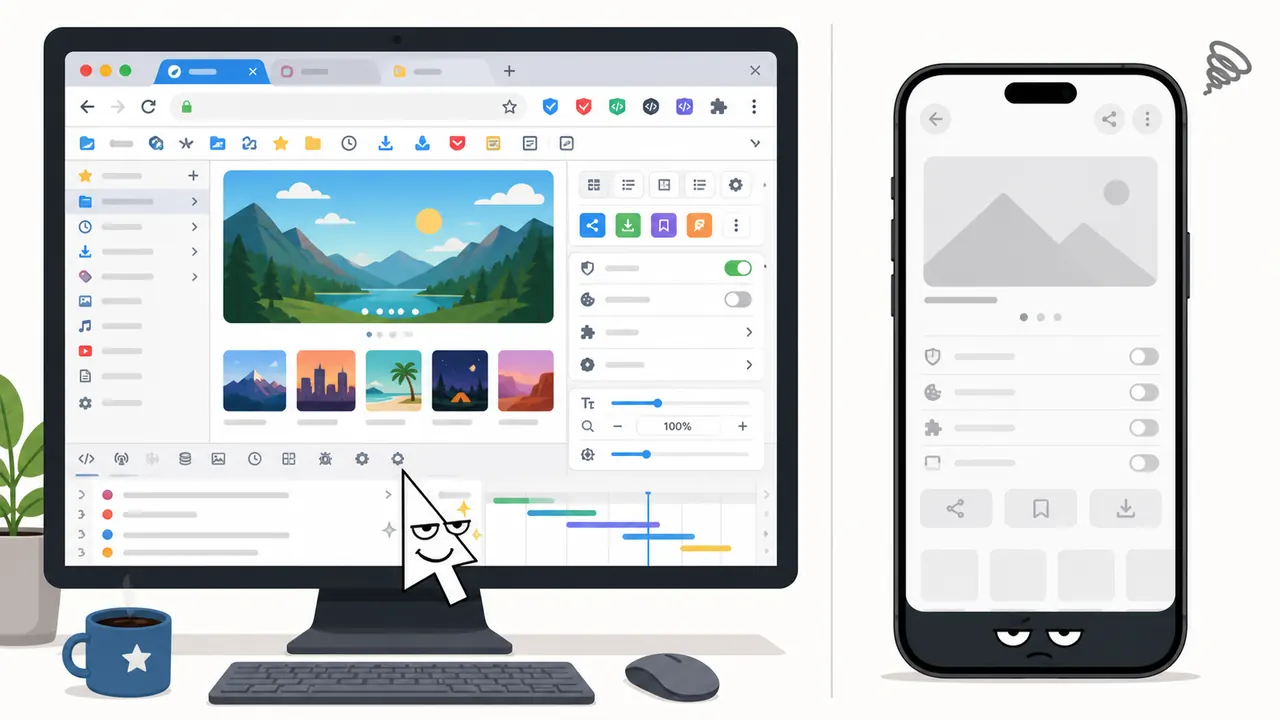
Terence Eden takes aim at companies shipping half-finished native apps that can't do things their own websites handle fine — his example is Google Calendar on Android, which still can't subscribe to a calendar. He argues this is engagement-metric-driven product design, not user need. And since these apps phone home to a server for everything anyway, he says, congratulations, you've reinvented the web browser.
Relevance 5/10Importance 7/10
Alyssa Rosenzweig derives a closed-form method for computing the volume of a closed triangulated mesh by using the divergence theorem to turn a volume integral into a surface integral. The result collapses to eleven floating-point operations per triangle, linear in mesh size. That's roughly thirty million triangles per frame on hardware as modest as a Raspberry Pi.
Relevance 5/10Importance 6/10
Refund4Freedom is a campaign backed by the Italian Linux Society and the Free Software Foundation Europe pushing for your right to refuse a pre-installed Windows license. It demands transparent OS pricing, real manufacturer choice, and a refund process that isn't deliberately painful. The site walks you through filing a claim and documents successful cases against major OEMs.
Relevance 5/10Importance 5/10
Orbify is demoing patent-pending "warping" navigation tech that curves the map upward so the road ahead folds into view — the Inception effect. The browser demo runs on PlayCanvas Engine and drops you into a 3D Hamilton Stadium you can fly around with keyboard and mouse. The company is openly courting pilots, collaborators, and investors off the back of it.
Relevance 5/10Importance 5/10
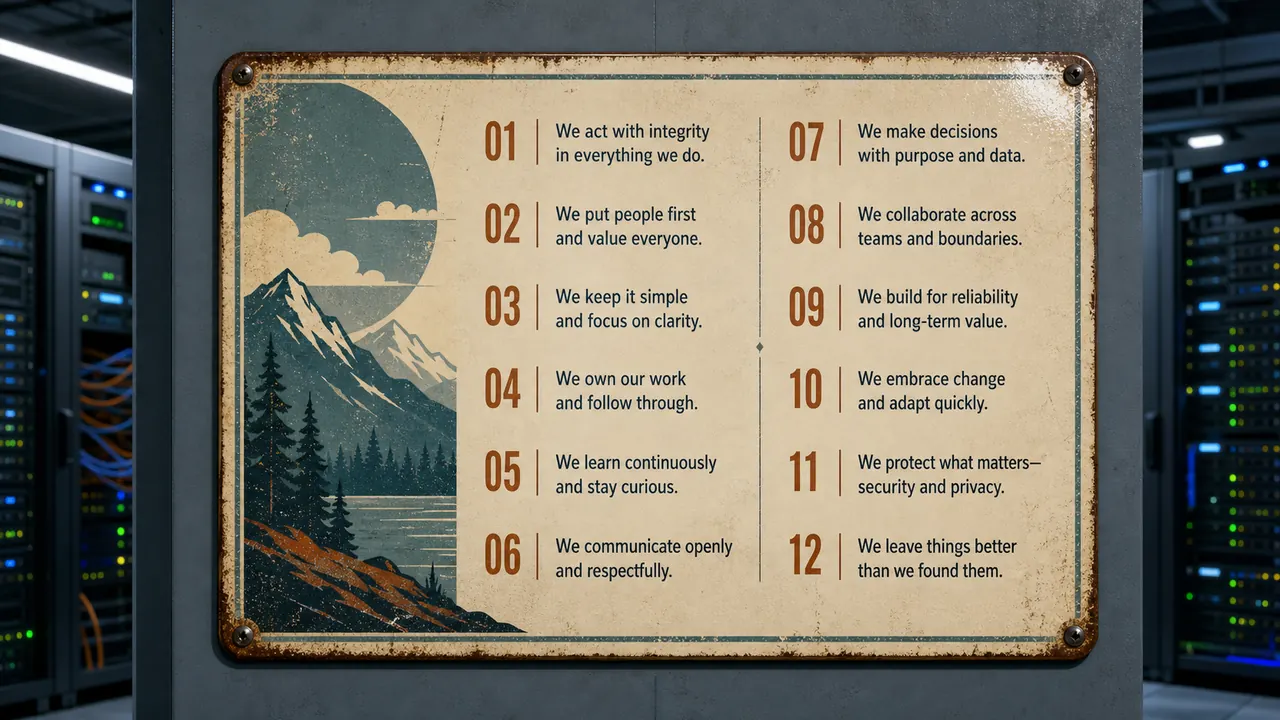
The classic Heroku-born methodology for building software-as-a-service apps is back on the front page. Twelve Factor codifies declarative setup, clean OS contracts, and minimal dev-to-prod divergence, distilled from deploying hundreds of thousands of apps. It's language-agnostic and still the shared vocabulary most teams reach for — though the canonical document hasn't been revised since 2017.
Relevance 4/10Importance 4/10
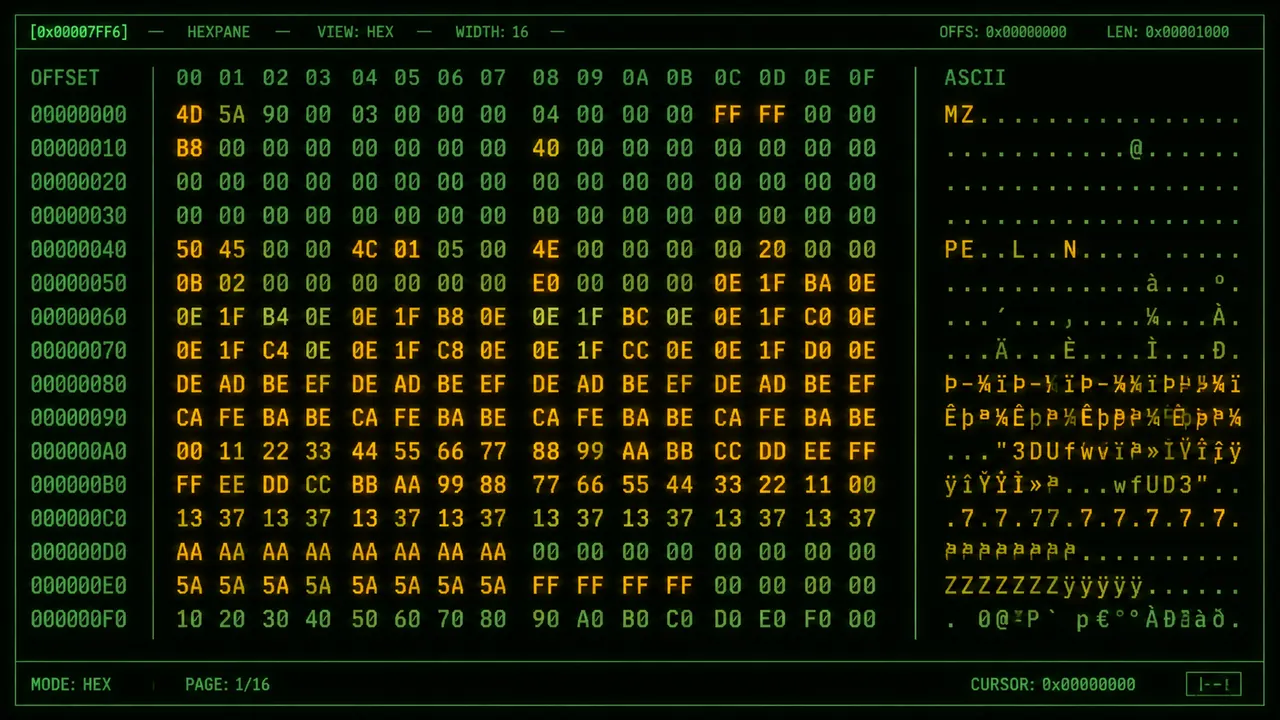
FF-16-TUI is a static analysis tool that scans an entire file for frequently occurring local 16-bit patterns to help you reverse-engineer unknown binary layouts. It surfaces recurring data structures visually so you can infer the format. Everything runs in a keyboard-driven terminal UI with filtering and a dictionary lookup for interpreting what you've found.
Relevance 3/10Importance 4/10
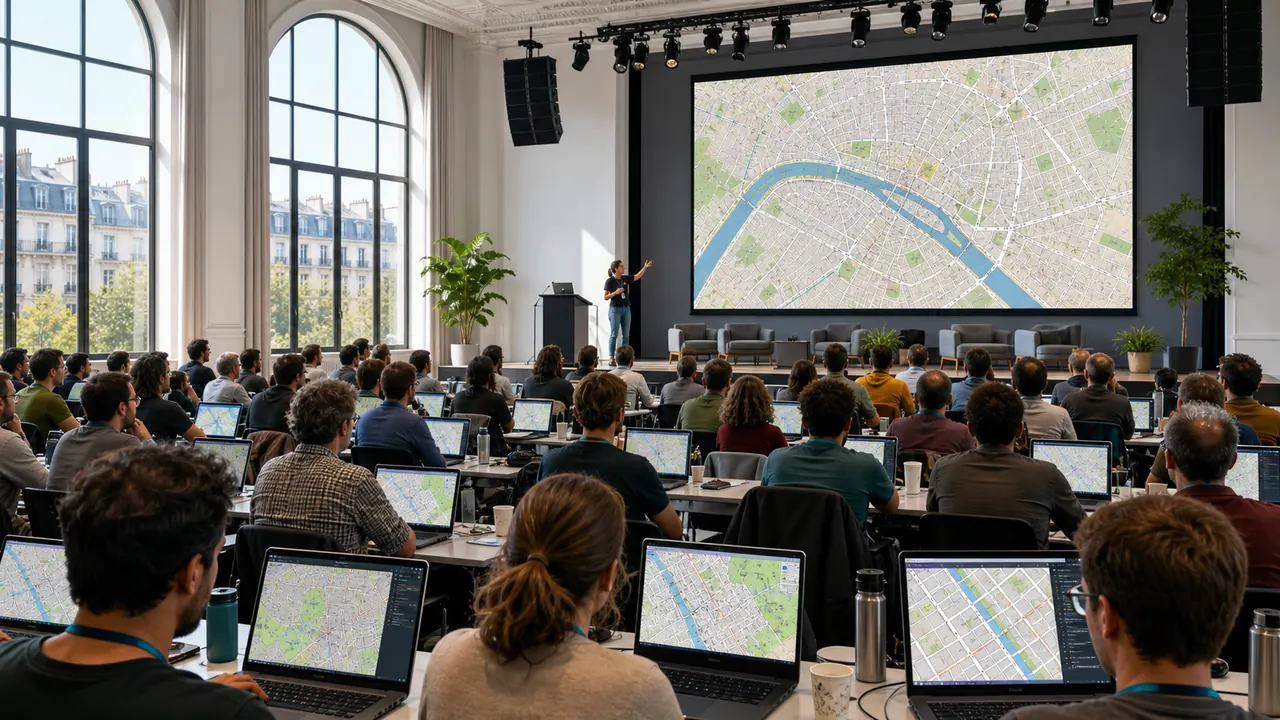
State of the Map is the annual gathering for OpenStreetMap mappers and users, running talks, workshops, and discussion rounds. This year it's August 28th through 30th in Paris, at Cité Descartes in Champs-sur-Marne. It's running hybrid, so remote attendance is on the table.

 HN Briefing AM