Relevance 10/10Importance 10/10
Nvidia has reportedly agreed to buy Hugging Face — the de facto home of open-source AI models — for roughly $12.9 to $13 billion, according to The Information and Business Insider. Hugging Face was last valued around $4.5 billion in its 2023 round, so this is nearly a 3x markup in three years. Neither company has confirmed publicly, and Business Insider cautions the talks could still fall apart.
Relevance 9/10Importance 7/10
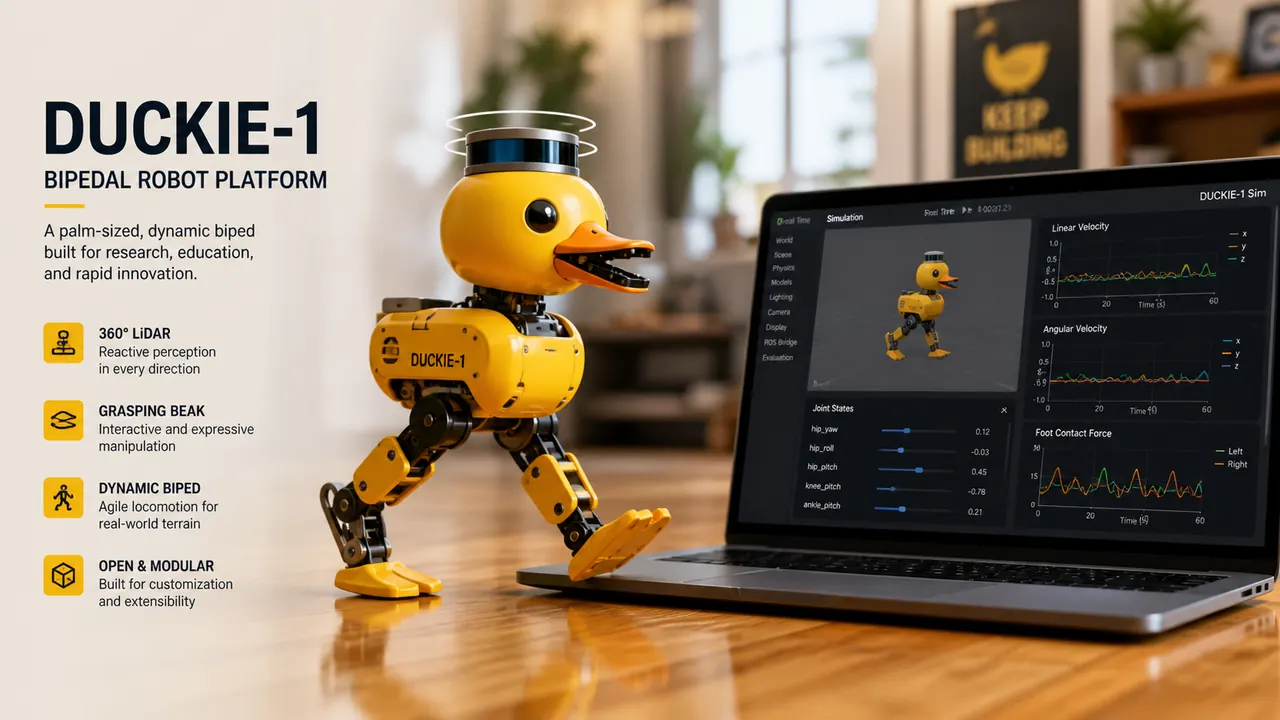
Microduck is a 25-centimeter, 800-gram biped robot with 15 motors, a wide-angle camera, LiDAR, mics, speaker, dual IMUs, NFC, and a grasping beak — pre-order price $399. It ships with seven pre-trained behaviors including walking, kicking, grabbing, roller skating, and self-righting after a fall. The SDK, MuJoCo sim environment, and full RL training stack are Apache 2.0, with first deliveries targeted before Christmas 2026.
Relevance 9/10Importance 6/10
The piece argues that AI coding assistants generate plausible but architecturally drift-prone code, so you need deterministic tooling wrapped around them rather than more clever prompting. It proposes three components: a HARNESS.md context document, architectural constraint enforcement at verification checkpoints, and scheduled "entropy garbage collection" passes. The framing is that a test harness checks functional correctness, while a harness-engineering setup checks architectural coherence over time.
Relevance 8/10Importance 7/10
MIT's committee found AI is quietly dissolving the load-bearing parts of its education model — problem sets, study groups, office hours — leaving students more confused and more isolated even as personalized learning improves. Rather than a blanket ban, the report recommends departments build their own frameworks favoring augmentation over automation. It also calls for redesigning courses around explicit learning outcomes and reinvigorating in-person collaboration.
Relevance 7/10Importance 5/10
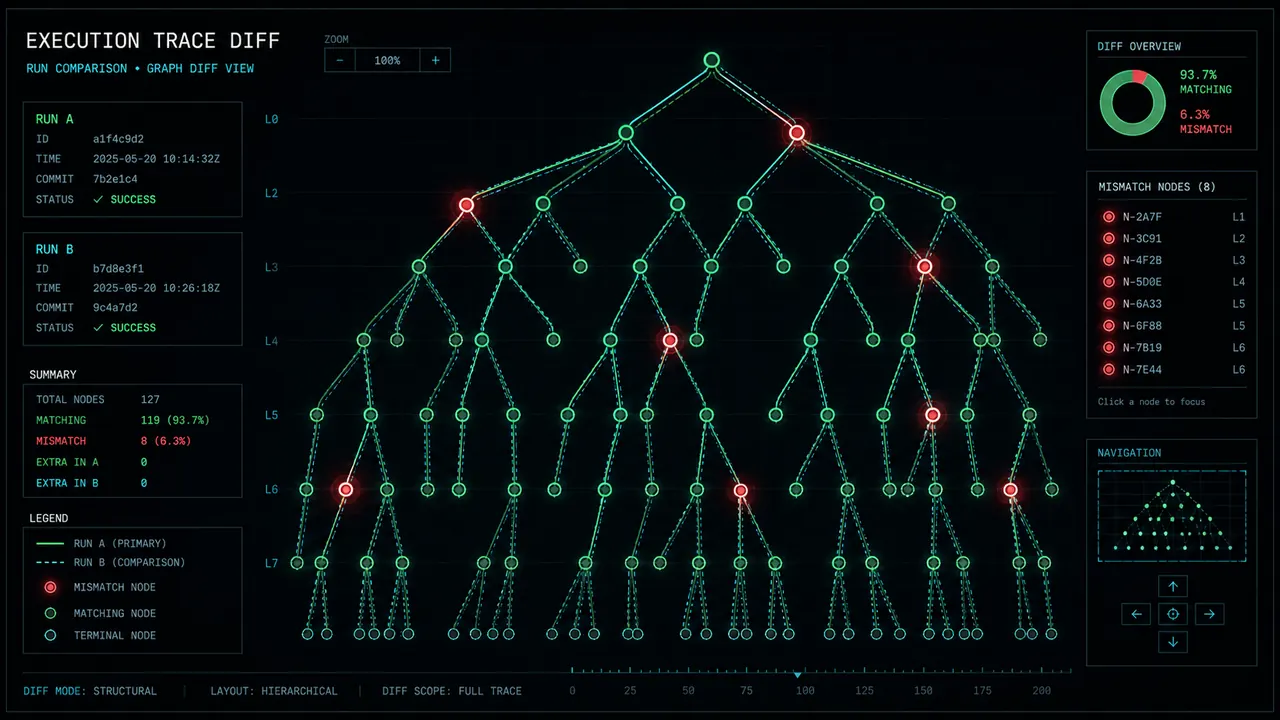
RealDiff instruments two Git revisions, runs their tests, and reports behavioral differences in the call tree that ordinary source review would never surface. Language-specific tracers emit a standardized trace format that a Rust engine consumes to detect changes, filter noise via baseline runs, and locate the frontier of affected code. It covers .NET 8, Java, Node/TypeScript, Go, Rust, and Python 3.12+, using everything from IL weaving to PEP 669 system monitoring.
Relevance 6/10Importance 4/10
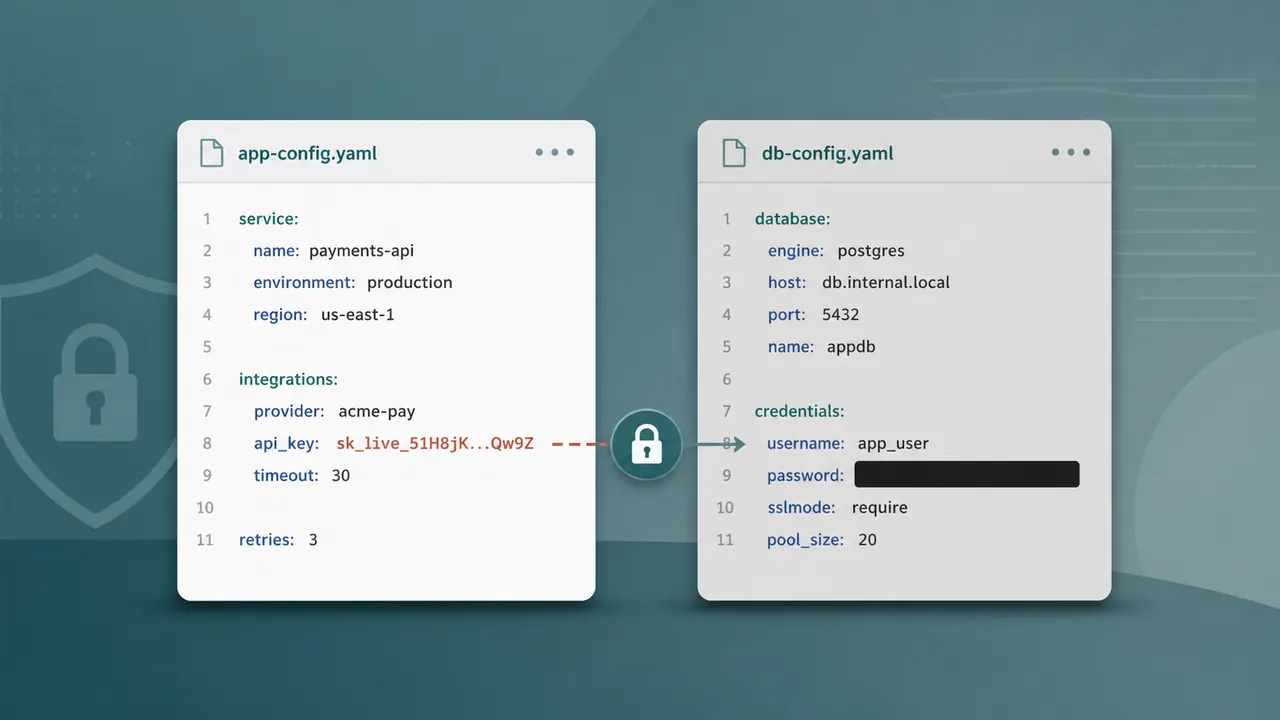
Confdiff compares configuration files by meaning rather than text, ignoring reformatting and key reordering while catching real data and type changes. It handles JSON, YAML, TOML, INI, .env, .properties, CSV, and XML — and can diff across formats. The headline feature is automatic secret redaction so config diffs are safe to paste into a pull request.
Relevance 3/10Importance 4/10
Emacs 31 ships a tree-sitter-powered Markdown major mode in the box, written by the same author as this guide. It brings Org-style keybindings and editing feel to Markdown so Org users don't have to relearn anything. Fenced code blocks get fontified using the real major mode for that language, giving you live, properly colored code inside your documents.
Relevance 3/10Importance 4/10
CoMaps is a fully free and open-source, privacy-respecting Android navigation app. Two new integrations landed: Gadgetbridge now supports CoMaps as a navigation provider for smartwatches, and OpenVitals can track outdoor activities while displaying CoMaps route guidance. Every cross-app data handoff requires explicit user permission, keeping the privacy-first posture intact.
Relevance 3/10Importance 3/10
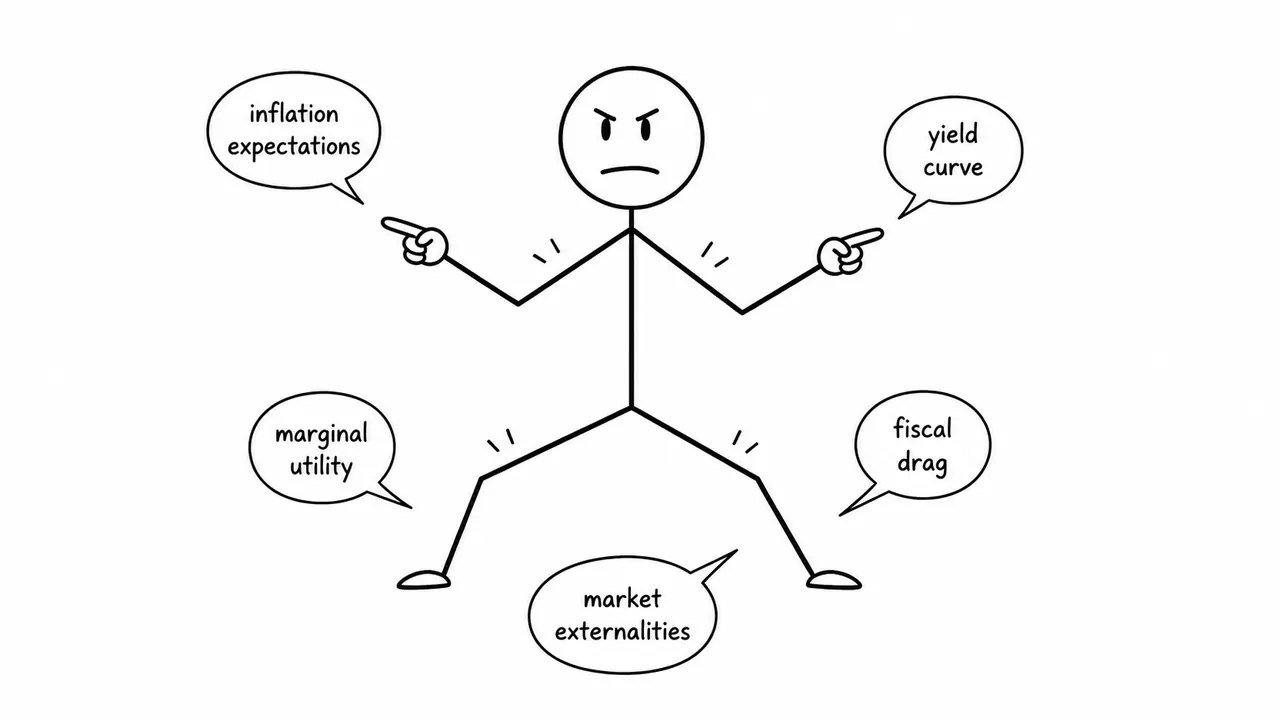
Randall Munroe's latest xkcd stages a trade-economics argument between arms and legs over comparative versus competitive advantage. The alt text escalates it into the arms threatening to cut off the legs' oxygen supply unless they concede dominance. The gag lands as a jab at how economic reasoning gets used to dress up plain old coercion.
Relevance 2/10Importance 3/10
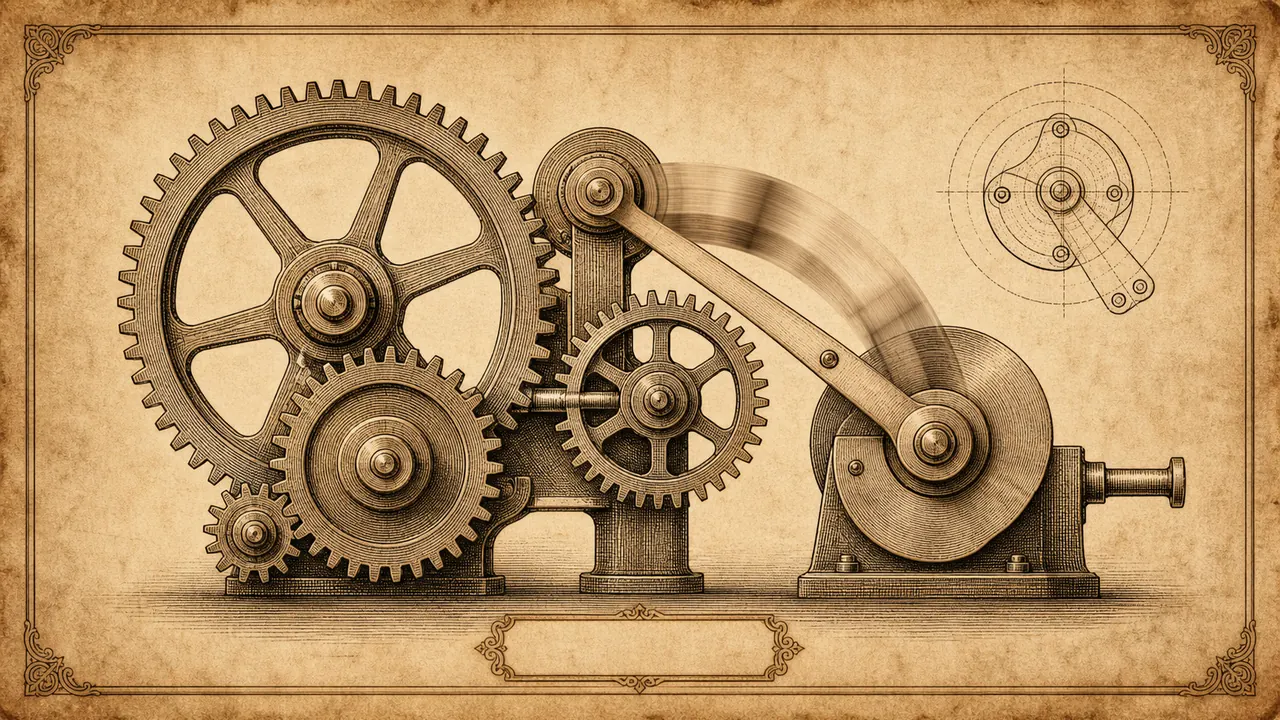
A digital adaptation of Henry T. Brown's 19th-century engineering reference, rebuilt with animated demonstrations of each mechanism. You get pulleys, belt transmissions, linkages, and more — browsable as a thumbnail grid. The animation set is still incomplete, with the maintainer adding more over time.

 HN Briefing AM