Relevance 10/10Importance 10/10
Stripe is acquiring OpenRouter, the AI model marketplace and gateway that routes over 10 trillion tokens a day across 400-plus models for more than 10 million developers. Reporting pegs the deal north of 7 billion dollars, though the announcement itself discloses no terms. OpenRouter says nothing changes for existing integrations — same name, same product, same roadmap — but the payments giant just bought the toll booth for AI inference.
Relevance 9/10Importance 7/10
Ramp, the corporate spend-management company, launched its own LLM gateway that claims to cut inference costs by 40 percent on average by routing each request to the cheapest model that clears your quality bar. It's OpenAI- and Anthropic-API compatible, so switching is a one-line base-URL change, with automatic failover when a provider goes down. Free through 2026 — and landing on HN the same afternoon as the OpenRouter news, which is either terrible or perfect timing.
Relevance 9/10Importance 7/10
Unsloth's new quantization methodology claims over 10 percent better top-1-percent accuracy at identical file sizes versus every other GGUF provider, with the Q2_K_XL variant landing roughly 8 percent above competitors. It's pure post-training quantization with a refined calibration set spanning coding, chat, and multilingual tasks, evaluated with KL divergence rather than single-token accuracy. The practical upshot: capable models running on consumer hardware that couldn't host them before.
Relevance 7/10Importance 8/10
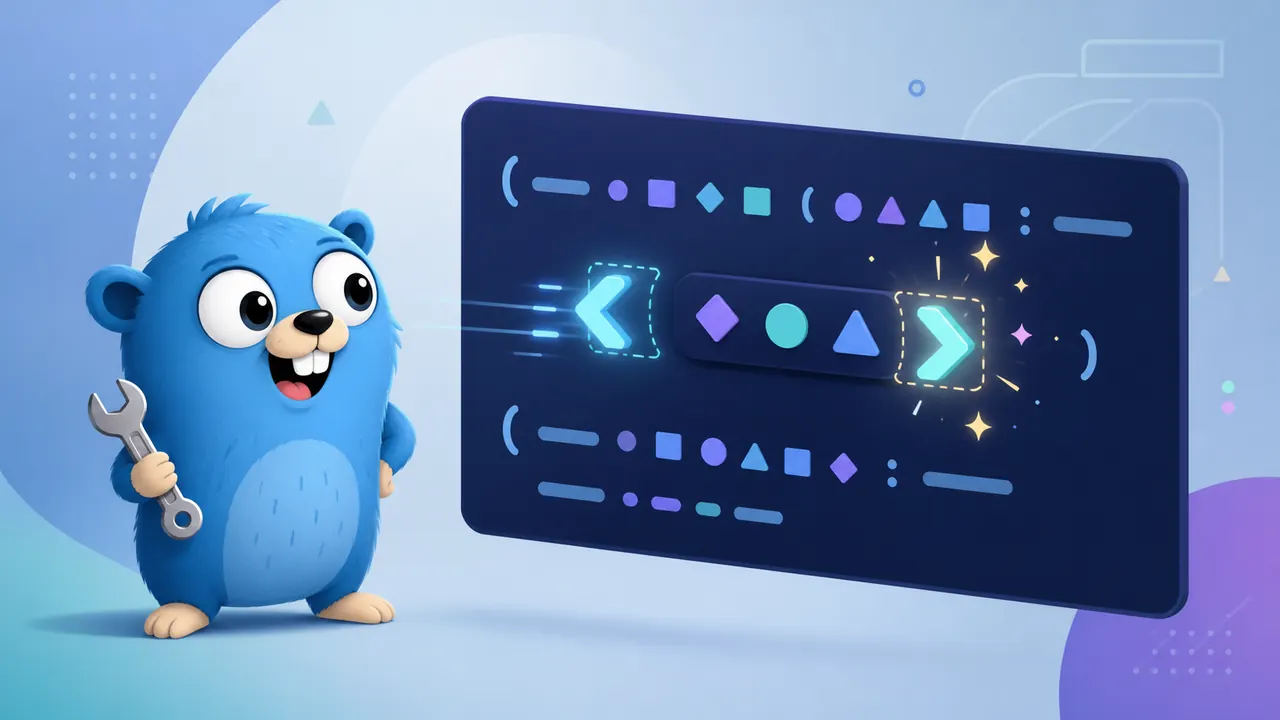
Go 1.27 shipped today with generic methods — type parameters on methods, finally — plus nested struct literal initialization and generalized type inference. The runtime gets 30 percent faster small-object allocation and a new goroutine leak profiler, while the standard library adds encoding/json/v2, native UUID, post-quantum ML-DSA signatures, and experimental SIMD.
Relevance 5/10Importance 9/10
sondehub.org started in 2018 as a gag redirect for weather balloon tracking and grew into serious radiosonde infrastructure with reverse launch-site prediction. The DoD asked for launch sites to be hidden in 2021; by 2024 suspected Russian DDoS attacks hit the prediction API, apparently because Ukrainian operators were using it to "surf" drones toward targets. The US Office of the Secretary of War later requested paid historical data access — a hobby project turned wartime infrastructure.
Relevance 5/10Importance 7/10
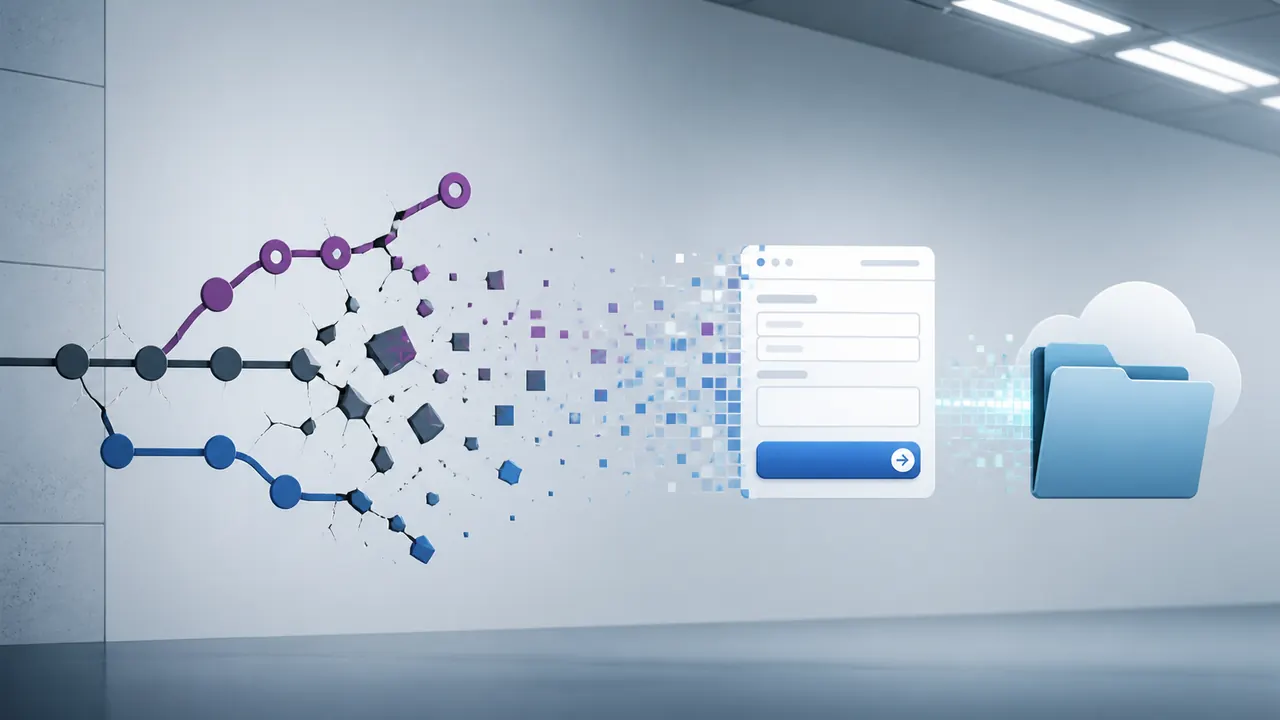
GrapheneOS reports Google has stopped pushing Git tags for some source code, replacing it with a manual Google Forms request that returns files via Google Drive. Google has reportedly been slow to process those requests, injecting real friction into downstream development. It raises pointed questions about open source workflow health and GPL compliance obligations.
Relevance 4/10Importance 6/10
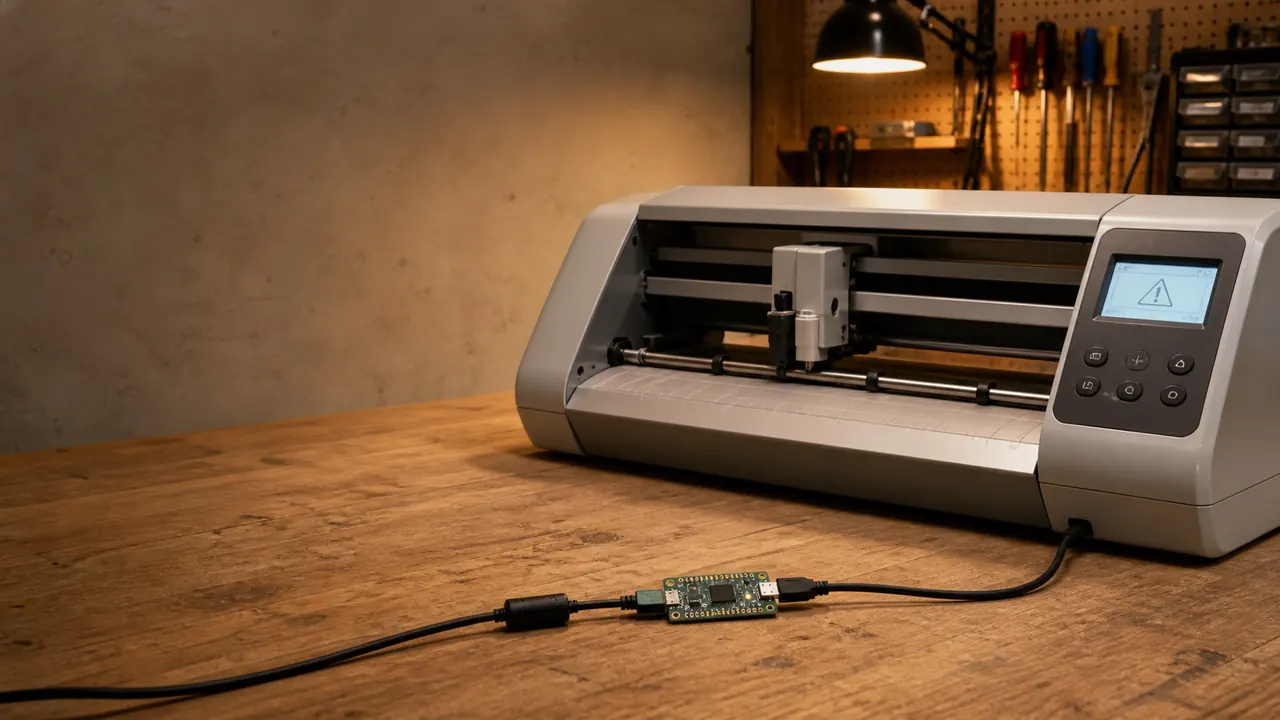
A Cricut Maker rescued from e-waste showed "Machine deactivated," so the author dropped an RP2040 between the cutter and the computer as a USB proxy and rewrote the serial number in flight. The software never noticed. The real finding is that Cricut transmits serials with no encryption, checksum, or verification — meaning the same trick could be used to lock out legitimate owners.
Relevance 3/10Importance 6/10
Red Hat's Olivier Fourdan tagged the first XWayland feature release candidate since 24.1 back in 2024, carrying hundreds of accumulated changes. Highlights include a rootful clipboard bridge, multi-seat support mirrored into an XInput 2 hierarchy, better RandR emulation, and XDG system bell support. It also drops EGLStream now that NVIDIA's Linux driver stack no longer needs it.
Relevance 2/10Importance 4/10
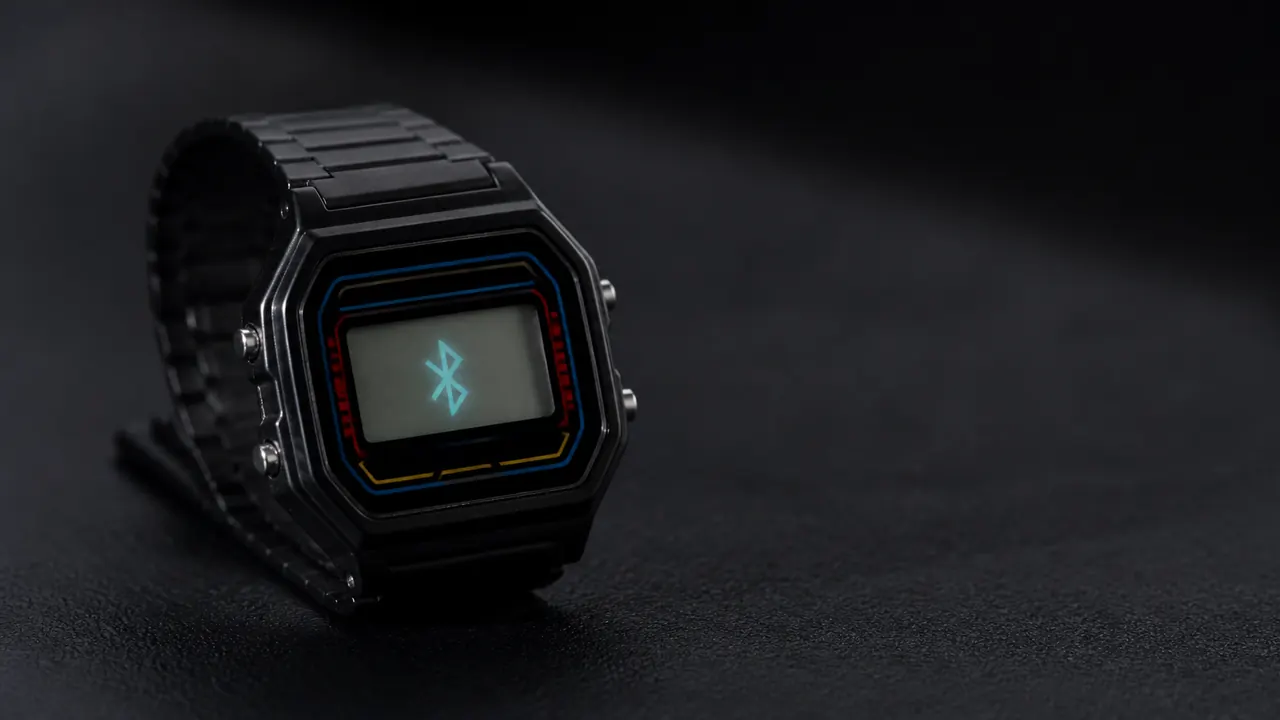
Casio put Bluetooth and a step counter into the F-91W's spiritual successor, keeping the 26-gram case and a two-year CR2016 battery instead of nightly charging. It syncs time and step logs to the Casio Watches app and shows goal progress right on the LCD. Around 55 pounds, and HN has 158 comments about it — which tells you something.
Relevance 1/10Importance 2/10
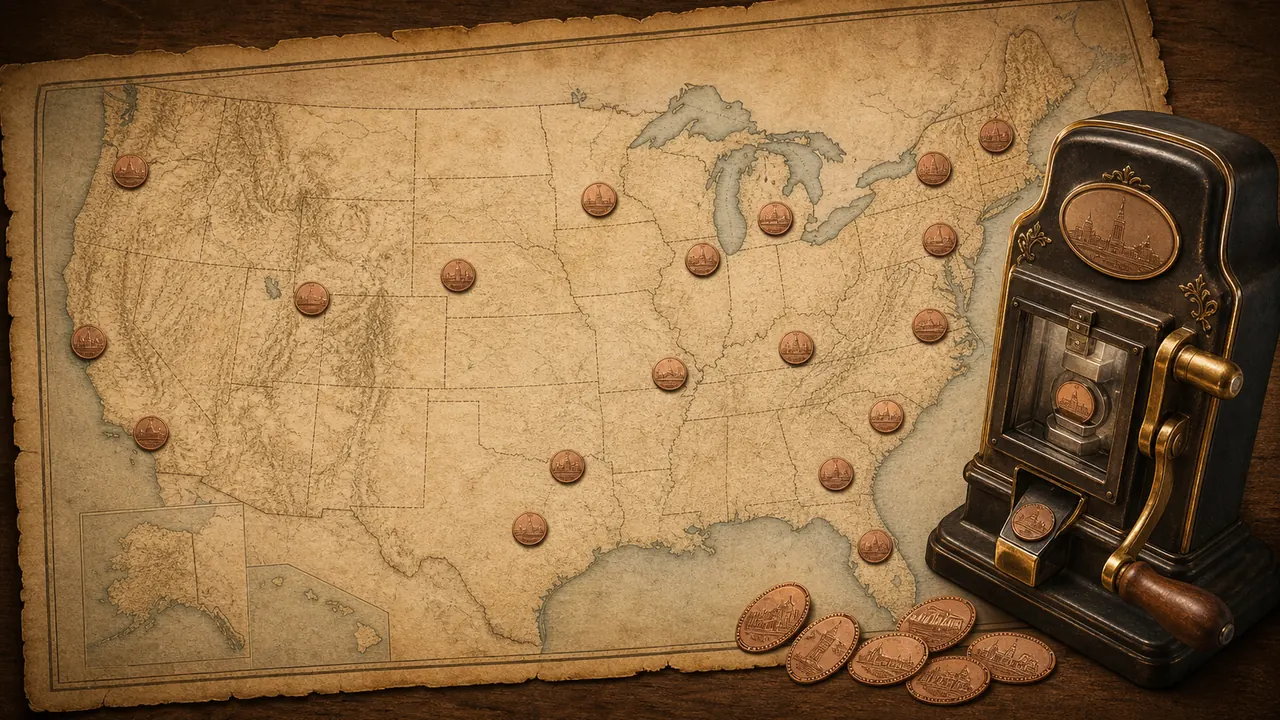
A community-maintained map of 2,000 of the 3,300-plus pressed penny machines in its database, searchable by radius from 2 to 200 miles. It offers printable checklists, user profiles, and a companion shop for collectors. Pure joyful old-web energy on the front page.

 HN Briefing PM