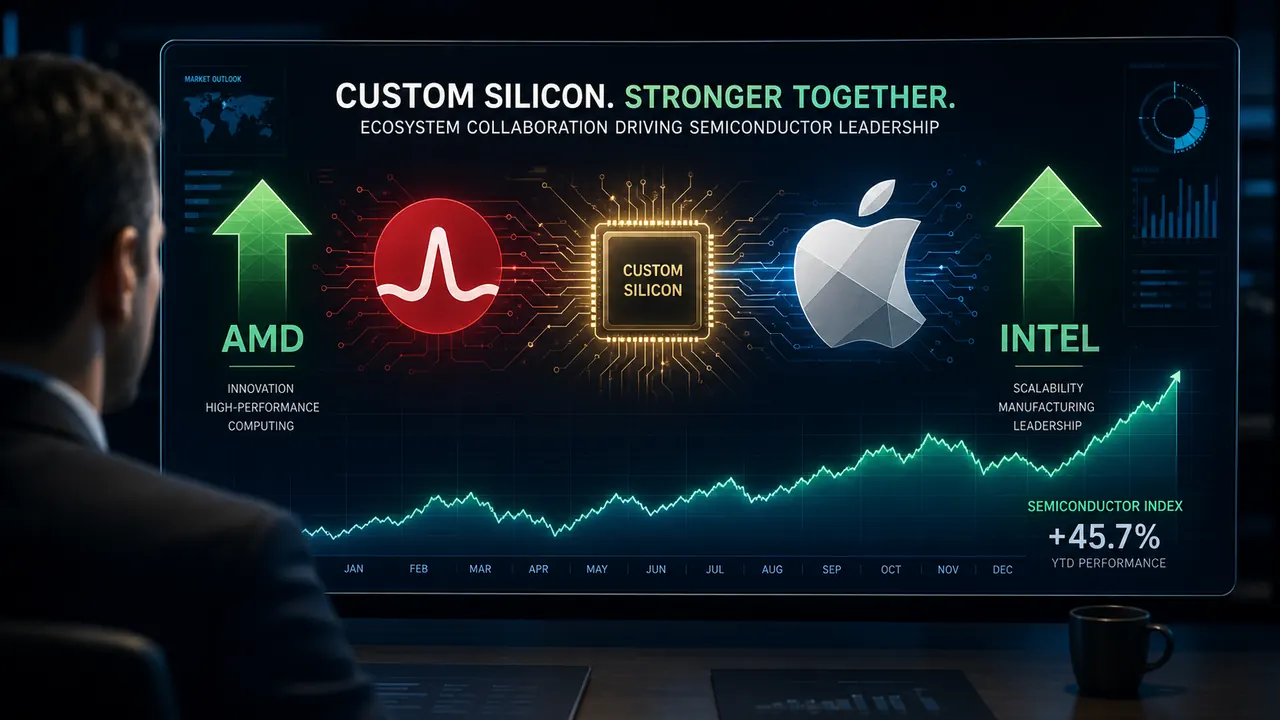
Broadcom surged 6% to $381 Monday after it and Apple disclosed an expanded custom-chip partnership through 2031 via an SEC filing, quashing fears Apple might go fully in-house. The news pulled the entire sector higher: AMD rocketed 10% to $568 and Intel climbed 5% to $126 in the single biggest chip-sector catalyst of the month. Apple accounts for roughly 20% of Broadcom's annual revenue, and this deal locks that relationship in for five more years.
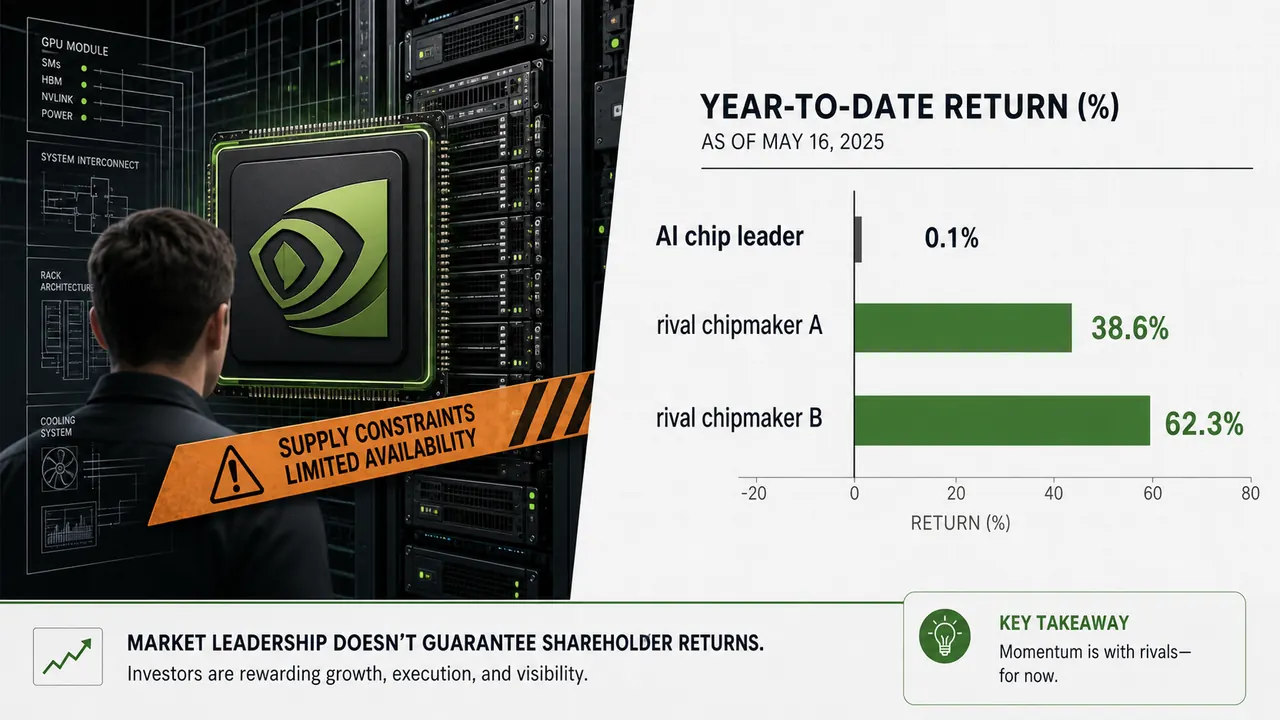
Research firm SemiAnalysis published a claim that Nvidia's next-gen Kyber NVL144 rack architecture is delayed until 2028 due to PCB midplane manufacturing challenges. Nvidia responded swiftly — "Our roadmap is intact" — but shares still underperformed Monday's broad rally. Nvidia sits at just 3.2% year-to-date while AMD is up 171%, Intel is up 278%, and Micron is up over 300%, making any delay report an accelerant for an already uncomfortable rotation story.
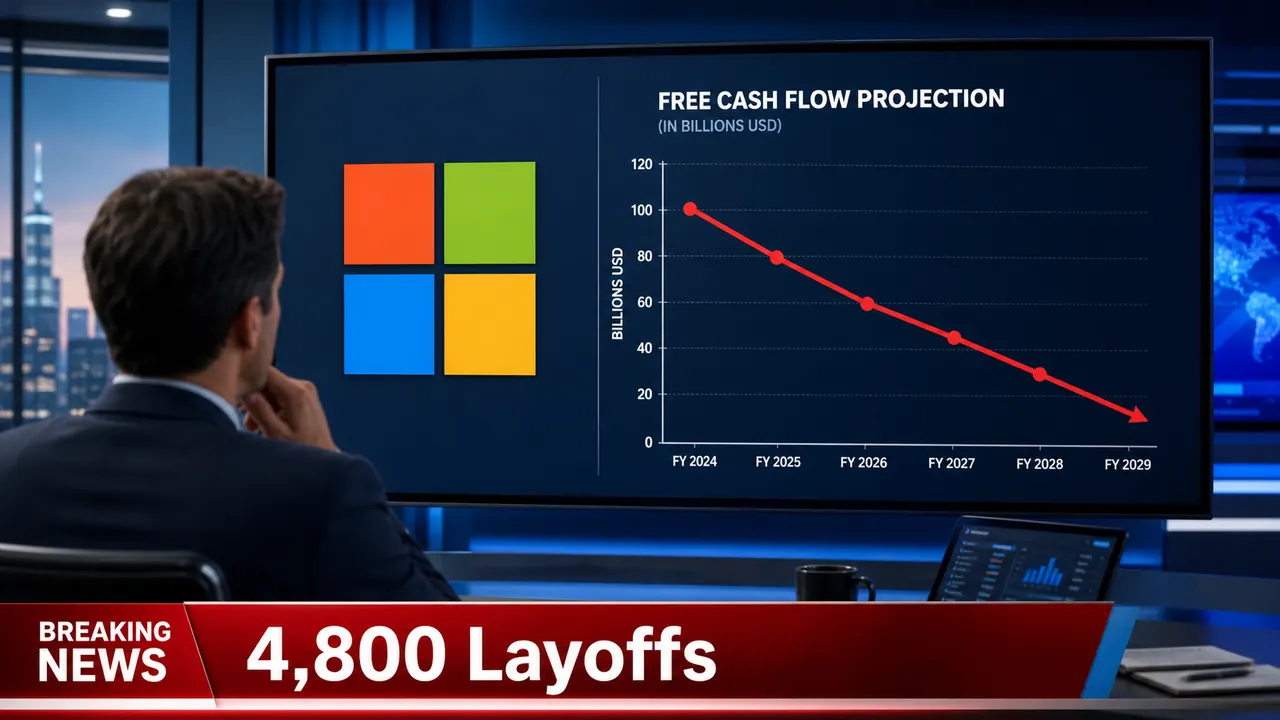
Microsoft confirmed it is cutting 4,800 jobs (2.1% of its global workforce, with ~1,600 in the Xbox division) as AI infrastructure spending hits $190B in 2026 and is projected to jump to $270B in FY27. Wolfe Research cut its Microsoft price target from $570 to $525, with FY27 free cash flow now projected at negative $17.4B versus a prior estimate of positive $14.7B, driven by rising memory costs flagged by Micron's earnings. MSFT has lost roughly 30% of its value over the past nine months.
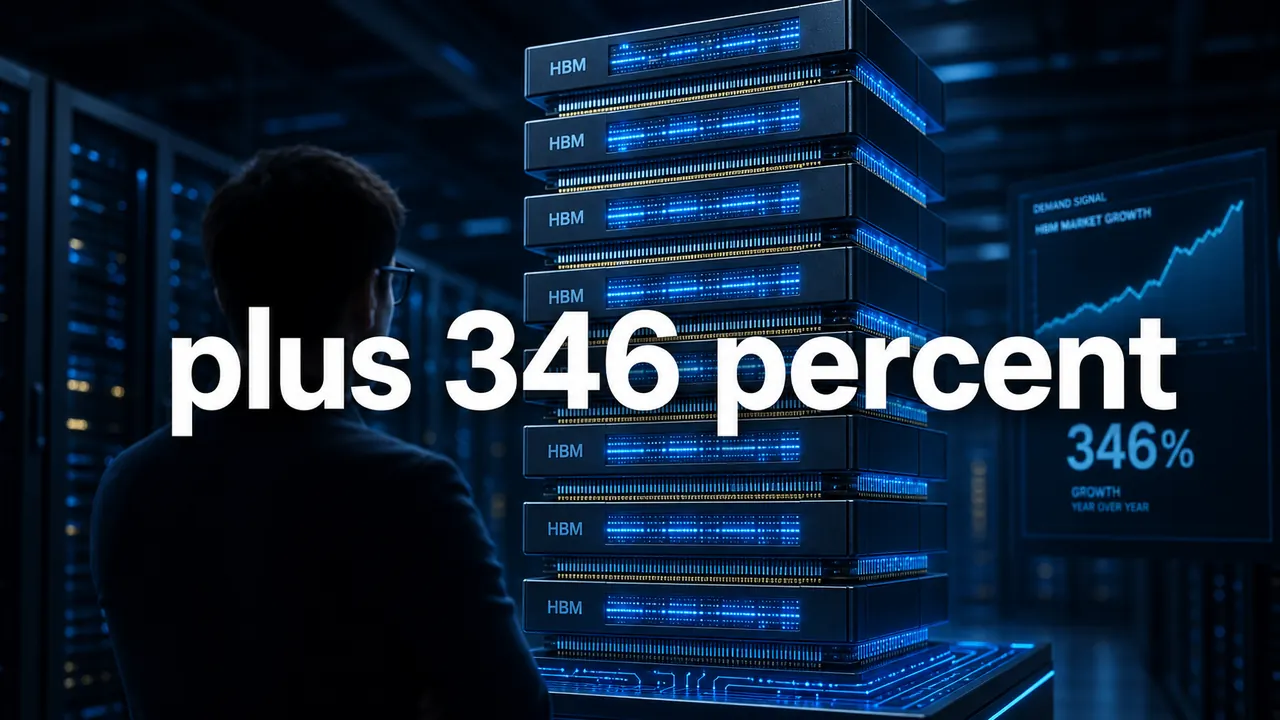
Micron's fiscal Q3 produced revenue of $41.5 billion, up 346% year-over-year, while the company revealed approximately $100 billion in binding, multi-year AI memory contracts that have effectively sold out its HBM supply through all of 2026. The stock is up roughly 250% year-to-date but has pulled back 22% from its post-earnings peak. Bank of America maintains a $1,550 price target on MU — roughly 59% above recent prices — declaring memory "a strategic AI enabler" rather than a commodity.
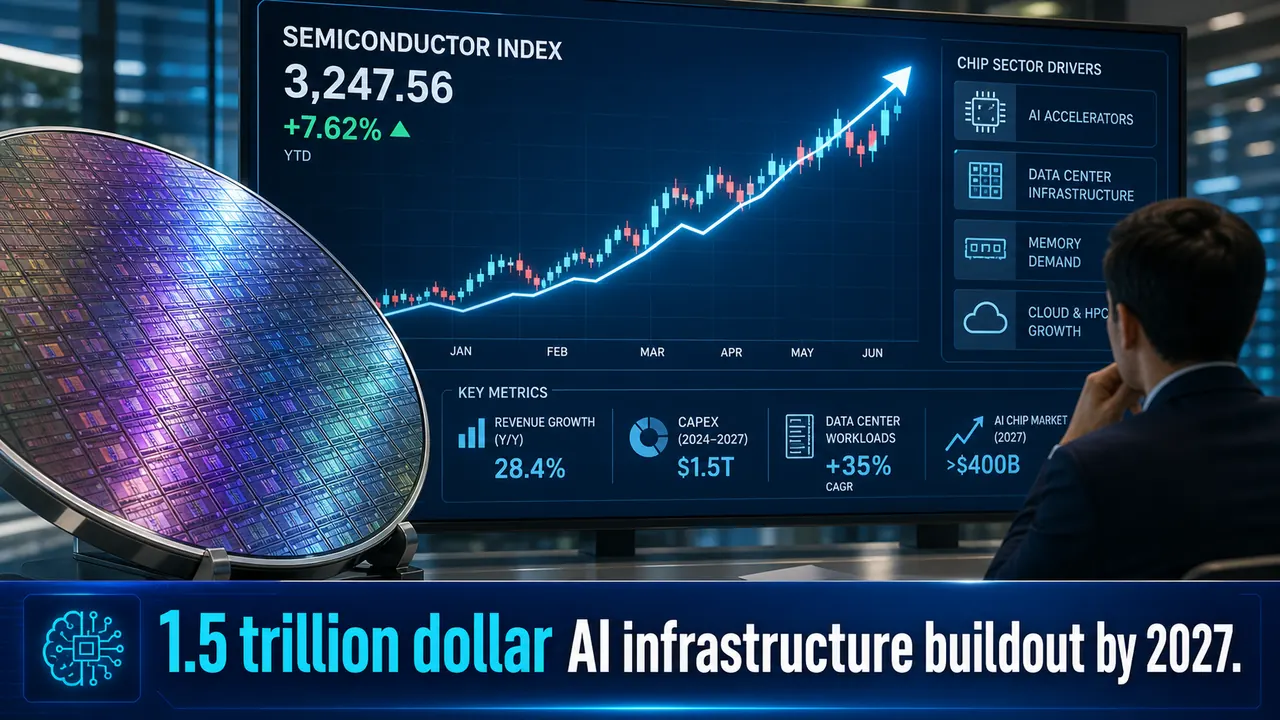
The defining semiconductor market narrative of 2026 is a massive rotation away from Nvidia and into AMD, Intel, and Micron — with the three companies adding a combined $2 trillion in market cap in Q2 alone. Intel's 18A node entered high-volume production under CEO Lip-Bu Tan, supported by Nvidia's own $5B equity stake. AMD's MI450 is beating hyperscaler demand forecasts, with Lisa Su noting "leading customer forecasts exceeding our initial expectations." The Philadelphia Semiconductor Index is up 47% year-to-date.
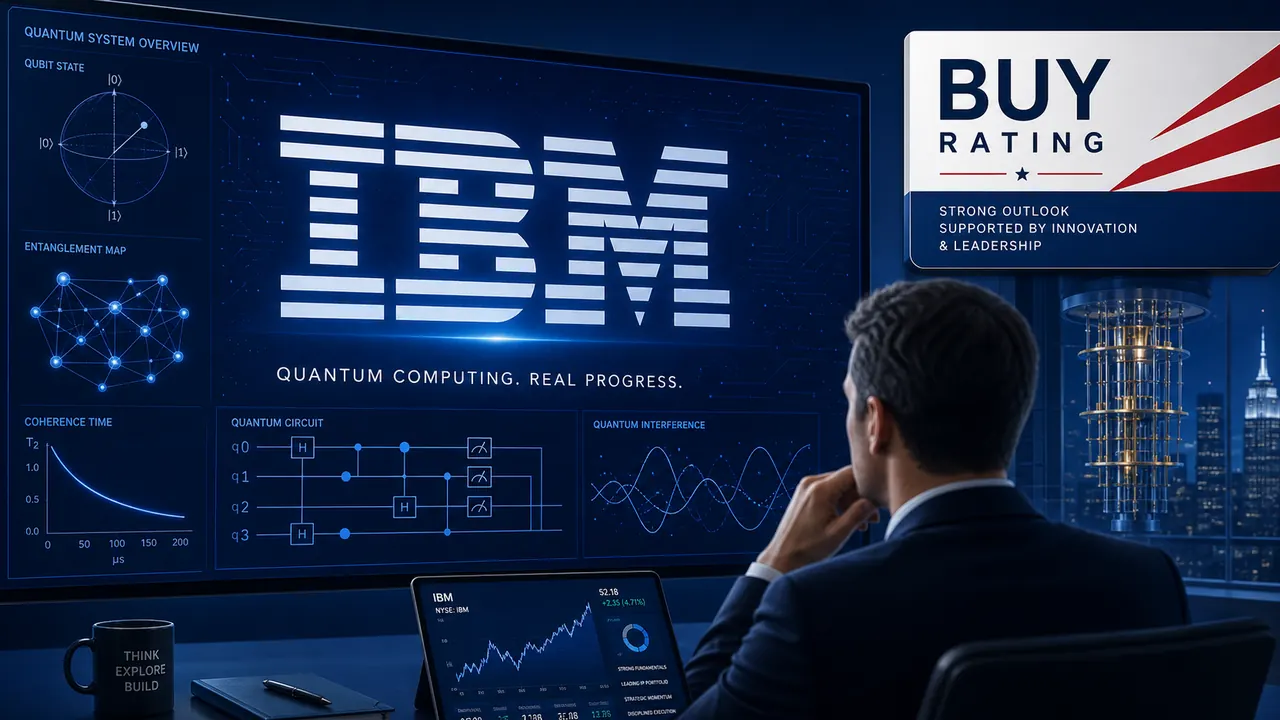
Bank of America Securities raised its IBM price target from $315 to $330, maintaining a Buy rating, with analyst Wamsi Mohan calling IBM the "leader in the quantum category" following the Quantum Tech World Conference. BofA raised full-year 2026 revenue estimates to $71.4B and EPS to $12.47, flagging strong Q2 setup with $340M contribution from the Confluent integration. IBM shares climbed 3.5% to $300.21.
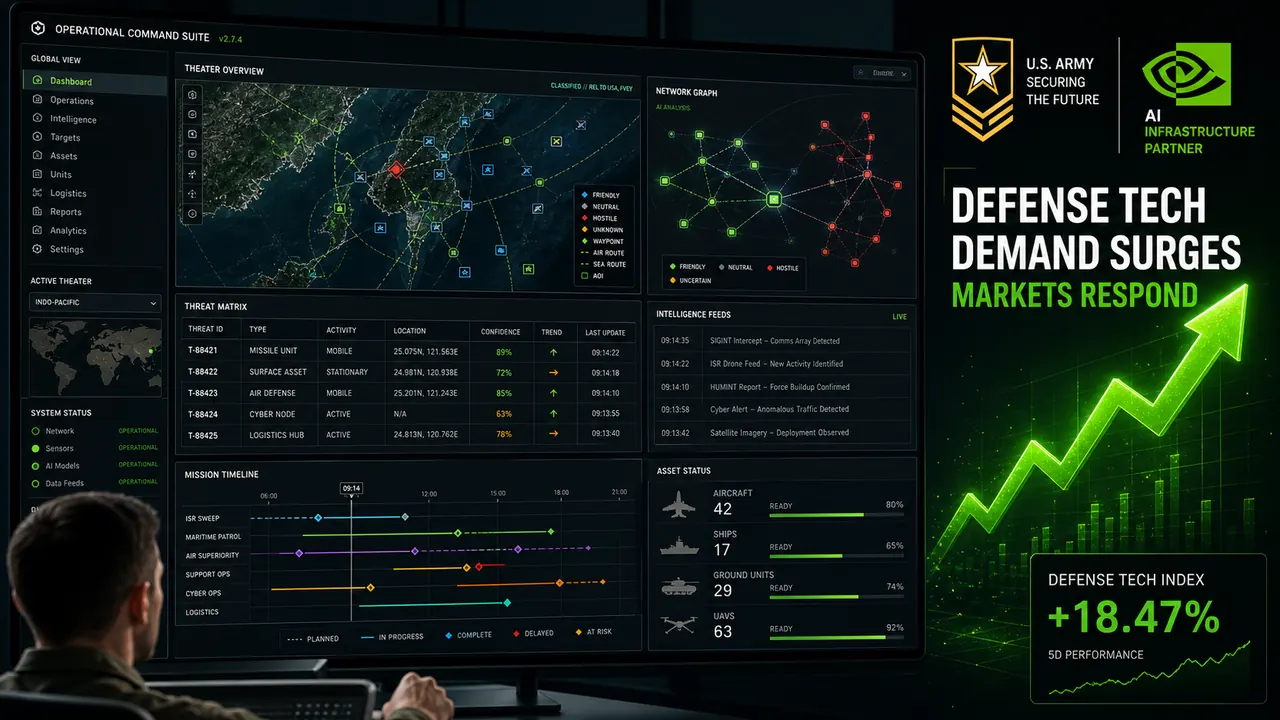
Palantir secured the U.S. Army's NGC2 modernization program as its core cloud data layer, moving from prototype to wide deployment. A new Palantir-Nvidia initiative will run Nvidia AI and Nemotron models inside classified, sovereign environments for sensitive government workloads. DA Davidson upgraded the stock to Buy with a $230 price target, and shares gained roughly 3%. Q1 revenue came in at $1.63B, up 85% year-over-year with ~84% gross margins.
Anthropic filed confidentially for an IPO in June while carrying a $965 billion post-money valuation from its $65B Series H round. Counterpoint Research says Anthropic now leads global LLM revenue share at 31.4%, narrowly ahead of OpenAI at 29%. The company projects reaching profitability by 2028, two years ahead of OpenAI's 2030 target. Not yet publicly traded — but a near-trillion-dollar private valuation moves the AI sector conversation regardless.
OpenAI is reportedly reconsidering its Q3/Q4 2026 listing timeline and may push its IPO to 2027, after watching SpaceX's June debut swing from above $225 down to roughly $153 post-listing. OpenAI had targeted a valuation approaching $1 trillion for its public debut. The SpaceX experience appears to be setting a new, more cautious tone for mega-cap AI listings.
Bank of America's chip analyst Vivek Arya pushed back hard on the bear thesis this week: AI memory now accounts for 35-40% of cloud capital spending, more than double historical norms, and that transition is structural. Global AI infrastructure spending is projected at $1.5 trillion by 2027, up 40-50% year-over-year. Arya also dismissed the open-source AI bear case, arguing broader model adoption means more infrastructure demand, not less.

 AI Stocks