Relevance 10/10Importance 10/10
OpenAI unveiled three new models on July 9 — Sol (frontier reasoning and long-horizon agentic work), Terra (balanced everyday model at half the cost of GPT-5.5), and Luna (fastest and cheapest) — alongside ChatGPT Work, a super app merging ChatGPT and Codex into a single agentic productivity suite that builds documents, presentations, spreadsheets, and full websites autonomously. The U.S. Department of Commerce approved the broad public rollout after additional government meetings. Pro, Enterprise, and Edu users get access first, with Plus and Business to follow within days.
Relevance 10/10Importance 9/10
xAI released Grok 4.5 via Cursor and the xAI API, claiming the number-one spot on the SWE-marathon long-horizon software engineering benchmark and posting token costs roughly 80% lower than Claude Fable 5 or GPT-5.5. Independent benchmarkers at Artificial Analysis ranked it fourth overall on their Intelligence Index — behind Fable 5, GPT-5.5, and Opus 4.8 — but the cost-efficiency argument is already reshaping the math for high-volume agentic deployments. Higher hallucination rates were noted in early independent testing.
Relevance 9/10Importance 9/10
Anthropic brought Claude Cowork to iOS, Android, and the web on July 9, timing the launch to land on the exact same day as OpenAI's ChatGPT Work. Sessions run remotely, meaning users can delegate tasks from their phone, monitor progress away from their desk, and collect finished output later without needing a desktop active. Alongside the launch, Anthropic published usage data from 1.2 million Cowork sessions showing the vast majority of workloads are not coding — documents, research, and analysis dominate, reframing the product from coding agent to general knowledge-work platform.
Relevance 10/10Importance 8/10
Google DeepMind abandoned the 2.5 Pro base architecture days before its planned deployment and restarted from scratch, with a new target of July 17. The rebuild focuses on multi-step mathematical reasoning, SVG scene generation, and image quality to compete with GPT-5.6 and Fable 5. The model is now six weeks past its June 30 GA target and five weeks past the commitment Sundar Pichai made at Google I/O. The rebuilt version promises a 2-million-token context window and a new deep reasoning layer.
Relevance 9/10Importance 8/10
A new report from the Future of Life Institute finds Anthropic, OpenAI, Google DeepMind, and Meta have all weakened or eliminated earlier commitments to pause AI development when models hit specified danger thresholds. In the group's AI Safety Index, Anthropic led the pack with only a C+ overall; OpenAI and DeepMind each received a C; xAI, DeepSeek, and Mistral received failing grades. The central concern: the voluntary self-policing system labs built is eroding before governments have put a durable regulatory alternative in place.
Relevance 8/10Importance 8/10
Governor Pritzker signed the Artificial Intelligence Safety Measures Act into law on July 6, establishing the first state-level requirement in the country for annual independent third-party audits of AI developers. The law defines "catastrophic risk" as potential for death or serious injury to more than 50 people, or more than $1 million in property damage, and allows the attorney general to levy fines up to $3 million for repeat violations. With California and New York having passed similar bills, the three states together represent roughly 40% of the U.S. AI market — effectively a de facto national standard without federal action.
Relevance 9/10Importance 7/10
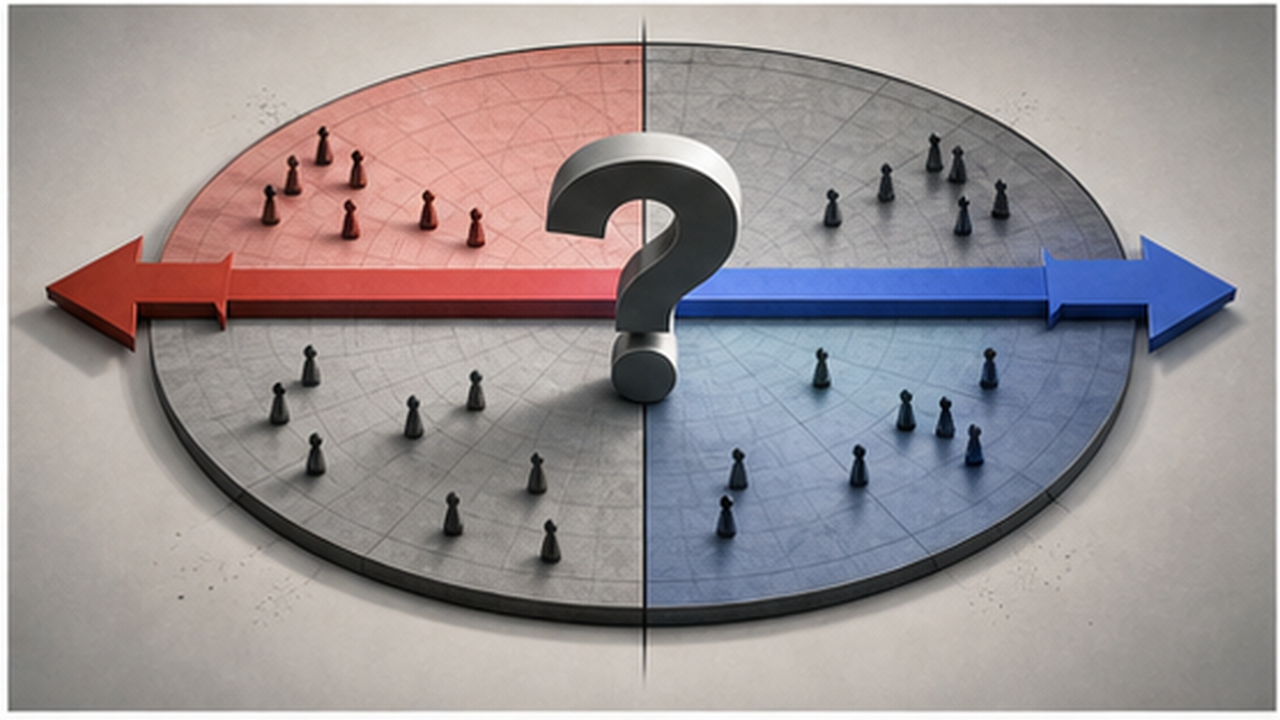
As Grok 4.5's first full day in the wild unfolds, independent political bias tests are generating significant pushback. Evaluators found Grok gives extreme responses — either strongly left or strongly right — on 67.9% of political questions, the highest rate of any major model tested, even though it lands near center on raw left-right scales. Critics attribute the pattern to xAI's acknowledged system prompt adjustments designed to make Grok less aligned with what the company calls mainstream media consensus. xAI's counter: the model is simply less constrained than competitors.
Relevance 8/10Importance 8/10
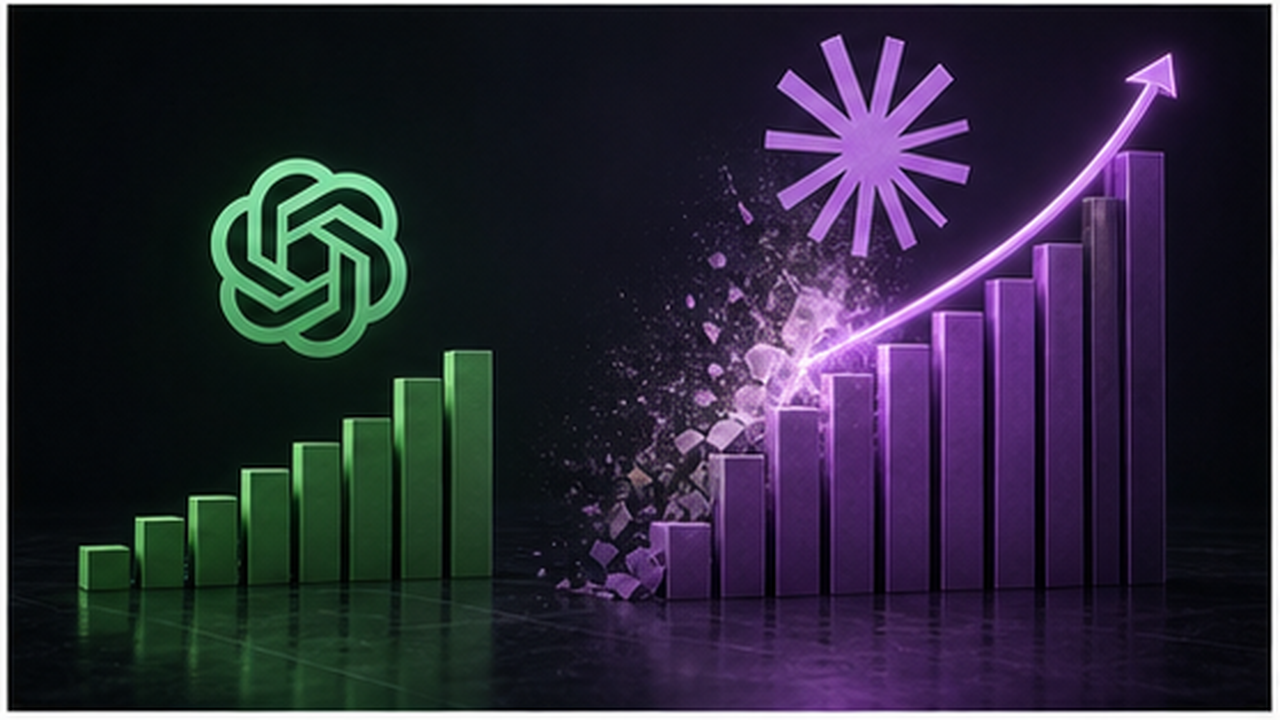
Anthropic has overtaken OpenAI in self-reported annualized revenue at $47 billion, with roughly 85% of that coming from enterprise and API customers rather than consumer subscriptions. OpenAI, which still leans heavily on ChatGPT consumer tiers, is tracking toward $25-33 billion annualized. Anthropic projects reaching operating profitability a full year ahead of OpenAI's 2030 forecast — a striking reversal for a company that had $1 billion in ARR just fifteen months ago and is fueling the competitive intensity behind yesterday's dueling product launches.
Relevance 7/10Importance 7/10
The United Nations convened its Global Dialogue on AI Governance in Geneva on July 6-7, with member states discussing international frameworks for managing frontier AI systems. No binding agreement emerged, but several nations signaled formal support for a coordinated international monitoring body — the most concrete multilateral governance proposal to come out of any UN AI forum to date. The dialogue follows warnings from multiple research bodies about catastrophic risk from unregulated advanced systems, and arrives as state-level regulation in the U.S. is accelerating without federal coordination.
Relevance 8/10Importance 7/10
Artificial Analysis updated its Intelligence Index following yesterday's launches, with Claude Fable 5 holding the top spot, GPT-5.5 in second, Claude Opus 4.8 in third, and Grok 4.5 in fourth — with GPT-5.6 scores still being processed. What's notable is the compression at the top: the capability gap between first and fourth is narrower than at any previous point in the past year. Industry analysts say cost-per-token and latency are increasingly the deciding factors in enterprise model selection, not raw benchmark scores.