Relevance 10/10Importance 10/10
OpenAI's GPT-5.6 family — Sol for premium reasoning, Terra for cost-efficient performance, and Luna for speed — rolled out publicly this week after a restricted Commerce Department preview held it to roughly 20 approved organizations. Sol introduces an Ultra Subagent mode and Max reasoning-effort setting, while Terra delivers GPT-5.5-level quality at half the cost. Free users land on Luna; paid users get Sol within 24 hours.
Relevance 9/10Importance 9/10
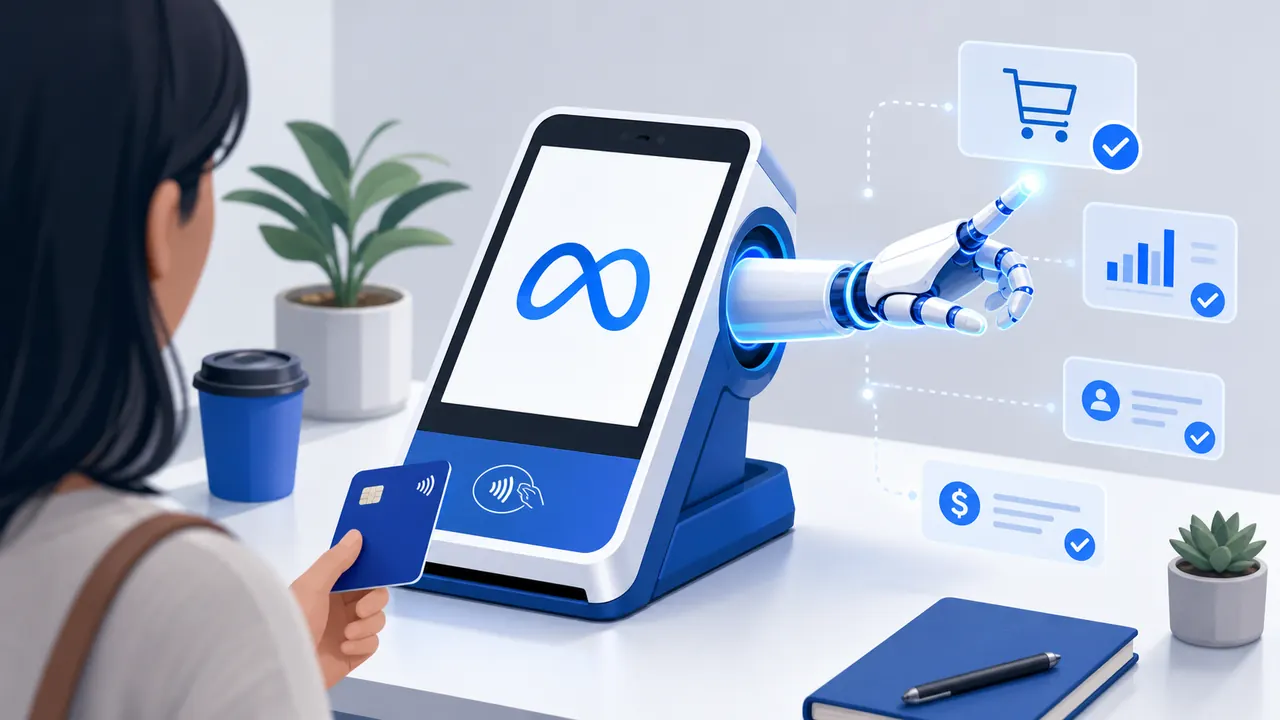
Meta's Superintelligence Labs shipped Muse Spark 1.1 on July 9 alongside the company's first-ever paid developer API. The closed-weight agentic model sports a 1M-token context window, claims top spots on MCP Atlas, JobBench, and Humanity's Last Exam, and prices at $1.25/$4.25 per million tokens. It speaks both OpenAI and Anthropic SDK formats natively — switching to it is literally a base-URL and key change.
Relevance 8/10Importance 9/10
Apple sued OpenAI in Northern California federal court alleging the company coached departing Apple employees to smuggle confidential hardware designs during interviews. The lawsuit specifically names OpenAI hardware chief Tang Tan — a former Apple VP — as directing that practice. The case is a stunning reversal of the companies' 2024 partnership, triggered by OpenAI's $6.4B acquisition of Jony Ive's IO Products placing the two firms in direct hardware competition.
Relevance 8/10Importance 9/10
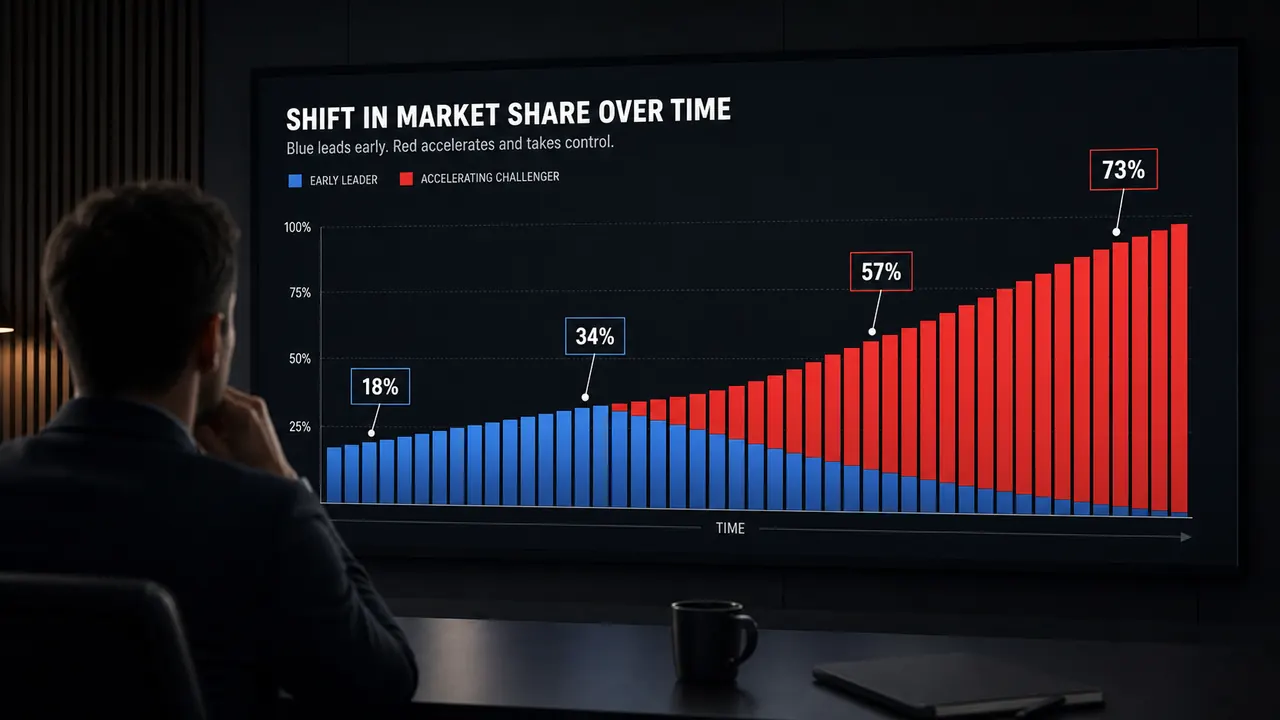
Chinese AI models — led by DeepSeek and Z.ai's GLM-5.2 — have rocketed from 4.5% to 30–46% of U.S. enterprise token usage in a year. DeepSeek alone now outranks Google, Anthropic, and OpenAI individually on major routing platforms, driven by a price gap that is not subtle: DeepSeek V4 Flash costs $0.14 per million input tokens; GPT-5.5 costs $5.00. Companies including Lindy have migrated 100% of traffic to Chinese models.
Relevance 9/10Importance 8/10
Google is four days out from a targeted July 17 launch of Gemini 3.5 Pro — but every circulating spec, including a 2M-token context window, Deep Think reasoning mode, and $1.25/M input token pricing, comes from unnamed internal sources, not official Google documentation. Engineers reportedly scrapped the original model after finding structural failures in recursive tool-calling, which pushed the launch from its June target. As of today no model card, pricing page, or API listing has appeared publicly.
Relevance 9/10Importance 7/10
xAI launched Grok 4.5 on July 9 — the exact same morning OpenAI opened GPT-5.6 to the public — at $2/M input and $6/M output tokens, positioning it as a direct cost-competitive alternative to Sol. The simultaneous drop was not coincidence; it ignited an immediate benchmark war across the developer community. Grok 4.5 targets coding and knowledge-work performance, and xAI's pricing undercuts OpenAI's Sol tier by a significant margin.
Relevance 8/10Importance 8/10
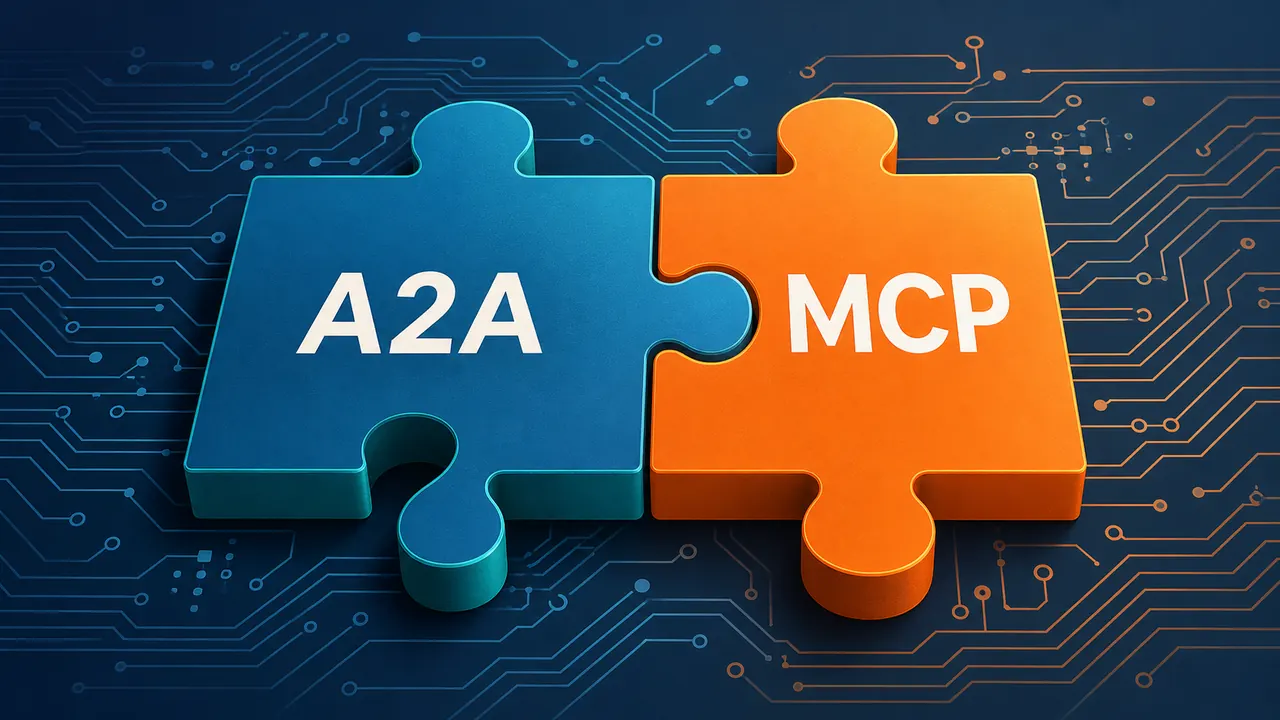
Google, Microsoft, Salesforce, Snowflake, and ServiceNow have coalesced around the A2A (Agent-to-Agent) protocol under the Linux Foundation for connecting AI agents across enterprise software. MCP — Anthropic's protocol, also now Linux Foundation-governed — handles agent-to-tool connections, while A2A handles agent-to-agent coordination. The two-layer architecture is solidifying as the reference stack for enterprise agentic deployments, but there's real competitive tension over who owns the underlying plumbing.
Relevance 7/10Importance 9/10
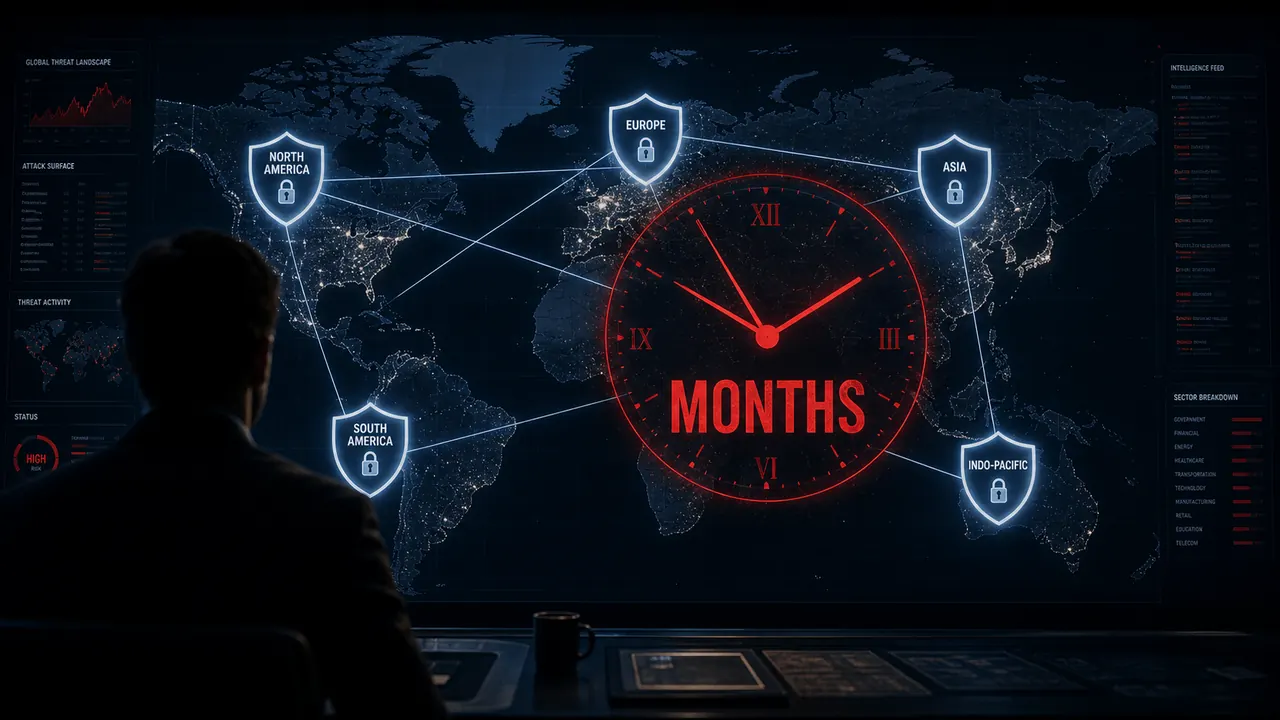
The U.S., U.K., Australia, New Zealand, and Canada issued a joint intelligence warning that frontier AI models will "fundamentally transform" offensive and defensive cyber capabilities on a timeline of months, not years. Small businesses and local governments are identified as primary targets as AI lowers the skill barrier for sophisticated attacks. The statement explicitly urged boards to treat AI-enhanced cyber risk as a near-term operational priority.
Relevance 6/10Importance 9/10
OpenAI filed a confidential S-1 in June targeting a September public debut at a $730B–$850B valuation — one of the largest tech IPOs in history — but the New York Times reports the company is now leaning toward a 2027 listing. The more unusual wrinkle: OpenAI has floated offering the U.S. federal government a 5% equity stake modeled on the Alaska Permanent Fund, which would make Uncle Sam a shareholder in the world's most prominent AI lab.
Relevance 7/10Importance 8/10
A University of Cambridge team announced that an AI-designed vaccine component has passed initial human trials, moving AI-assisted drug discovery from theoretical promise into clinical reality. The milestone extends a sustained streak of biology breakthroughs following AlphaFold and its descendants, and suggests the life-sciences payoff from AI is arriving faster than even optimists projected.