Relevance 9/10Importance 7/10
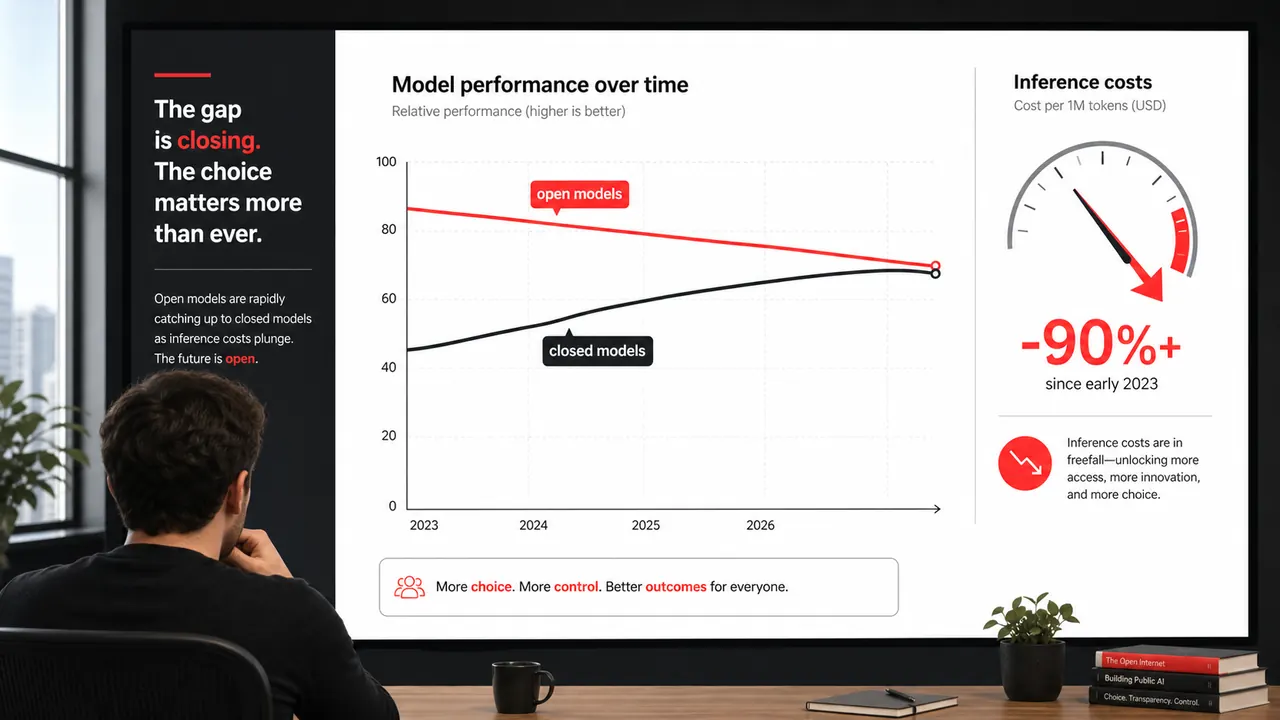
Mozilla's annual report finds the capability gap between open-weight and closed frontier models has narrowed to 3.3%, while inference costs have collapsed 50x over three years — representing roughly $24.8 billion in unrealized annual savings for organizations still paying closed-model prices. The report identifies the "agentic harness" — orchestration layers, tooling, and governance — as the new competitive battleground where open ecosystems currently lag. Chinese open models now account for 45%+ of weekly traffic on major platforms, highlighting the geopolitical dimension of open AI adoption.
Relevance 8/10Importance 7/10
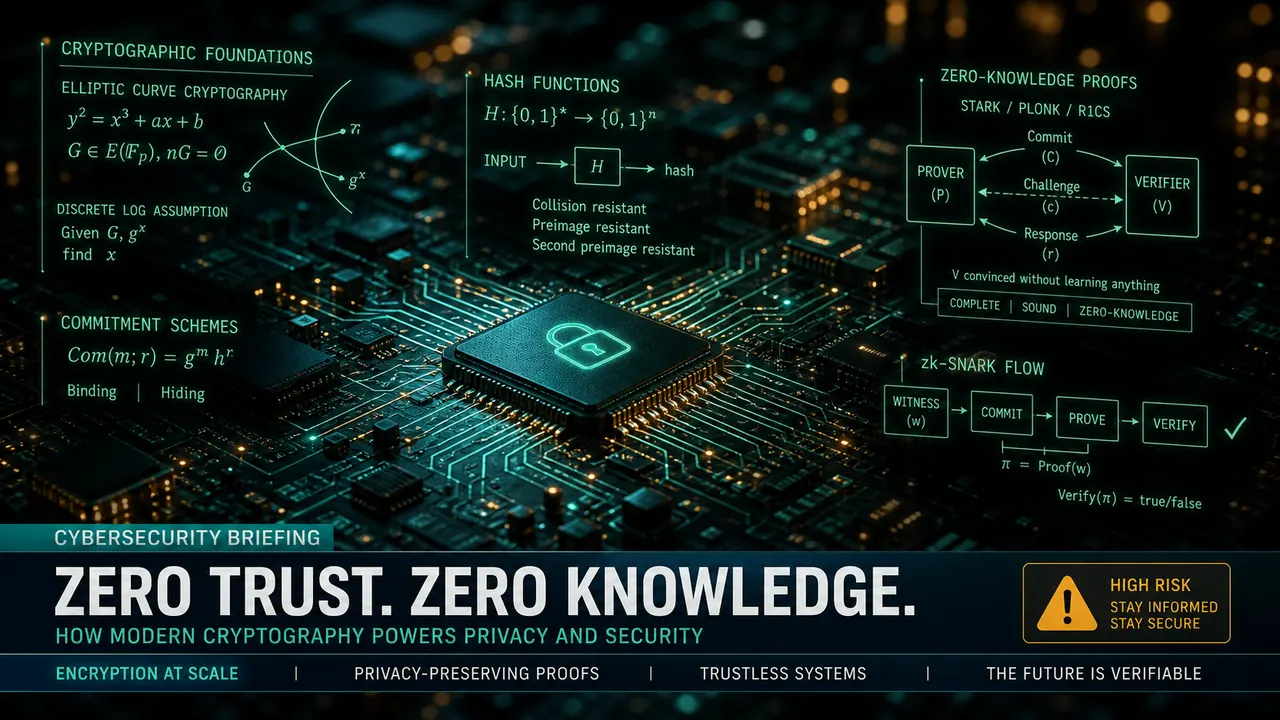
zkSecurity's specialized AI auditing tool, zkao, found a critical vulnerability in OpenVM's pairing verification library after 9.5 hours of analysis — a missing subfield check that lets malicious provers forge pairing equality checks, compromising KZG commitments, Groth16 SNARK verifiers, BLS signatures, and any L2 rollup built on OpenVM. The bug is now CVE-2026-46669, patched in OpenVM 1.6.0. The key finding: naive LLM setups failed entirely, requiring expert-encoded cryptographic auditing methods augmenting the AI to succeed.
Relevance 9/10Importance 6/10
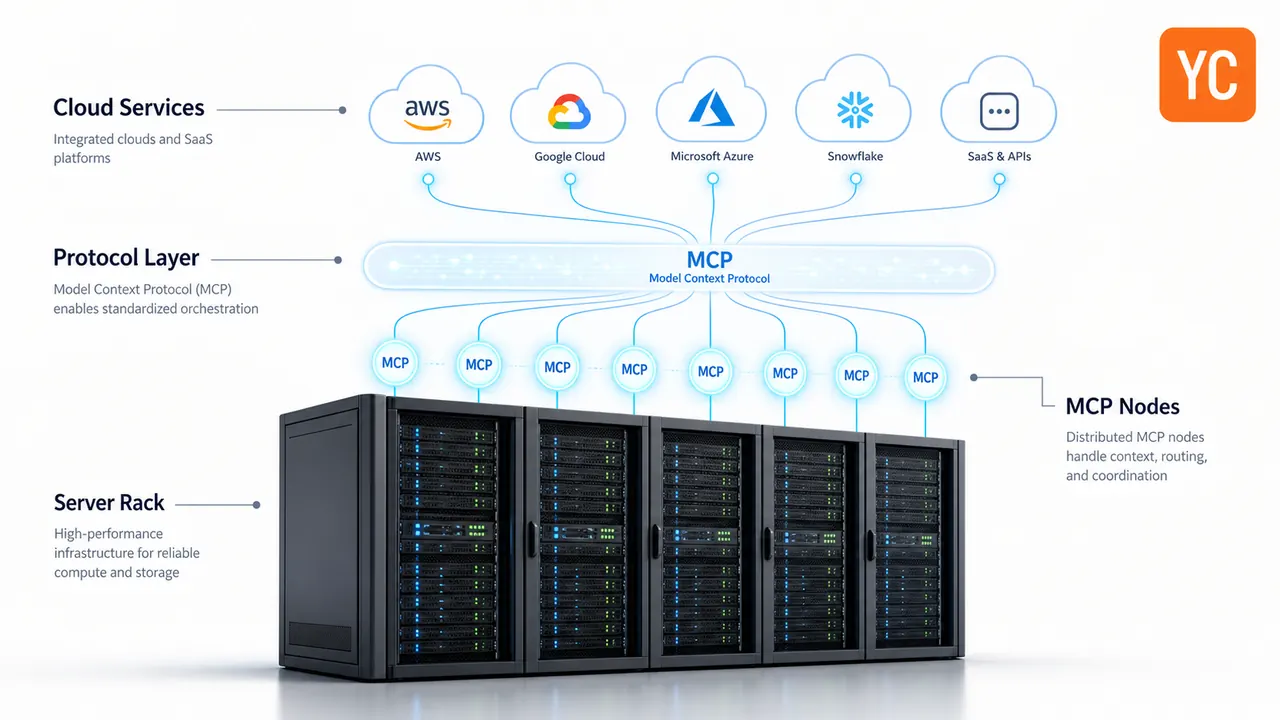
Manufact, a YC S25 startup, is building "Vercel for MCP" — cloud infrastructure for deploying and managing Model Context Protocol servers without rolling your own. Their mcp-use SDK has crossed 10,000 GitHub stars and 8 million downloads, and roughly 20% of Fortune 500 companies including NASA, SAP, and NVIDIA are reportedly on the platform with usage more than doubling monthly. The company raised $6.3M in seed funding from PeakXV with Supabase founders among the angels.
Relevance 4/10Importance 8/10
A bug in AWS Cost Explorer began showing massively inflated billing projections overnight — some customers saw estimated monthly bills in the trillions of dollars, with one Hacker News user reporting a $1.7 billion estimate on an account that normally bills under $5/month. AWS confirmed the root cause was a unit pricing defect in its cost estimation subsystem, and actual charges and verified usage records were completely unaffected. The incident still triggered budget alerts, on-call pages, and considerable panic across cloud-dependent organizations.
Relevance 3/10Importance 5/10
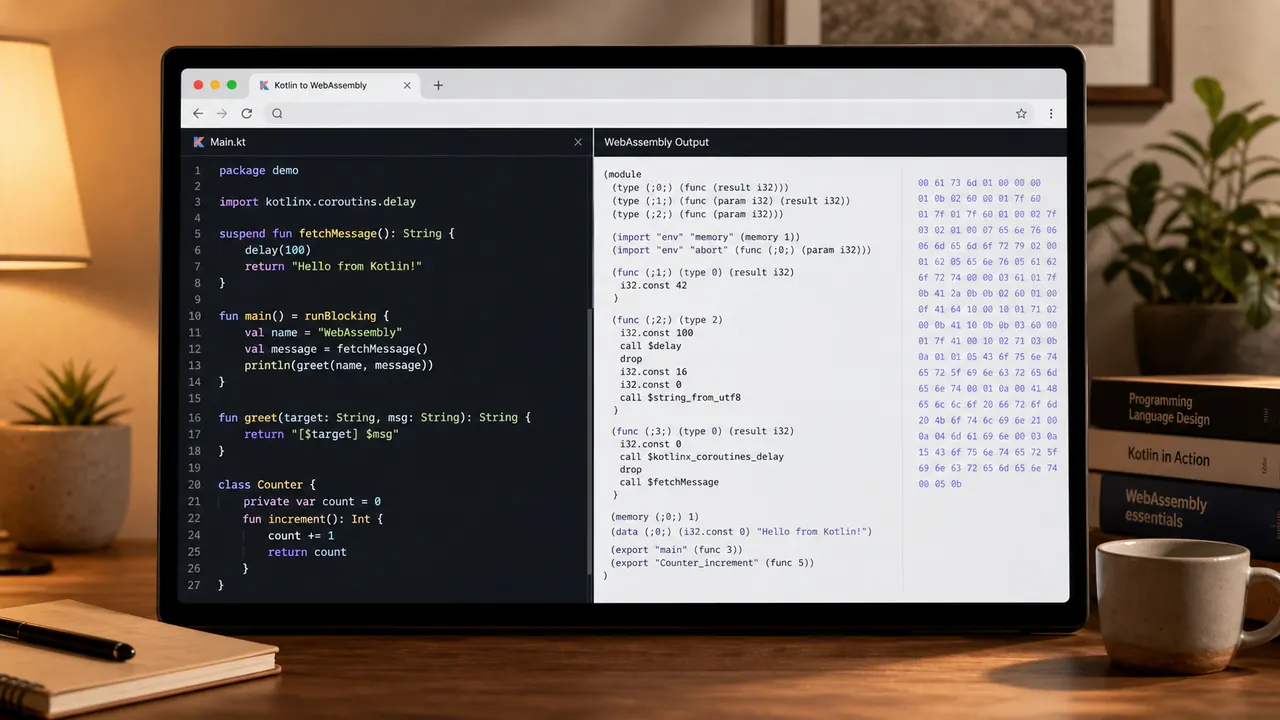
Minikotlin is a Kotlin compiler written in C that itself compiles to WebAssembly — meaning the entire compiler runs in your browser tab, taking Kotlin source in and emitting a running .wasm module out with zero external dependencies. Creator Ugur Toprakdeviren built it to support a serious Kotlin subset: classes, coroutines, sealed types, generics, and a hand-written standard library, all with no JVM, LLVM, Gradle, or server involved.
Relevance 1/10Importance 6/10
Harvard scientists confirmed the first-ever detected atmosphere around a rocky, Earth-sized planet in a star's habitable zone: LHS 1140b, roughly 48 light-years away, with a helium-rich upper atmosphere slowly escaping to space. (Note: The underlying Science journal paper was covered here yesterday; today's BBC/Harvard coverage adds the notable framing that this detection was achieved with a ground-based telescope — the WINERED Spectrograph at Magellan Observatory in Chile — demonstrating ground-based hardware can characterize rocky exoplanet atmospheres.) The finding provides a new benchmark for studying habitable-zone worlds.
Relevance 2/10Importance 5/10
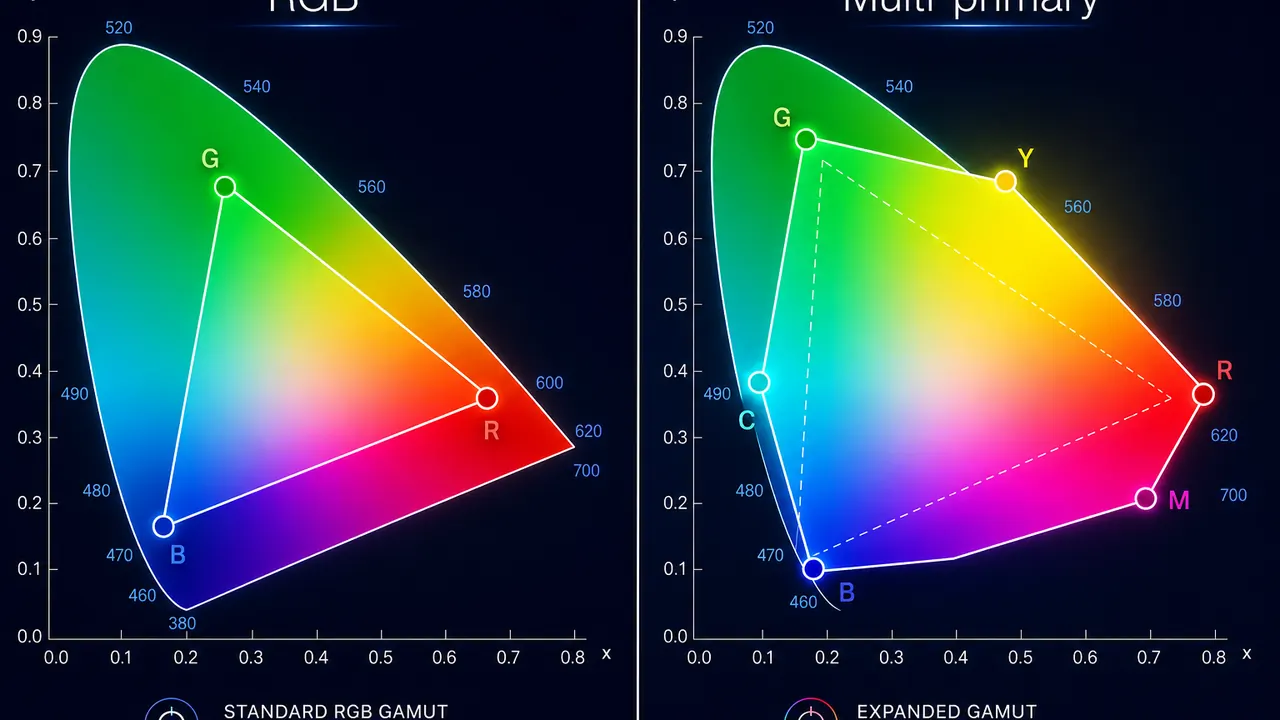
A June 2026 ecosystem conference in Shanghai declared the next display competition axis is shifting from resolution and brightness to color reproduction — specifically, covering more of what the human eye can actually perceive beyond what DCI-P3 and BT.2020 can represent. Hisense is the most aggressive commercial player, deploying four-primary RGBC (adding cyan) in their flagship MiniLED and RGBY (adding yellow) in their MicroLED, while 6P Color demonstrated a six-primary projector. The challenge: the entire content pipeline from creation through mastering through distribution has to change to benefit.
Relevance 3/10Importance 3/10
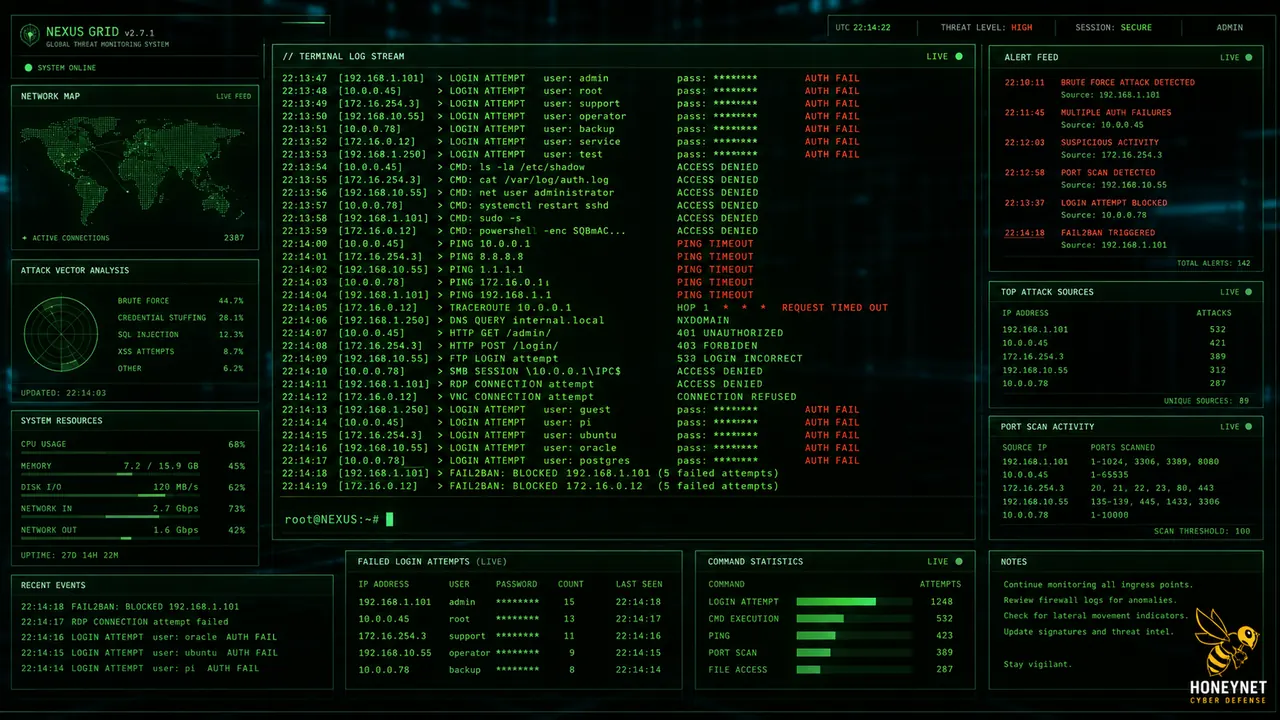
HoneypotLive.cc is a real-time dashboard streaming live attack telemetry from an SSH honeypot — showing inbound source IPs, attempted usernames and passwords, commands executed, and client fingerprints via WebSockets with a rolling 2,000-event window. It's built for security research and threat intelligence, with a note that displayed IPs likely belong to compromised hosts or botnets, not the actual attackers. Genuinely hypnotic to watch the internet's background noise in real time.
Relevance 2/10Importance 2/10
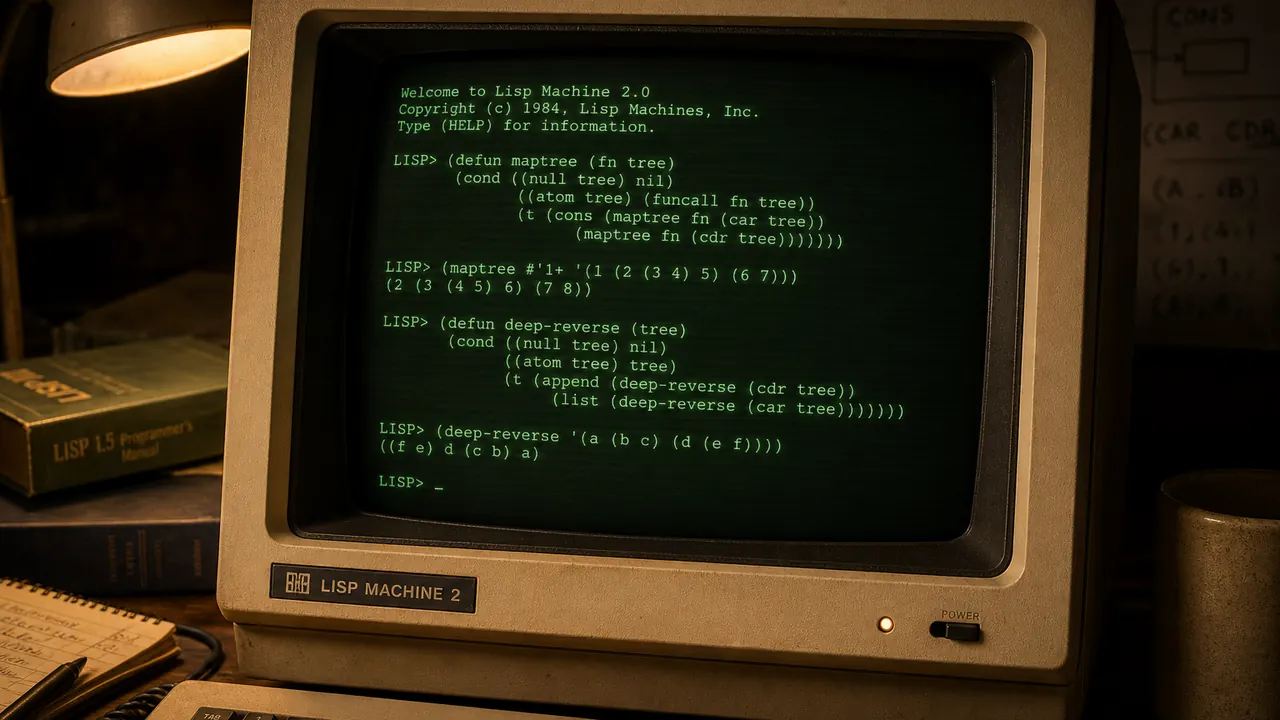
A developer blog post walks through the four main Lisp dialects and makes concrete recommendations: Clojure for production professionals wanting JVM ecosystem access and functional design, Common Lisp for traditionalists seeking ANSI-stable performance, Racket for students and language designers who want to build new languages, and Emacs Lisp for Emacs customization. The author notes Clojure is probably the most widely used Lisp in production, and that fundamentals transfer well across dialects regardless of which you pick first.
Relevance 1/10Importance 2/10
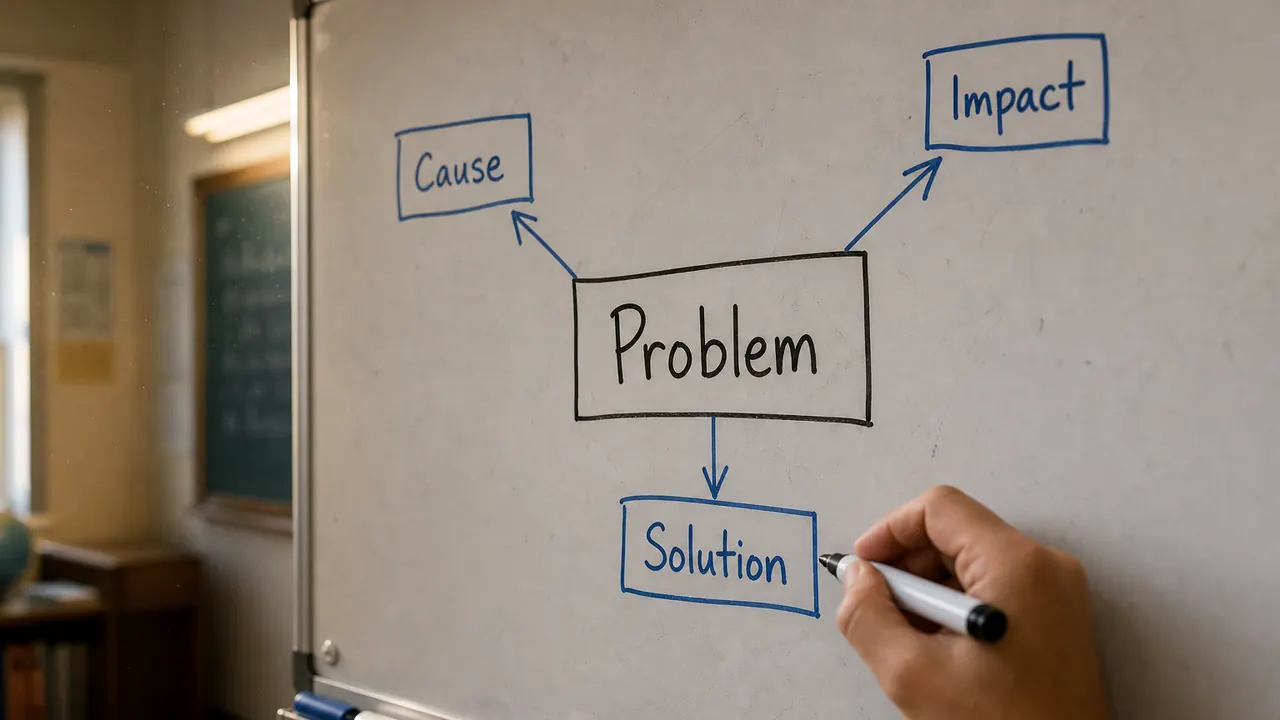
Brian Kerr's essay identifies three common failure modes in problem response: pushing problems around (moving them elsewhere in the system via local optimization), preserving problems (institutions intertwined with a problem have incentives to keep it alive), and promoting new problems (solving problem one just elevates problem two). It's a tight framework backed by Postman and Weinberg quotes — the kind of thing that's useful to have in your head during any planning or organizational design conversation.

 HN Briefing AM