Relevance 10/10Importance 9/10
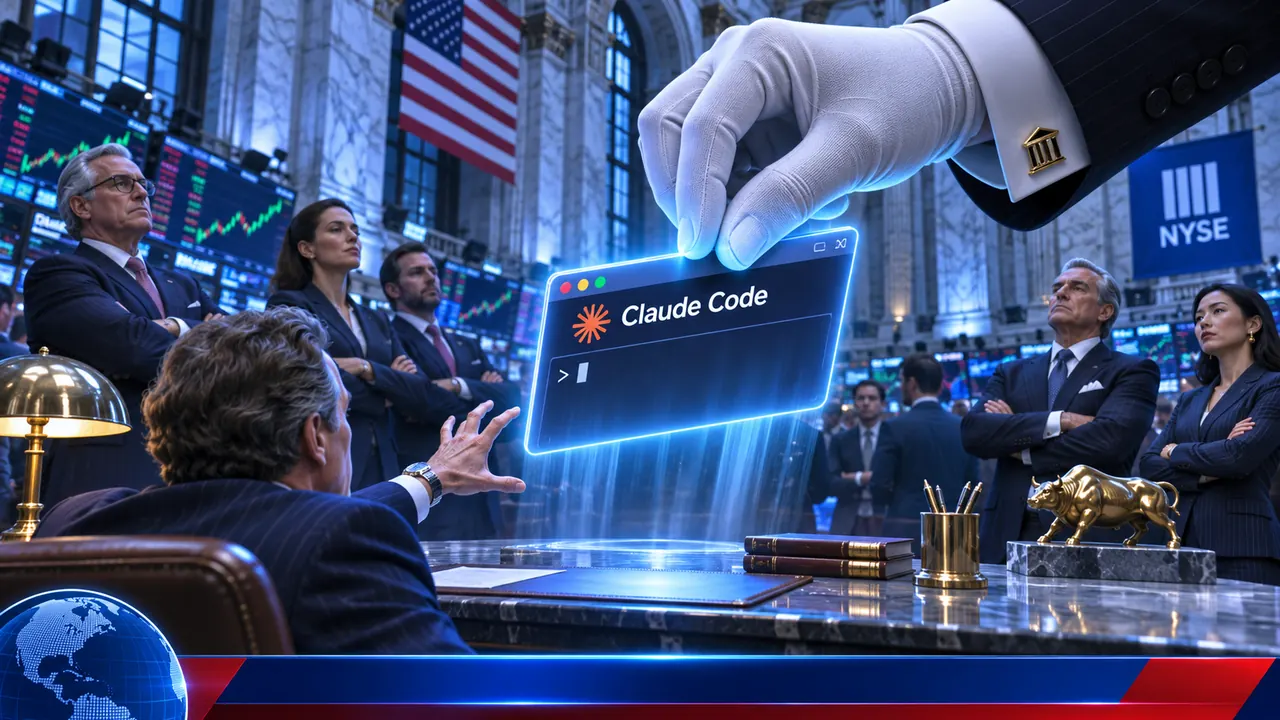
Goldman Sachs has restricted Claude Code and GitHub Copilot to its roughly 12,000 engineers, yanking the tools from bankers and traders who'd been using them for months to monitor client flows, model positions, and generate content. Internal guidance updated in October followed a productivity-and-risk review; the quant-leaning "strats" group keeps access. It's a sharp reversal — CIO Marco Argenti was publicly praising non-engineer "vibe coding" back in July.
Relevance 10/10Importance 8/10
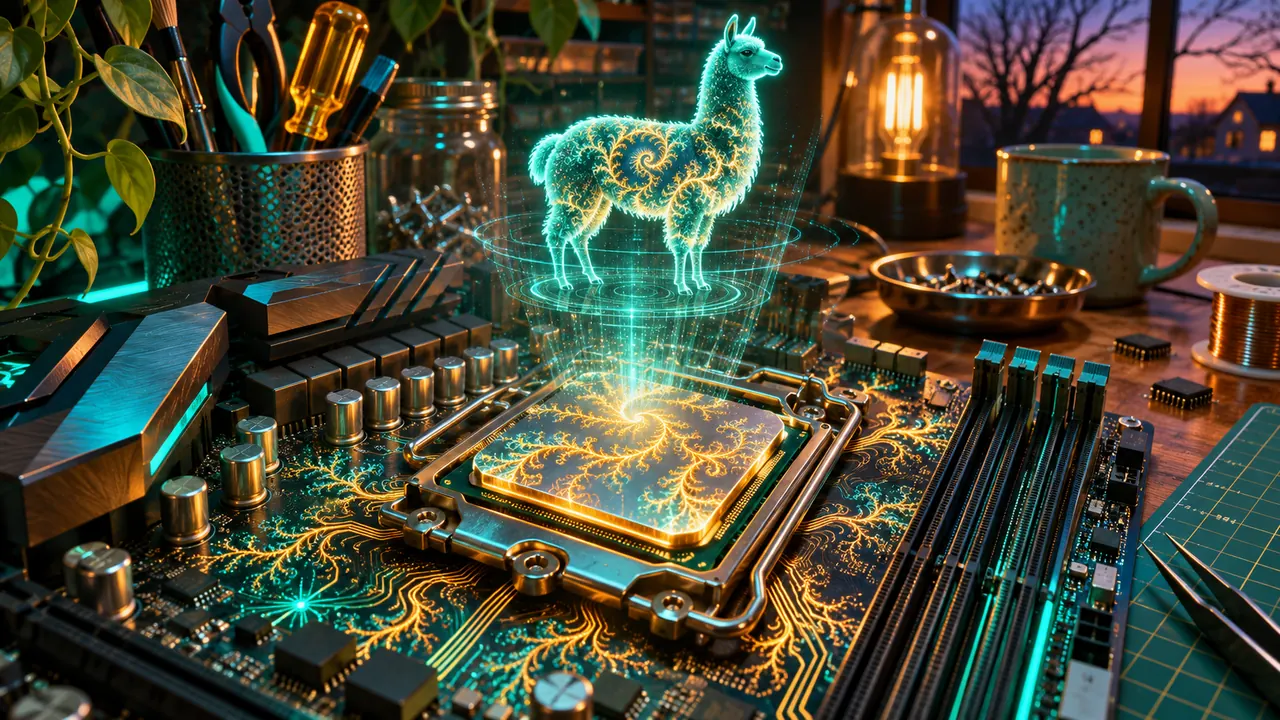
This project squeezes the 284-billion-parameter DeepSeek-V4-Flash into 56.56 GiB of RAM on a consumer CPU with zero GPUs, using a custom "Fractal-64" quantization, four-level cache tiling, and a 1.64MB speculative drafter. On a Ryzen 9 9955HX it claims 44.4 tokens/sec prefill and 9 to 14.7 tokens/sec generation, hitting 111.6 on Threadripper. The author claims bit-identical output to uncompressed execution.
Relevance 9/10Importance 6/10
Sergey Kuhne treats the cognitive overload of juggling parallel AI agent sessions as an engineering problem, not a willpower one. His fix: tickets as markdown files committed in-repo, an agent that cycles the board researching and building, and a script that generates a prioritized "owner inbox" of only the decisions needing a human. The core discipline is single-item focus — close one ticket fully before touching the next.
Relevance 9/10Importance 6/10
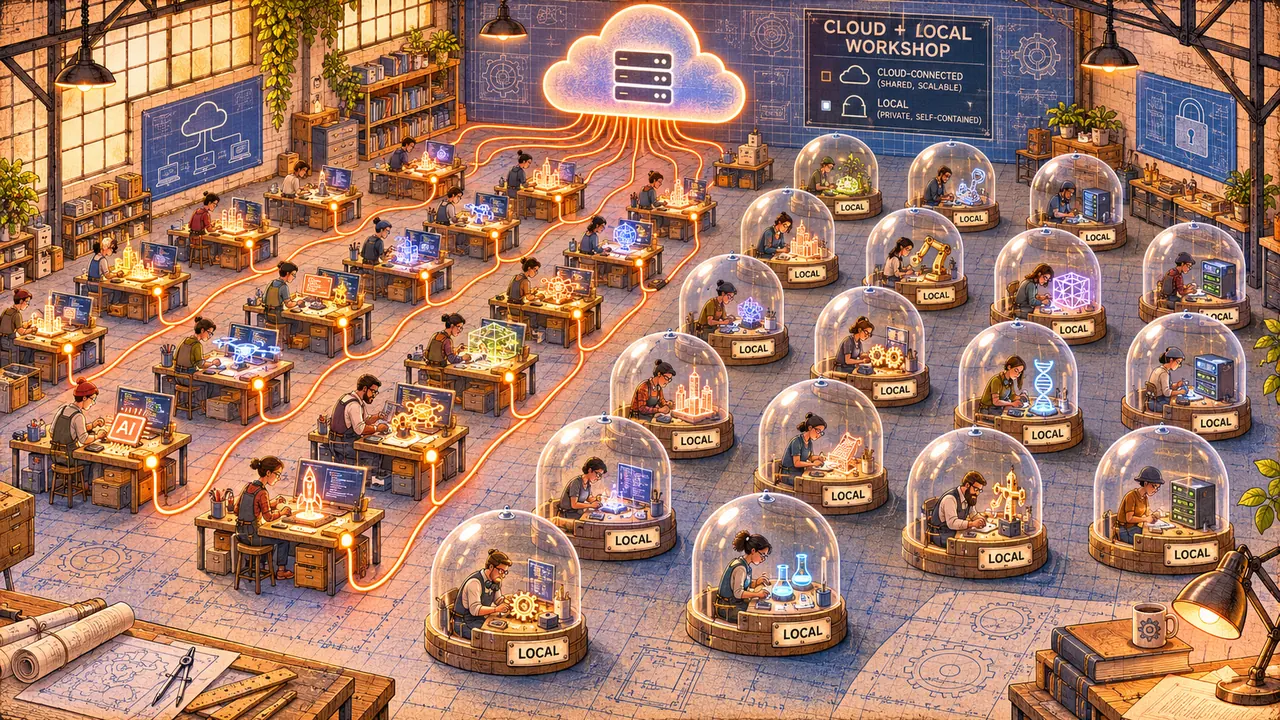
The monthly thread hit 186 comments and the themes are stark: AI agent orchestration infrastructure dominates, with a hard counter-current of local-first, on-device, privacy-preserving AI. Standouts include a spatial canvas for directing coding agents "like an engineering director," a Docker replacement pitched as "the sqlite of VMs," and a journal app running 1.2B models entirely in airplane mode.
Relevance 8/10Importance 7/10
Murat Demirbas builds on Manuel Blum's line that writing upgrades us from finite automata to Turing machines — externalized thought lets you solve problems your head can't hold. His AI argument is the sharp part: a polished six-page document no longer proves anyone thought clearly, which quietly destroys writing's historical function as evidence of rigor. His conclusion is that actually writing yourself is now "a comparative advantage, and a widening one."
Relevance 7/10Importance 6/10
Paul Ford argues browsers are now powerful enough that one person can ship real software for almost nothing — he built TinyLittleOffice with roughly the effort of a long newsletter post. He points at underused primitives like Web Crypto, WebAssembly, WebGL, and Web Audio as the actual unlock. His jab lands: while "giant AI companies are huffing AGI paint fumes," the real disruption may be a hundred times more people making software for each other.
Relevance 6/10Importance 7/10
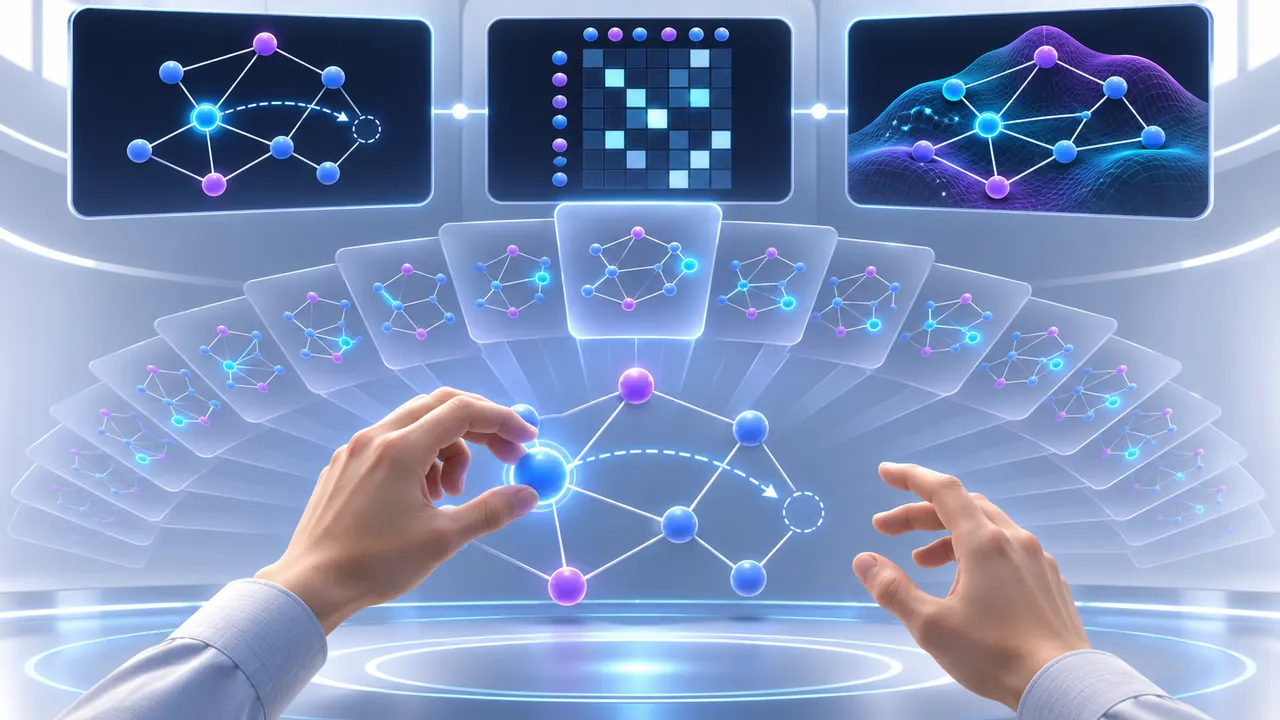
Joshua Horowitz, Andrew Blinn, and Jeffrey Heer won Best Paper at UIST 2026 for a system where you declare which future app states a drag should reach, and it synthesizes the geometry and animation for you. The library, Dragology, shines on interfaces with parallel representations — every view updates fluidly mid-drag. In the Hazel programming environment it makes refactorings literally tangible.
Relevance 4/10Importance 8/10
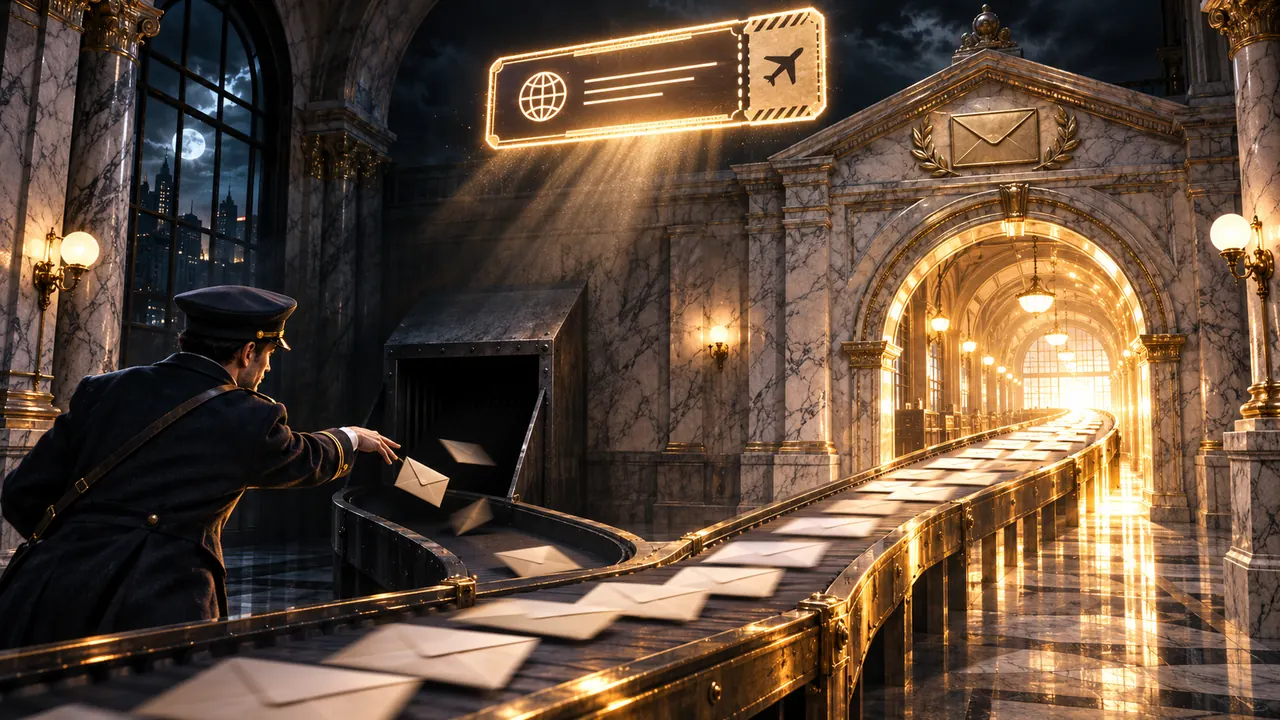
Since November 5, 2026, Microsoft's consumer mail stack has been bouncing messages from domains with no DMARC record, citing "Message lacks SPF/DKIM/DMARC Auth Records" — and unlike the May 2025 policy, there's no 5,000-a-day volume floor, so tiny senders are hit. Rejections are inconsistent, meaning invoices and confirmations silently vanish while other mail sails through. The fix is one TXT record: `_dmarc` set to `v=DMARC1; p=none`.
Relevance 3/10Importance 5/10
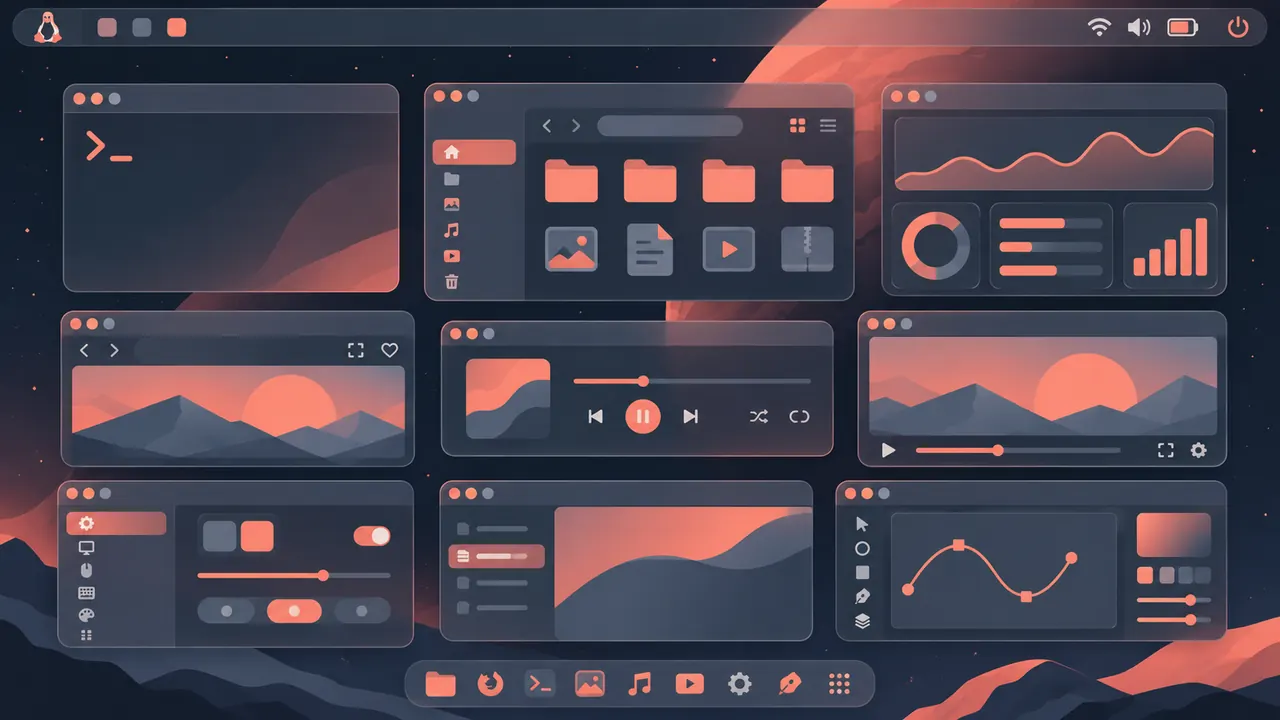
Dux is an MIT-licensed desktop suite for Wayland compositors like niri, Hyprland, and Sway, shipping a modular shell plus a keyboard-first file manager, system monitor, greeter, search, and calendar. Its headline trick is unified theming — a custom color algorithm that auto-generates matching palettes across GTK, Qt, terminals, and editors. It's distributed as pre-built flavors including an immutable Fedora variant called Zirconium.
Relevance 1/10Importance 3/10
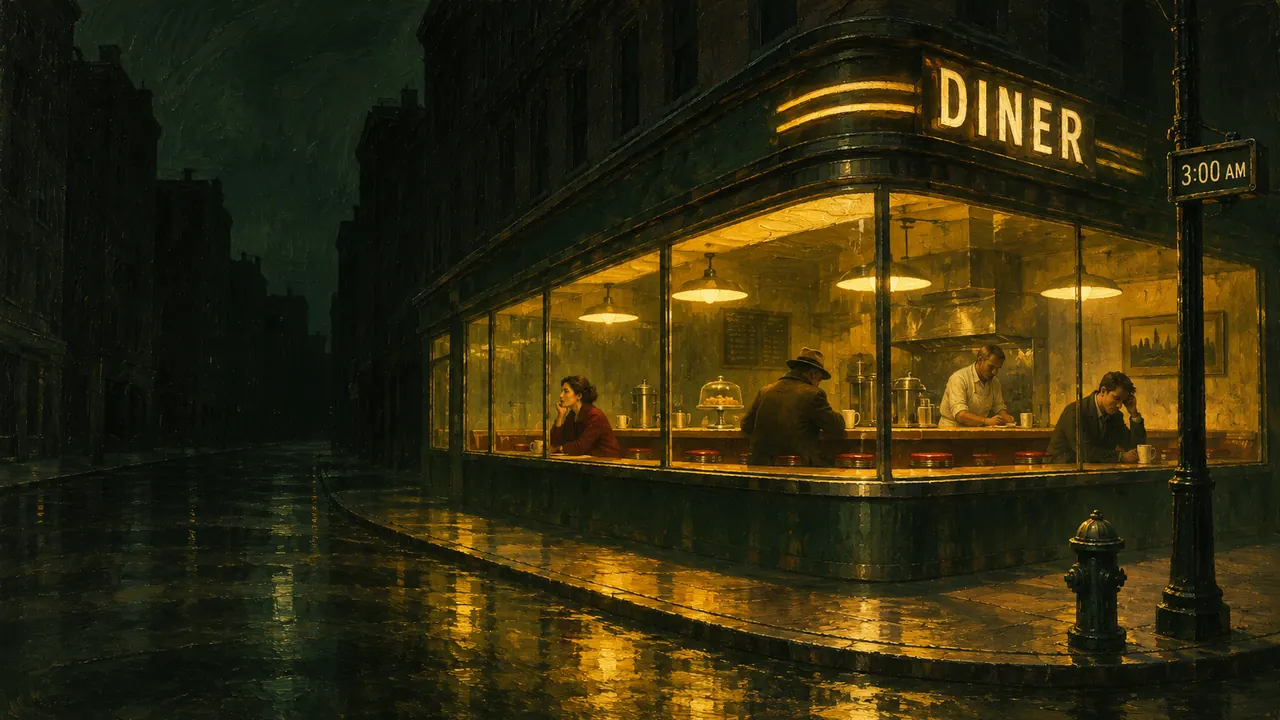
Hopper's 1942 diner scene was painted in wartime New York under blackout anxiety, which makes that blaze of artificial light read very differently. The piece traces how he fused Impressionism, Surrealism, and American realism into something unmistakably national. It endures as the definitive image of urban isolation.

 HN Briefing PM