Relevance 10/10Importance 10/10
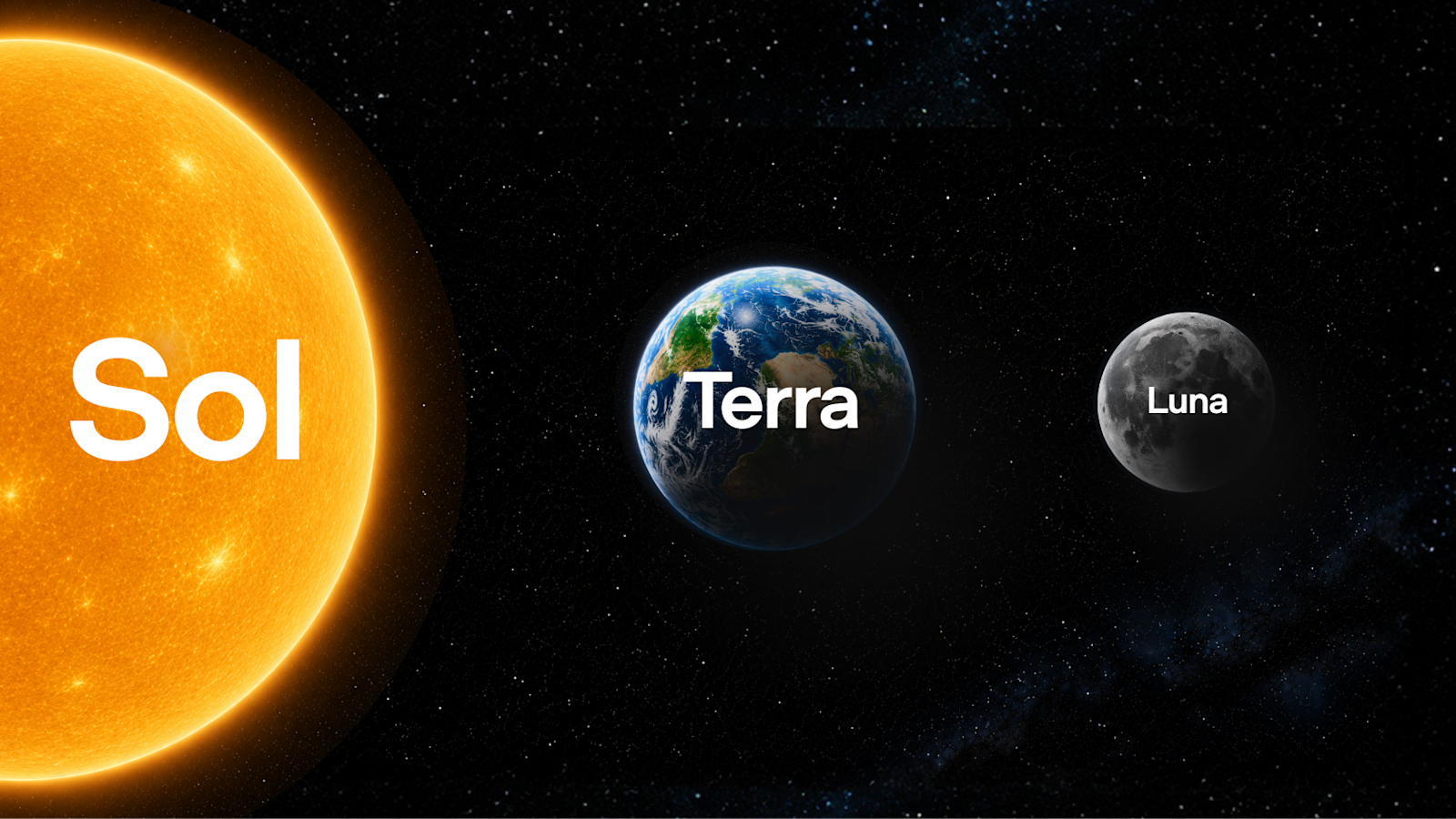
OpenAI unveiled three new models in limited preview for roughly 20 trusted partner organizations: Sol targets frontier reasoning and long-horizon agents running on Cerebras at up to 750 tokens per second; Terra matches GPT-5.5 performance at half the cost; and Luna is the fast, cheap tier. A new Ultra mode enables Max reasoning and heavier sub-agent use across the family. Broad availability is expected in coming weeks.
Relevance 10/10Importance 9/10
Sonnet 5 is now the default for Free and Pro tiers, delivering near-Opus-4.8 performance with strong agentic capabilities including browser and terminal use. Introductory pricing is $2/$10 per million tokens through August 31, then steps up to $3/$15. VentureBeat framed the launch as part of Anthropic's pre-IPO sprint to cement market position.
Relevance 10/10Importance 9/10
Gemini 3.5 Pro missed its original launch window, slipping into July 2026 with a 2-million-token context window and Deep Think reasoning mode still in the pipeline. The delay wiped roughly $225 billion from Google's market capitalization as investors weighed the competitive gap against OpenAI and Anthropic. Google's current flagship has already advanced past Gemini 2.5 Pro to Gemini 3.1 Pro in the interim.
Relevance 10/10Importance 8/10
Alongside Sonnet 5, Anthropic debuted Claude Science, a research workbench with over 60 preconfigured scientific tools available to Pro, Max, Team, and Enterprise users. The platform includes an internal drug-discovery program targeting neglected diseases. It positions Anthropic as a direct competitor in AI-for-science workflows alongside Google DeepMind's AlphaFold ecosystem.
Relevance 8/10Importance 9/10
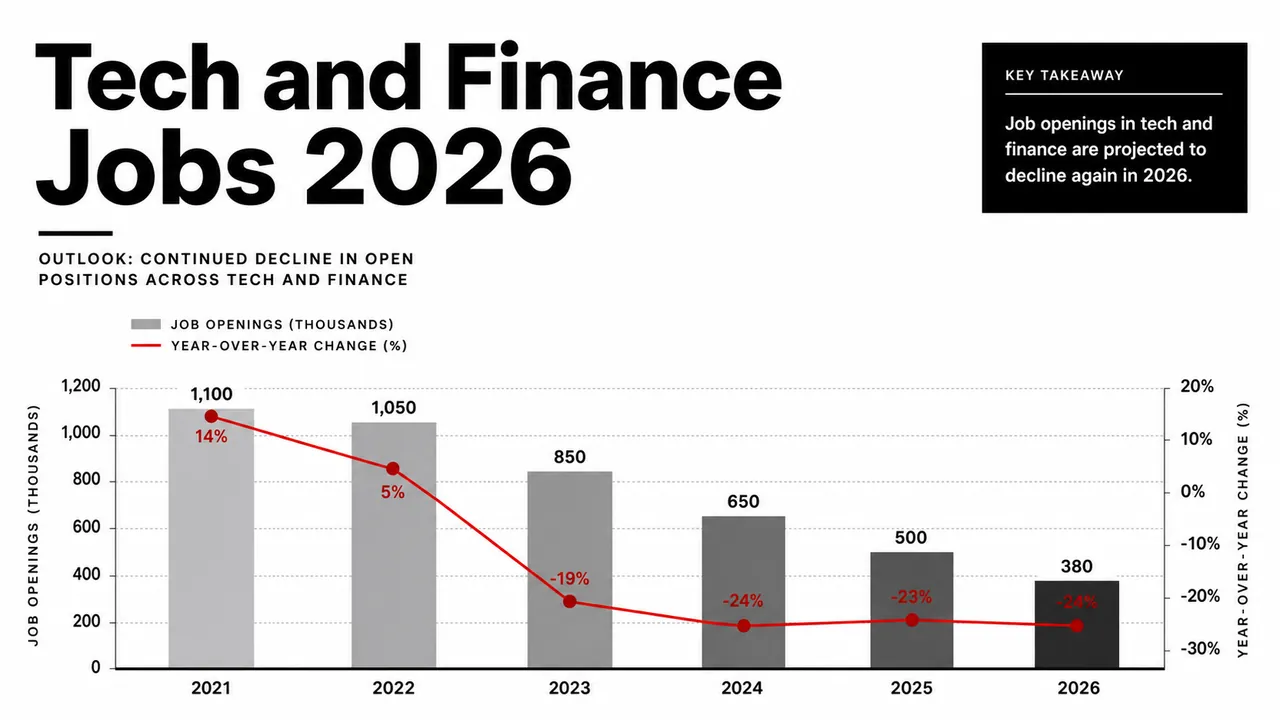
A Bloomberg analysis finds that payrolls in information technology and financial services — the sectors with fastest AI adoption — are declining at roughly 28,000 positions per month in 2026, with over 150,000 roles cut in the first half of the year alone. Economists are no longer debating whether an AI labor displacement crisis is coming; they are debating whether it has already arrived. The numbers are skewed toward white-collar knowledge work, not just manufacturing.
Relevance 9/10Importance 8/10
xAI opened its Voice Agent Builder to beta developers on July 1, promising a production-ready voice agent in under two minutes with no code required. The platform bundles telephony, MCP tool integration, knowledge retrieval, guardrails, and observability at $0.05 per minute — undercutting ElevenLabs and Vapi on price. Enterprise tiers add SIP support, SOC 2, HIPAA eligibility, and GDPR compliance out of the box.
Relevance 9/10Importance 8/10
Anthropic brought Fable 5 and Mythos 5 back to global availability on July 1 after U.S. export controls were lifted, adding new cybersecurity classifiers in the process. The models had been paused on June 12 following jailbreak concerns. The episode is the clearest case yet of export control policy directly shaping a frontier model's public availability timeline.
Relevance 9/10Importance 7/10
Mistral's 24-billion-parameter Medium 3 is drawing strong reviews from independent evaluators, who place it ahead of far larger models on coding and instruction-following benchmarks relative to its cost. The release continues the 2026 trend of cost-performance compression making frontier-quality outputs accessible at mid-tier pricing. Medium 3 slots between Mistral Nemo and Mistral Large in the product lineup.
Relevance 8/10Importance 8/10
ByteDance's Doubao and Alibaba's Qwen are disabling human-mimicking and user-created agent personas ahead of China's new anthropomorphic AI restrictions, which take effect July 15. The rules limit how AI products can present themselves to users and govern the behavior of AI personas at scale. The compliance moves signal that China's regulatory apparatus is actively reshaping how its leading AI products behave domestically.
Relevance 7/10Importance 8/10
The UN convened its Global Dialogue on AI Governance in Geneva today, with member states pushing for a multilateral treaty framework to manage the technology's spread. UK Foreign Secretary Yvette Cooper amplified the urgency on July 5, calling AI the greatest security challenge of the next decade and demanding international guardrails. The timing is not coincidental — both events reflect mounting pressure on governments to move faster than the models they are trying to govern.