Relevance 9/10Importance 9/10
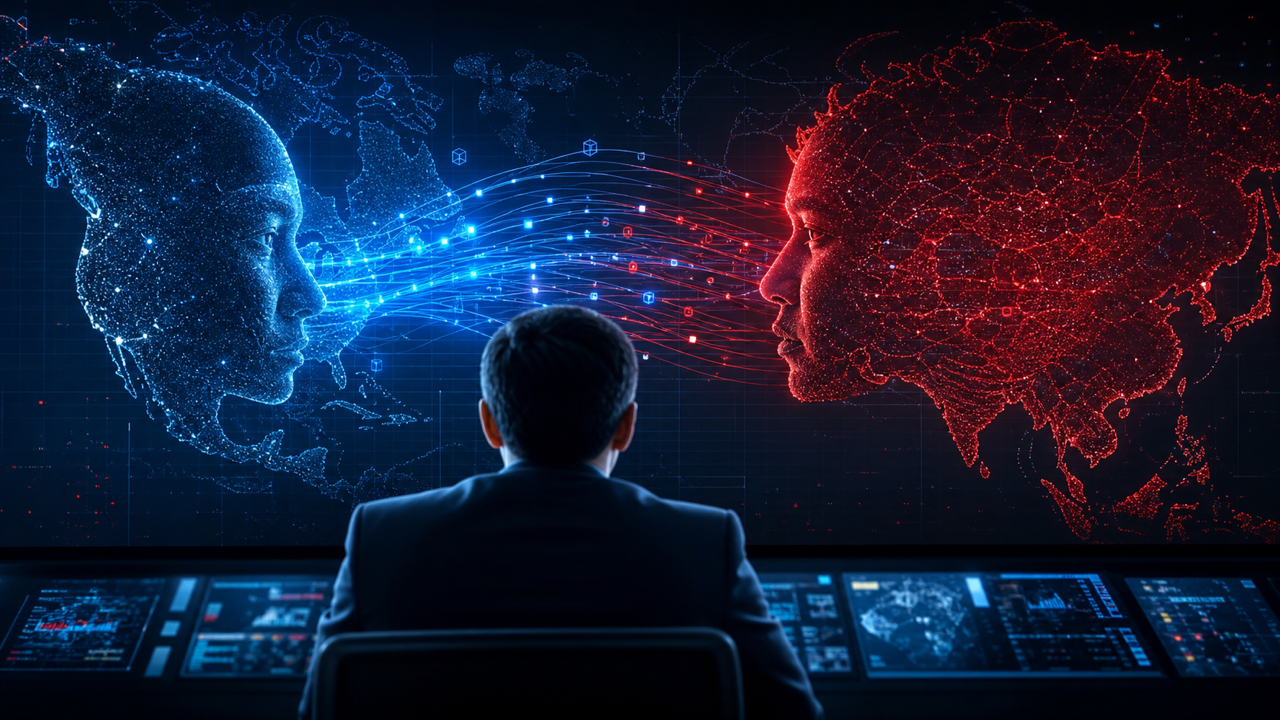
Z.ai's GLM 5.2 and DeepSeek V4 Flash have crossed a threshold US frontier labs cannot ignore: Chinese models now account for 30 to 46 percent of US developer API tokens weekly, up from just 11 percent a year ago, driven almost entirely by cost. OpenAI runs $5–$30 per million tokens; DeepSeek charges $0.14–$0.28 — a 60-to-90 percent discount while matching Anthropic's Opus 4.8 on agentic coding benchmarks. GLM 5.2 grew 27x in daily token volume and 80x in customers in its first full week on Vercel.
Relevance 7/10Importance 9/10
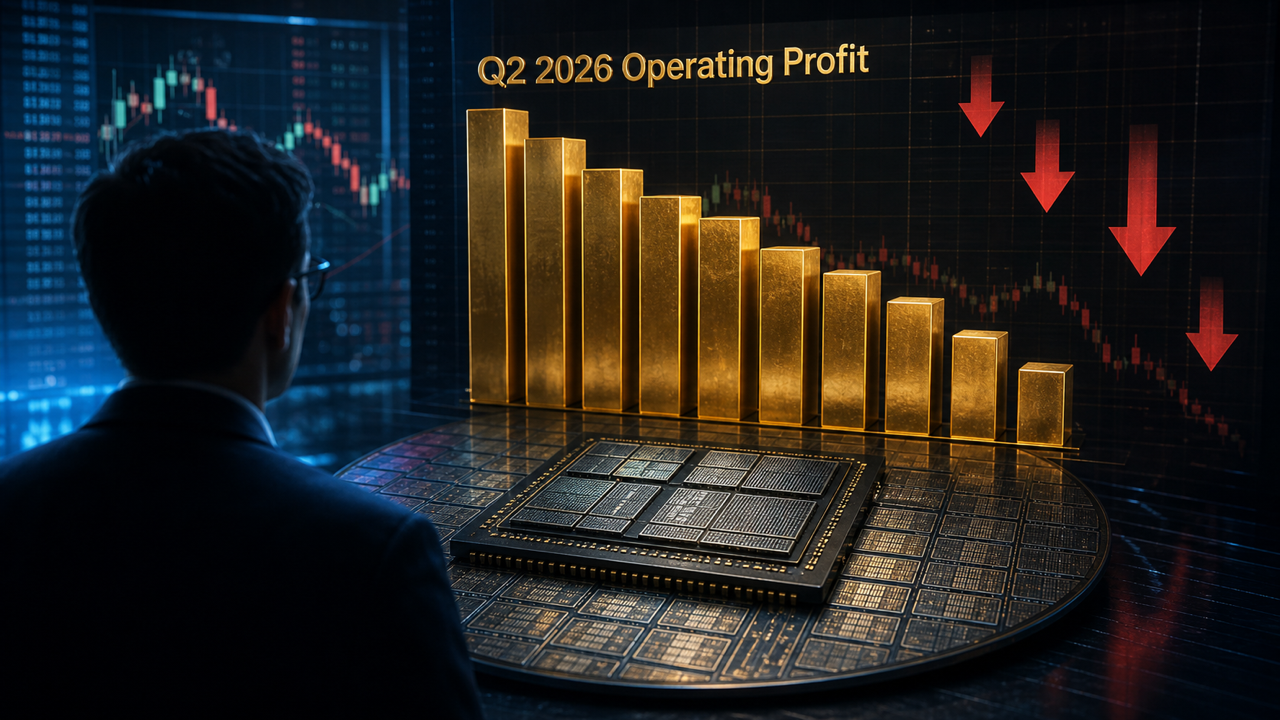
Samsung Electronics reported Q2 operating profit of 89.4 trillion won ($58.4 billion), a 19-fold year-over-year increase and the single largest quarterly operating profit any technology company has ever recorded — exceeding Samsung's combined profit from 2023 through 2025. Every won of it traces back to AI memory: high-bandwidth chips for AI accelerators at scale. Despite the beat, Asia chip shares fell today as investors questioned whether AI demand can sustain these valuations.
Relevance 8/10Importance 8/10
Meta released Muse Image today, the second product from its Superintelligence Labs under Alexandr Wang, following April's Muse Spark LLM. The model — internally codenamed Mango — is integrated live into Meta AI, Instagram Stories, and WhatsApp direct messages, supporting text-to-image generation, photo editing via sketches and annotations, and image generation featuring users' friends from their public Instagram profiles. Internal benchmarks put Muse Image behind OpenAI's GPT Image 2, but it lands in front of roughly three billion users from launch day.
Relevance 8/10Importance 8/10
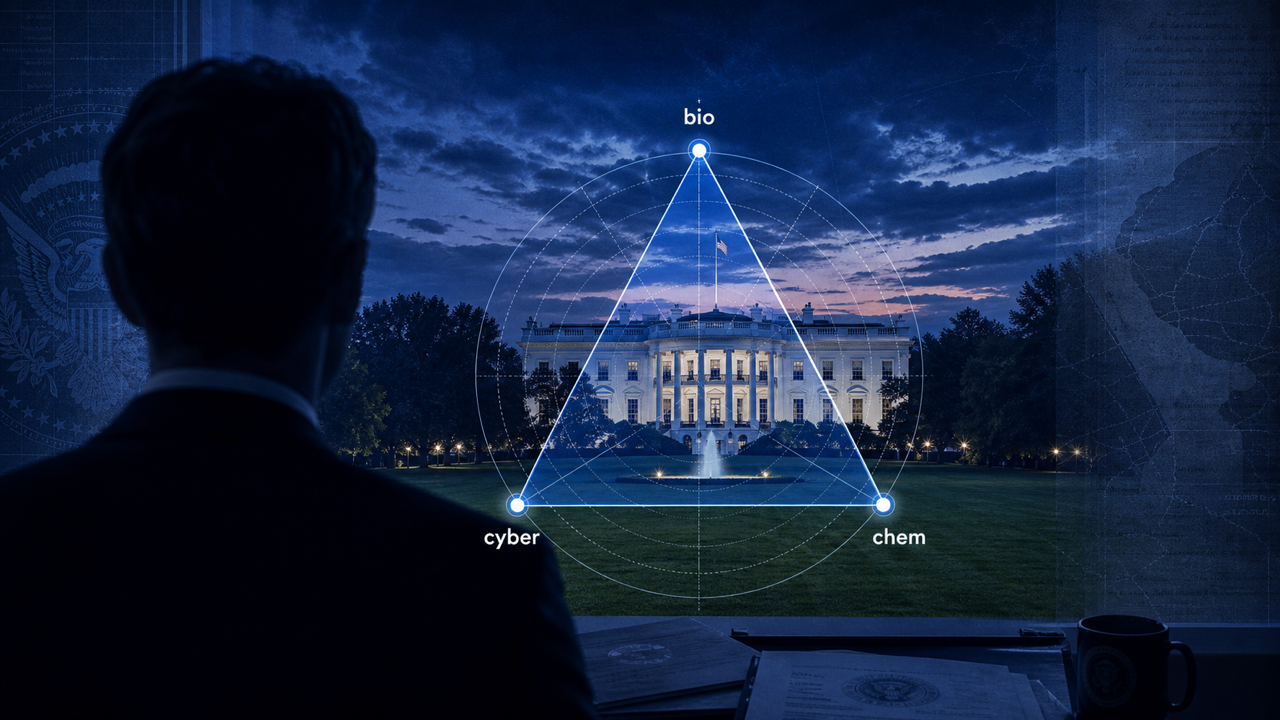
New specifics are emerging on the White House AI standards framework expected to be finalized this week. Under the proposed structure, AI companies would notify the government 30 days before releasing any model above a capability threshold — assessed on training compute, benchmark performance, and ability to assist with biological, chemical, or cyberattack tasks. Government technical teams would review during that window and could flag concerns, but could not block releases. OpenAI, Google, and Anthropic are all reportedly in advanced talks to participate.
Relevance 7/10Importance 8/10
Governor JB Pritzker signed Senate Bill 315 — the Artificial Intelligence Safety Measures Act — making Illinois the first US state to require mandatory annual third-party safety audits for frontier AI developers generating more than $500 million in annual revenue. Companies must publish safety frameworks, report safety incidents within 72 hours of discovery (24 hours if imminent physical danger), and define how they assess "catastrophic risk" (death or injury to more than 50 people, or $1 million in property damage). The law takes effect January 1, 2027.
Relevance 7/10Importance 8/10
The inaugural UN Global Dialogue on AI Governance wrapped its second and final day in Geneva today, with delegates from 169 nations. The priority outcome: an AI Child Safety Pledge prioritizing children's wellbeing in any future governance accord. UN Secretary-General Guterres closed with a warning against letting AI "vibe-code humanity's future." No binding commitments emerged, but a second session is now confirmed for New York in May 2027, moving the process toward a more formal global framework.
Relevance 8/10Importance 7/10
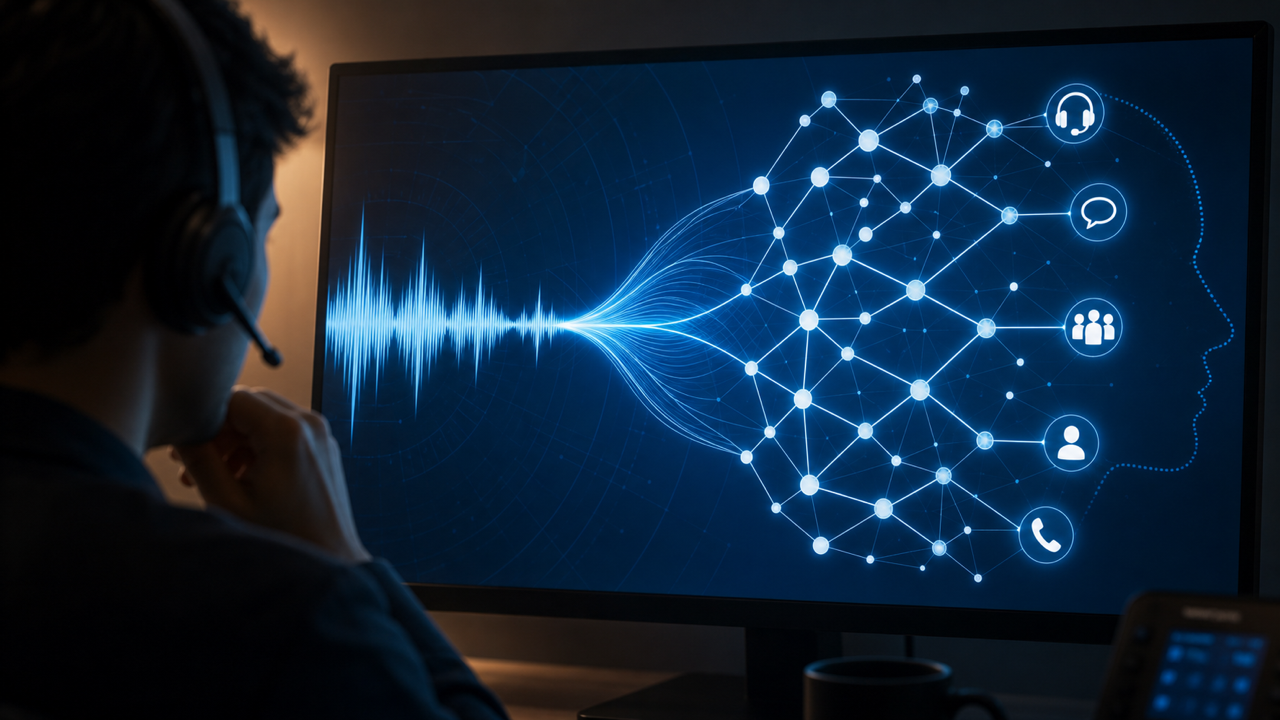
OpenAI shipped gpt-realtime-2.1 and gpt-realtime-2.1-mini to the API, targeting real-time voice agent applications. The headline improvement is at least 25% lower p95 latency via improved caching, but the bigger functional leap is configurable reasoning effort — from minimal to xhigh — enabling far more capable multi-step voice workflows. The models also add better alphanumeric recognition, silence and noise handling, and improved interruption behavior. The mini variant ships at the same price point as its predecessor.
Relevance 8/10Importance 7/10
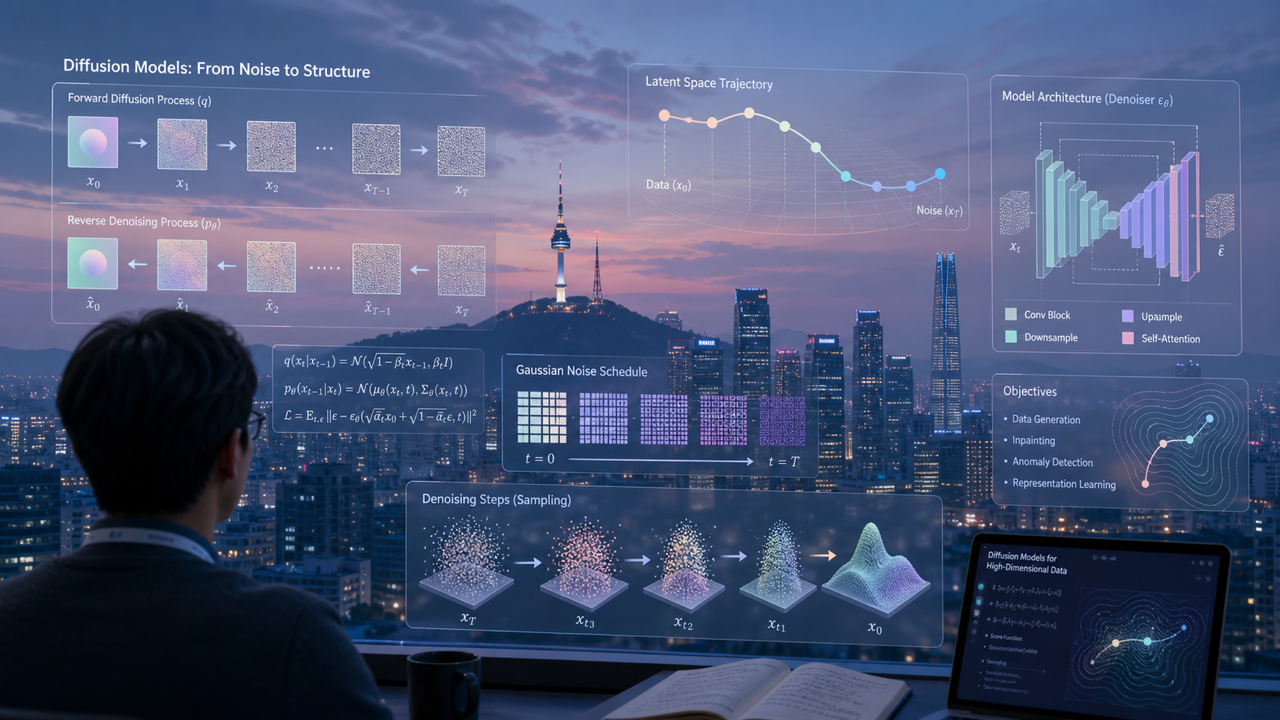
The International Conference on Machine Learning announced its 2026 awards at this week's Seoul conference (July 6–11). Two diffusion model papers claimed Outstanding Paper honors: one arguing that arbitrary-order generation in diffusion language models is a "flexibility trap" that harms performance; another advancing high-accuracy sampling methods for diffusion systems and log-concave distributions. DeepMind's foundational asynchronous reinforcement learning paper won the Test of Time award. Diffusion models sweeping ML's most competitive conference reflects how thoroughly they've moved from niche to infrastructure.
Relevance 7/10Importance 7/10
Syntiant, which designs ultra-low-power AI inference chips for on-device applications — hearing aids, laptops, IoT hardware — has filed for a public market listing. The company reported 76% revenue growth and $20.9 million in losses in Q1 2026. Syntiant's play is the opposite of the hyperscale chip story: always-on AI at the edge, drawing milliwatts instead of megawatts. The IPO filing signals investor appetite for AI silicon that isn't Nvidia and isn't a data center.