Relevance 10/10Importance 9/10
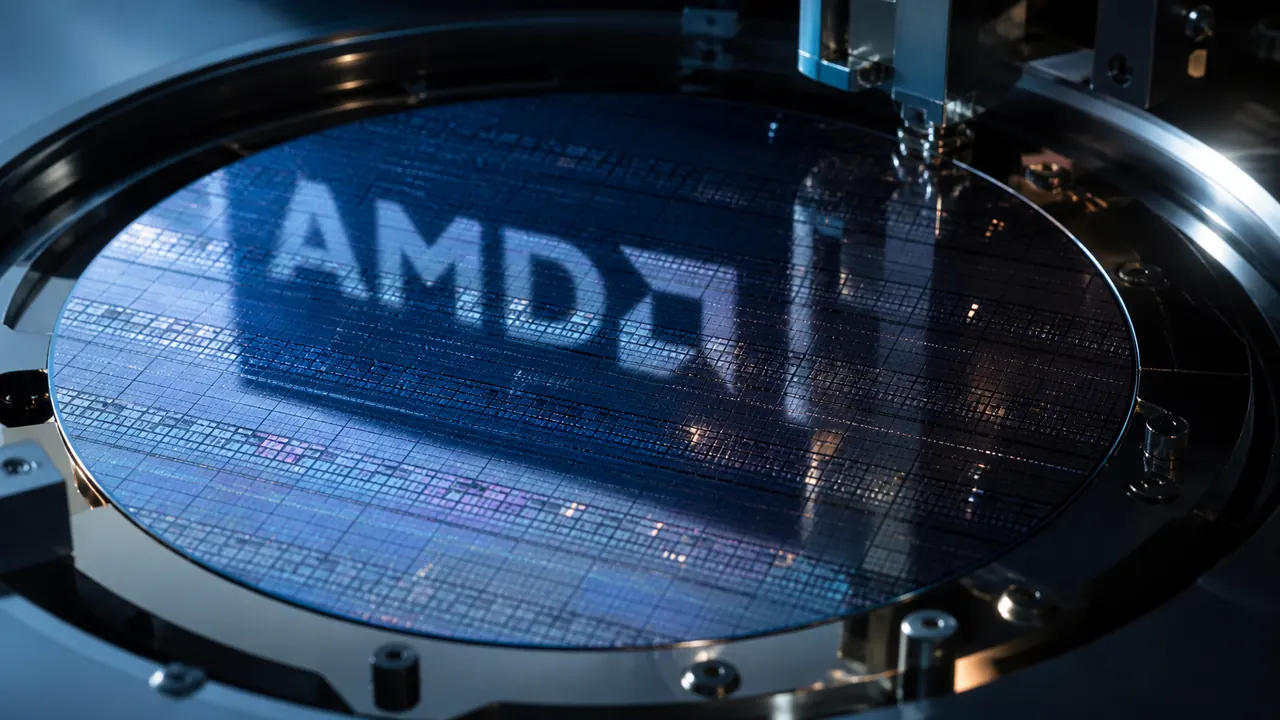
AMD has acquired Toronto-based startup Taalas, which etches AI model weights directly into silicon as model-specific integrated circuits rather than loading them from memory at runtime. Their HC1 chip serves Meta's Llama 3.1 8B at roughly 17,000 tokens per second — significantly faster than GPU alternatives — positioning AMD as a serious inference challenger to Nvidia. The tradeoff is inflexibility: model changes require new fabrication, though Taalas claims updating two metal layers can accommodate revisions.
Relevance 10/10Importance 9/10
OpenAI tuned GPT-5.6 Sol for Plus and Pro users to deliver more factual, focused responses — reporting 68% fewer factual errors on financial, medical, and legal prompts compared to the previous default model. Simultaneously, GPT-5.6 Luna becomes the new default for Free and Go users with unlimited text chat, replacing all prior usage caps. Free users also get a Think button that triggers deeper reasoning from Luna on demand.
Relevance 10/10Importance 8/10
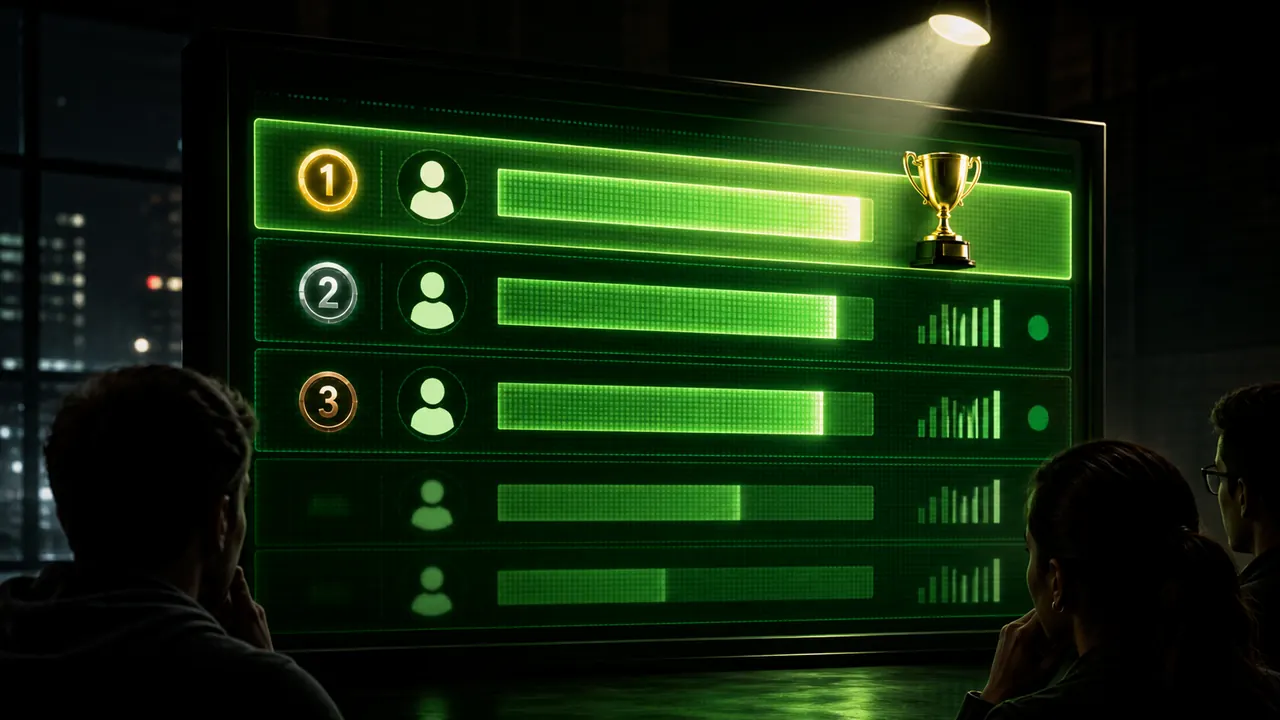
The Artificial Analysis agentic index currently shows Claude Opus 5 (max) at the top with a score of 59.17, with Qwen3.8 Max just behind at 58.40 — a razor-thin margin that has the HN crowd buzzing despite the headline overstating Qwen's position. GPT-5.6 Sol (max) comes in third at 57.78, while lower-tier models trail significantly. The index focuses on tool use, planning, autonomy, and complex multi-step problem solving rather than raw benchmark scores.
Relevance 9/10Importance 7/10
Herdr, an open-source runtime for CLI coding agents built solo by Can Celik, hit 25,000 GitHub stars and 340,000 downloads before joining YC's F26 batch. The project provides persistent agent execution across machines via a TUI and plugin system, with commercial features planned around multi-machine agent coordination. Celik commits explicitly to keeping the core Apache 2.0 runtime free — "the runtime stays open" is the pledge.
Relevance 7/10Importance 6/10
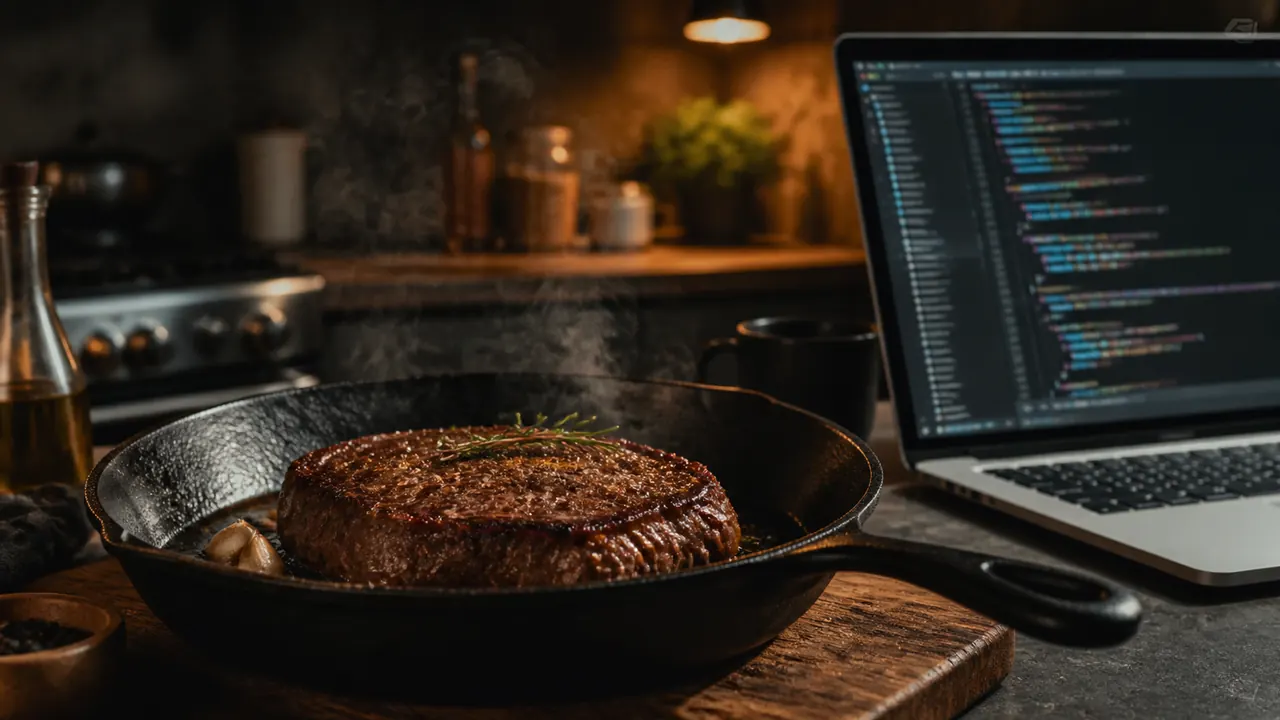
Don't let the title fool you — this is a sharp essay on AI-assisted software development using steak as the metaphor. The author argues that prompting an AI to write code is trivially easy, just like tossing meat in a hot pan, but consistently producing quality software still requires craft, judgment, and the ability to recognize when AI output looks right but is functionally wrong. You can luck your way into a decent steak; you can't build a reliable product on luck.
Relevance 5/10Importance 7/10
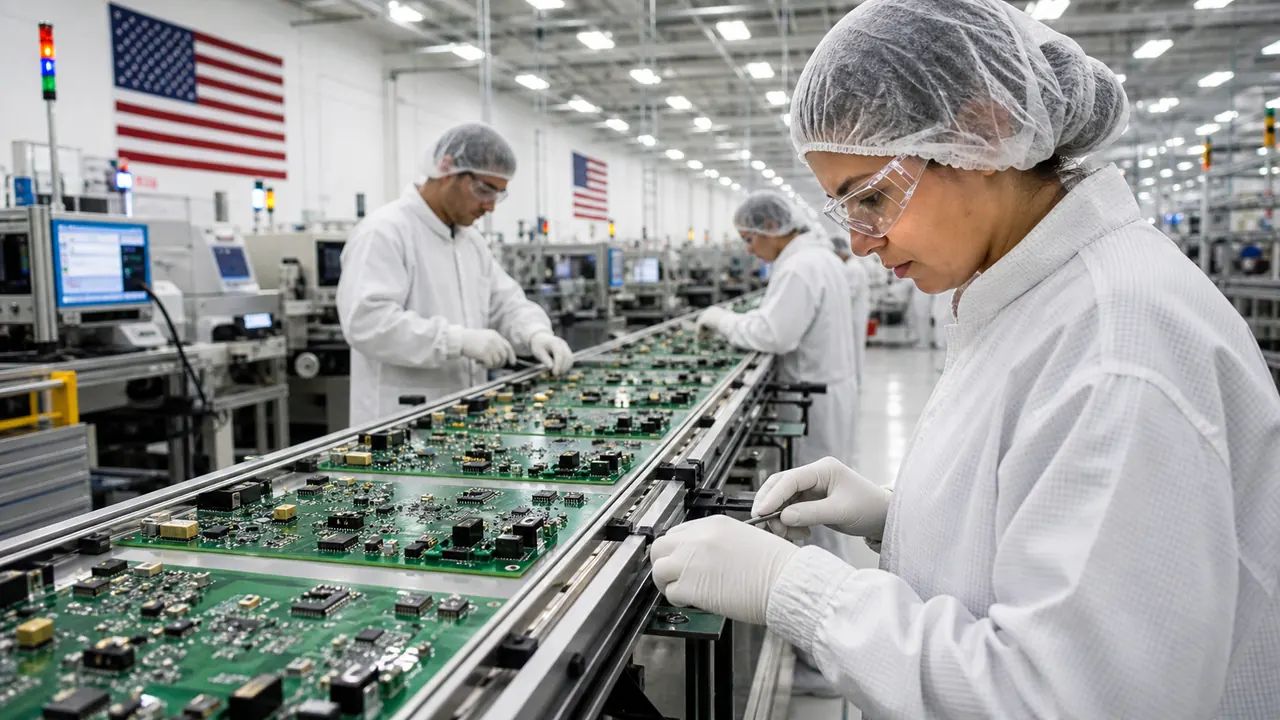
ProvenMetal launched on HN with a direct pitch: circuit boards in seven days instead of the typical three-plus weeks, with the entire build chain — fabrication, assembly, testing — handled domestically. The startup eliminates ocean freight, customs delays, and multi-vendor coordination that plague offshore PCB manufacturing, targeting drone, defense, and hardware startup customers. EDA plugins for KiCAD and Altium let engineers kick off parts ordering before fabrication even starts.
Relevance 4/10Importance 6/10
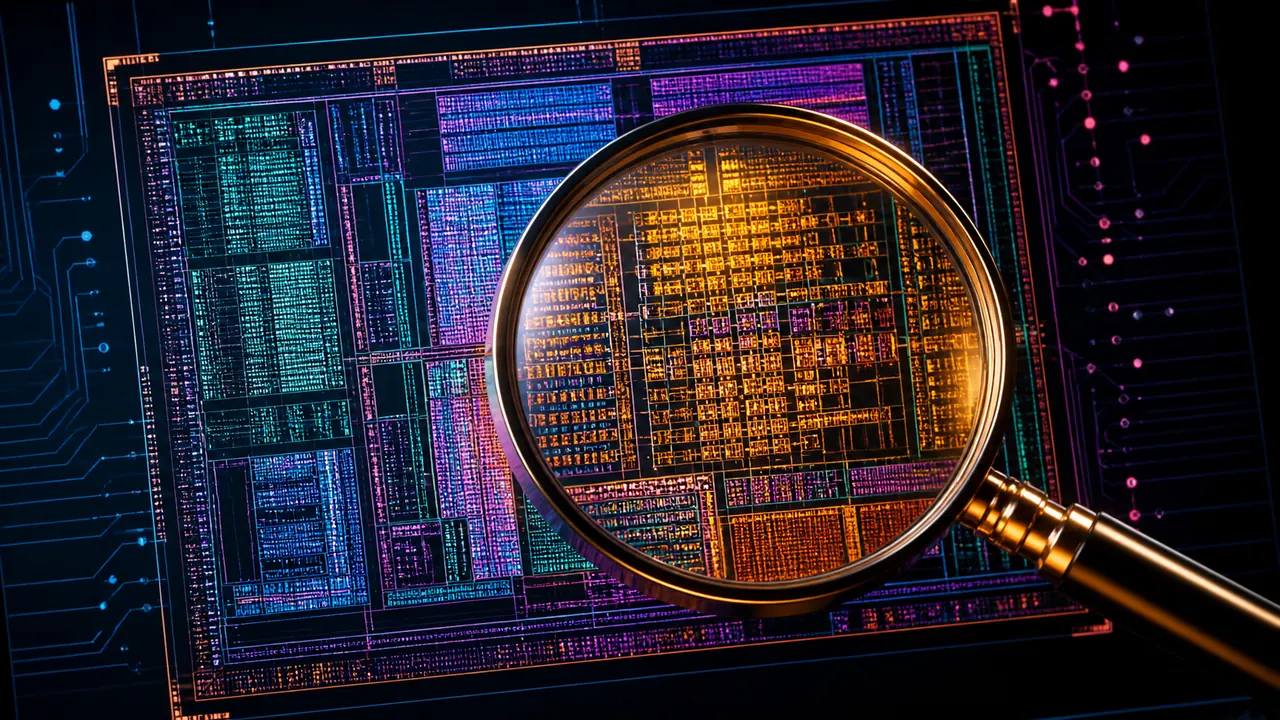
Jane Street published a hardware puzzle challenging readers to reverse-engineer an ASIC from its GDS layout file — a geometric description of every polygon on every layer of the chip. Solvers must use open-source tools like KLayout or Magic VLSI to recover the netlist and determine the circuit's function. It's a fascinating technical challenge that doubles as a quiet reminder: hardware IP protection is genuinely hard when the geometry contains all the logic.
Relevance 1/10Importance 7/10
The NSF Daniel K. Inouye Solar Telescope has enabled the first experimental confirmation of Kelvin-Helmholtz instability — tiny swirling whirlpool patterns — in the solar photosphere, published in Nature. Researchers believe KHI may explain why the Sun's outer atmosphere is far hotter than its surface and how magnetic energy accumulates to drive solar flares. The discovery could meaningfully improve space weather forecasting for the satellites, power grids, and communications infrastructure we all depend on.
Relevance 3/10Importance 5/10
Developer Antoine Mayerowitz built an interactive explainer using Mario Kart 8 character builds to teach the Pareto frontier — the set of choices where improving on one dimension necessarily costs you another. The piece shows that balancing speed, acceleration, and handling in Mario Kart is a perfect real-world analogy for multi-objective optimization problems, from investment portfolios to meal planning. It's exactly the kind of elegant, math-made-fun content that earns its spot on the HN front page.
Relevance 1/10Importance 5/10
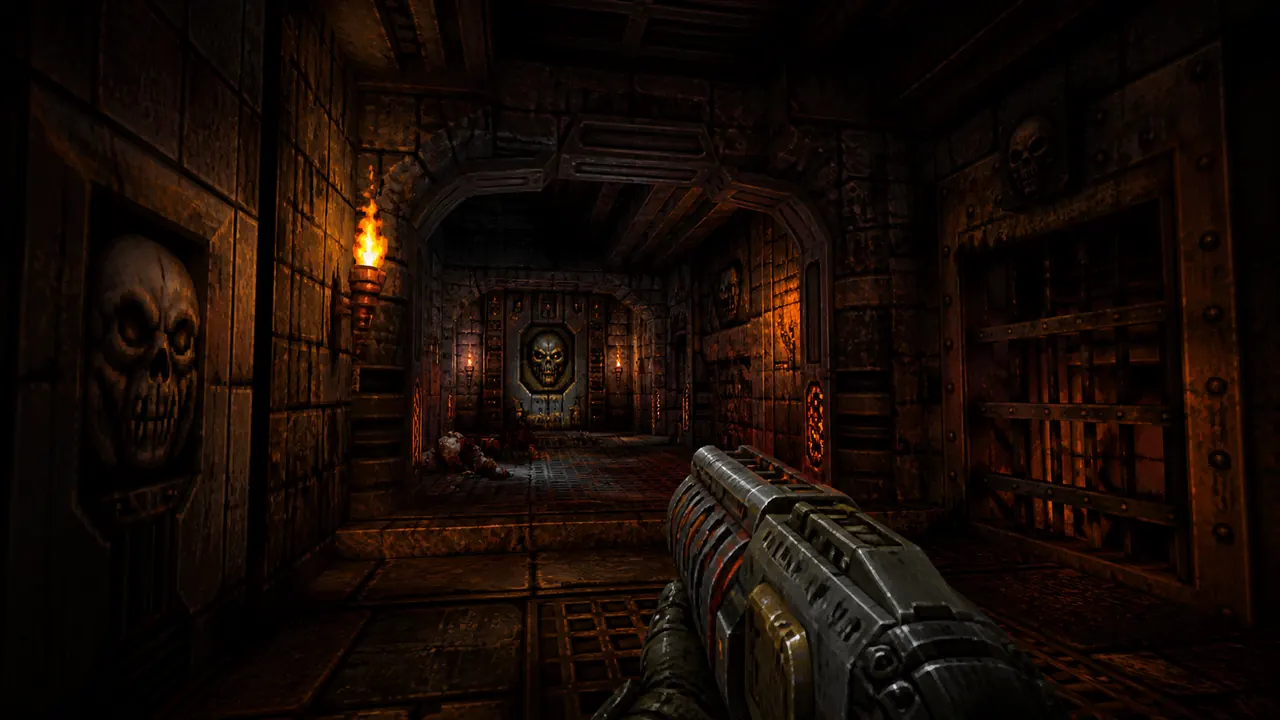
id Software and MachineGames dropped "Dawn of the Machine," a free Quake anniversary update featuring 19 new maps in a cohesive campaign, new enemy types like Rocket Ogres and Demo Dogs, and new weapons including a Super Axe and Laser Cannon. A dimensional-shifting puzzle mechanic and looping replayable structure are built into the campaign, available now on PlayStation, Xbox, Nintendo Switch, and Steam. Thirty years of Quake — it's still got it.

 HN Briefing PM