The bipartisan 21st Century ROAD to Housing Act became law at midnight Friday without President Trump's signature — he deliberately let the 10-day clock expire in silent protest over the Senate's failure to pass the SAVE America Act, his voter ID and citizenship verification bill. The SAVE Act cleared the House but fell short in the Senate after Republicans McConnell, Collins, Tillis, and Murkowski voted against it, denying the 60-vote threshold. Democrats got their housing win; Trump says the fight over election integrity is just beginning.
Democrat Graham Platner formally withdrew from Maine's U.S. Senate race Friday following a rape allegation that triggered a party-wide revolt — even Bernie Sanders publicly demanded he step down. Democrats now have until July 27 to name a replacement nominee, leaving their best shot at unseating incumbent Republican Sen. Susan Collins in serious jeopardy.
With only 53 Republican Senate seats, four GOP defections — McConnell, Collins, Tillis, and Murkowski — have turned the SAVE Act into a pressure cooker on Capitol Hill. Trump is now wielding the stalled bill as leverage across multiple priorities, including a proposed $350 billion defense reconciliation package, as the midterm clock ticks louder. The infighting raises real questions about whether Republicans can deliver on Trump's legislative agenda before the 2026 elections.
U.S. and European defense manufacturers are dramatically accelerating production in response to simultaneous global security demands — the Iran conflict, the Ukraine war, and heightened NATO deterrence requirements. Analysts are calling it one of the most significant defense-industrial expansions since World War II. The surge reflects a bipartisan strategic consensus that sustained wartime output capacity is now a Western necessity, not an option.
President Trump announced Friday that the U.S.-brokered ceasefire with Iran is officially over after Iranian forces attacked commercial shipping in the Strait of Hormuz, triggering roughly 170 combined American airstrikes over two days. Iran retaliated by launching attacks across the broader Middle East, striking targets in Bahrain, Jordan, Kuwait, and Qatar. Even so, Trump confirmed the U.S. agreed to continue diplomatic talks, calling Iran "scum" while leaving a back channel open.
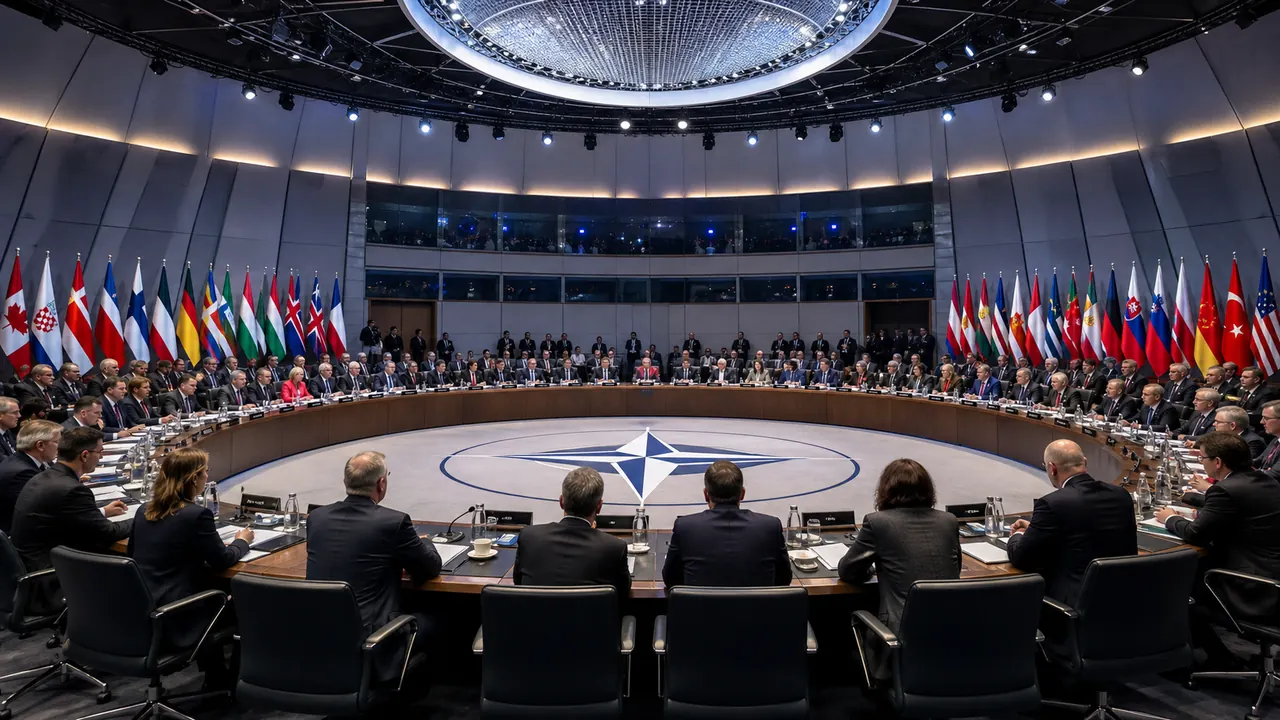
European NATO members and Canada pledged 70 billion euros — roughly $80 billion — in military aid for Ukraine at this week's summit in Ankara. In a headline moment, President Trump offered Ukraine a production license for Patriot air defense systems, telling President Zelenskyy directly, "We're going to give a license to you to make Patriots." Twelve European nations separately committed $50 billion over ten years to a new long-range precision missile program.
Israeli intelligence shared a chilling disclosure with Washington: Iran had been actively planning a new assassination attempt against President Trump, even as ceasefire negotiations were still technically underway. The revelation emerged as the fragile truce collapsed and U.S. forces resumed strikes on Iranian targets. If confirmed, the plot would represent a dramatic escalation — and may explain much of the hardened White House rhetoric toward Tehran in recent days.
NASA Administrator Jared Isaacman publicly confirmed the agency has captured footage of unidentified aerial objects that cannot be explained, stating: "What's being surfaced isn't crashed ships or alien bodies, but real unexplained phenomena." The disclosure is part of the Trump administration's PURSUE initiative — the Presidential Unsealing and Reporting System for UAP Encounters — which released its first tranche of declassified files including footage from the Apollo 12 and 17 missions and more recent sightings over Iraq and Greece.
NASA unveiled three new unmanned lunar missions designed to scout landing sites and test infrastructure toward an ambitious goal: a permanent Moon base operational by the end of 2026. The missions signal that the United States views the lunar surface as both a scientific priority and a strategic foothold in an increasingly competitive space environment. It's a bold timeline — and the agency is treating it as a race.
Novak Djokovic won the longest quarterfinal in Wimbledon history Friday — five hours and fifteen minutes over Felix Auger-Aliassime — and somewhere in the middle of it picked a fight with tournament supervisor Denise Parnell over the inconsistent timing of Centre Court roof closures. He told her directly: "You're so proud of your rules, and you're not sticking to any kind of rules." He won the match, won the internet, and at 39 became the oldest man to reach the Wimbledon semifinals in more than 50 years.