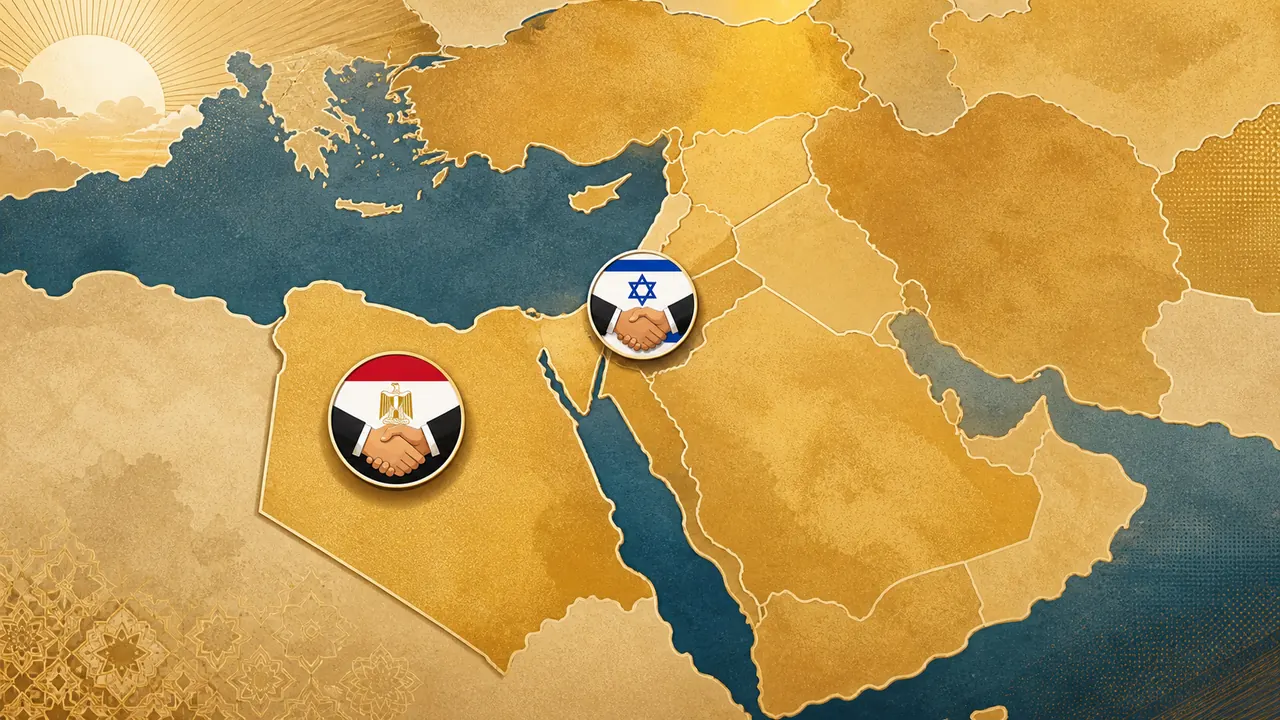
Jared Kushner is meeting with key regional leaders in Egypt, with a Monday sit-down with Israeli PM Benjamin Netanyahu on the calendar, as the Trump administration pushes hard for a Gaza ceasefire framework. The push comes as the US naval blockade on Iran enters its second month, with Trump telling reporters the conflict will end "pretty soon." Kushner's mission is seen as the highest-stakes diplomatic play of the Iran war stretch so far.
Five people were shot in the early morning hours near the Quad Annexes at Virginia State University, just days before fall semester begins. A 19-year-old non-student, Camron Harris of Henrico, Virginia, was found hiding in a dormitory closet and arrested on eight felony warrants including malicious wounding and firearms charges. One victim, a 21-year-old man, remains in critical condition; four others suffered non-life-threatening injuries.
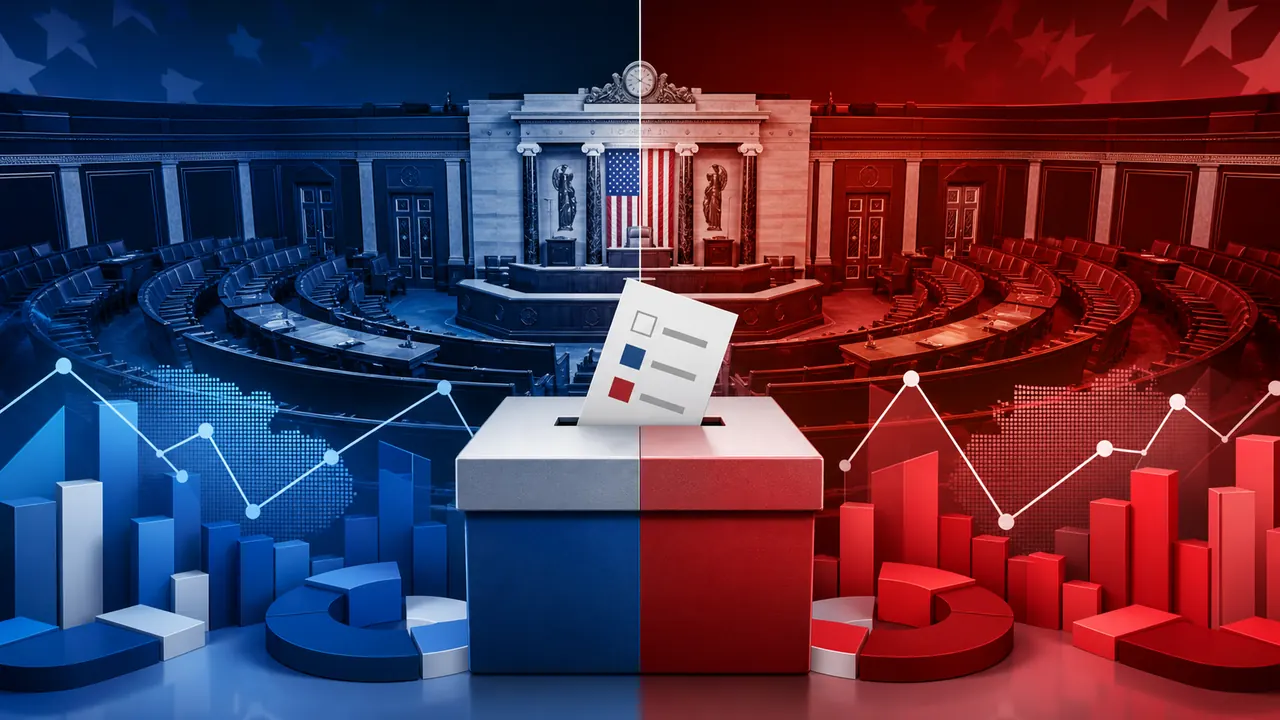
Mid-August polling shows Democrats with an 8-point advantage on the generic congressional ballot, with leading forecasting models giving them an 85% chance of recapturing the House in November. Republicans hold a slim 220-215 majority and can afford to lose no more than two seats before control flips. GOP strategists cite Iran war fatigue, tariff-driven inflation, and economic uncertainty as the primary drags on Republican candidates heading into the fall.
The Bureau of Labor Statistics reported a 0.1% monthly CPI increase for July, holding the annual rate at 3.4% — well above the Fed's 2% target. The Trump tariff regime has added roughly $900 in extra costs per US household this year, according to the Tax Foundation, with energy prices compounded by the Iran conflict. A June trade deal locked in 30% tariffs on Chinese goods, and a February Supreme Court ruling forced a legislative reset on broader IEEPA-based tariffs.
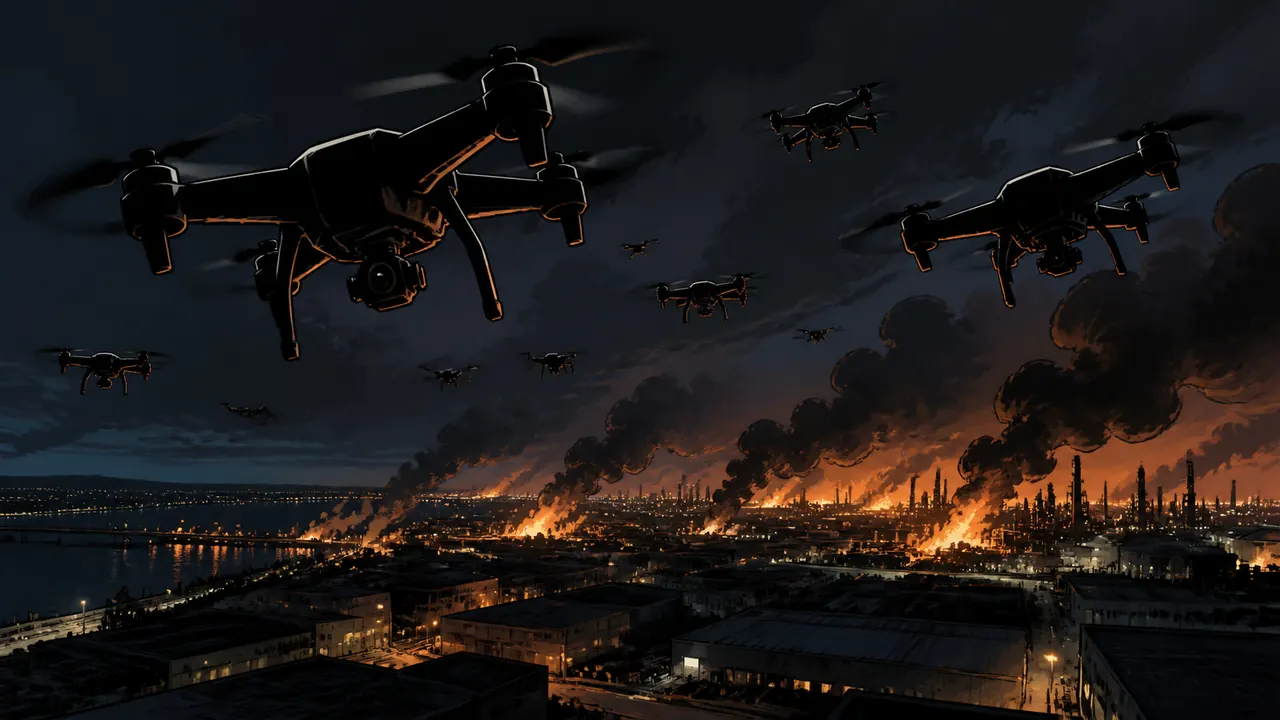
Ukraine launched one of the largest drone attacks in the war's history overnight, sending more than 600 drones into Russian territory in what officials are calling an unprecedented aerial assault. Strikes hit a warehouse in Podolsk, killed an elderly man in his Moscow-region home, and sparked a forest fire in Rostov after hitting homes and a railway station. Russia retaliated with a missile barrage on Kyiv, sparking fires in at least two city districts.
Israel carried out a series of airstrikes in southern Lebanon today, killing at least nine people including women and children — the deadliest single-day toll since the June ceasefire agreement. The strikes were reportedly triggered by a Hezbollah attack that seriously wounded three Israeli soldiers. The escalation is the most serious test yet of the fragile ceasefire and arrives as American diplomacy is stretched thin across multiple regional flashpoints.
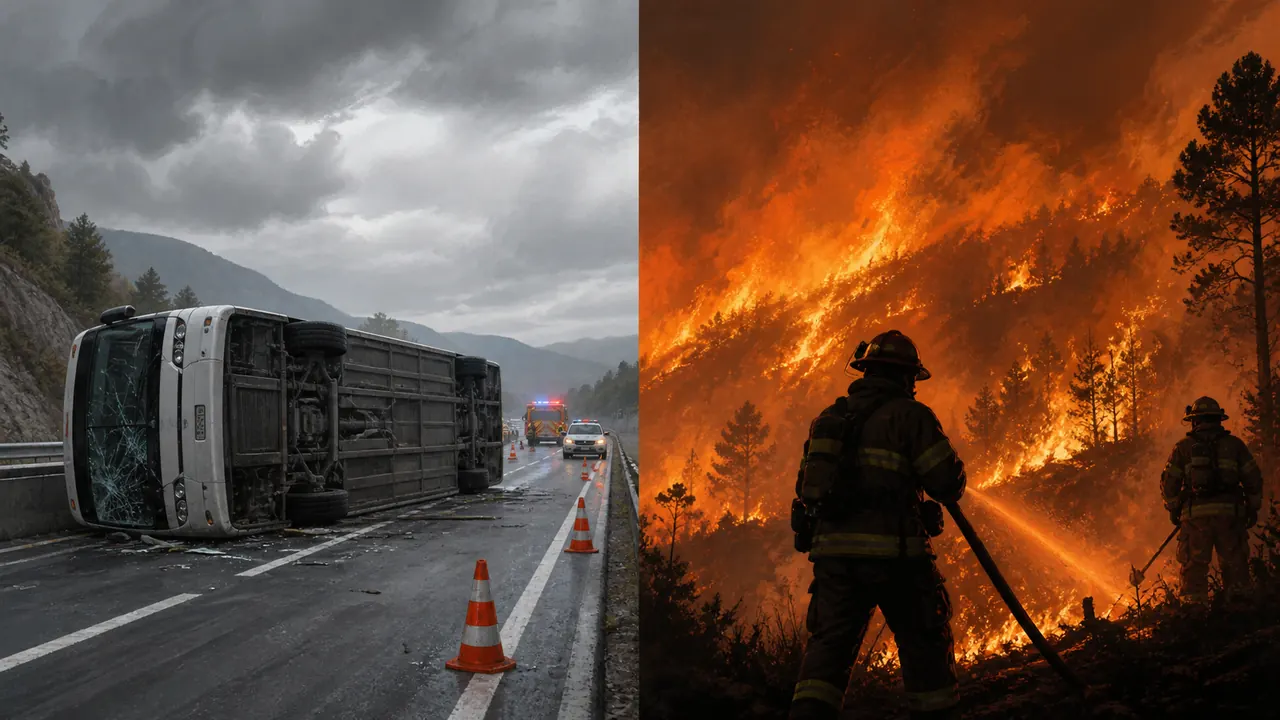
A passenger bus overturned in a highway ditch in Hungary early Sunday, killing at least 12 people in one of the country's worst road disasters of the year. Meanwhile, firefighters in eastern Belgium are battling a massive wildfire that has consumed more than 27 square kilometers, forcing evacuations and stretching emergency resources across national borders. Both incidents are dominating European domestic news alongside the ongoing Russia-Ukraine and Middle East conflicts.
A large solar filament erupted from the sun on August 14, hurling a twisted rope of magnetized plasma on a direct course toward Earth. Arrival is expected around August 17, with forecasters predicting G1 to G2 geomagnetic storm conditions — strong enough to push aurora visibility into the northern continental United States. The event arrives during a period of already-elevated solar activity near the current solar cycle maximum.
Demis Hassabis, the architect of Google DeepMind and one of the most prominent figures in global technology research, has stepped down as CEO to assume the role of Chairman — a major structural shift at the world's most influential AI research lab. The transition coincides with the departure of Google Chief Scientist Jeff Dean after 27 years at the company. Google posted 82% second-quarter cloud revenue growth driven by AI infrastructure demand, even as the leadership change raises questions about strategic direction at a pivotal competitive moment.
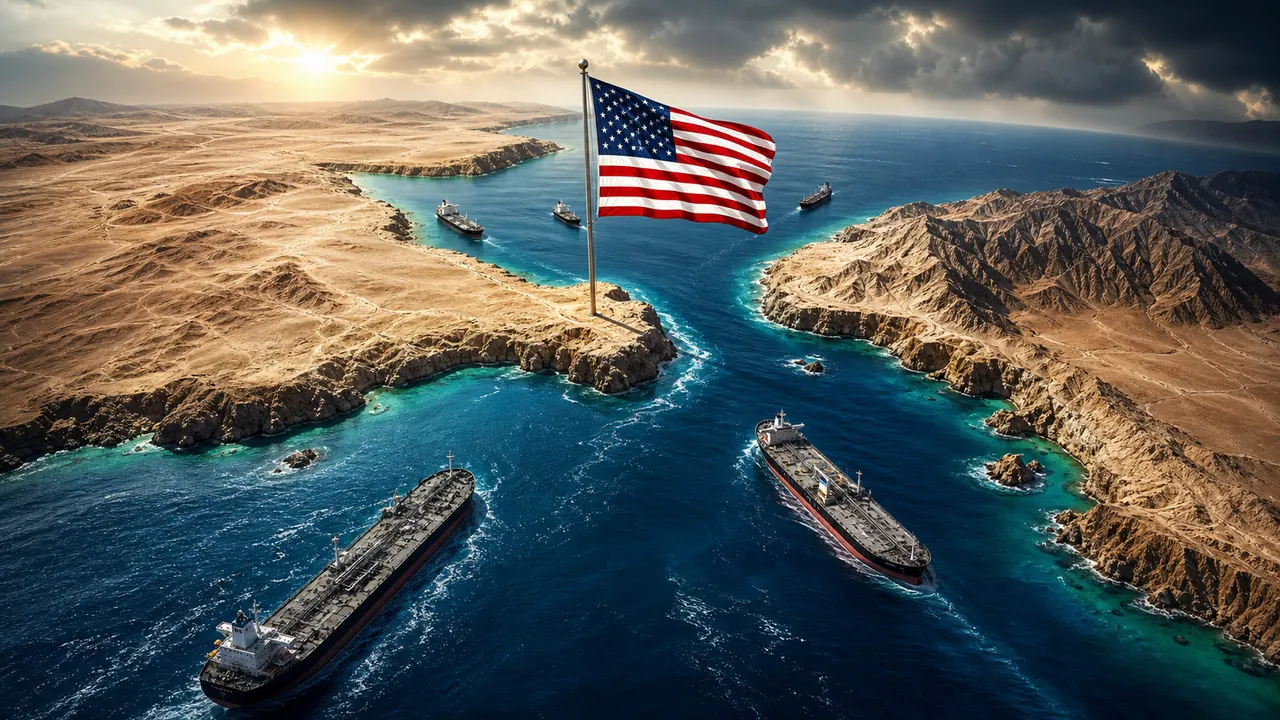
President Trump declared this week that the Strait of Hormuz — through which roughly 20% of the world's oil supply flows — will become US territory once the Iran war concludes. The claim carries no clear legal or diplomatic framework and was not accompanied by any treaty proposal or UN strategy. Gulf states, China, and international maritime legal experts are scrambling to assess what the statement means in practice. As of Sunday afternoon, the White House has not walked it back.