President Trump signed an executive order Monday evening pushing today's tariff deadline back to August 1, buying more time for trade negotiations after securing deals with only the UK, Vietnam, and China. Trump has now made clear the new deadline is firm for most trading partners — Canada, Mexico, South Korea, and Taiwan all face serious tariff exposure without a deal. Commerce Secretary Lutnick suggested China alone may get additional flexibility, but even that is up to Trump.
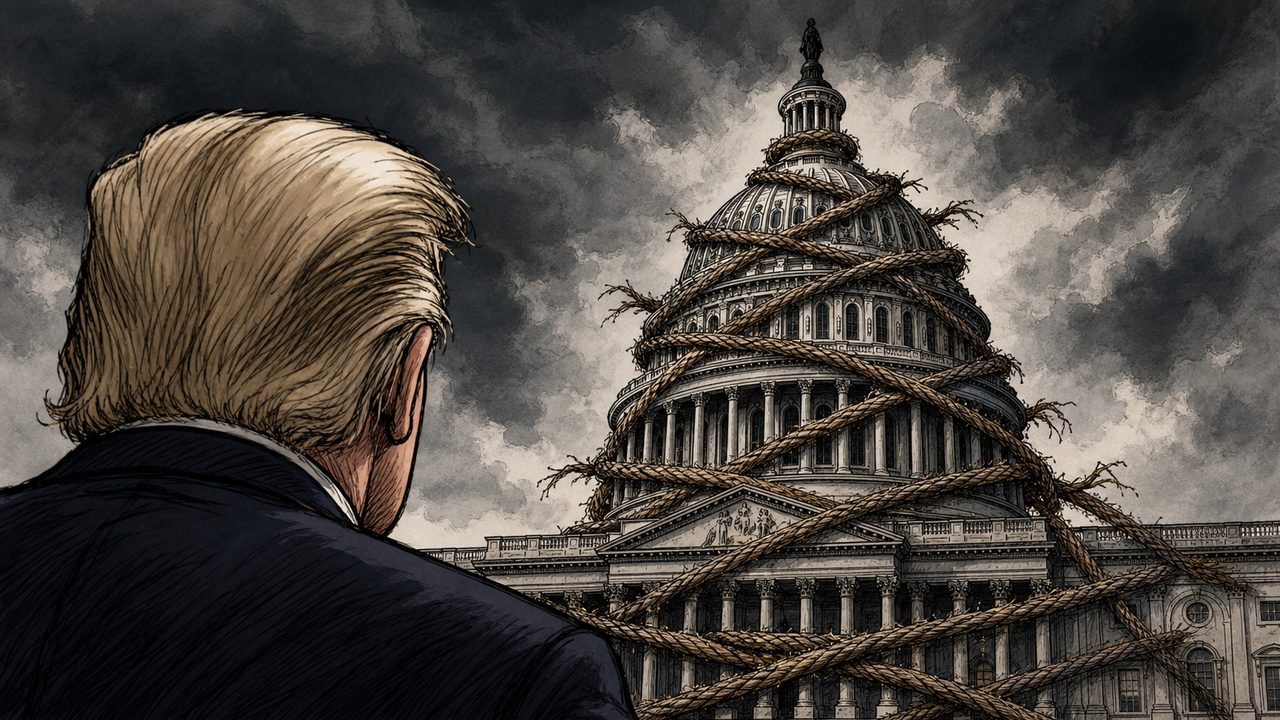
Trump is pushing a new Reconciliation 3.0 package that would bundle 350 billion dollars in defense spending with the stalled SAVE America Act, his voter ID and election integrity legislation, aiming to bypass the Senate filibuster. Fourteen House Republicans this week killed the rule vote that would have attached it to the annual defense authorization bill, with Reps. Anna Paulina Luna and Chip Roy leading the charge. With midterms approaching and no clear path forward, Speaker Johnson's strategy is in serious jeopardy.
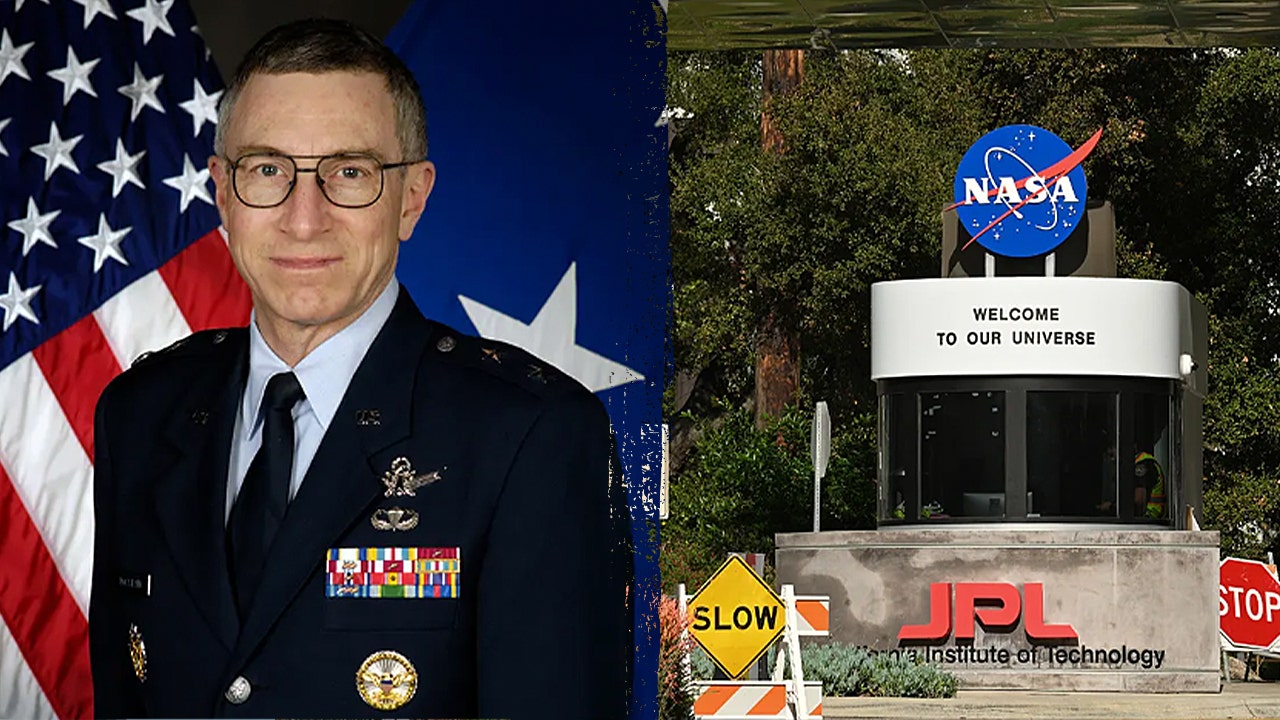
The White House confirmed it is coordinating with the FBI, NASA, DOE, and the Department of War to investigate the deaths and disappearances of eleven nuclear and space-linked scientists since 2022. House Oversight Chairman James Comer warned this week that "something sinister" may be at play, and press secretary Karoline Leavitt vowed no stone would be left unturned. Trump personally told reporters he hopes the pattern is random but expects answers within a week and a half.
As the US-Iran conflict deepens, eight of the world's largest container carriers have suspended transits through the Strait of Hormuz entirely; as of Wednesday, only one tanker was moving through the waterway. War-risk insurance has surged to eight times normal rates, and Brent crude is climbing as traders weigh the disruption to global energy supply. Analysts warn that American consumers could feel the impact at the pump within weeks.
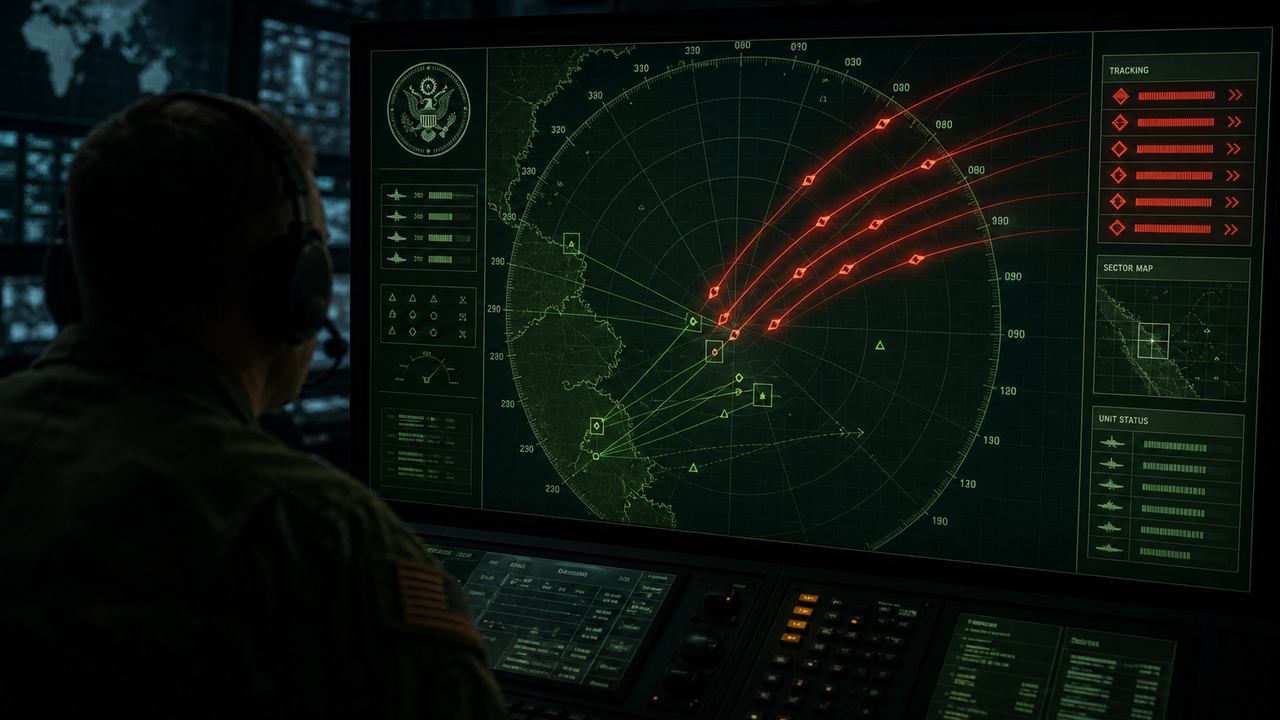
Iran launched a new wave of ballistic missiles, a cruise missile, and ten hostile drones at US military bases in Kuwait and Bahrain overnight, with Kuwaiti armed forces confirming all threats were successfully intercepted. CENTCOM has now struck approximately ninety Iranian military targets since the ceasefire collapsed, including IRGC small boats, coastal radar sites, anti-ship missile depots, and air defense systems. Iran's officials are threatening what they call a "hard slap" in retaliation for the continued American strikes.
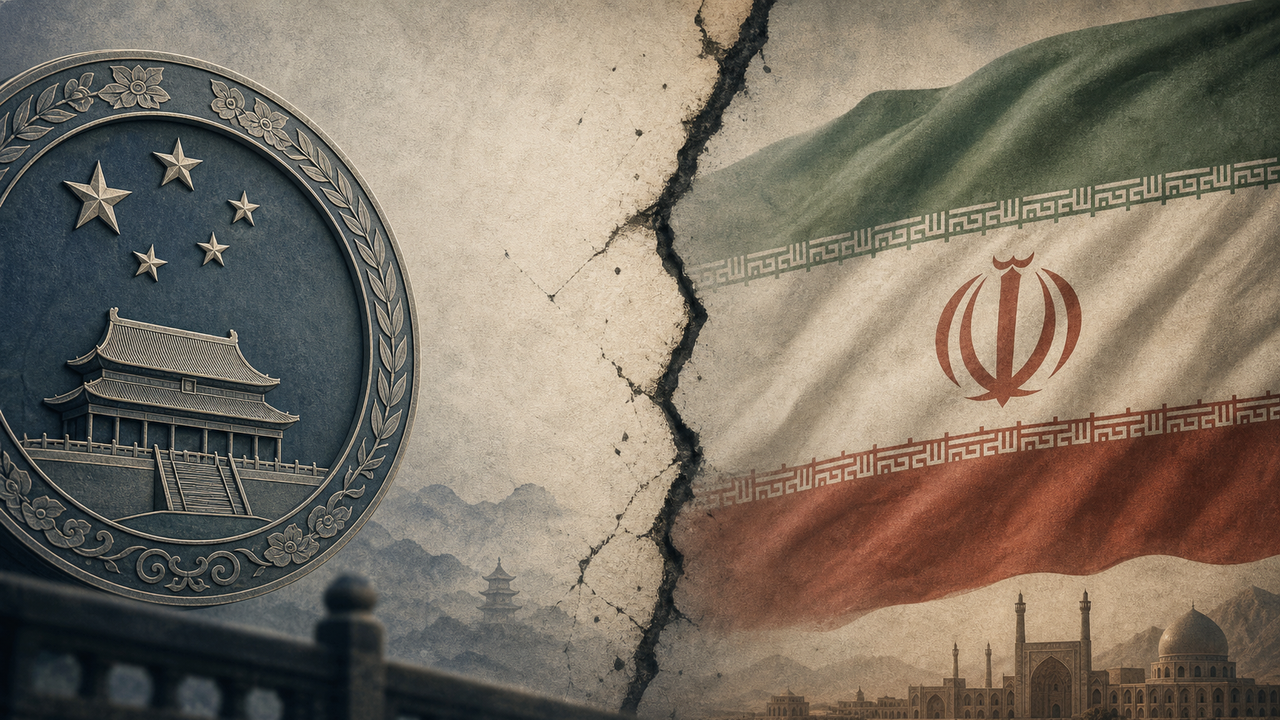
Beijing took an unusually direct step Thursday, with the Chinese Foreign Ministry publicly calling on Iran to honor its memorandum of understanding with Washington and "avoid resorting to force." The statement signals Chinese frustration with the Hormuz disruption, which threatens China's own oil supply chains. Even Iran's most reliable diplomatic backer appears to be losing patience with Tehran's escalation.
A World Health Organization report released today projects global cancer diagnoses will climb from roughly 20.6 million cases per year to 35 million annually by 2050, driven primarily by population aging. Europe bears a disproportionate share — 21 percent of global cases despite holding only 9 percent of the world's population. The report warns healthcare systems worldwide face serious strain as the caseload accelerates over the next quarter-century.
New federal data shows the US death rate has dropped to a record low, with American life expectancy not just recovering from the COVID-19 pandemic dip but now surpassing pre-pandemic benchmarks. Advances in cardiovascular treatment, cancer care, and infectious disease management are all credited with driving the trend. It is a rare piece of public health good news in a week otherwise defined by global conflict and disease projections.
A NASA astronaut this week described a series of breakthrough microgravity experiments aboard the International Space Station as having "profound potential" for medicine and materials science. NASA Administrator Jared Isaacman has been working to raise public awareness around space research, and new survey data shows it is working — 69 percent of Americans now consider lunar missions important, up from just 39 percent in 1965.
The 2026 FIFA World Cup enters its quarterfinal round today with France taking on Morocco in Boston at 4 p.m. ET, live on FOX. Kylian Mbappe leads a French squad that has outscored opponents 14-2 across five tournament matches and enters as the heavy favorite. Morocco is the last African nation standing, having escaped a penalty shootout earlier before routing Canada 3-0 in the round of 16 — and they aren't going quietly.