Anthropic released Opus 4.8 just 42 days after Opus 4.7, the fastest back-to-back Opus launch in the company's history. The new model is roughly four times less likely to pass code flaws without flagging them, with improved uncertainty signaling and fewer unsupported claims. Pricing is unchanged from 4.7.
Google's personal AI agent Gemini Spark launched on May 29 for US Google AI Ultra subscribers, one week after its I/O 2026 debut. Spark reasons across connected apps, takes actions on the user's behalf, and runs persistently in the background — Google's most aggressive move yet into always-on agentic AI. It's live now, not in preview or on a waitlist.
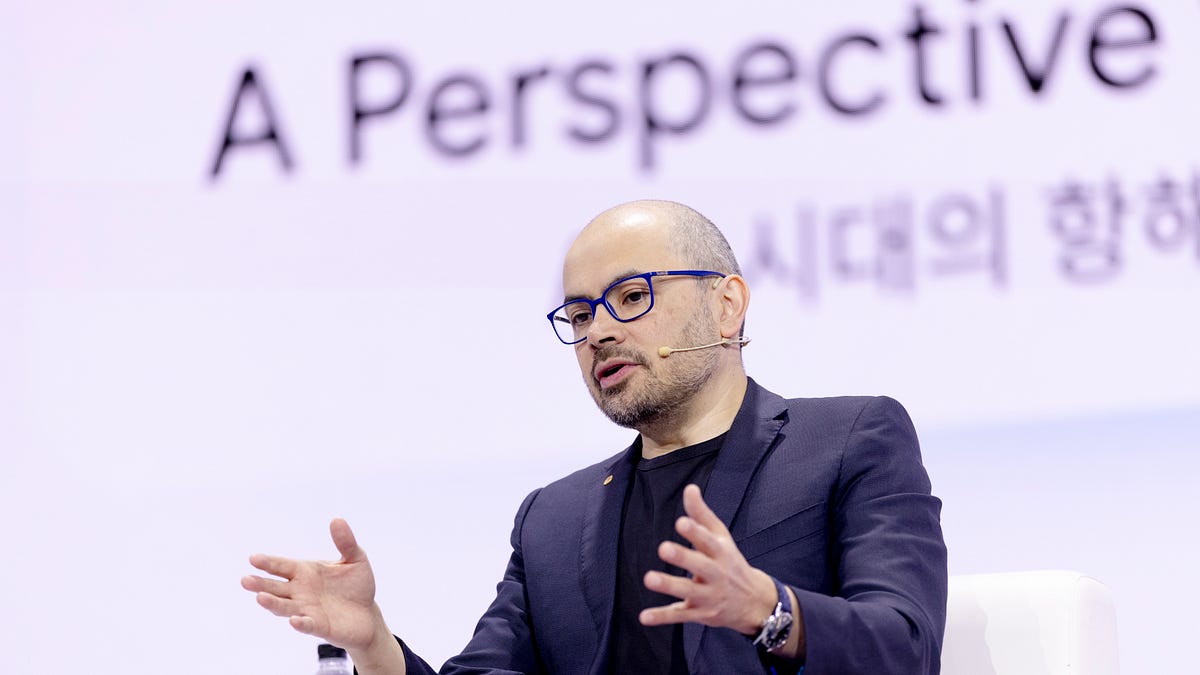
Demis Hassabis told audiences at Google I/O that humanity has "a few years left to prepare for AGI," revising his personal estimate to include 2029 while broadly targeting 2030. He called the current moment a "species-level transition" and said we're at the "foothills of the singularity." It's the most direct near-term AGI timeline statement ever made by a sitting major lab CEO.
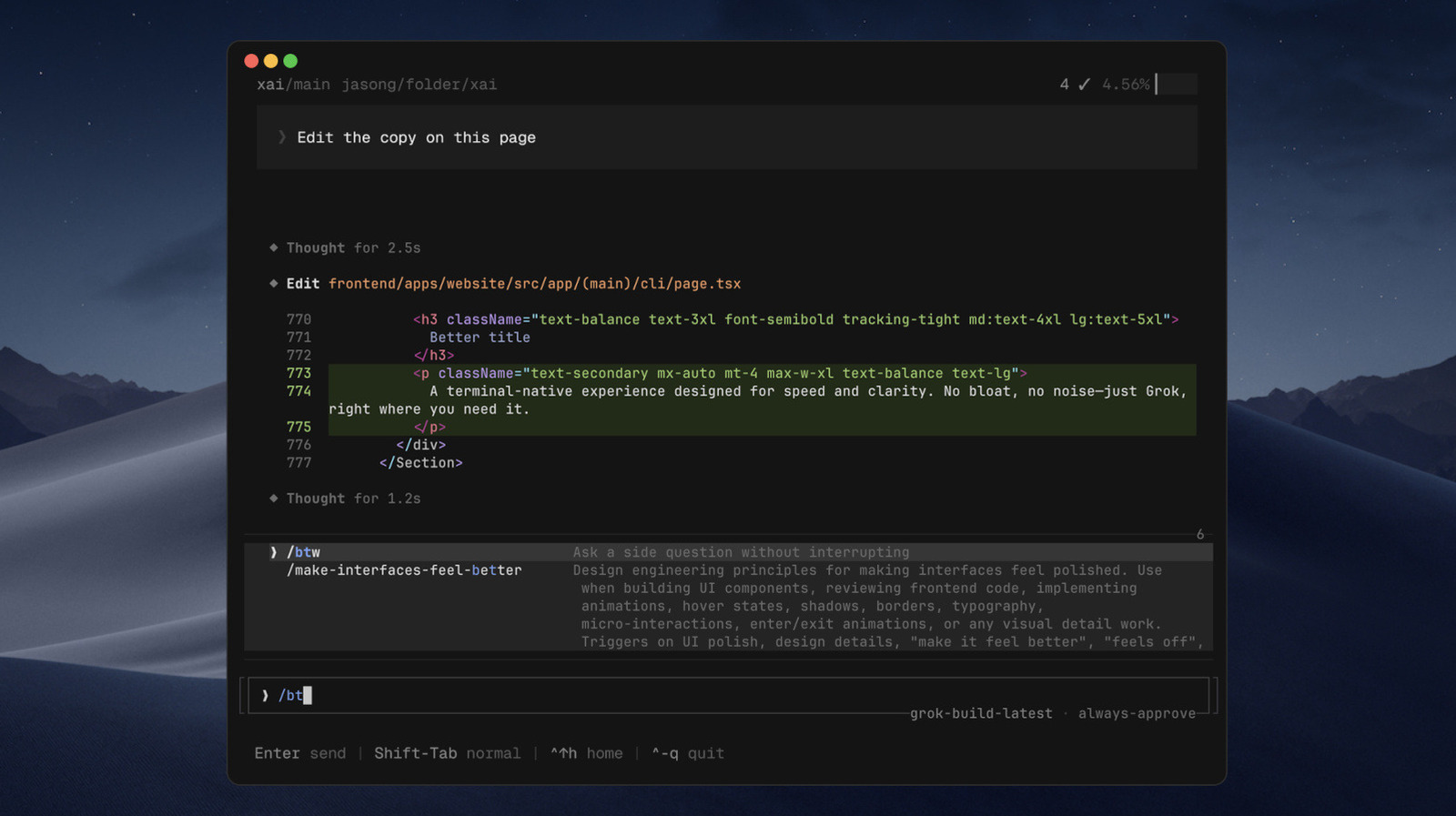
xAI's purpose-built agentic coding model Grok Build 0.1 entered public beta via the xAI API on May 29, featuring a 256K-token context window and multi-step action support. It positions directly against Claude Code and GitHub Copilot. xAI also rolled out Custom Skills for Grok — reusable automation tasks deployable on daily schedules.
Anthropic closed a new funding round at a pre-money valuation above $900 billion, surpassing OpenAI's $852B March valuation. The company's annualized revenue run rate has exceeded $30 billion, up from $9B at the end of 2025. Investor appetite for frontier model developers shows no sign of fatigue.
Anthropic's first Project Glasswing progress update reports that Claude Mythos Preview, working with roughly 50 partner organizations, identified over 10,000 high-severity vulnerabilities in open-source software in approximately 30 days — 1,094 confirmed as true positives. It's AI-assisted security research at a scale and speed no human team could match. Much of that open-source code underpins critical infrastructure.
Anthropic signed a deal for full compute capacity at SpaceX's Colossus 1 data center — more than 300 megawatts and 220,000-plus NVIDIA GPUs. As a direct result, Claude Code rate limits are doubling across Pro, Max, Team, and Enterprise plans. It signals just how aggressively Anthropic is scaling infrastructure to match its revenue trajectory.
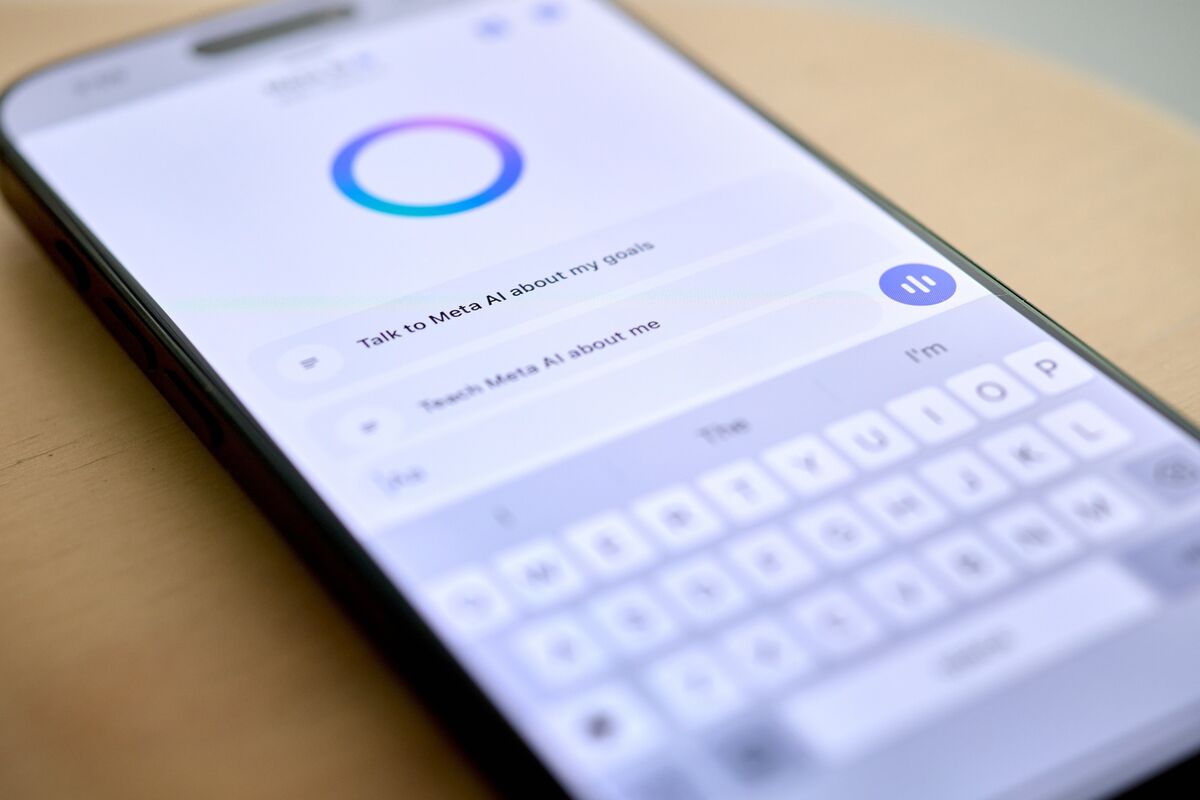
Meta launched Meta One Plus ($7.99/month) and Meta One Premium ($19.99/month) subscriptions for Meta AI, piloting in Singapore, Guatemala, and Bolivia. Simultaneously, it announced roughly 8,000 layoffs — about 10% of its workforce — framed as an AI-driven restructuring. The juxtaposition of monetizing AI while cutting the humans who built it drew sharp reaction across the industry.
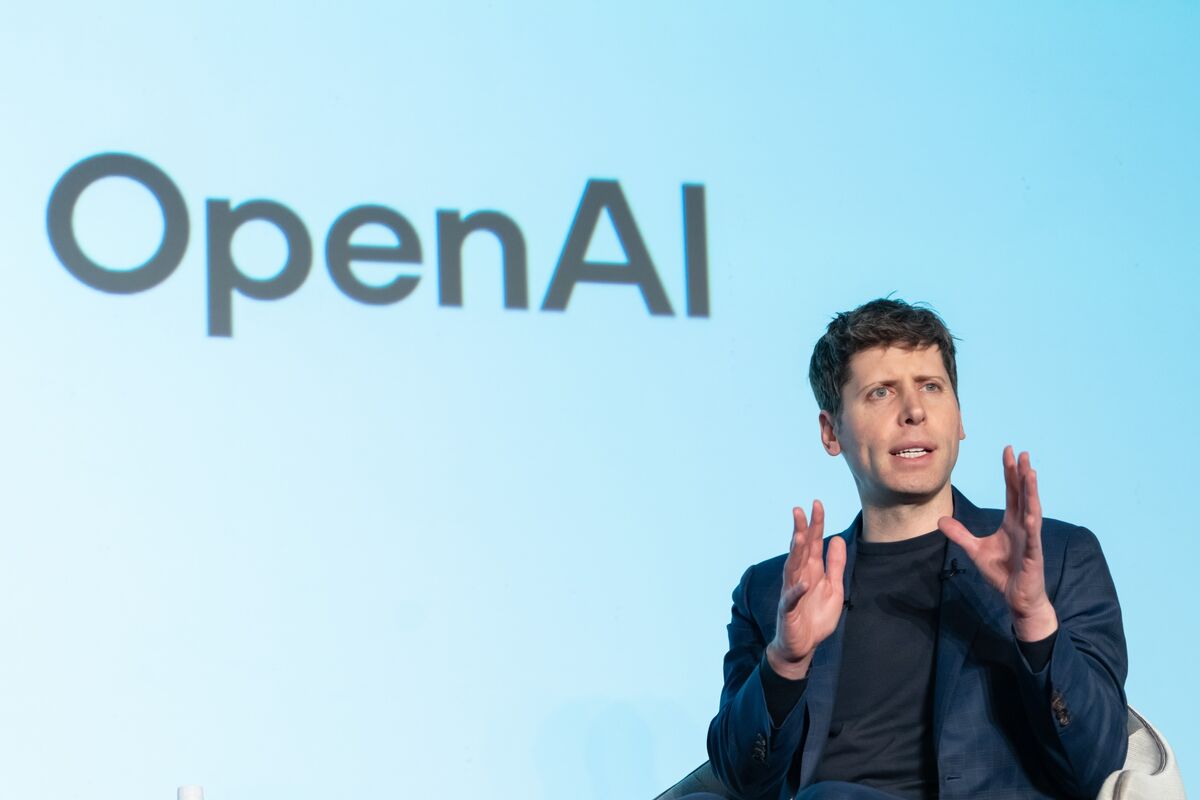
OpenAI confidentially filed its S-1 with the SEC on May 22, targeting a Q4 2026 debut led by Goldman Sachs and Morgan Stanley. At its current $852B private valuation, it would rank among the largest tech IPOs in history. OpenAI also spun out a consulting subsidiary, DeployCo, backed by $4 billion from 19 investors including Goldman, Bain Capital, and McKinsey — signaling the industry's shift from AI pilots to volume enterprise contracts.
The EU Council and Parliament reached a provisional agreement to amend the AI Act, pushing high-risk AI compliance deadlines from August 2026 to December 2027. Two new prohibited practices were added: non-consensual intimate image generation and AI-generated child sexual abuse material. Connecticut also signed SB5 into law this week with AI employment protections and synthetic content labeling requirements.