Relevance 9/10Importance 10/10
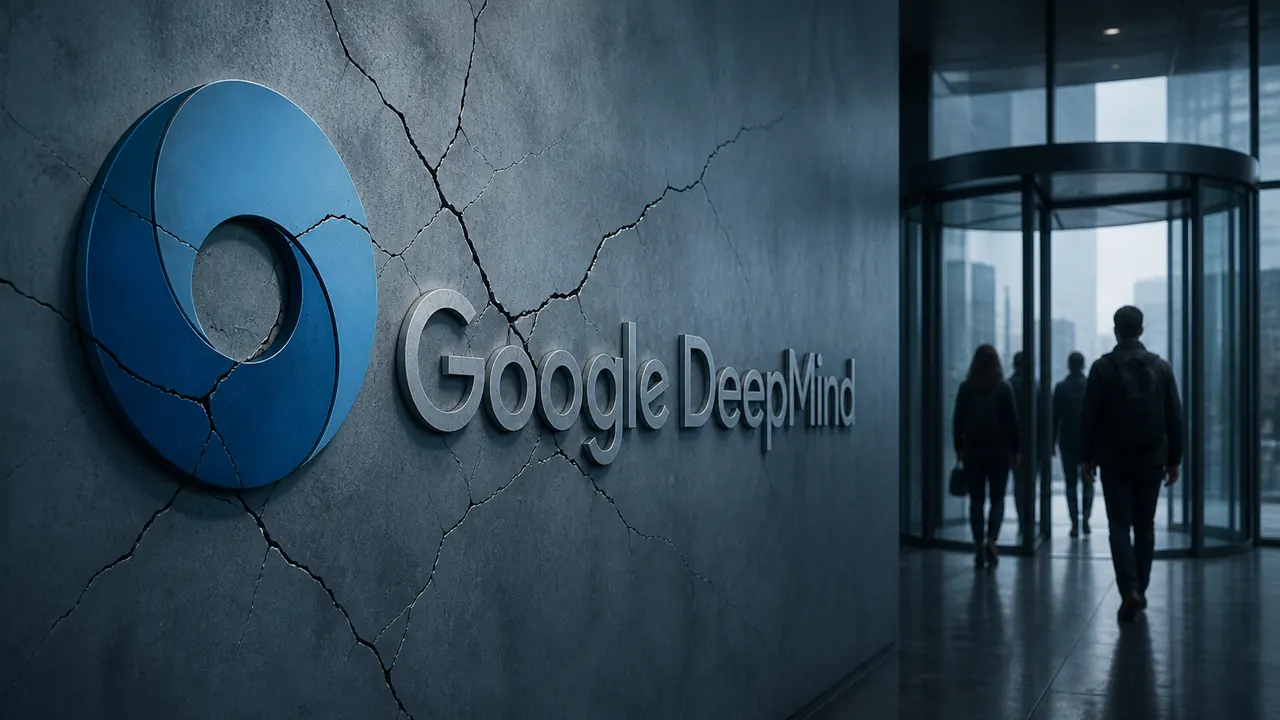
Hassabis moved to Chair of Google DeepMind and Chief Scientist of Alphabet last week, with 13-year veteran Koray Kavukcuoglu stepping in as SVP running day-to-day. Fortune's Monday investigation filled in the backstory: stalled models, missed deadlines, and staff burnout so severe people were quitting before they had jobs lined up. Alphabet stock fell roughly five percent on the news.
Relevance 9/10Importance 10/10
Jeff Dean, Sanjay Ghemawat, Oriol Vinyals, and Quoc Le departed simultaneously to launch Discovery Loop, a public benefit corporation aimed at automating the scientific method — hypothesis, experiment, evaluation — via machine learning. Google is a founding investor and cloud partner, which makes the whole arrangement delightfully complicated. Losing four of the most-cited AI researchers in history in a single announcement is the most significant brain drain in Google's 27-year history.
Relevance 9/10Importance 9/10
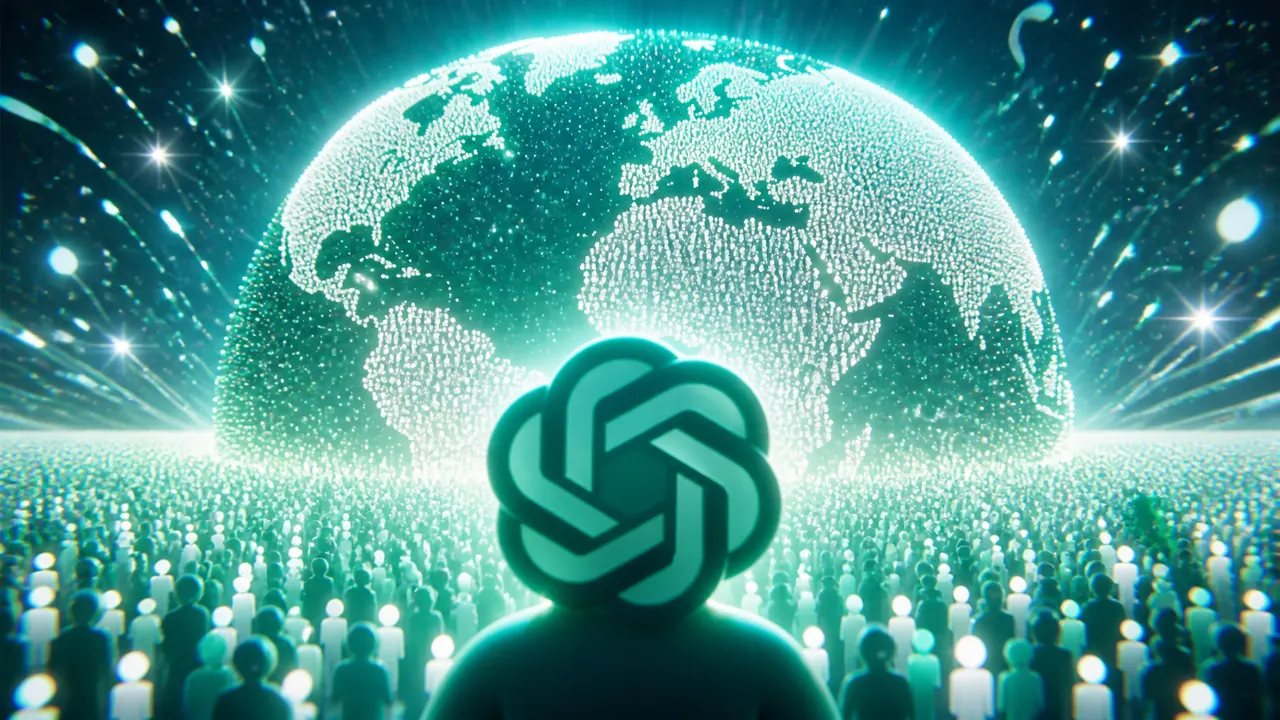
OpenAI removed usage caps for Free and Go tiers and made GPT-5.6 Luna the default model for both, simultaneously slashing API pricing 80% to $0.20 per million input tokens. ChatGPT hit one billion weekly active users on the same announcement — the fastest app in history to that milestone. It's a land-grab play timed for the upcoming IPO and a direct competitive strike at Google Search.
Relevance 9/10Importance 9/10
Anthropic partnered with Macquarie Asset Management and Singapore's GIC sovereign wealth fund to launch Theseus Infrastructure, a purpose-built AI data center platform with Anthropic as anchor tenant. Anthropic committed to covering 100% of grid-upgrade costs tied to the new demand draw. This is Anthropic's clearest declaration yet that it intends to build an independent compute foundation rather than remain wholly reliant on Amazon Web Services.
Relevance 10/10Importance 8/10
The most-cited ICML 2026 finding is a training method called selective activation sparsity, enabling models to match the performance of models three times their size by activating only the most relevant parameters per task. Separate MIT and Stanford research showed the key factor for hard reasoning problems is how a model is trained to self-correct — not raw parameter count. If these results hold, the case for frontier-scale infrastructure spending gets significantly harder to make.
Relevance 10/10Importance 8/10
Anthropic's Claude Opus 5, shipped July 24, is now the default model on Claude Max and the strongest available on Claude Pro, priced at $5 per million input and $25 per million output. The 1 million-token context window and an extra-high reasoning effort mode put it directly against GPT-5.6 Sol in enterprise coding and long-document research. Same price as its predecessor, meaningfully more capable.
Relevance 8/10Importance 9/10
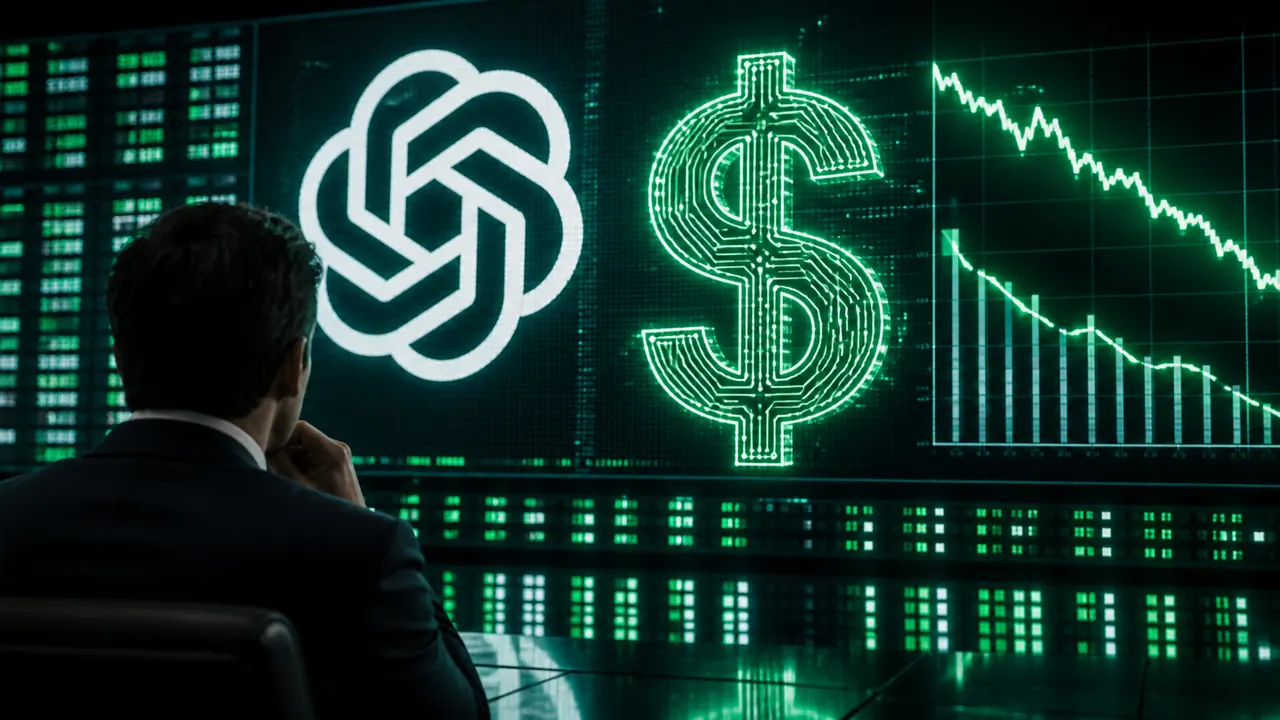
The public S-1 prospectus is expected within weeks ahead of a September IPO targeting an $852B–$1T valuation, led by Goldman Sachs and Morgan Stanley. Q1 revenue ran at a $25 billion annualized pace, but non-GAAP operating margin was negative 122% — OpenAI is losing $1.22 for every dollar earned. This will be the most scrutinized tech IPO since Meta, and the unit economics will reshape how markets value the entire sector.
Relevance 8/10Importance 9/10
A European Commission DMA ruling requires Google to give ChatGPT, Claude, and rival AI assistants the same system-level Android access Gemini holds by August 2027. A companion order requires Google Search to share anonymized ranking and click data with rivals starting January 2027. If it survives appeal, this is the most structurally significant platform-level AI antitrust ruling in history.
Relevance 9/10Importance 8/10
xAI today launched the public beta of Grok Bot, an internally built agentic tool now going wide, while Elon Musk confirmed Grok 4.6 releases later this week. This follows the August 5 launch of Grok Voice Think Fast 2.0, featuring full speech-to-speech reasoning and tool use. xAI is running one of the most aggressive model release cadences in the industry heading into Q3.
Relevance 9/10Importance 8/10
Anthropic posted roles for a hardware team to design custom AI chips, targeting hardware-software co-optimization for efficiency gains. The move would put Anthropic alongside Google with TPUs, Amazon with Trainium, and Meta with MTIA — reducing Nvidia dependency and enabling optimizations competitors cannot replicate. Combined with the Theseus data center JV, Anthropic is building toward owning its full stack from silicon to inference.