Anthropic dropped Claude Opus 4.8 today, and it's a big one. The model is roughly four times less likely to overlook code flaws, is the only model to complete every case on the Super-Agent benchmark, and scores 84% on Online-Mind2Web for browser use. New features include Dynamic Workflows that can spin up hundreds of parallel subagents for codebase-scale migrations, plus a teaser that Claude Mythos Preview — a higher intelligence tier — is coming within weeks.
A developer catalogued the telltale "smells" that reveal AI-generated writing and web design — things like excessive punchline sentences, staccato declarative fragments, and formulaic "X is the Y of Z" constructions. On the design side, they point out the mechanical uniformity of JetBrains Mono fonts, identical card layouts, and blinking-dot badges across supposedly distinct AI-generated sites. The takeaway: algorithmic homogenization is creating a visually and textually flat internet.
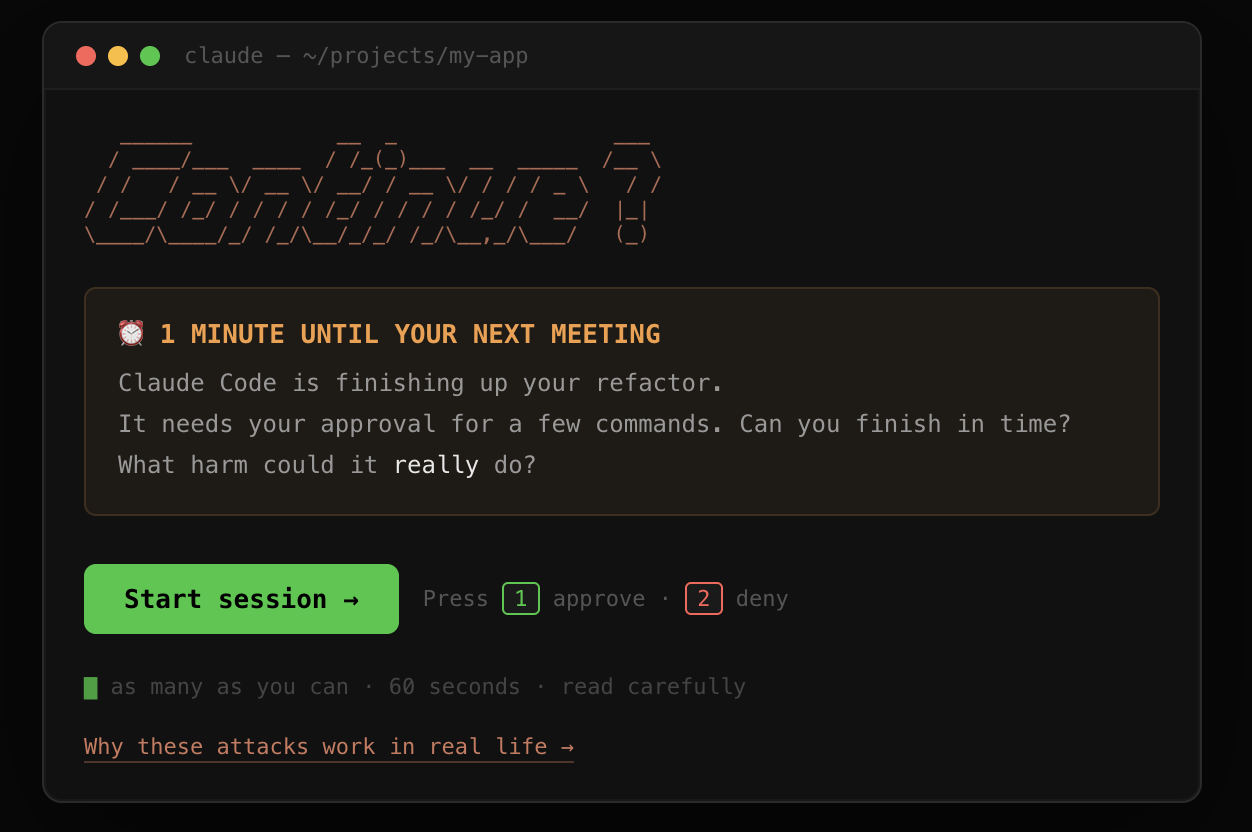
This clever Show HN is a 60-second browser game that asks: how carefully are you really reading those AI agent permission prompts? It satirizes the real problem that "the hundredth approve looks exactly like the first and your brain just stops processing it." HN commenters discovered you can "cheat" by denying everything as fast as possible, which earns you the "security-conscious engineer" badge — a beautifully ironic commentary on the UX of AI safety.
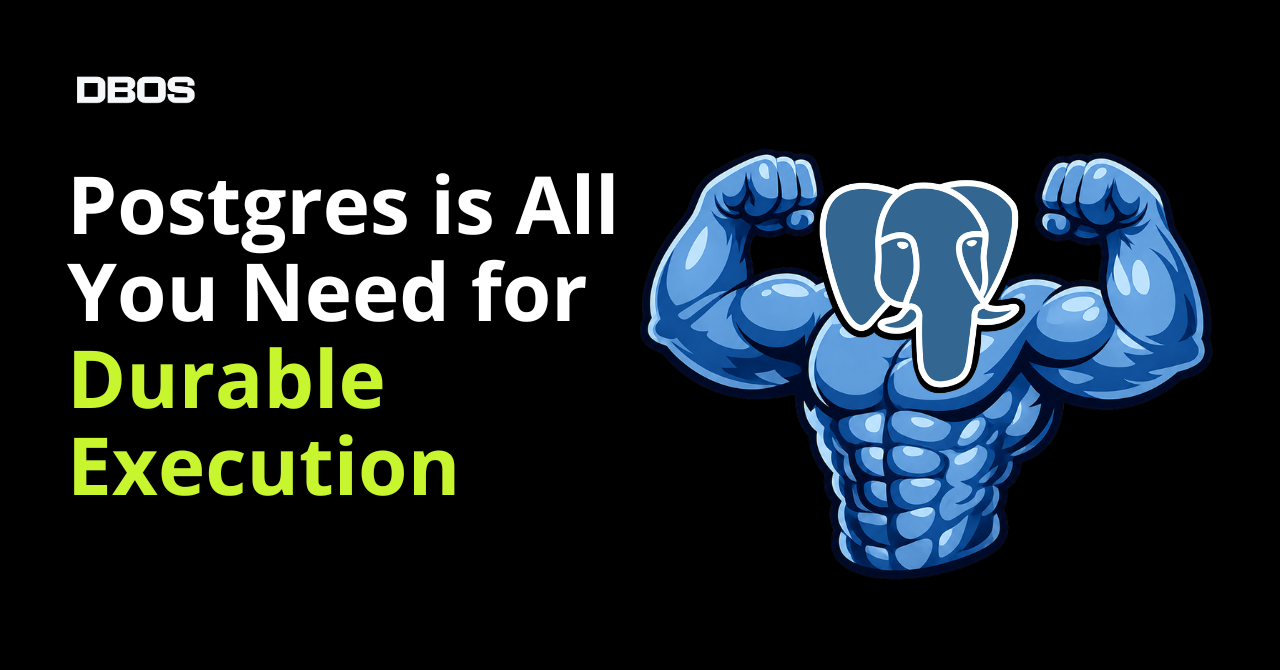
DBOS makes the case that you don't need Temporal or Airflow — Postgres itself can be your workflow orchestrator. Their approach has workers poll Postgres tables directly, using database integrity constraints and locking for coordination instead of a central orchestrator. They claim a single Postgres instance can handle tens of thousands of workflows per second, and that workflow observability becomes just SQL queries against your existing database.
Justine Tunney — creator of Cosmopolitan libc and llamafile, the tool reportedly used by a third of organizations for local LLM inference — published a personal essay about the social costs of her open-source career. She describes professional setbacks including dismissal from Google, rejected contributions, and community backlash, and appeals for financial support via GitHub Sponsors. It's a raw look at how even prolific contributors to critical AI infrastructure can fall through the cracks.
Jeff Geerling reports that the Raspberry Pi 6 won't ship before early 2028, with LPDDR DRAM costs being the main culprit for the delay. The Pi Foundation is betting on the CPU itself as the venue for AI compute rather than adding a dedicated AI chip. In microcontroller news, Pico shipments surpassed Pi SBC sales in 2025 for the first time, and a new RP2350 silicon revision fixes a current-leakage bug.
Bitburner is a free, open-source cyberpunk incremental RPG where you write real JavaScript to hack servers, automate gameplay, and solve programming puzzles. Think Hacknet meets idle-game mechanics — it's designed to be accessible to beginners while offering enough depth to keep experienced developers engaged. It's been around on Steam for a while but is enjoying a fresh wave of HN attention.
A man consigned his father's $200,000 Star Wars Lego collection to a Bricks and Minifigs franchise in Salem, Oregon, under an agreement giving the store 35% commission with unsold sets to be returned. After missed payments and denied access, he terminated the deal — but the collection wasn't returned. YouTuber Reckless Ben turned the saga into a viral investigative series complete with hidden cameras and a tongue-in-cheek Lego "cult," and the corporate parent now claims the consignment was "unauthorized."
Simon Tatham (of PuTTY fame) delivers a wonderfully nerdy deep-dive into the terminal scene where Sam Flynn accesses his father's system. He catches filmmakers mixing incompatible hardware identifiers, using a non-standard bin/history command, and blending Linuxisms into what's supposed to be a Solaris-like OS. But he also praises the cleverly realistic dual safety mechanisms the writers built into the laser activation sequence.
In this 2024 essay republished by Science/AAAS, researcher Rachel Yang describes how she went from avoiding writing to embracing it by recognizing that research and writing share the same iterative, trial-and-error process. The key insight: writing isn't a one-and-done activity but a revision-heavy craft that helps organize your thinking — a realization that transformed it from chore into one of her favorite parts of the research process.

 HN Briefing PM