Simon Willison argues that the real product-market fit for both AI labs arrived in April 2026 through enterprise coding agents — Claude Code and Codex — not consumer chatbots. He points to staggering evidence: Uber blew its full-year AI budget in just months, Anthropic is burning $1.25 billion per month on compute, and both companies are aggressively hiring enterprise sales teams. Willison calls this a new inflection point where massive revenue is finally materializing.
YouTube is rolling out two major changes to its AI disclosure system: labels are being moved to prominent positions directly below video players and as overlays on Shorts. More significantly, YouTube is introducing automatic AI detection that will flag photorealistic AI-generated content even if creators don't disclose it — though creators can dispute incorrect flags. Labels won't affect recommendations or monetization.
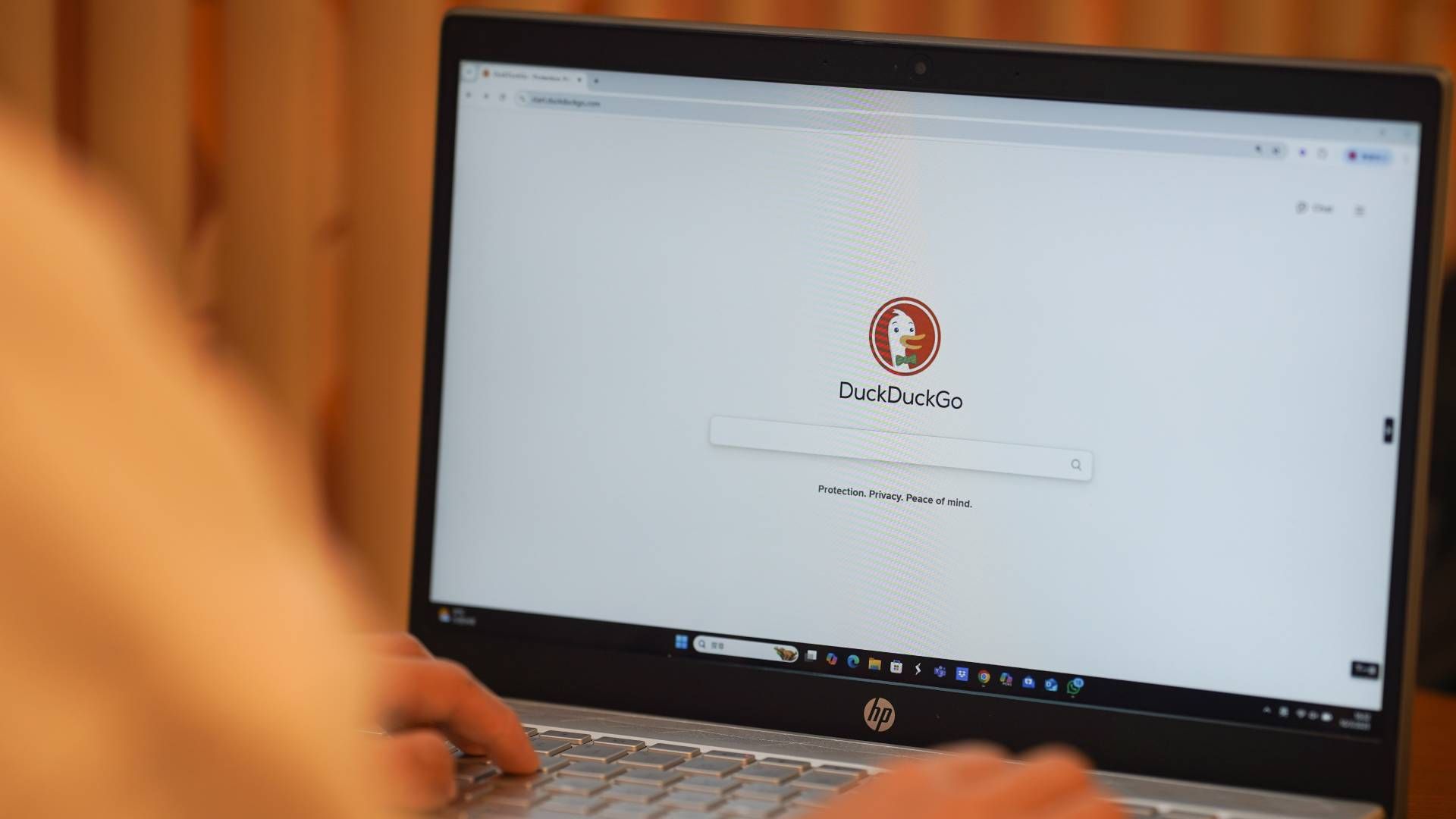
In a delicious bit of irony, DuckDuckGo's AI-free search saw nearly 28% more visits in the week after Google loudly insisted that users love its AI-powered search mode. The surge suggests a meaningful segment of users actively prefers traditional search results and is willing to switch to avoid AI summaries. As one observer put it: people just want a choice.
Apple and Google have quietly deployed on-device AI models — Apple Intelligence and Gemini Nano — that now edit, summarize, reorder, and suppress push notifications before you see them. The platforms operate as invisible, unappealable intermediaries: senders have no visibility into whether their notifications were altered, and metrics like opens and clicks sit downstream of an editing layer nobody can inspect. It raises serious questions about who really controls the communication channel you thought you opted into.
Last.fm announced it has transitioned to operating as a fully independent company. The team assured users that all accounts, listening history, and data remain intact, with no changes to subscriptions, pricing, or API access. They plan to focus on new listening insights and community features — a rare story of a beloved web service getting a fresh start rather than a slow sunset.
This essay examines how Labubu — a collectible plush toy — became a cultural phenomenon functioning simultaneously as a physical object and a social media signifier. The author argues that POP MART deliberately engineered an addictive consumption cycle through mystery boxes and artificial scarcity, amplified by performative unboxing content. Labubu's actual worth is irrelevant; its value lies in signaling cultural belonging and social media relevance.
A developer successfully got Rust and the Slint GUI framework running on a jailbroken Kindle Paperwhite by cross-compiling with cargo-zigbuild targeting ARMv7 with musl libc. The main challenges involved writing a custom Slint backend that mapped rendered output to the e-ink framebuffer and handling the Linux multi-touch protocol from the touchscreen controller. The result is a working GUI app on e-ink, with the Kindle backend published as a reusable crate on crates.io.
Mini Micro is a neo-retro fantasy computer built on MiniScript, a language designed to be dead-simple yet powerful enough for real game development. It supports sprites, tile maps, sounds, and HTTP — all from a single language that serves as both the shell and the programming environment, echoing the 8-bit home computer experience. It runs on Mac, Windows, Linux, and WebGL, with a mobile version in public alpha.
A detailed guide walks through getting the classic SimCity 3000 running at 4K resolution on modern Windows 10 systems. The approach combines a GOG-patched executable for widescreen support, a DirectX 9 wrapper for modern GPUs, mouse acceleration fixes, and RAM optimization patches. Six targeted tweaks turn a 1999 city builder into a crisp, fully playable 4K experience.
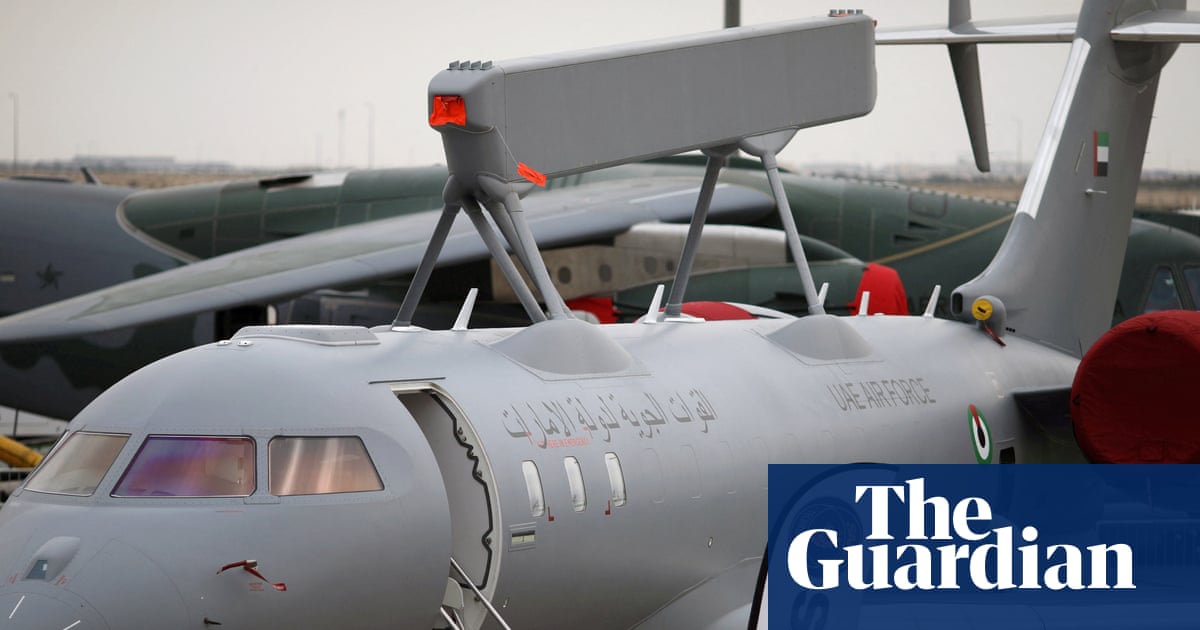
Canada is entering negotiations to buy Saab's GlobalEye early-warning surveillance aircraft, rejecting American bids from Boeing and L3Harris. Prime Minister Mark Carney has pledged to reduce US defense spending, declaring "the days of our military sending 70 cents of every dollar to the United States are over." The deal includes building the aircraft on Bombardier Global 6500 jets in Canada, with at least a third of the fleet manufactured domestically over the next 15 years.

 HN Briefing PM