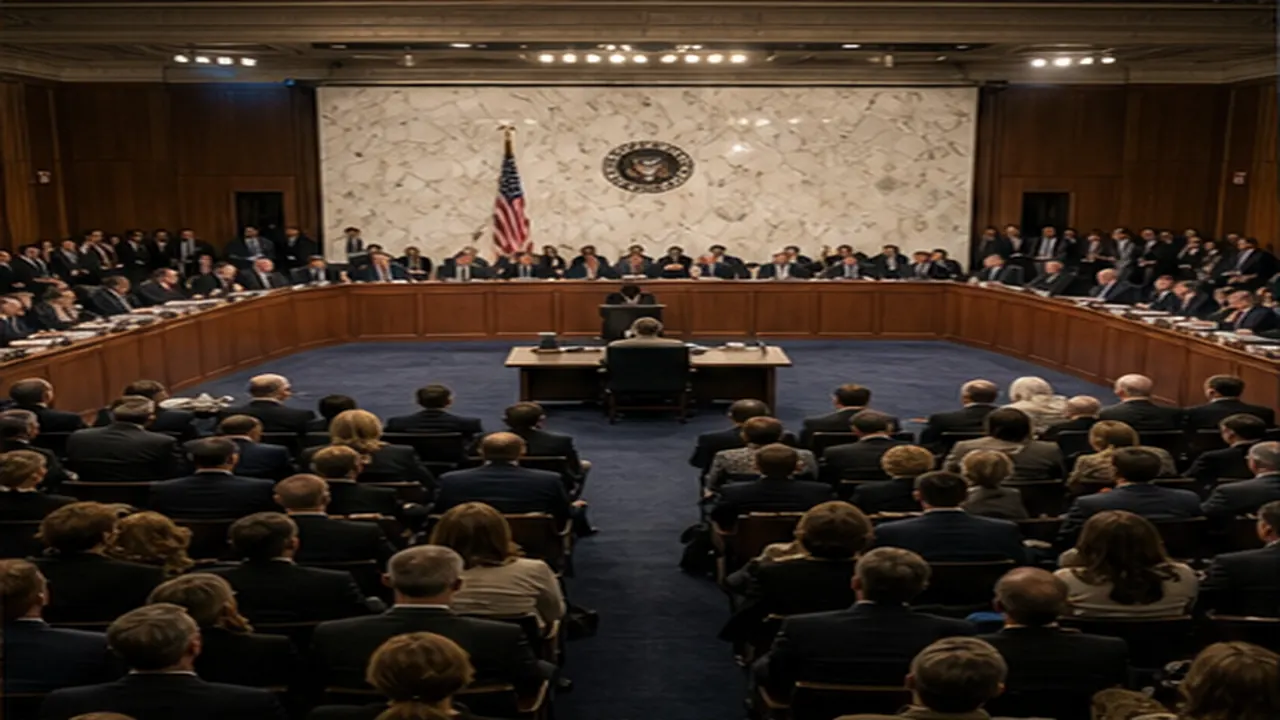
Day two of Todd Blanche's Attorney General confirmation hearing gets underway today before the Senate Judiciary Committee, following a demanding first day that touched on subpoenas targeting New York Times reporters, the Epstein files, and a proposed anti-weaponization fund Blanche declared "dead and not moving forward." Republican senators Tillis and Cornyn raised concerns but stopped short of opposing the nominee. A committee vote is expected roughly two weeks after the hearing concludes, with a floor vote likely in the final Senate week before recess.
Governor Kathy Hochul signed the nation's first statewide moratorium on new hyperscale data center construction — a yearlong pause on facilities drawing 50 megawatts of power or more — while the state develops regulatory standards. Energy Secretary Chris Wright blasted the move as a gift to China in the AI race, and President Trump pointed to Texas, Florida, and Arizona as states eager to absorb the investment New York just declined. Critics warn the moratorium sets a dangerous national precedent at a pivotal moment in the global AI competition.
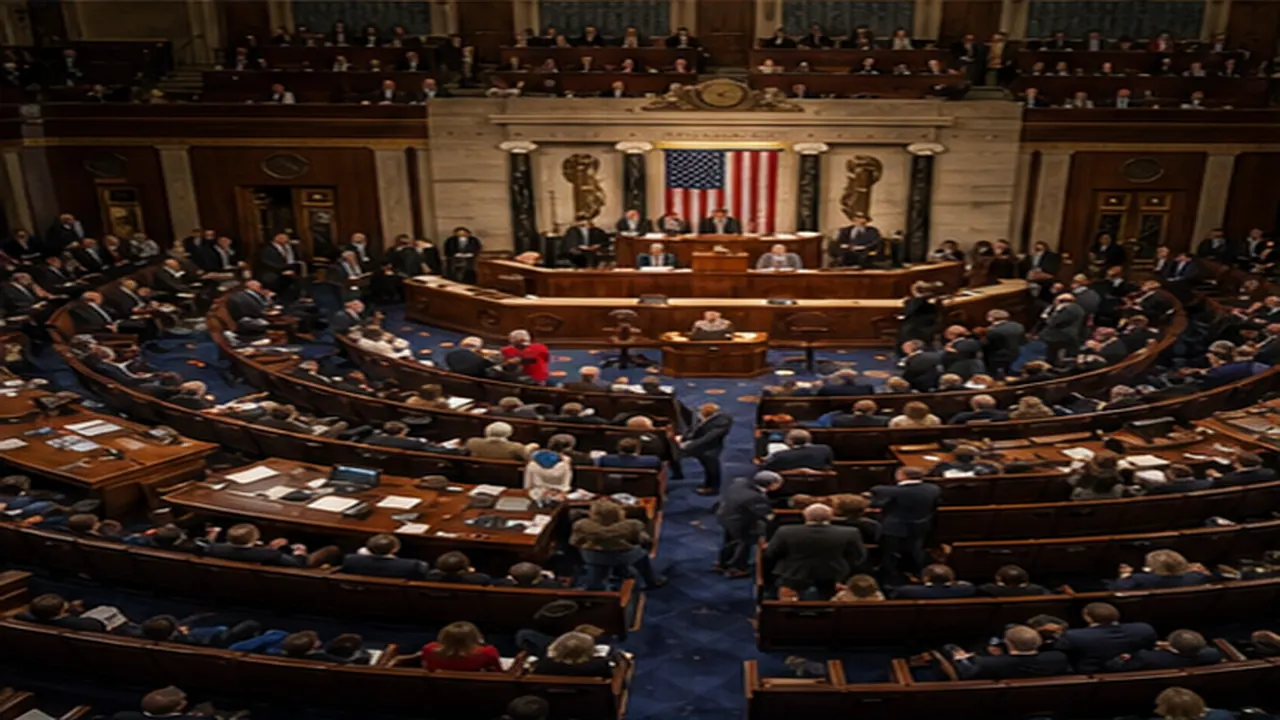
The House rejected an amendment from Rep. Thomas Massie (R-KY) that would have eliminated the $3.3 billion in annual U.S. military assistance to Israel. The amendment attracted little support from either party, particularly given the active U.S.-Israeli military coordination against Iran. The vote cements bipartisan backing for the alliance even amid an unusually contentious foreign policy environment.
A new independent analysis finds Trump's "Liberation Day" tariffs suppressed hiring by up to 80,000 jobs per month, totaling close to a million fewer jobs than pre-tariff economic projections. Manufacturing employment has actually declined since the policy took effect — a setback for a policy pitched as an industrial revival. The tariffs are set to expire July 24 and require a congressional vote to extend, putting lawmakers in a politically uncomfortable spot just months before the midterms.
The U.S. expanded its strike campaign inside Iran on Thursday as President Trump issued his most direct escalation threat yet — warning that next week American forces will target Iranian power plants and bridges unless Tehran comes to the negotiating table. The U.S. naval blockade of Iranian ports remains in force, and Trump is now floating the idea of eliminating the IRGC entirely, drawing a direct comparison to the U.S. campaign against ISIS.
Iran's IRGC launched overnight missile and drone attacks against U.S. military facilities across the Gulf, claiming strikes on 85 locations including Bahrain's Fifth Naval District and Ali Al-Salem Air Base in Kuwait. An Iranian military spokesman warned that if the U.S. targets Iranian infrastructure, "all infrastructure in the region" will be "crushed under the powerful blows of Iran's armed forces." The strikes mark a significant geographic expansion of the conflict beyond Iranian territory.
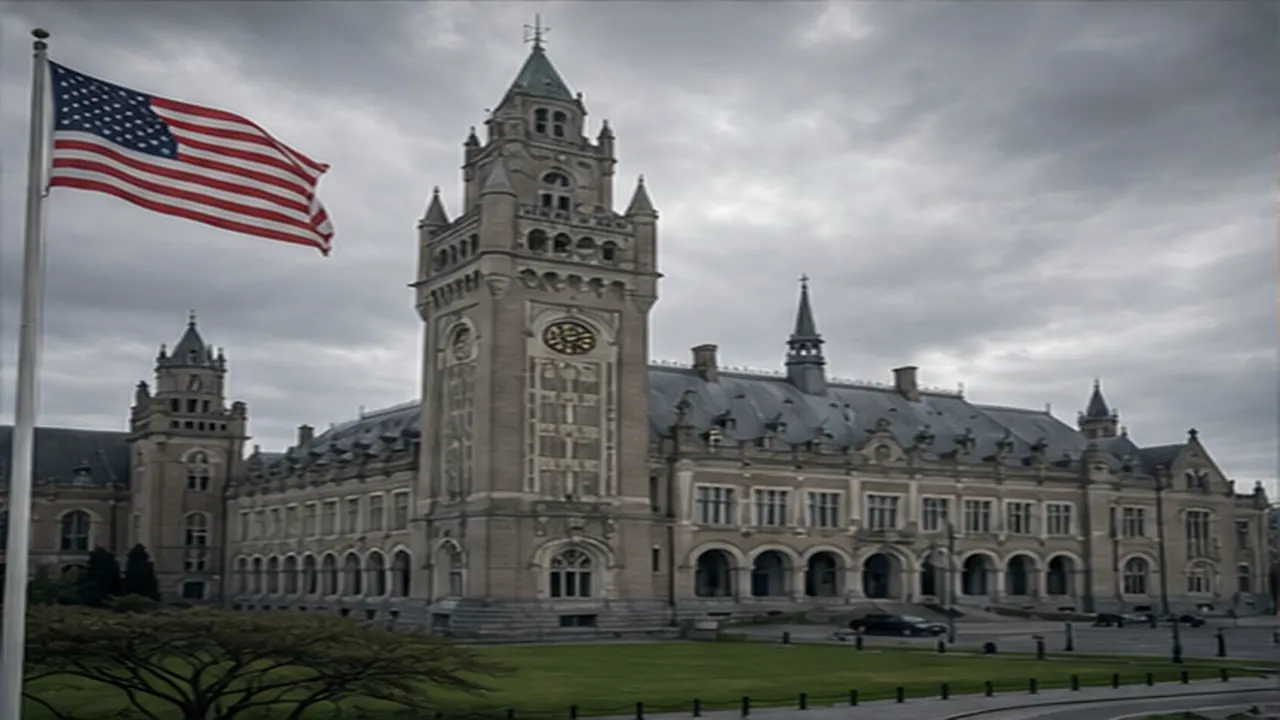
The State Department under Secretary Marco Rubio unveiled a formal campaign to, in its own words, "dismantle the threat posed by the International Criminal Court to U.S. sovereignty." The Trump administration views the ICC as a politically motivated institution capable of targeting American officials and allies without legitimate legal basis. Washington Examiner's editorial board backed the move as long overdue, and the administration's push signals a broader confrontation with the international legal architecture.
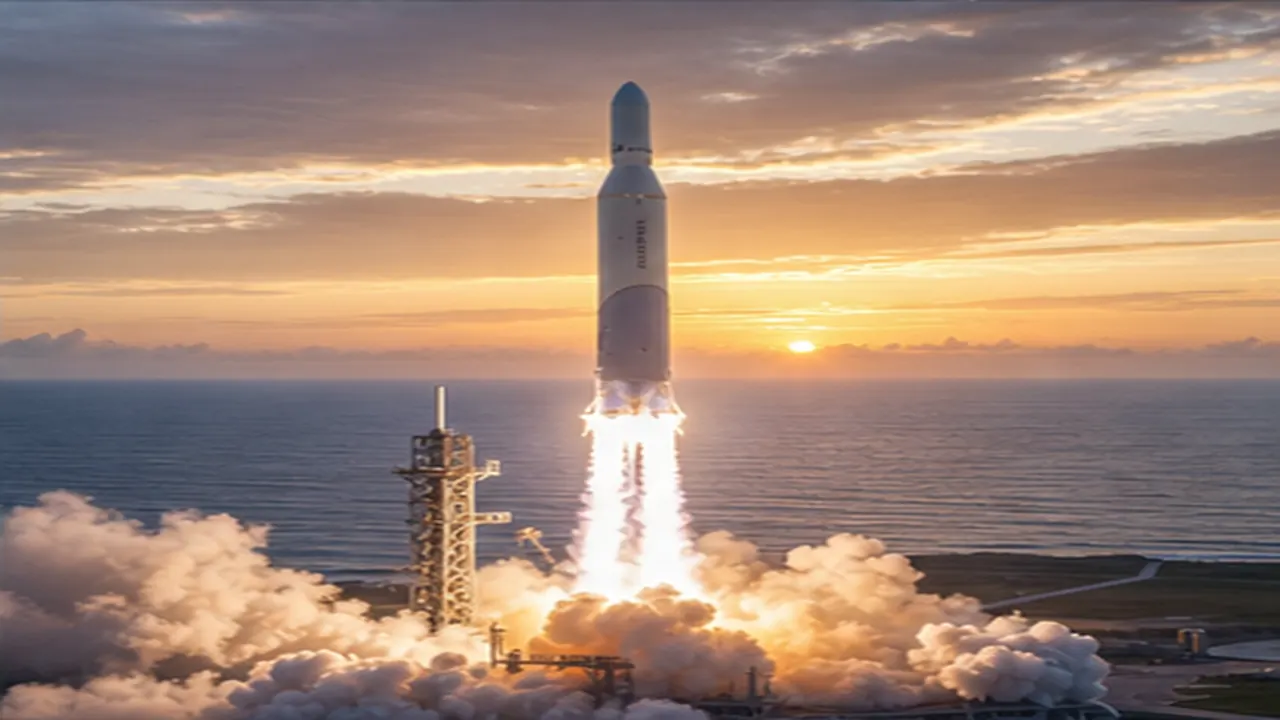
Blue Origin's New Glenn rocket successfully launched NASA's twin ESCAPADE spacecraft on their long journey to Mars, where they will study the Martian magnetosphere upon arrival in 2027. The launch is a milestone for Blue Origin as a serious NASA launch partner alongside SpaceX, and it advances U.S. ambitions for eventual crewed Mars exploration — a goal that now has concrete hardware moving toward the red planet.
A groundbreaking clinical trial is using gene therapy to reprogram aging retinal cells to behave as if they were younger, targeting the biological root of age-related vision loss rather than just managing its symptoms. Researchers believe success here could serve as a proof of concept for broader cellular aging reversal — one of the most ambitious frontiers in modern medicine. The trial is ongoing with early results expected to draw significant scientific attention.
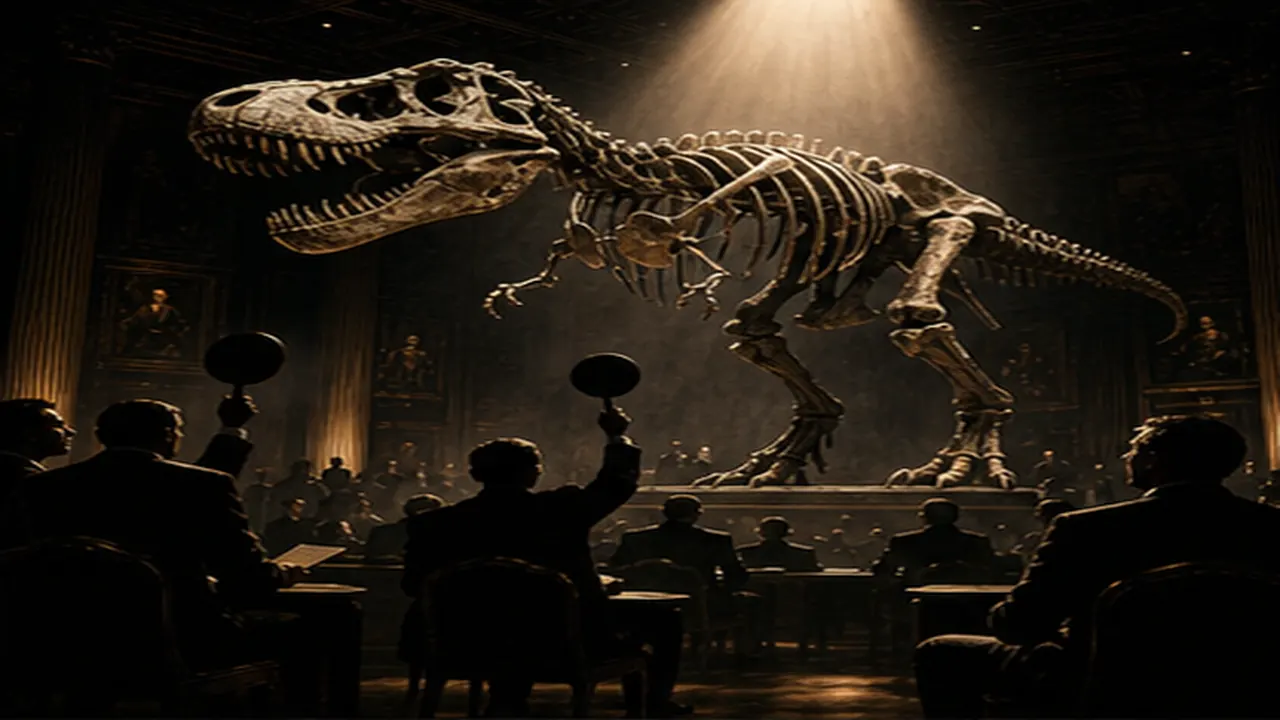
A massive Tyrannosaurus rex skeleton went under the hammer and sold for $50 million, placing it among the most expensive dinosaur fossils ever sold at private auction. The sale reignites the long-running debate about whether significant paleontological specimens belong in public museums or private hands — but whoever bought it is waking up this morning with a very impressive and very old houseguest.