Relevance 9/10Importance 10/10
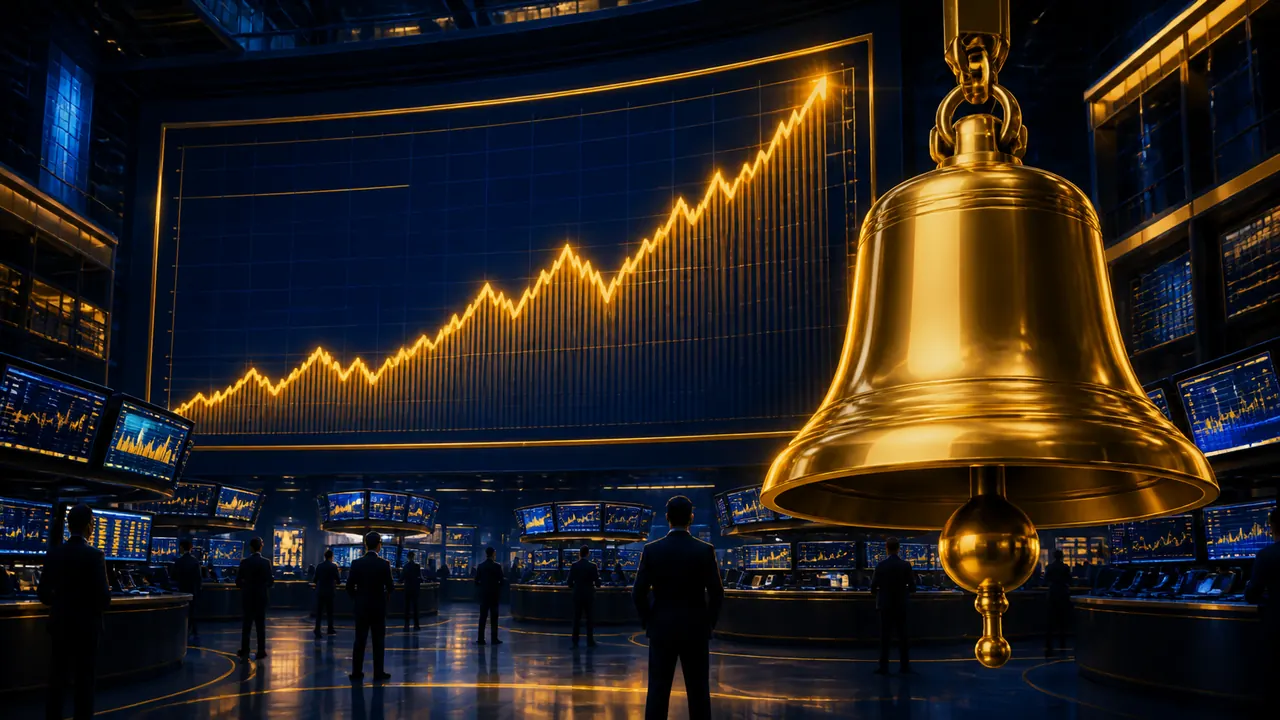
Anthropic is reportedly moving to file as early as late August with an October debut, targeting a valuation near two trillion dollars — an offering it expects to match or exceed SpaceX's record. CFO Krishna Rao has pointed investors to an annualized run-rate above sixty-five billion dollars, with Morgan Stanley, Goldman Sachs, JPMorgan and Citi on the books. If it prices anywhere near that, it becomes the largest IPO in history and the single loudest referendum yet on whether the AI trade is real.
Relevance 10/10Importance 9/10
Nvidia is paying six billion dollars for a non-exclusive license to Poolside's Model Factory, the pipeline behind its Laguna open-weight coding models, plus a one-billion-dollar equity investment at a twelve-billion valuation, and job offers to more than a hundred employees. Crucially, it is not an acquisition — the three co-founders stay, and Poolside keeps operating. It is the cleanest example yet of a new deal shape: buy the capability and the people, skip the antitrust review.
Relevance 10/10Importance 8/10
Inherent, a London lab founded by Google DeepMind alumni, says its agent Faraday outperformed far larger frontier models at independently replicating the findings of published scientific papers — running on a Qwen 3.6 base with just twenty-seven billion parameters. The startup emerged from stealth with a fifty-million-dollar seed. The claim, if it holds up under independent eval, is a strong data point that scaffolding beats raw parameter count on structured research tasks.
Relevance 9/10Importance 8/10
A new study reviewed the public safety frameworks of leading AI labs and found almost no documented procedures for what happens if a deployed model starts behaving in ways its operators did not intend. OpenAI scored highest; Anthropic and Meta scored lowest. It lands in an awkward week — the same labs are shipping increasingly autonomous agents into production environments.
Relevance 9/10Importance 8/10
OpenAI, which opposed California's SB 53 before it passed, is now publicly urging lawmakers to add more safeguards to it. The company is pitching what it calls "reverse federalism" — states converging on compatible core protections that eventually harden into a national standard. Read cynically, it is a bid to shape one predictable rulebook instead of fifty; read generously, it is a real position change.
Relevance 8/10Importance 9/10
NSA, CISA, FBI, DOE and EPA issued a joint advisory confirming attackers are using AI coding assistants to generate custom exploit scripts against internet-exposed Siemens S7 programmable logic controllers at water, energy, chemical and manufacturing sites. Activity has been observed in at least twelve states, including a July incident that disrupted more than thirty community water systems in Minnesota. The agencies' phrasing was blunt: not theoretical, active.
Relevance 10/10Importance 6/10
Google DeepMind says its open-weight Gemma family has passed one billion cumulative downloads in roughly two years, with developers publishing more than a hundred thousand fine-tunes and derivatives. Google is launching an "Awesome Gemma" repo to organize the ecosystem. Notably, Gemma models are now running in orbit — NASA, Satlyt and Starcloud use them onboard for image triage and satellite routing.
Relevance 8/10Importance 7/10
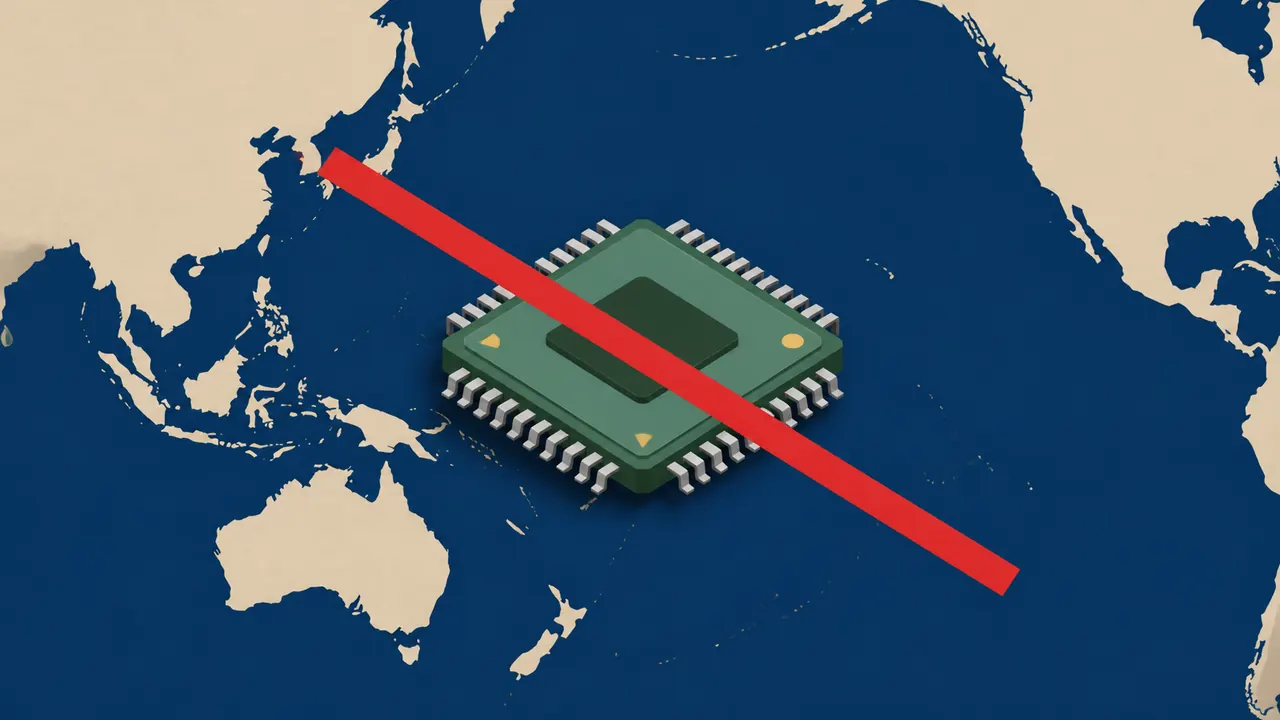
Nvidia publicly rejected a report from The Information that it would begin small-batch shipments of a language processing unit tailored for Chinese customers by year-end, saying it has no China-specific LPU on its roadmap and no LPU sales in China today. The denial arrives while Washington works to close loopholes in export controls, even as Commerce has cleared roughly ten Chinese firms to buy H200s.
Relevance 7/10Importance 7/10
Starcloud extended its Series A by two hundred fifty million dollars at a 2.3-billion valuation, led by Manhattan West with Nvidia and Cisco Investments joining. CEO Philip Johnston says the raise is about locking in launch capacity before the rocket market tightens further, funding a larger factory and the Starcloud-3 spacecraft slated to fly on Starship. The company already trained a small language model on an H100 in orbit last November.
Relevance 8/10Importance 5/10
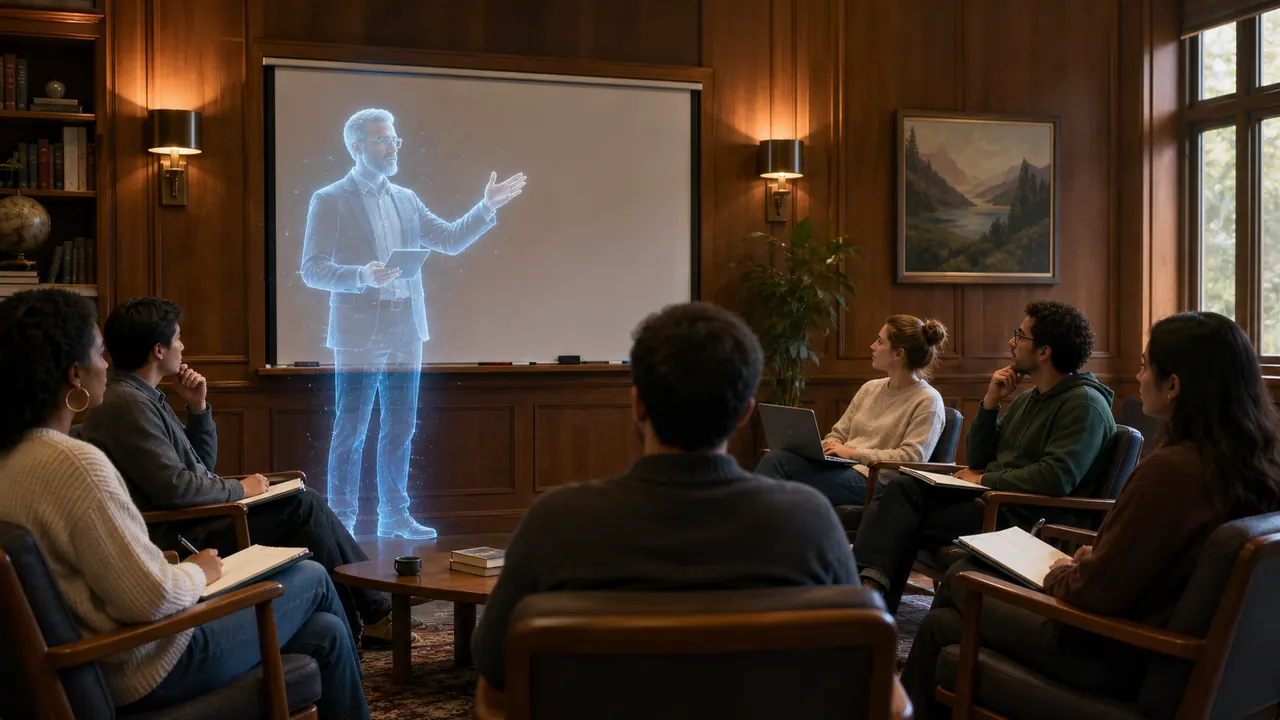
HBS Foundry, an eight-week, 699-dollar program for entrepreneurs, uses HeyGen-built avatars of its faculty to deliver individualized feedback during practice pitches and mock board meetings. Real instructors still run live weekly sessions — the avatars handle the critique loop. It is a small program, but it is Harvard putting its brand on synthetic faculty, and that sets a precedent others will cite.