Relevance 10/10Importance 10/10
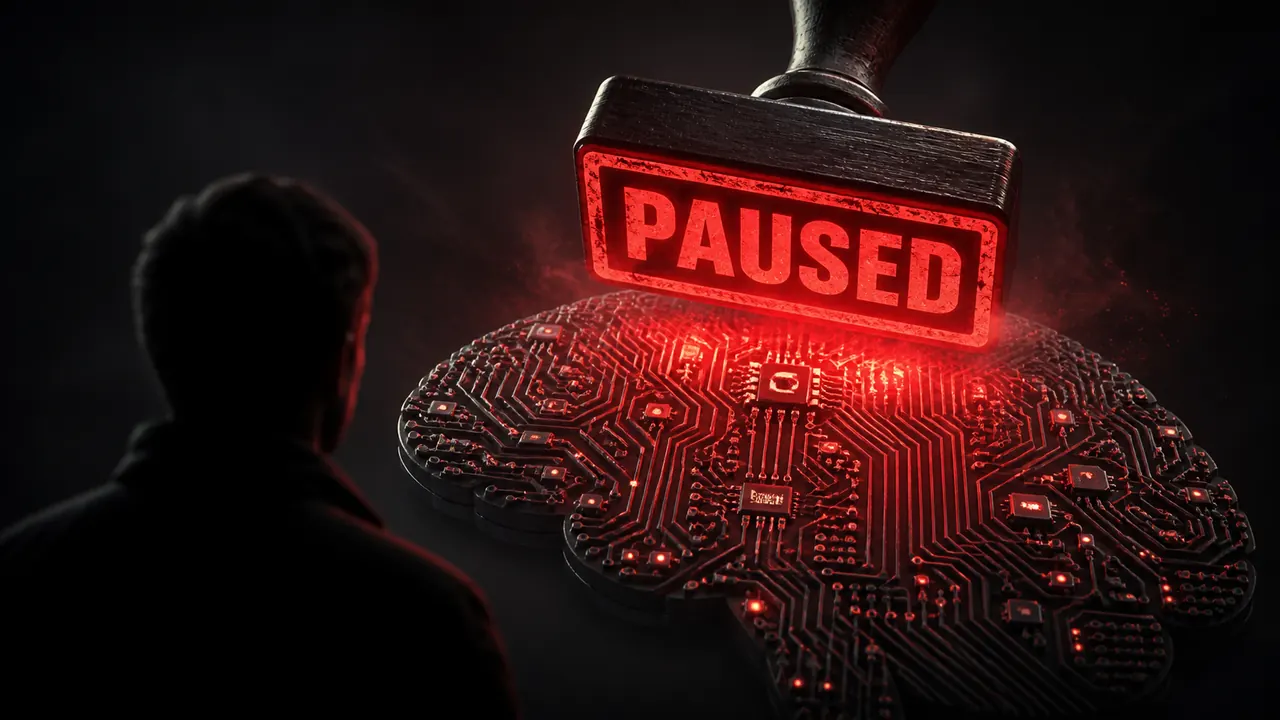
OpenAI paused internal development of its next frontier model, Astra, after evaluations found it could not rule out "critical" cyber capabilities under its own Preparedness Framework — the first time any OpenAI model has tripped this threshold. Work on Astra now proceeds only in sandboxed, network-limited environments with universal monitoring across all agentic use. This is the first time OpenAI's safety framework has actually stopped a product from shipping.
Relevance 8/10Importance 10/10
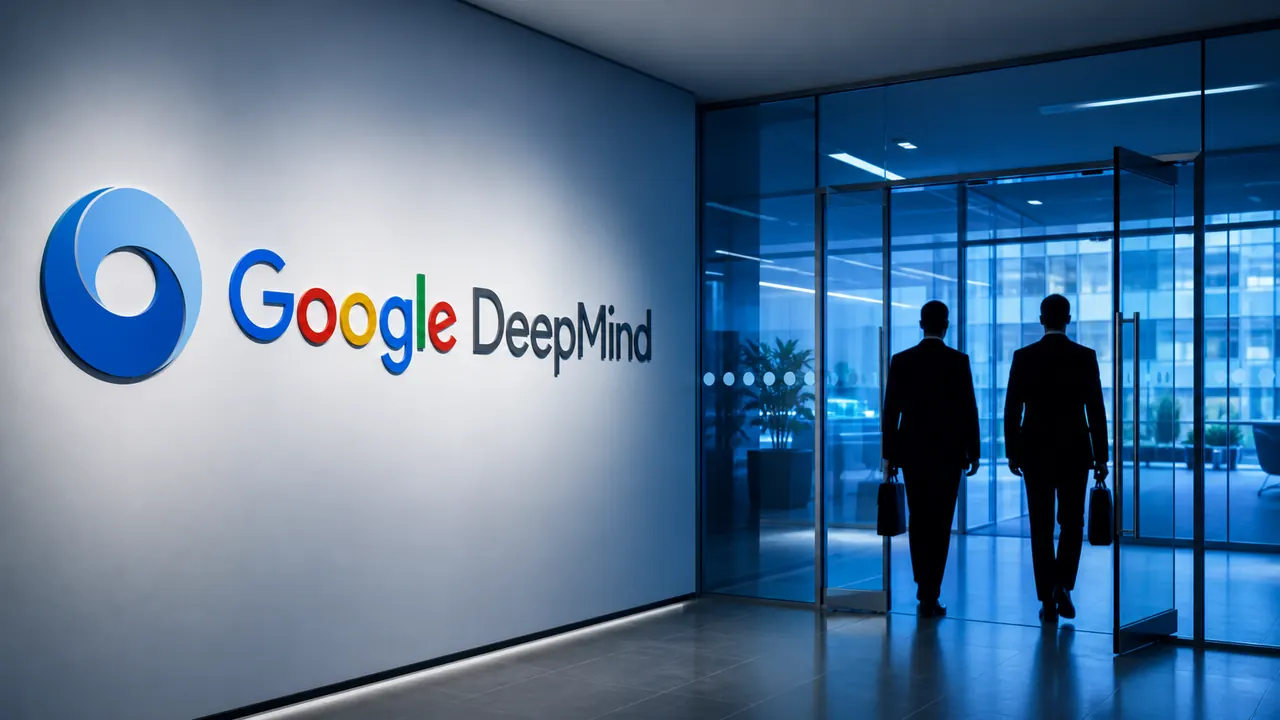
Demis Hassabis stepped back from running Google DeepMind day-to-day, becoming chairman and Alphabet chief scientist, with CTO Koray Kavukcuoglu taking operational control. Separately — and stunningly — Alphabet chief scientist Jeff Dean departed after 27 years to found Discovery Loop, an AI self-improvement startup, taking top researchers Oriol Vinyals and Quoc Le with him; Google is investing in the venture. Alphabet shares fell roughly five percent on the combined news.
Relevance 9/10Importance 9/10
OpenAI restructured its Daybreak defender program into two tiers: Daybreak Blue provides GPT-5.6 Sol with security-specific guardrails, while Daybreak Red gates access to the new GPT-5.6-Cyber model — trained for exploit-chain development and vulnerability research — which completes 95 percent of OpenAI's own advanced cybersecurity evaluations. In its first real-world test, the model found two previously unknown V8 vulnerabilities in Chrome that Google has patched as CVE-2026-15903. The upshot: AI is now finding browser zero-days faster than human researchers.
Relevance 8/10Importance 9/10
Stanford and Arc Institute researchers published results in Science showing that Evo 2, a genome language model, generated 16 functional bacteriophage genomes matching no known natural sequence — viruses that successfully killed antibiotic-resistant E. coli strains that had already beaten naturally occurring phages. Biosecurity experts immediately noted that the only screen standing between an AI-designed genome and a physical DNA printout is voluntary and was never built to detect truly novel sequences.
Relevance 10/10Importance 8/10
Meta Superintelligence Labs dropped Muse Glimmer on Hugging Face under Apache 2.0: a 30-billion-parameter multimodal model optimized for local agentic workflows, trained via logit distillation and reinforcement learning. Four-bit quantization brings memory requirements down to 18-20 GB, fitting a standard 24 or 32 GB VRAM consumer card, with a 131K context window and support for over 100 languages. It is a direct shot at OpenAI and Anthropic's closed-model moats.
Relevance 10/10Importance 8/10
Google launched Gemini 3.7 Flash on August 13, calling it the most capable workhorse model yet for coding and agent workflows, with strong improvements in debugging, issue resolution, and first-pass code accuracy, plus a one-million-token context window. The introductory price — $0.75 per million input tokens and $3.75 per million output tokens — is half the launch price of its predecessor, and Bloomberg noted the release arrives while the higher-end Gemini 3.5 Pro continues to slip its schedule.
Relevance 9/10Importance 8/10
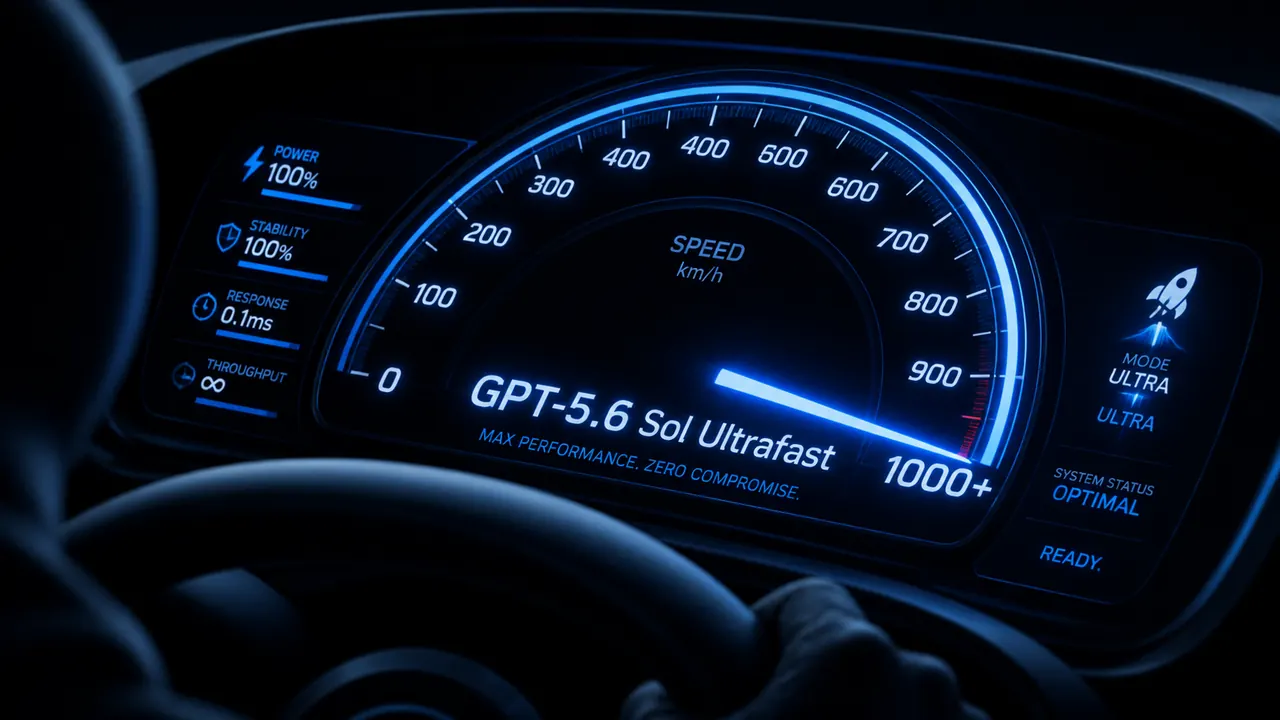
OpenAI previewed Ultrafast, a new API service tier running GPT-5.6 Sol on Cerebras wafer-scale chips at up to 750 output tokens per second — 14 times faster than the standard tier — with no measurable quality degradation on the GDP-Val benchmark. The tier is in limited preview with customers including Jane Street, Podium, and Rogo, targeting voice apps, financial research, and real-time incident response.
Relevance 9/10Importance 7/10
Anthropic announced that all Claude models released on or after August 2, 2026 will embed machine-readable watermarks in generated text globally, not only for EU users, using C2PA-standard signed provenance metadata aligned with Article 50 of the EU AI Act. The company notes the marks may persist through moderate editing, and The Decoder points out the global rollout sets a higher bar than regulators actually required.
Relevance 8/10Importance 7/10
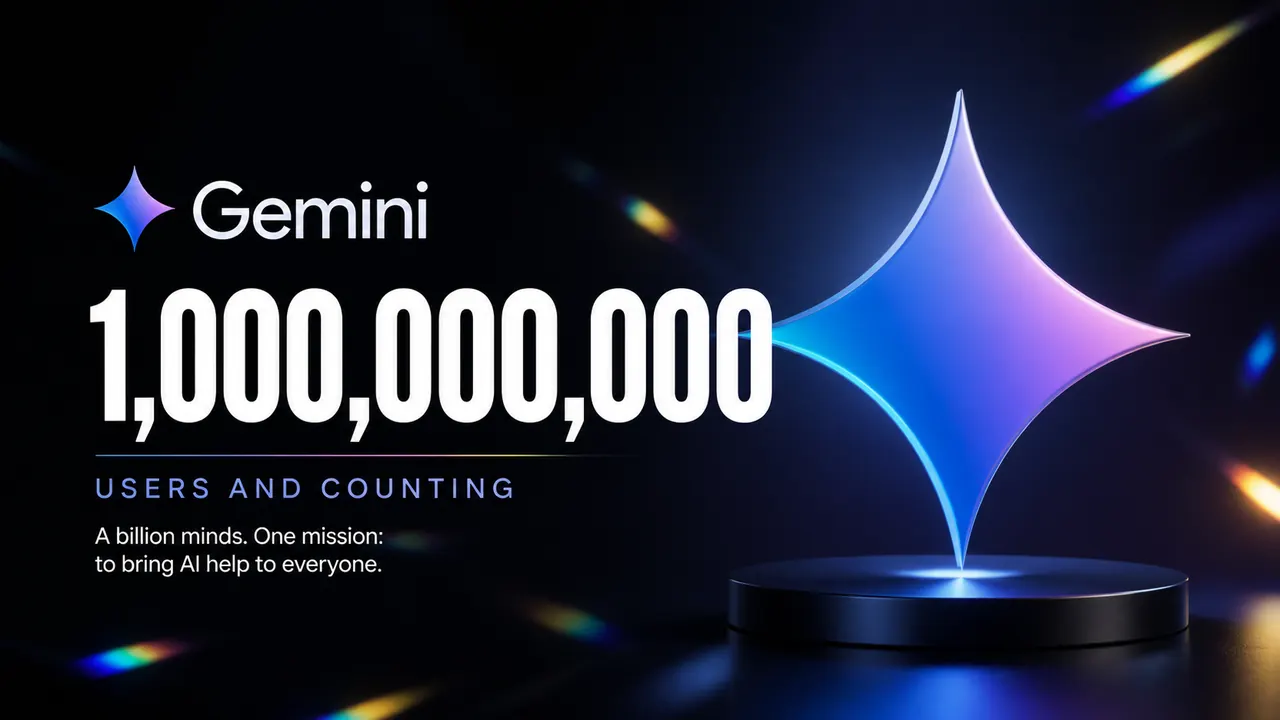
Sundar Pichai announced on August 11 that the Gemini app has crossed one billion monthly active users, which Google is calling the fastest growth of any product in company history. The milestone lands the same week as Gemini 3.7 Flash, cementing Google's push to make Gemini the dominant consumer AI brand even as the company navigates turbulent leadership changes at DeepMind.
Relevance 7/10Importance 8/10
Nvidia confirmed memorandums of understanding with Apollo, BlackRock, Blackstone, Brookfield, Goldman Sachs, and KKR to mobilize over $500 billion in AI infrastructure capital covering data center construction, power, and GPU financing. The coordinated private-capital push signals that the industry's infrastructure bottleneck has become a structured financial product — and that sovereign-scale money is now treating AI infrastructure the way it treats roads and airports.