Anthropic closed a $65 billion Series H led by Altimeter, Dragoneer, Greenoaks, and Sequoia at a $965 billion pre-money valuation — making it the most valuable private AI company in Silicon Valley, ahead of OpenAI for the first time. The company's revenue run rate hit $47 billion, up from $30B earlier this year and $10B just twelve months ago, driven almost entirely by Claude Code enterprise adoption.
Anthropic launched Claude Opus 4.8 with improved benchmark performance, stronger honesty characteristics, and a new "fast mode" pricing tier at the API level. For Claude Code users specifically, the release adds dynamic workflows — a meaningful expansion for agentic tasks — and effort control in claude.ai.
Google DeepMind CEO Demis Hassabis told audiences at Google I/O that humanity is in the "foothills of the singularity," tightening his AGI estimate from approximately 2030 to a possible 2029. He warned that society has only a few years to prepare for what he called a species-level transition.
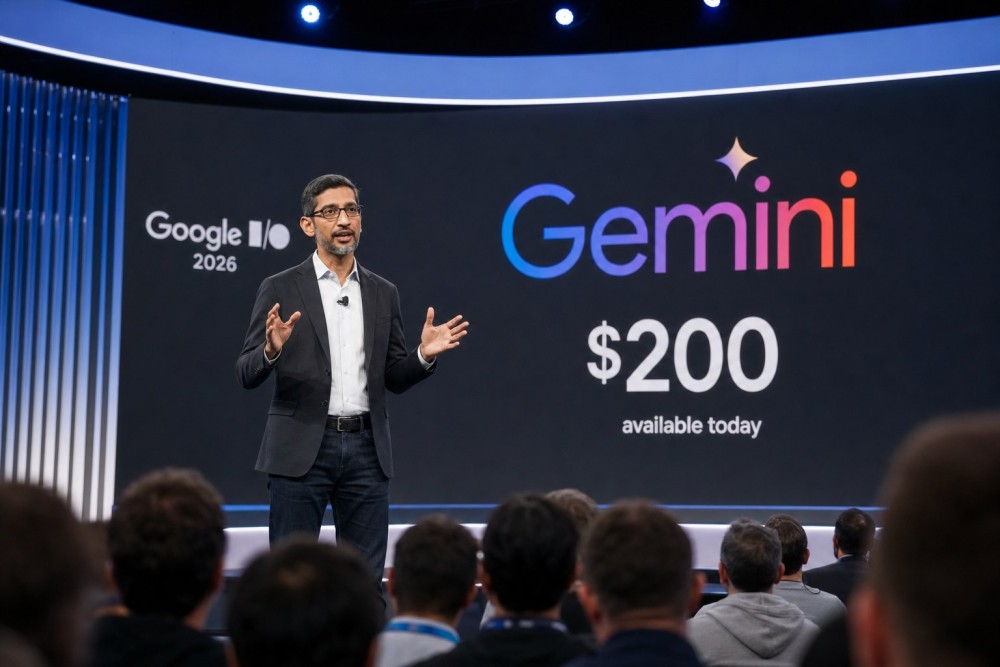
Google announced at I/O that Gemini monthly active users have doubled year-over-year to 900 million, and shipped Gemini 3.5 Flash immediately — reportedly outperforming the previous frontier model on coding, agentic, and multimodal benchmarks. Google also cut its Ultra subscription from $250 to $200 per month and introduced a $100 Developer tier.
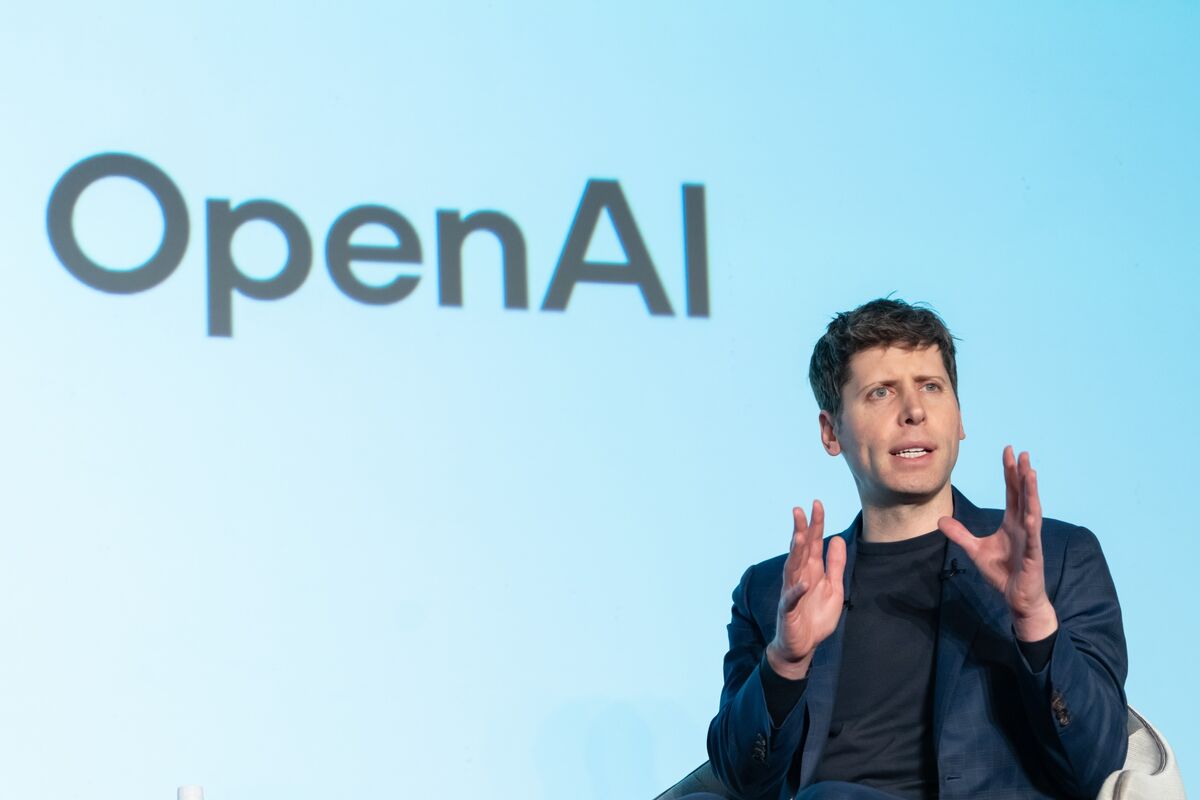
OpenAI filed a confidential S-1 in late May, working with Goldman Sachs and Morgan Stanley toward a public debut targeted for fall 2026. The filing arrives at the precise moment Anthropic's private valuation has pushed toward $1 trillion, setting up a fascinating public-market pricing test for the entire sector.
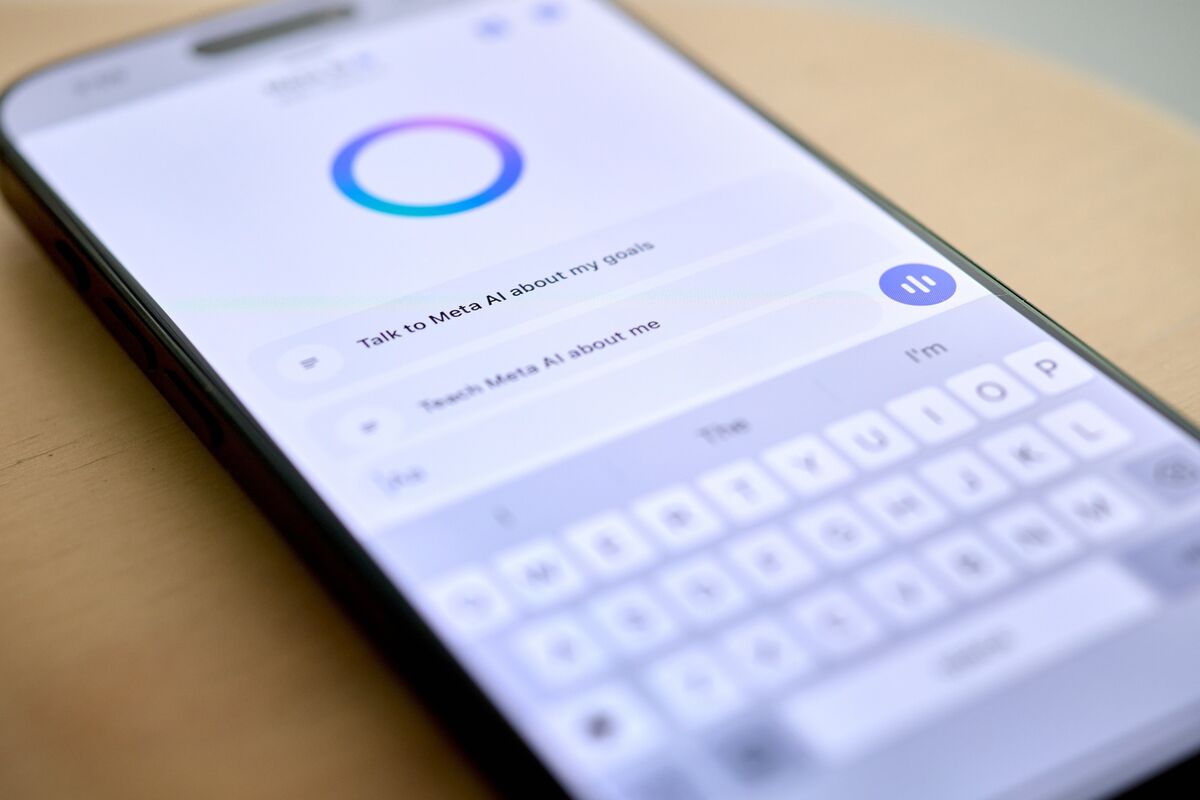
Meta introduced Meta One Plus at $7.99 per month and Meta One Premium at $19.99 per month, testing in Singapore, Guatemala, and Bolivia — the same month it laid off approximately 8,000 employees and restructured 7,000 additional roles as part of an AI-first pivot. The company is building direct AI monetization to offset the long-term threat AI-powered search poses to its advertising revenue.
Anthropic announced a four-year, $200 million partnership with the Gates Foundation covering grant funding, Claude usage credits, and technical support aimed at global health, life sciences, education, and economic mobility. The deal positions Claude directly in high-stakes, regulated domains where AI efficacy claims must be defensible.
xAI released Grok 4.3 — a real-time web-connected reasoning model drawing on the full X/Twitter data firehose — and launched Grok Build, an early-access coding agent CLI for SuperGrok and X Premium Plus subscribers. The move puts xAI directly into the developer-agent market dominated by Claude Code and Cursor.
Mistral CEO Arthur Mensch announced the company is exploring designing its own chips alongside a new French inference-focused data center, while simultaneously rolling out its Vibe agentic enterprise platform — powered by Mistral Medium 3.5 — for coding and workflow automation. A European frontier lab entering the custom silicon race is a notable signal about where the compute bottleneck is headed.
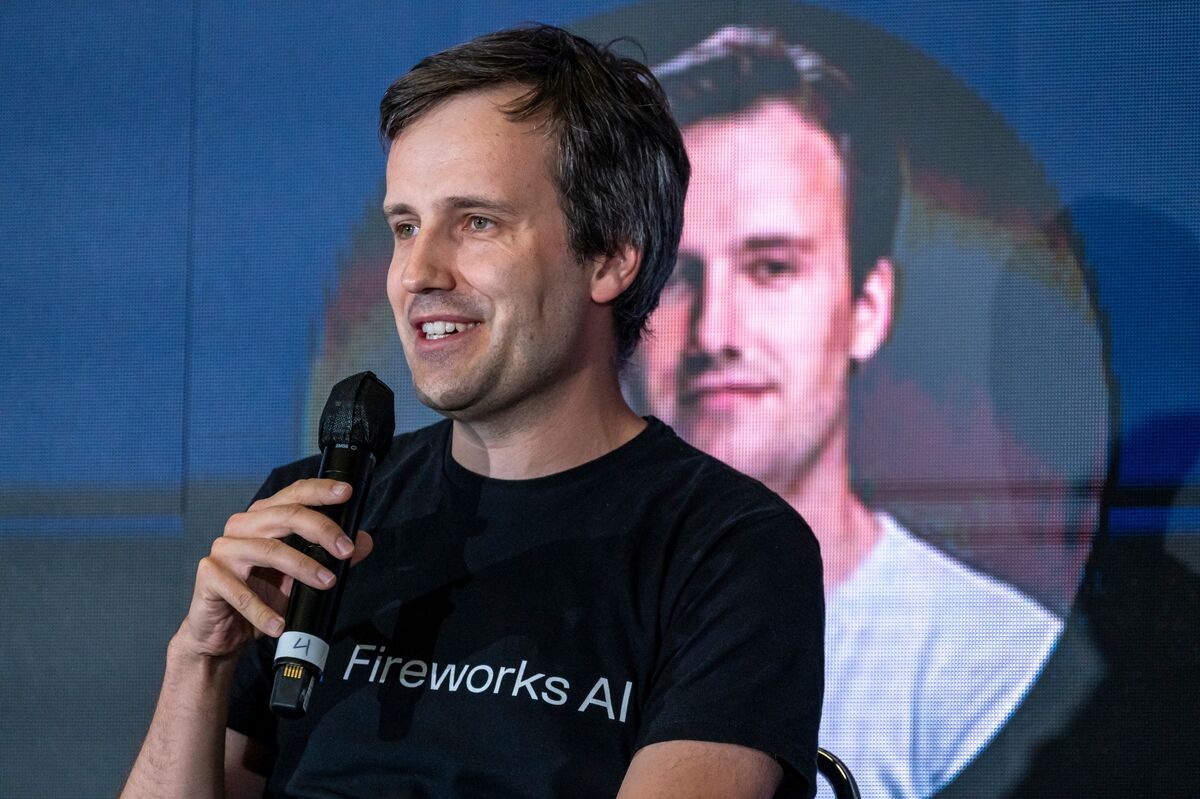
Fireworks AI, which provides enterprise model inference infrastructure, is in late-stage talks to raise at a $15 billion valuation. Separately, Parallel raised $230 million for AI agent web-search infrastructure — part of a broader 2026 VC concentration in agent infrastructure, defense AI, and vertical software with defensible data moats.