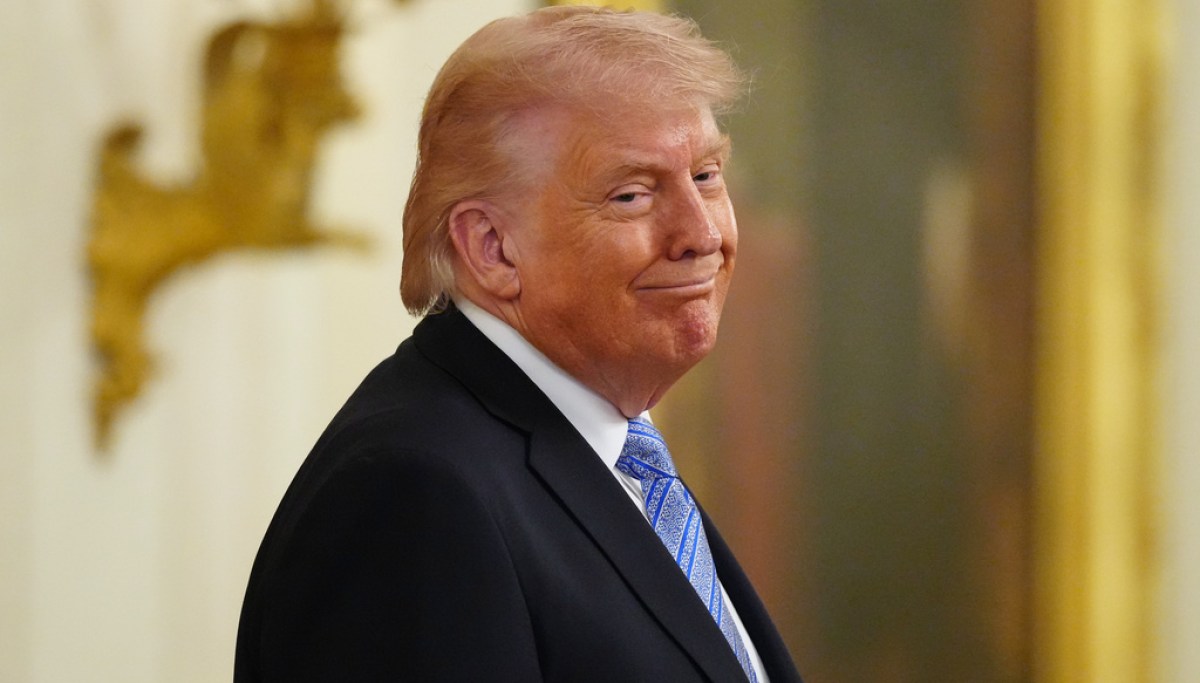
President Trump's annual Office of Government Ethics filing reveals he earned more than two billion dollars in 2025 — the bulk from cryptocurrency, including roughly $800 million from World Liberty Financial, $635 million from his Trump meme coin, and over $500 million from golf resorts and properties, up 15 percent year over year. Democrats are escalating conflict-of-interest demands as the full disclosure goes well beyond earlier reporting.
A federal appeals court ruled 2-1 that ICE may not hold immigrants for more than 90 days without an individualized bond hearing, citing constitutional due process protections. The ruling affects thousands currently detained in Texas, Louisiana, and neighboring Fifth Circuit states. The DOJ has already petitioned the Supreme Court to reinstate the no-bond policy, setting up a fast-moving clash at SCOTUS.
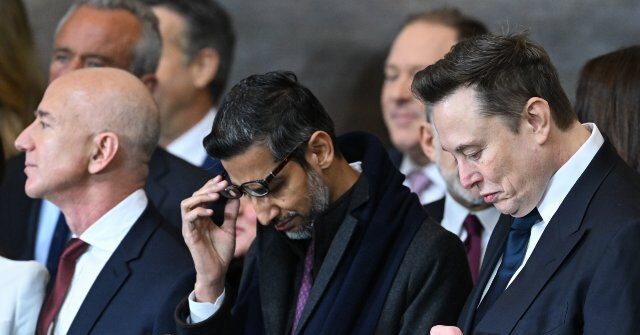
Microsoft, Nvidia, Google, Apple, Meta, Tesla, and Amazon lost a combined $2.3 trillion in market value during June, with the Magnificent 7 Index down 10 percent — Microsoft fell hardest at minus 20 percent, Nvidia at minus 13. Investors are questioning whether massive AI infrastructure spending will generate returns anytime soon, fueling one of the worst months for big tech since the 2022 rate-hike selloff.
Crude oil has fallen three consecutive sessions and now sits at $67 per barrel, pushing the national gas average to $3.83 a gallon heading into the July 4 weekend. The slide tracks easing Strait of Hormuz anxiety during Iran's state mourning period, though analysts warn prices could snap back sharply if the diplomatic pause collapses next week.
Iran has begun a multi-day state funeral for Supreme Leader Ayatollah Ali Khamenei — killed in a February airstrike — with ceremonies running July 4 through 9 across Tehran, Najaf, Karbala, Qom, and culminating in burial at Mashhad. The United States and Qatar mediators agreed to pause nuclear negotiations for the duration; progress on the Islamabad memorandum was reported before the halt. Iranian authorities have warned of harsh retaliation against any provocations during the mourning period.
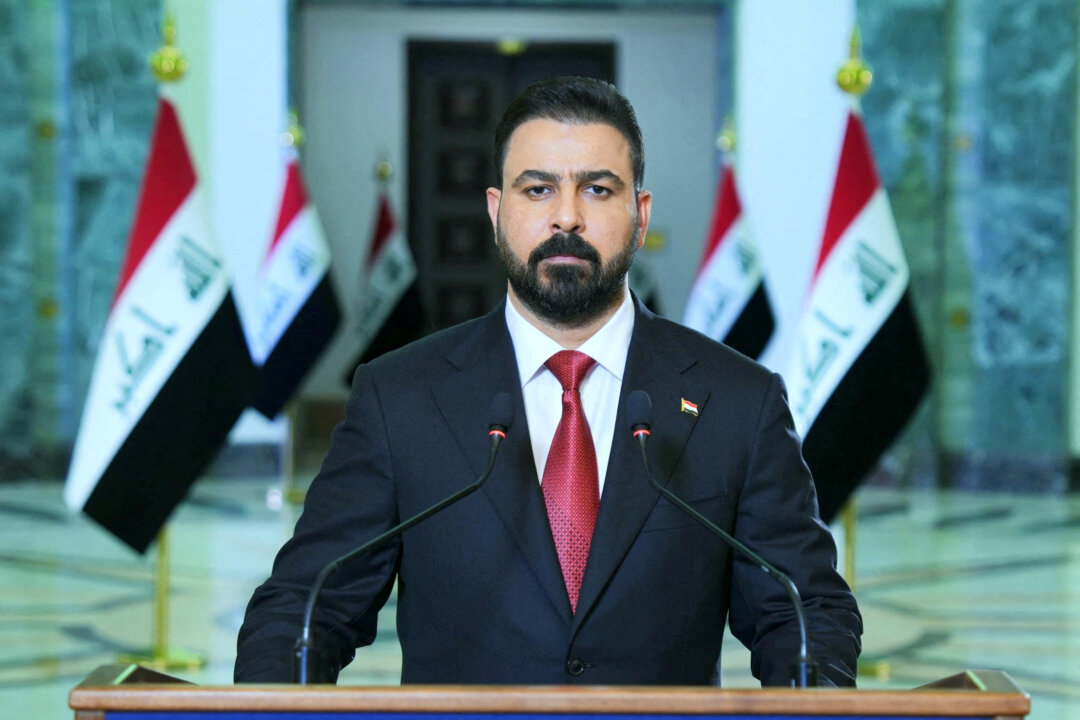
The Iraqi government issued a formal ultimatum requiring all Iran-aligned armed factions to disarm and fold into state institutions by September 30, timed to the end of the US-led anti-ISIS coalition's mission in Iraq. Analysts are skeptical — the most powerful Badr Organization-linked factions have made no disarmament commitments — and one Washington Examiner op-ed put it bluntly: this is rebranding, not disarming.
Iran's Islamic Revolutionary Guard Corps ambushed and killed six fighters from the Democratic Party of Iranian Kurdistan near Piranshahr on July 1, part of escalating violence in Iran's Kurdish-majority west. Clashes between IRGC forces and Kurdish armed factions have intensified since the February confrontation that killed Khamenei, with no sign of easing.
Portugal defeated Croatia 2-1 in Toronto on July 2, with a Croatian equalizer disallowed by Video Assistant Referee review for offside — the 10th goal overturned by VAR technology in this tournament alone. The ruling reignited fierce global debate about whether technology is destroying the human judgment at the heart of the sport; Cristiano Ronaldo scored the clinching penalty, and Portugal faces Spain in a marquee Dallas quarterfinal on July 6.
At least eleven American scientists linked to classified government research — spanning plasma fusion, nuclear programs, aerospace, and UAP studies — have died or gone missing since 2023, including a Caltech researcher shot outside his home, an MIT plasma physicist killed in Brookline, and a NASA JPL engineer missing since last June. The FBI is coordinating with the Department of Energy and state law enforcement, and White House Press Secretary Karoline Leavitt confirmed the administration is working to identify any potential commonalities.
A weeklong anti-technology festival in New York's East Village dubbed the Summer of Ludd — named after the 19th-century Luddite movement — is drawing hundreds of young people for workshops on dating without apps, resisting AI data center expansion, and living offline. It reflects a measurable cultural shift: Gen Z optimism about AI dropped from 27 percent to 18 percent in a single year, with nearly one in three young adults saying the technology makes them angry.